
As the temperatures drop and days get shorter, many of us struggle to find plants that can withstand the harsh conditions of winter. But what if you could have a hedge that not only survives but thrives during this time? Plants with winter interest are perfect for creating a year-round display of color and texture in your garden. Whether you’re looking for evergreen options or native species that attract local wildlife, there’s something for everyone.
In this article, we’ll explore the world of hedge plants that shine during the colder months. From coniferous trees to shrubs with berries and flowers, we’ll delve into the best options for adding winter interest to your garden. We’ll also discuss how to choose and care for these plants, so you can enjoy their beauty all year round.
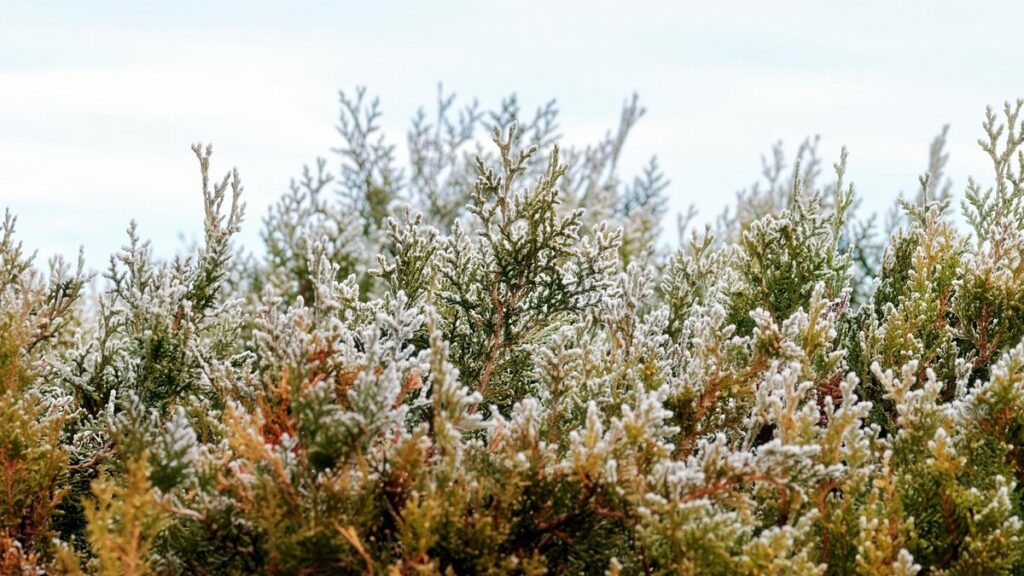
Choosing the Right Hedge Plants
When selecting hedge plants, consider their foliage color, texture, and shape at different times of year to ensure year-round interest. This is especially crucial for winter displays when other plants may be dormant.
Considerations for Winter Interest
When selecting hedge plants that provide winter interest, there are several factors to consider. One key consideration is foliage color. Plants with vibrant green, golden, or copper hues can add a pop of color to your garden during the dull winter months. For example, Boxwood (Buxus sempervirens) has beautiful chartreuse new growth in winter, while Holly (Ilex aquifolium) retains its bright green leaves year-round.
Another important consideration is texture. Plants with interesting bark or foliage texture can add depth and visual interest to your garden even when the flowers have faded. Consider using plants like Winter Jasmine (Jasminum nudiflorum), which has delicate, golden-yellow stems that provide a striking contrast to snow-covered landscapes.
Berry production is also an excellent way to add winter interest to your hedge. Many shrubs produce bright berries in shades of red, pink, or purple during the winter months. For example, Pyracantha (Pyracantha coccinea) produces bright red berries from October to February, while Dogwood (Cornus sanguinea) produces white and red berries throughout the winter.
When selecting plants for their berry production, consider the birds that visit your garden. Some shrubs, like Pyracantha, are a favorite of robins and blue tits, who come to feast on the berries during the winter months.
Seasonal Variations in Foliage Color
When it comes to selecting hedge plants that provide year-round interest, seasonal variations in foliage color can be a game-changer. While many of us associate winter with bare and barren landscapes, there are plenty of plant species that exhibit vibrant colors during the colder months.
Evergreen options like Boxwood (Buxus sempervirens), Holly (Ilex spp.), and Arborvitae (Thuja occidentalis) offer a pop of green throughout the winter. These plants not only provide a lush backdrop for other winter flowers but also serve as a year-round anchor in your garden design.
On the other hand, deciduous varieties like Red Twig Dogwood (Cornus sericea), Purple Smokebush (Cotinus coggygiera ‘Purple Devil’), and Weeping Silver Birch (Betula pendula) showcase stunning winterized hues. Their leaves may have fallen, but their colorful stems or branches provide a striking contrast to the snow-covered ground.
When choosing hedge plants for winter interest, consider selecting species that will thrive in your local climate and soil conditions. With careful planning, you can create a year-round display that’s both beautiful and resilient.
Designing a Winter-Interesting Hedge
To create a stunning winter display, let’s explore some tips for designing a hedge that will stand out even when other plants are dormant. You’ll find ideas to get your creativity started here.
Plant Spacing and Arrangement
When it comes to designing a winter-interesting hedge, plant spacing and arrangement are crucial factors that can make or break the visual appeal of your landscape. As you’re selecting plants for their striking winter characteristics, don’t forget to consider how they’ll interact with each other and their surroundings.
Start by thinking about sunlight requirements: some plants need full sun to maintain their vibrant winter colors, while others prefer partial shade. For example, consider pairing bold red-twigged dogwoods (Cornus sericea) with more delicate, pale-yellow birch trees (Betula pendula), which can thrive in dappled shade.
Soil conditions also play a significant role in plant health and winter interest. Make sure to choose plants that tolerate your soil type, whether it’s clay-heavy or sandy. For instance, if you have heavy clay soil, consider using evergreen shrubs like yew (Taxus baccata) or boxwood (Buxus sempervirens), which are both adaptable and relatively low-maintenance.
In terms of spacing, plant your hedge plants with enough room for growth, typically 2-3 feet apart for smaller species. This will also make it easier to prune them in the spring, maintaining a neat and tidy appearance throughout the year.
Incorporating Native Plants for Biodiversity
When designing a winter-interesting hedge, incorporating native plant species is an excellent way to boost biodiversity and provide essential food sources for local wildlife. Native plants have adapted to the specific climate and soil conditions of their region over thousands of years, making them ideal choices for hedges that want to attract native wildlife.
Incorporating native plants into your winter-interesting hedge can be as simple as mixing in some native shrubs or perennials alongside more traditional hedging materials. For example, in North America, planting species like Viburnum lentago (American nannyberry) or Cornus sericea (red-osier dogwood) will attract birds and pollinators to your garden.
Consider consulting with local nurseries or gardening experts to determine which native plant species are best suited for your region. By doing so, you’ll not only create a hedge that provides year-round interest but also contributes to the health and diversity of local ecosystems. To maximize biodiversity, plant a mix of native plants with different growth habits, flowering times, and food sources to attract a variety of wildlife throughout the seasons.
Winterizing Existing Hedges
If you already have a hedge in place, you can give it a winter makeover by choosing the right plants and maintenance techniques to bring out its natural beauty during the colder months. Here’s how to get started.
Pruning Techniques for Winter Interest
When it comes to pruning techniques for winter interest, timing is everything. To showcase your hedge plants’ natural beauty during the dormant season, you’ll want to prune them after they’ve finished blooming and before new growth begins. This usually occurs in late autumn or early winter.
First, focus on cutting back dead wood to maintain a healthy shape and promote new growth in the spring. Use sharp, clean tools to make precise cuts just above a bud or a lateral branch. This will help direct energy towards producing interesting textures and structures during the winter months.
Next, thin out dense foliage by removing select branches to allow air circulation and sunlight penetration. This not only enhances visual appeal but also encourages branching and root growth. When pruning, consider the plant’s natural shape and don’t be afraid to expose underlying stems or interesting bark features.
By incorporating these techniques into your regular maintenance routine, you’ll create a showstopping display that celebrates your hedge plants’ unique characteristics even in the dead of winter.
Mulching and Watering Strategies
Mulching is an essential practice to protect plants from harsh winter conditions. Apply a 2-3 inch layer of organic mulch around hedges, keeping it a few inches away from the plant’s base. This helps retain moisture, suppress weeds, and regulate soil temperature. As for watering, consistency is key during winter. Aim to provide about an inch of water per week, either through rainfall or irrigation. Be cautious not to overwater, as this can cause root rot.
Monitor your hedge plants’ specific watering needs based on factors like soil type, climate, and weather conditions. Water during the cooler parts of the day to minimize evaporation and prevent scorching from winter sun. During prolonged dry spells, supplement rainfall with irrigation – but avoid frequent shallow waterings that encourage weak root growth. For example, some hedges like boxwood and yew are more prone to drought stress than others. Consider installing a rain sensor or smart irrigation controller to optimize watering schedules based on weather patterns.
Mulching and proper watering practices will help your hedge plants thrive even in the coldest months.
Winter-Interesting Hedge Types
Let’s take a closer look at some stunning hedge types that shine brightest during the winter months, adding beauty to your garden even when it’s coldest.
Evergreen Hedges for Year-Round Interest
Evergreen hedges are a great choice for adding year-round interest to your garden. These plants maintain their constant green foliage throughout the seasons, providing a pop of color even in the coldest months. Let’s explore some popular evergreen hedge options that offer this unique benefit.
Boxwood is one of the most versatile and widely used evergreen hedges. It can be trimmed into topiaries or left to grow naturally, making it an excellent choice for formal or informal gardens. Its dense foliage provides a beautiful backdrop for winter flowers and berries, adding depth and texture to your landscape.
English ivy is another popular option that’s easy to maintain and can thrive in shade or sun. It’s also highly adaptable, growing on walls, trellises, or as a groundcover. When pruned regularly, English ivy creates a neat and tidy appearance year-round.
For a more formal look, consider using topiaries made from boxwood or other evergreen species. These can be shaped into intricate designs or left simple and rounded, adding a touch of elegance to your winter garden.
Remember to choose an evergreen hedge that suits your climate and growing conditions. With proper care, these plants will provide year-round interest for years to come.
Deciduous Hedges with Notable Features
Deciduous hedges offer a unique charm with their seasonal transformations. While they shed their leaves in autumn, many species showcase vibrant fall colors before transitioning to a winterized state. Consider the beauty of deciduous hedges like those with notable features such as ornamental seed heads, persistent berries, or interesting bark textures.
The Amelanchier (Juneberry) hedge is an excellent choice for its stunning fall foliage and subsequent display of blue-black berries in winter. The Cornus (Dogwood) hedge boasts white or red berries that persist through the colder months. The Prunus (Cherry Plum) hedge offers a beautiful exfoliating bark texture, which adds visual interest during the winter.
When selecting deciduous hedges with notable features, remember to consider their mature size, growth rate, and maintenance requirements. Ensure they receive adequate sunlight, watering, and pruning to showcase their best qualities throughout the seasons. By incorporating these hedges into your landscape design, you can create a captivating display that offers year-round interest.
Maintenance for Winter-Interesting Hedges
To keep your winter-interest hedges looking their best, regular maintenance is essential, especially during the harsh winter months when plants can become vulnerable to disease and pests.
Seasonal Tasks and Considerations
Maintaining a winter-interesting hedge requires regular attention to keep it looking its best throughout the colder months. Pruning is an essential task, as it helps to promote healthy growth and maintains the desired shape of the hedge. However, pruning techniques vary depending on the plant species. For example, evergreen hedges like yew and boxwood require regular pruning to maintain their density and shape, while deciduous hedges like hornbeam and beech are best pruned in late winter or early spring when their branches are still flexible.
In addition to pruning, watering is also crucial during the winter months. While most hedge plants require less water during this time, it’s essential to check soil moisture regularly, especially if the weather is dry. Mulching can help retain moisture and suppress weeds, but be careful not to over-mulch, which can cause roots to rot.
For specific plant species like conifers, a gentle pruning in late winter can help promote new growth in the spring. For flowering hedges like viburnum and pyracantha, prune immediately after flowering to encourage more blooms next year. By tailoring your maintenance tasks to your hedge’s specific needs, you’ll be able to enjoy its beauty all year round.
Addressing Common Challenges
Maintaining hedges during winter can be challenging due to harsh weather conditions. One common issue is snow damage, which can cause branches to break under the weight of heavy snowfall. To mitigate this risk, it’s essential to choose hedge plants with flexible branches that can withstand snow loads.
Another challenge is frost heave, where soil water freezes and expands, causing roots to lift out of the ground. This can be prevented by ensuring good air circulation around the base of the hedge and using mulch or bark chips to insulate the soil. Regular watering during dry spells also helps to prevent water from freezing in the soil.
Pruning before winter is also crucial in preventing damage from snow and ice. Cutting back branches by one-third to one-half can help reduce weight and promote healthy growth come springtime.
Combining Winter Interest with Wildlife Support
When choosing a hedge plant for winter interest, it’s essential to balance aesthetic appeal with wildlife support. Consider plants that offer berries, seeds, or shelter for birds and other animals during this time.
Incorporating Plants That Attract Local Wildlife
When designing a hedge that offers winter interest and supports local wildlife, consider incorporating plants that attract native species to your garden. Native plant species are crucial for supporting biodiversity, as they provide the necessary food, shelter, and habitat for native animals.
Choose plants with berries, seeds, or nectar-rich flowers to attract birds, bees, and butterflies to your hedge. For example, the winter-flowering shrub Viburnum opulus produces white flowers in late autumn, which are followed by red berries that provide a vital food source for birds during the harsh winter months.
To incorporate plants that support local wildlife into your winter-interesting hedge, consider the following tips:
* Plant native species that are well-suited to your region’s climate and soil type.
* Choose plants with varying growth habits, such as tall shrubs and low-growing perennials, to create a diverse and layered landscape.
* Incorporate plants with different flowering times to provide a constant source of nectar-rich flowers for pollinators.
By incorporating plants that attract local wildlife into your hedge design, you can create a thriving ecosystem that supports biodiversity and adds year-round interest to your garden.
Creating a Habitat-Friendly Hedge
When creating a hedge that not only provides winter interest but also supports local wildlife, it’s essential to focus on native plants and features that cater to the needs of native species. This approach will not only add visual appeal to your garden during the colder months but also contribute to biodiversity.
Native plants are ideal for habitat-friendly hedges as they offer food, shelter, and breeding grounds for local wildlife. For example, consider incorporating species like winter-flowering Viburnum or Cotoneaster, which provide berries that are a vital source of nutrition for birds during the winter months. Incorporating native grasses with seed heads can also add texture and interest to your hedge while providing sustenance for small mammals.
To create a habitat-friendly hedge, consider the following features:
• Native plant species that offer food and shelter
• Seed heads and berries as a source of nutrition
• Dense foliage for shelter and protection
• A mix of deciduous and evergreen plants for year-round interest
When selecting native plants, research their specific needs and requirements to ensure they thrive in your local climate. This will also help you create a balanced ecosystem that supports a wide range of species. By incorporating these elements into your hedge design, you’ll not only enhance its visual appeal but also contribute to the well-being of local wildlife.
Frequently Asked Questions
What if I have an existing hedge that’s not providing enough winter interest?
If your current hedge is lacking, consider pruning it back to encourage new growth or incorporating some decorative elements like lights, ornaments, or frost-resistant planters to enhance its visual appeal. Alternatively, you could replace certain sections with more winter-interesting plants.
Can I combine different types of hedging plants to achieve a diverse winter display?
Yes! Mixing and matching evergreen and deciduous plants can create a visually interesting and dynamic hedge. For example, pair a coniferous shrub like Arborvitae (Thuja occidentalis) with a flowering or berry-producing shrub like Viburnum (Viburnum tinus). This will provide year-round interest and attract local wildlife.
How do I ensure my winter-interesting hedge continues to thrive in areas with harsh winters?
To safeguard your hedge against extreme cold, choose plants that are hardy for your region. Also, mulch around the base of the plants to protect their roots from freezing temperatures. Regular watering is also crucial during periods of drought or prolonged frost.
What if I’m short on space for a large winter-interesting hedge?
Don’t worry! You can still create a visually appealing display even with limited space. Consider using compact, shrub-like plants like Dwarf Holly (Ilex x ‘Nellie R. Stevens’) or Boxwood (Buxus sempervirens), which are perfect for smaller gardens.
How often should I water my winter-interesting hedge during the dry winter months?
Yes, watering is essential during periods of drought or prolonged frost. Water your plants deeply but infrequently to encourage deep root growth and make them more resistant to cold temperatures. Avoid frequent shallow watering, as this can lead to weak roots and increased susceptibility to disease.