
Are you looking for a way to add some color and life to your garden, while also attracting some beautiful wildlife? Growing hedge plants with berries is an excellent choice. Not only do these plants provide a natural source of food and shelter for birds and other animals, but they also offer stunning visual appeal to your landscape. From the vibrant flowers that bloom in spring to the juicy berries that ripen in summer, berry-producing shrubs and trees are a treasure trove of beauty and functionality. In this article, we’ll explore the benefits of growing hedge plants with berries, including how to choose the right species for your garden and provide tips on their care and maintenance. Whether you’re a seasoned gardener or just starting out, you won’t want to miss these expert insights on creating a thriving berry-producing hedge.
Benefits of Using Hedge Plants with Berries
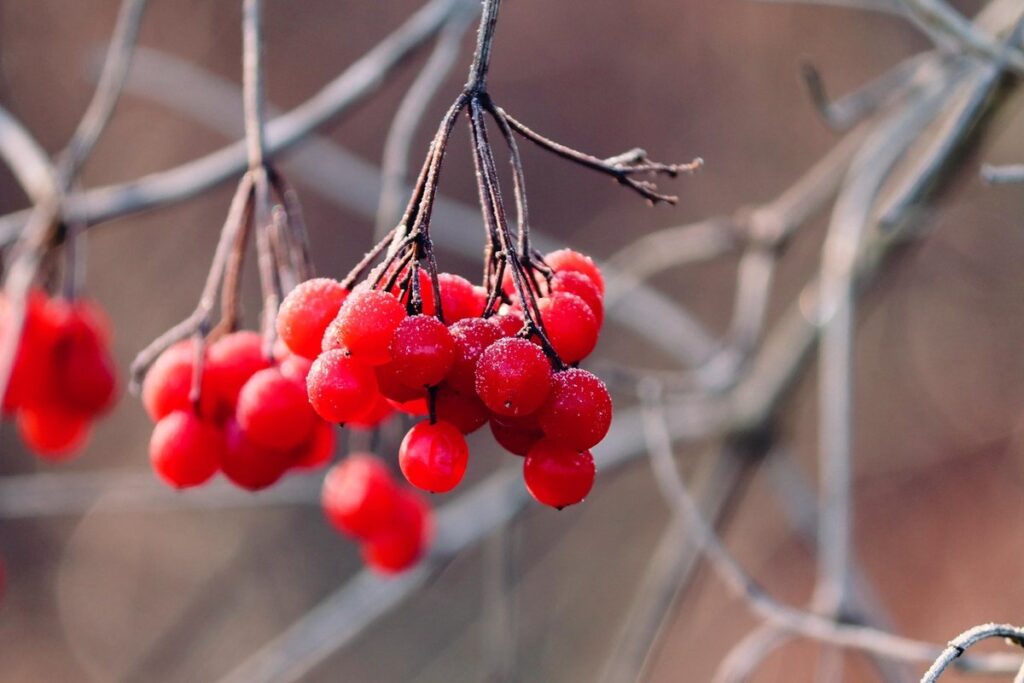
One of the biggest advantages of using hedge plants with berries is the added visual appeal and functionality they bring to your garden. They also attract wildlife, making them a great choice for nature lovers.
Attracting Wildlife
Hedge plants with berries are not just aesthetically pleasing; they also provide a vital source of food and shelter for various wildlife species. When it comes to attracting birds, shrubs like pyracantha, hawthorn, and yew are excellent choices. These plants produce berries that are rich in nutrients and are perfect for feeding young birds during the breeding season. In fact, according to a study by the Royal Society for the Protection of Birds (RSPB), pyracantha berries are particularly favored by robins and blue tits.
In addition to providing food, hedge plants with berries also offer shelter and protection from harsh weather conditions. The dense foliage of these plants creates a haven for small mammals like rabbits and hares, which can seek refuge in the undergrowth during extreme temperatures or predator threats. To maximize the benefits of your berry-producing hedge, make sure to plant a variety of species that provide food throughout the year. This will attract a diverse range of wildlife to your garden and create a thriving ecosystem.
Aesthetic Appeal
A berry-producing hedge is not only a great way to add structure and definition to your landscape, but it’s also a fantastic decorative element that provides year-round visual interest. As the seasons change, the colors and textures of the berries shift, keeping your hedge looking vibrant and dynamic.
In spring, hedges like the Pyracantha or Berberis produce clusters of small white flowers that attract pollinators and add a delicate touch to your garden. Summer brings a burst of color as the fruits ripen and turn from green to red, purple, or yellow, depending on the species. In autumn, the berries persist on the branches, creating a striking backdrop for fall foliage. Even in winter, many berry-producing hedges retain some of their leaves or have attractive bark, providing a subtle yet elegant touch to your landscape.
To make the most of your berry hedge’s aesthetic appeal, consider selecting species with varying berry colors and sizes, as well as different textures, like smooth or thorny branches. This will create a visually engaging display that adds depth and interest to your garden throughout the seasons.
Environmental Benefits
When you incorporate berry-producing hedges into your landscape design, they play a vital role in supporting local ecosystems and biodiversity. These shrubs and trees offer a haven for various bird species to nest, feed, and thrive, ultimately contributing to the rich tapestry of wildlife that inhabits our surroundings.
The benefits extend beyond just providing sustenance for birds; berry-producing hedges also serve as an essential food source for other creatures like bats, squirrels, and hedgehogs. These animals rely on berries as a vital component of their diets, especially during periods of scarcity or harsh weather conditions.
By planting berry-producing hedges, you can make a significant contribution to preserving biodiversity in your area. To maximize the benefits, consider incorporating a variety of species that produce berries at different times of the year, ensuring a constant food source for local wildlife. This approach also allows you to enjoy the vibrant display of colors and textures throughout the seasons.
By choosing the right berry-producing hedge for your climate and soil type, you can create a thriving ecosystem in your garden, supporting the delicate balance of nature while adding beauty and functionality to your outdoor space.
Types of Hedge Plants with Berries
Whether you’re looking for a hedge that attracts birds, adds color to your landscape, or produces delicious fruit, we’ll explore several types of berry-producing shrubs and trees. From compact species to larger varieties, there’s something for every garden.
Evergreen Options
When it comes to creating a hedge that provides interest and beauty throughout the year, evergreen options are an excellent choice. These plants not only retain their foliage during winter but also produce berries for most of the year, adding an extra layer of visual appeal.
Some popular examples of evergreen hedge plants with berries include holly (Ilex spp.), laurel (Laurus nobilis), and yew (Taxus baccata). Holly, in particular, is known for its bright red berries that persist through winter, while laurel produces blue or purple berries from summer to autumn. Yew, on the other hand, has red berries that remain on the plant throughout the year.
When choosing an evergreen hedge with berries, consider factors such as mature size, growth rate, and maintenance requirements. For example, English yew (Taxus baccata) is a slower-growing option that requires regular pruning to maintain its shape, while Portuguese laurel (Prunus lusitanica) grows quickly but can be more challenging to prune.
To make the most of your evergreen hedge with berries, remember to provide regular watering and fertilization. Prune your plants annually to encourage new growth and prevent them from becoming leggy. With proper care, these beautiful plants will thrive for years to come, providing a stunning display of berries throughout the seasons.
Deciduous Options
Deciduous hedge plants offer a unique combination of beauty and functionality. Among these options, dogwood (Cornus spp.) and pyracantha (Pyracantha spp.) stand out for their stunning fall displays and edible berries.
Dogwoods produce showy white or pink flowers in the spring, which are followed by clusters of small, white or blue berries in the fall. These berries attract birds and other wildlife, making them a great choice for gardeners who want to support local ecosystems. Pyracantha, on the other hand, produces bright red or yellow berries that persist well into winter, providing a pop of color during the colder months.
When choosing deciduous hedge plants with berries, consider factors such as mature size, growth rate, and maintenance requirements. Dogwoods typically grow 10-20 feet tall, while pyracantha can reach heights of up to 15 feet. Regular pruning is essential for both species, especially after they finish producing berries in the fall.
By selecting deciduous hedge plants with berries like dogwood or pyracantha, you’ll not only add beauty and interest to your garden but also provide a valuable source of food for local wildlife. With proper care and attention, these shrubs will thrive and reward you with vibrant displays of color and delicious berries for years to come.
Choosing the Right Hedge Plant for Your Needs
When it comes to selecting a hedge plant that produces berries, there are many factors to consider, including size, climate tolerance, and maintenance requirements. Let’s explore these key considerations together.
Climate Considerations
When selecting berry-producing hedges, climate conditions play a crucial role. Different climates pose unique challenges for plant growth and berry production. If you live in hot climates, look for shrubs that are heat-tolerant and drought-resistant. Examples of heat-tolerant hedging options include the Cistus (Cistus ladanifer) and the Rosemary-leafed Lavender (Lavandula dentata). These plants thrive in temperatures above 65°F (18°C) and require minimal watering.
For cold climates, opt for shrubs that can tolerate frost and snow. The Cranberry (Vaccinium macrocarpon) and the Holly Berry Bush (Ilex aquifolium) are excellent choices for areas with harsh winters. When planting in wet conditions, choose species that prefer moist soil, such as the Elderberry (Sambucus nigra) or the Guelder Rose (Viburnum opulus). Regularly inspect your hedge plants and prune them accordingly to ensure optimal growth and berry production, regardless of climate. Be sure to research specific care requirements for your chosen shrub to guarantee success in your local environment.
Space and Maintenance Requirements
When choosing berry-producing shrubs and trees for your hedge, it’s essential to consider their space requirements. Some plants, like the compact Blueberry (Vaccinium corymbosum) shrub, can thrive in smaller spaces as long as they receive adequate sunlight (at least 6 hours a day). On the other hand, larger plants such as the Currant (Ribes spp.) bush or the Gooseberry (Ribes uva-crispa) tree may require more space to grow and spread out.
In terms of maintenance needs, berry-producing hedges typically require regular pruning to promote healthy growth, encourage fruit production, and maintain their desired shape. This includes removing dead, diseased, or damaged branches and trimming back overgrown areas. Regular watering and fertilization are also crucial for optimal growth and berry production. For example, some berry plants may benefit from mulching around the base of the plant to retain moisture and suppress weeds.
Regular monitoring is essential to ensure your hedge remains healthy and productive. Inspect your plants regularly for signs of pests or diseases, such as aphids, spider mites, or fungal infections, and take prompt action if you notice any issues. With proper care and attention, a berry-producing hedge can provide years of enjoyment, beauty, and delicious fruit.
Caring for Berry-Producing Hedges
Now that you have your berry-producing hedge planted, it’s time to learn how to give it the TLC it needs to thrive and produce an abundance of delicious fruit. Proper care is essential for a healthy and productive hedge.
Watering and Fertilization
When it comes to caring for berry-producing hedges, proper watering and fertilization are crucial for optimal growth and fruit production. The frequency of watering depends on the climate and soil type of your hedge. As a general rule, water your berries regularly during their first year of growth, then reduce watering as they mature. Aim to provide about 1 inch of water per week, either through rain or irrigation.
Choose a fertilizer that is specifically designed for acid-loving plants like blueberries and rhododendrons. These fertilizers will have an acidic pH and contain essential micronutrients such as iron and magnesium. You can also use compost tea or well-rotted manure to provide beneficial microbes and nutrients to your berry-producing hedges.
Avoid over-fertilizing, which can damage the plants and lead to environmental problems. Instead, follow the recommended application rates on the fertilizer packaging and take soil tests regularly to ensure you’re not over-supplying your hedge with nutrients. By providing adequate water and nutrients, you’ll be well on your way to growing a thriving and productive berry-producing hedge.
Pruning Techniques
Pruning is an essential aspect of caring for berry-producing hedges. Regular pruning helps maintain the shape and structure of the hedge, promoting healthy growth and maximizing productivity. When it comes to berry-producing shrubs and trees, pruning techniques are crucial to ensure a bountiful harvest.
There are several pruning techniques you can use, depending on the type of plant and its age. For young plants, tip-pruning is effective in shaping the hedge and encouraging bushy growth. This involves cutting back the longest stems by about one-third to promote branching and prevent the plant from becoming leggy. As the plant matures, you can switch to regular pruning, removing any dead or damaged branches and thinning out the center of the hedge to allow air and light to penetrate.
Some plants, like raspberries and blackberries, require more extensive pruning to promote fruiting wood. This involves cutting back canes to the ground after they’ve finished producing fruit, which encourages new growth and ensures a healthy harvest for years to come. By incorporating these pruning techniques into your routine, you’ll be able to enjoy a lush, productive berry-producing hedge that brings beauty and flavor to your garden.
Common Problems and Pests Affecting Berry-Producing Hedges
One of the biggest challenges of growing berry-producing hedges is dealing with the common problems and pests that can affect their health and productivity. We’ll explore these issues in more detail below.
Diseases and Pests
Hedge plants with berries are susceptible to various diseases and pests that can impact their growth and productivity. Root rot is a common issue affecting many berry-producing shrubs, particularly those grown in waterlogged conditions. This fungal disease causes roots to decay, leading to stunted growth and reduced fruiting.
Aphids and spider mites are two other prevalent pests that target berry hedges. Aphids feed on plant sap, weakening the hedge and causing curled or distorted leaves. Spider mites, on the other hand, suck sap from the undersides of leaves, creating a fine web-like structure. To control these pests, inspect your hedge regularly for signs of infestation and use neem oil or insecticidal soap to control populations.
It’s also essential to maintain good hygiene practices when handling your berry hedge, washing your tools and pruning equipment after each use. This helps prevent the spread of diseases like root rot. Regularly monitoring your hedge and taking prompt action against any issues will help ensure a healthy and productive berry-producing hedge.
Prevention and Control Measures
Proper care, sanitation, and integrated pest management are crucial for preventing and controlling common problems and pests affecting berry-producing hedges. Regular inspection of your hedge is essential to catch potential issues early on. Look out for signs of infestation, such as unusual growth patterns, discolored leaves, or actual insects. If you notice any of these symptoms, take action immediately by spraying the affected area with a targeted pesticide.
To prevent pest infestations, ensure good air circulation around your hedge to reduce moisture buildup and create an environment less conducive to pests. Mulch around the base helps retain moisture in the soil but can also attract slugs and snails. Remove weeds that compete for water and nutrients, which can weaken your berry-producing plants.
Practice integrated pest management by combining techniques such as crop rotation, biological control, and cultural controls. This multi-faceted approach minimizes harm to beneficial insects while protecting your berries from pests. For instance, introducing natural predators of the pest species or using physical barriers to prevent damage are effective ways to manage infestations without harming the environment.
It’s also vital to maintain a clean garden by removing any debris that may harbor pests. Dispose of weeds and dead plant material promptly to reduce the risk of disease spreading through your berry-producing hedge. By following these simple tips, you can enjoy a thriving and pest-free berry-producing hedge all season long.
Using Berry-Producing Hedges in Landscape Design
When choosing a berry-producing hedge for your garden, consider incorporating shrubs and trees that not only provide berries but also offer attractive foliage. This mix of benefits can enhance your landscape’s visual appeal.
Incorporating into Garden Designs
When it comes to incorporating berry-producing hedges into garden designs, there are countless possibilities to consider. For instance, a cottage garden is an ideal setting for a mix of edible and ornamental plants like strawberry guava hedges or blueberry bushes. These plants not only add vibrant colors but also provide a bounty of fresh berries right at your doorstep.
For more modern landscapes, consider using compact berry-producing shrubs like dwarf cherry trees or boxwood-blueberry hybrids. These compact growth habits make them perfect for smaller spaces and can be pruned to maintain neat and tidy appearances that complement contemporary architectural styles.
When selecting a spot for your berry-producing hedge, remember to choose an area with sufficient sunlight and well-draining soil. This will ensure the plants receive the necessary nutrients and water to produce bountiful harvests. With some careful planning and placement, your berry-producing hedges can add beauty and functionality to any garden design.
Combining with Other Plants
When it comes to incorporating berry-producing hedges into your landscape design, one of the most effective ways to create a stunning and dynamic display is by combining them with other plants that share similar growing conditions or visual appeal. This approach not only adds variety to your garden but also enhances the overall aesthetic value.
Consider pairing a fragrant, flowering hedge like Lavender with a berry-producing shrub like Winterberry Holly (Ilex verticillata). Not only do these plants thrive in similar soil types and sunlight requirements, but their contrasting colors and textures create a visually appealing contrast. For example, while the vibrant red berries of Winterberry Holly add a pop of color to your landscape during winter months, the delicate purple blooms of Lavender provide a soothing backdrop in spring.
Another option is to combine a low-maintenance groundcover like Creeping Thyme (Thymus serpyllum) with a berry-producing shrub like Currant (Ribes spp.). Both plants have similar growing requirements and can thrive in areas with poor soil, making them an ideal combination for areas where heavy foot traffic may be a concern.
Frequently Asked Questions
Can I grow berry-producing hedges in containers or do they require a lot of space?
You can grow berry-producing hedges in containers, but make sure to choose compact or dwarf varieties that are specifically bred for container growing. This will help ensure the hedge stays manageable and doesn’t outgrow its pot.
What’s the best time to prune my berry-producing hedge for optimal growth and fruit production?
Prune your berry-producing hedge during its dormant season (winter or early spring), removing any dead, diseased, or damaged branches. This allows the plant to direct energy towards new growth and fruiting. Be sure to also thin out select branches to improve air circulation and promote healthy fruiting.
Can I grow berry-producing hedges in areas with poor soil conditions?
Yes, many berry-producing hedge plants are tolerant of a wide range of soils, including those that are heavy clay or sandy. However, some species may require more acidic or alkaline conditions, so be sure to research the specific needs of your chosen plant.
How often should I water and fertilize my berry-producing hedge?
Water your berry-producing hedge regularly during its first year after planting, then reduce watering as needed based on weather conditions. Fertilize annually with a balanced fertilizer (e.g., 10-10-10 NPK), following the manufacturer’s instructions for application rates.
Can I grow berry-producing hedges that are both evergreen and deciduous?
Yes, you can grow hedge plants that offer both year-round foliage (evergreen) and seasonal color change (deciduous). For example, yew is an evergreen option that produces red berries in autumn, while hawthorn is a deciduous shrub with white flowers and red berries.