
Deer can be a real nuisance in gardens, leaving behind damage to plants and flowers. If you’re tired of losing your prized shrubs and trees to these pesky critters, it’s time to consider deer-resistant hedge plants for your garden. Not only do they protect your landscape from unwanted munching, but they also provide year-round beauty with their vibrant foliage and colorful blooms.
In this article, we’ll take a closer look at the best deer-resistant hedge plants that are perfect for any garden setting. We’ll cover how to choose the right plants for your needs, including factors like climate, soil type, and available space. Plus, we’ll share expert advice on care and maintenance tips to keep your new hedges thriving and looking their best – all while keeping those deer at bay!
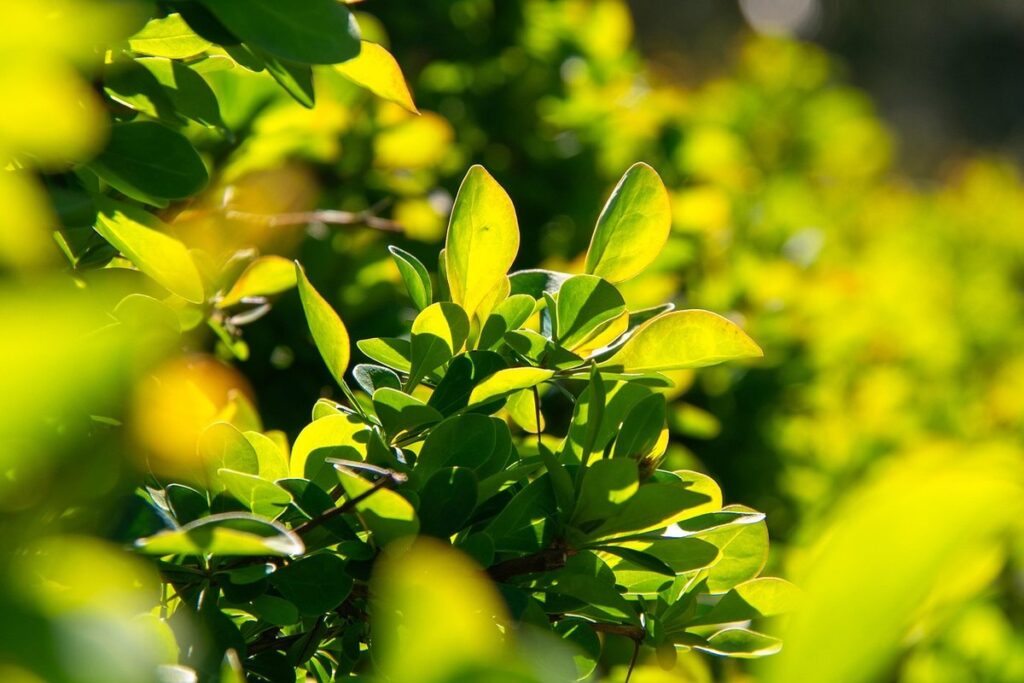
Choosing the Right Deer-Resistant Plants
When selecting deer-resistant plants for your hedge, it’s essential to consider the specific needs of your garden and the types of wildlife that frequent the area. We’ll help you make an informed decision in this section.
Selecting Native Species
When it comes to creating an effective deer-resistant hedge, selecting native plant species can be a game-changer. Native plants have evolved alongside local wildlife over thousands of years, and as a result, they’ve developed unique defense mechanisms that make them unappealing to deer.
In many parts of North America, for example, white clover (Trifolium repens) is a native plant that’s completely ignored by deer. This low-growing legume forms a dense mat that’s difficult for deer to browse through. By incorporating white clover into your hedge, you can create a nearly impenetrable barrier against these pesky critters.
Other benefits of choosing native plants include reduced maintenance and lower water requirements. Native species are also more resistant to local pests and diseases, which means fewer chemicals and pesticides will be needed to keep them healthy. This not only saves you money but also contributes to a healthier ecosystem.
When selecting native plant species for your deer-resistant hedge, look for plants that are naturally repellant to deer in your region. Research local nurseries or gardening clubs to get recommendations on the best native options for your area.
Understanding Deer Behavior
Understanding deer behavior is crucial when selecting hedge plants that can withstand their grazing. Deer are attracted to plants with nutritional value, and their feeding habits often prioritize food sources rich in protein, fiber, and minerals. These preferences lead them to target specific plant species, especially those with tender shoots, leaves, or fruits.
When choosing deer-resistant hedge plants, consider the availability of alternative food sources in your area. If nearby forests or fields offer an abundance of forage, deer may be less likely to focus on your garden. Conversely, if they’re forced to rely on nearby plant life due to environmental factors, they’ll seek out alternative options.
In addition to food sources, deer also require access to water and shelter. A nearby pond or stream can make a hedge more vulnerable to deer grazing. Similarly, dense vegetation or overgrown areas provide ideal cover for deer during hunting seasons or when seeking refuge from harsh weather conditions. By understanding these factors, you can select plants that are less appealing to deer and better protected against their grazing habits.
Considerations for Climate and Soil
When choosing deer-resistant hedge plants, it’s essential to consider climate and soil conditions. Deer behavior can vary depending on the region and season, making some plants more resistant than others in certain environments.
In areas with hot summers and mild winters, such as zones 9-11, plants like Texas Sage (Leucophyllum frutescens) and Mexican Buckeye (Ungnadia speciosa) thrive. These shrubs are naturally deer-resistant due to their bitter taste and ability to repel white-tailed deer.
In contrast, regions with cold winters and short growing seasons, like zones 3-5, require more hardy plants. Boxwood (Buxus sempervirens) and Holly (Ilex spp.) are excellent choices for these areas, as they can withstand harsh weather conditions and remain unappealing to deer.
When evaluating soil conditions, remember that deer tend to prefer areas with rich, fertile soil. Plants growing in poorer soils, like sand or rocky terrain, may be less attractive to deer. Consider the specific requirements of your chosen plants and ensure they’re well-suited to your climate and soil type.
Top Deer-Resistant Hedge Plants
If you’re tired of seeing your beautiful hedge torn apart by deer, look no further for solutions. Here are our top picks for deer-resistant hedge plants that will save your garden.
Broadleaf Evergreen Hedges
If you’re looking for broadleaf evergreen hedge options that can withstand deer grazing, there are several popular choices to consider. One of the most well-known is Holly (Ilex spp.), a dense and glossy-leaved hedge plant that’s particularly effective at deterring deer due to its prickly leaves. With over 400 species within this genus, you’ll find numerous varieties to suit your garden’s specific climate and requirements.
Another option is Boxwood (Buxus spp.), which boasts small, rounded leaves and a compact growth habit. While not as prickly as Holly, Boxwood’s dense foliage makes it less appealing to deer, thereby reducing the likelihood of damage. However, do note that Boxwood can be more high-maintenance than other hedge options, requiring regular pruning to maintain its desired shape.
When planting these species, keep in mind that their growth habits will impact their overall effectiveness as a deer-resistant barrier. Holly and Boxwood both respond well to regular watering and fertilization, which will promote healthy growth and further deter deer from the area.
Coniferous Hedge Options
If you’re looking for coniferous hedge options that can withstand deer damage, you’ll want to consider plants like Arborvitae (Thuja occidentalis) and Colorado Blue Spruce (Picea pungens). These evergreen trees are a great choice for creating a natural barrier against deer.
Arborvitae is one of the most popular coniferous hedges when it comes to deer resistance. It’s easy to maintain, tolerates drought well, and can thrive in a variety of soil types. Deer tend to dislike its foliage, which makes it an excellent option for protecting your garden from their grazing.
Colorado Blue Spruce is another great choice for deer-resistant coniferous hedges. Its dense foliage provides excellent coverage, making it difficult for deer to penetrate. Plus, it’s relatively low maintenance and can handle harsh weather conditions.
When planting a coniferous hedge, remember to plant multiple trees close together (about 3-6 feet apart) to create a solid barrier against deer. Water them regularly during their first year of growth, and prune them annually to maintain shape and promote healthy growth.
Flowering Shrub Hedges
When it comes to flowering shrub hedges that can withstand deer grazing, there are several options worth considering. Roses (Rosa spp.) and Lavender (Lavandula spp.) are two popular choices that not only provide a beautiful display of blooms but also possess natural properties that deter deer.
Roses are known for their thorny stems, which make them unappealing to deer. Their strong scent and bitter taste also play a role in deterring these unwanted visitors. With over 150 different species to choose from, you can select a rose variety that suits your climate and landscape preferences. For example, the ‘Knock Out’ series of roses is known for its low maintenance and disease resistance.
Lavender, on the other hand, has a pungent aroma that repels deer. This fragrant shrub also requires regular pruning to maintain its shape and promote new growth. Consider planting English Lavender (Lavandula angustifolia) or Sweet Lavender (Lavandula latifolia), both of which are deer-resistant and relatively low-maintenance.
When planting a flowering shrub hedge, be sure to choose varieties that suit your climate and soil type. Also, consider incorporating multiple plant species to create a diverse and resilient landscape that can withstand deer grazing. By selecting the right combination of plants and providing proper care, you can enjoy a beautiful and deer-resistant hedge for years to come.
Plant Care and Maintenance
To keep your deer-resistant hedges thriving, proper care and maintenance are essential – let’s dive into the dos and don’ts of hedge plant upkeep.
Pruning and Trimming
Proper pruning and trimming are essential for maintaining a healthy and deer-resistant hedge. Regular maintenance not only keeps your hedge looking its best but also helps to prevent damage from hungry deer. To start, determine the type of hedge you have and research the recommended pruning schedule. Some hedges, like boxwood or yew, require regular shearing to maintain their shape and size.
When pruning, always use sharp tools to prevent tearing the plant’s tissue, which can make it more susceptible to disease and pests. Remove any dead or diseased branches, cutting them at a 45-degree angle to promote healthy growth. For larger hedges, consider using a hedge trimmer with a long reach to avoid having to climb ladders.
It’s also crucial to prune your deer-resistant hedge during the right time of year. Typically, late winter to early spring is the best time for heavy pruning, as this allows the plant to focus its energy on new growth. By incorporating regular pruning and trimming into your maintenance routine, you’ll be rewarded with a lush, thriving hedge that remains unappealing to deer.
Watering and Fertilization
When it comes to watering and fertilizing your deer-resistant hedge plants, it’s essential to strike the right balance. Overwatering is a common mistake that can lead to root rot, fungal diseases, and even attract more deer to your yard. To avoid this, start by checking the soil moisture regularly. Stick your finger into the soil up to the first knuckle, and if it feels dry, it’s time to water.
The ideal watering schedule for your hedge plants will depend on factors like climate, soil type, and plant species. As a general rule of thumb, aim to provide about 1-2 inches of water per week, either from rainfall or irrigation. Be cautious not to overdo it – too much water can be just as detrimental as too little.
When it comes to fertilization, choose a balanced, slow-release fertilizer that’s specifically designed for hedges and shrubs. Avoid using high-nitrogen fertilizers, which can promote leaf growth at the expense of flower production or root development. Instead, opt for a formula with equal parts nitrogen, phosphorus, and potassium (NPK) to support overall plant health.
Troubleshooting Common Issues
If you’re experiencing problems with deer damaging your hedge, don’t worry – we’ve got you covered. This section addresses common issues and offers practical solutions to get your hedge thriving again.
Deer Damage Repair
Repairing deer damage to hedges can be a time-consuming and costly process. However, with the right techniques and precautions, you can restore your hedge’s appearance and prevent further damage. When repairing damaged plants, start by assessing the extent of the damage and identifying the type of damage caused by the deer.
For minor damage, prune affected areas using sharp, clean pruning tools to minimize the risk of spreading disease. For more extensive damage, consider replanting with new, deer-resistant plants or taking steps to prevent further damage. To prevent deer from returning to your hedge, consider using fencing materials such as mesh or netting to block their access.
In addition to repairing individual plants, take a step back and evaluate the overall design of your hedge. Consider incorporating more robust, deer-resistant species that can withstand repeated browsing by deer. This proactive approach can save you time and money in the long run.
Pests and Diseases
Deer-resistant hedges can still be susceptible to pests and diseases, which is why it’s essential to monitor their health closely. One of the most common pests affecting these plants is the spider mite, a tiny insect that feeds on plant sap and causes yellowing or bronzing leaves. To identify an infestation, look for fine webbing on the undersides of leaves or stems. If you suspect spider mites, treat your hedge with neem oil or insecticidal soap.
Other pests to watch out for include scale insects, which secrete a sticky substance called honeydew that attracts ants and promotes fungal growth. Deer-resistant hedges are also prone to diseases like powdery mildew, which appears as a white dust on leaves, and root rot, caused by overwatering or poor drainage.
To prevent pests and diseases from taking hold, inspect your hedge regularly for signs of damage or stress. Remove any affected foliage or stems to prevent the problem from spreading. Keep your hedge healthy through proper watering and fertilization practices.
Conclusion: Creating a Deer-Resistant Hedge
Creating a deer-resistant hedge requires careful planning and selection of plants that are less appealing to these persistent visitors. By combining multiple plant species, using repellents, and maintaining a healthy hedge through regular pruning, you can create an effective barrier against deer damage. Remember to also consider the mature size of your chosen plants and ensure they will not outgrow their space. Also, don’t forget to take into account the local climate and soil conditions when selecting your deer-resistant hedge plants. With attention to these details, you’ll be well on your way to creating a beautiful and low-maintenance hedge that keeps deer at bay. This comprehensive approach is key to successfully deterring deer from your garden.
Frequently Asked Questions
Can I mix different types of deer-resistant plants to create a diverse hedge?
You can definitely combine various deer-resistant plants to create a diverse and visually appealing hedge. In fact, mixing native species with other deer-resistant options can help prevent deer from getting accustomed to the same plants year after year. Just be sure to consider the mature size, growth rate, and sunlight requirements of each plant when selecting and planting multiple species.
How do I know if my soil is suitable for deer-resistant hedge plants?
Check your soil’s pH level, nutrient content, and drainage to determine its suitability for deer-resistant plants. Most native species prefer well-draining soil with a slightly acidic to neutral pH (around 6.0-7.0). Consider getting a soil test kit or consulting with a local nursery expert to ensure you’re providing the best conditions for your new hedge.
Are there any deer-resistant hedge plants that can tolerate shade?
Yes, many deer-resistant options can thrive in shaded areas! For example, yew (Taxus spp.), holly (Ilex spp.), and rhododendron (Rhododendron spp.) are all excellent choices for shaded spots. When selecting plants for a shaded area, focus on those with dense foliage or berries that deer find unappealing.
How often should I water my deer-resistant hedge plants?
Water your new hedge plants regularly during their first growing season, but avoid overwatering, which can make them more susceptible to disease and pests. Aim to provide about 1 inch of water per week, either through rainfall or supplemental irrigation. As the plants mature, they’ll become more drought-tolerant.
Can I plant deer-resistant hedge plants in containers?
While some deer-resistant plants can thrive in containers, it’s essential to choose varieties that are specifically adapted for container growing. Consider using large pots (at least 14-16 inches deep) with good drainage and a well-draining potting mix. Native species like lavender (Lavandula spp.) and rosemary (Rosmarinus officinalis) can do well in containers, but be sure to provide adequate sunlight and water.