
Are you tired of searching for the perfect hedge plant that can keep up with your garden’s needs? Look no further! Fast growing hedge plants are the solution to many common gardening problems, from erosion control and noise reduction to adding beauty to your landscape. But not all fast growing hedges are created equal – some thrive in hot climates, while others prefer cooler temperatures. In this article, we’ll guide you through the best fast growing hedge plants that can adapt to various environments, so you can find the perfect fit for your garden. Whether you’re a seasoned gardener or just starting out, we’ll cover everything from choosing the right plant to providing optimal care and maintenance. Get ready to discover the ultimate selection of fast growing hedge plants!
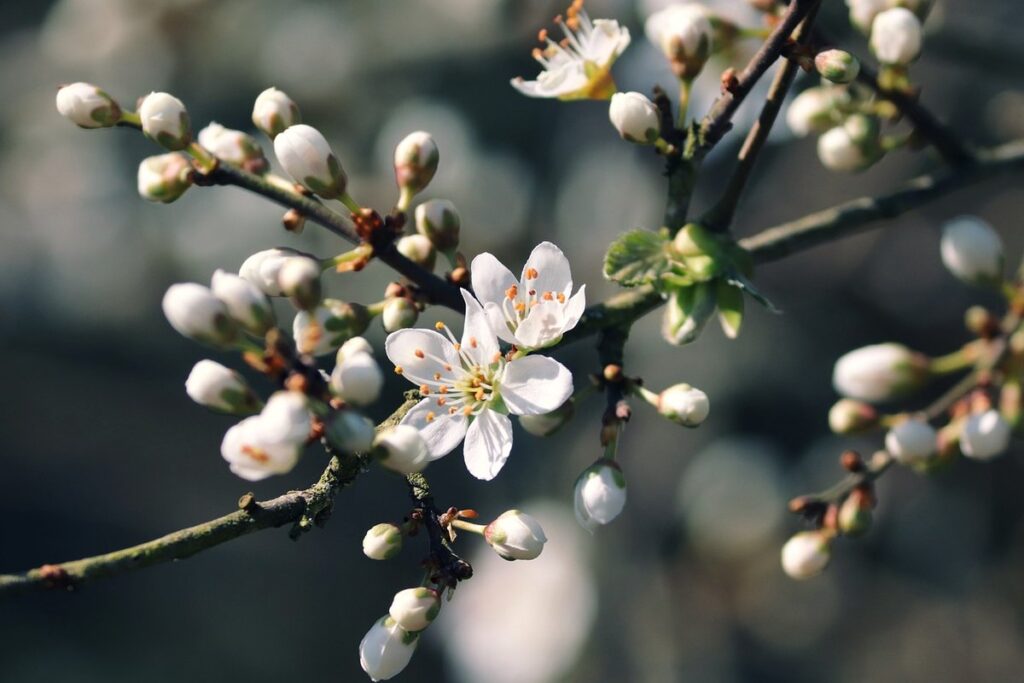
Choosing the Right Hedge Plant
When it comes to selecting a hedge plant, you’ll want to consider factors like growth rate, maintenance needs, and ultimate size to ensure your chosen plants thrive in their new home.
Factors to Consider
When choosing fast-growing hedge plants, it’s essential to consider several key factors. First and foremost, think about your local climate. Some hedges thrive in full sun, while others prefer partial shade. For example, if you live in a hot and dry region, consider using heat-tolerant plants like Texas Sage or Oleander. On the other hand, if you’re in a cooler and more temperate area, choose plants like Boxwood or Privet.
Soil type is another critical consideration. Some hedges prefer well-drained soil, while others can tolerate moist conditions. If your soil tends to be heavy clay or prone to waterlogging, look for plants that can handle these conditions, such as Blackthorn or Holly. Additionally, think about maintenance requirements. Do you want a low-maintenance hedge that requires minimal pruning and care? Or are you willing to commit time and effort to regular upkeep?
Ultimately, the right fast-growing hedge plant will depend on your specific needs and circumstances. By considering climate, soil type, and maintenance requirements, you can choose a plant that not only grows quickly but also thrives in its environment.
Popular Fast-Growing Hedge Options
When it comes to fast-growing hedge options, there are several popular choices that can thrive in various environments. For those who prefer a more formal look, topiaries are an excellent option. These sculpted shrubs can be pruned into intricate shapes and designs, making them perfect for decorative purposes.
Some of the most popular fast-growing topiary options include boxwood, yew, and holly. Boxwood, in particular, is known for its ability to grow up to 3 feet per year, making it an ideal choice for those who want a quick hedge solution. Another option is shrubs like lavender and rosemary, which not only provide a natural barrier but also offer beautiful blooms.
For those with more space, trees can be an excellent fast-growing hedge option. Fast-growing tree species include cypress, willow, and poplar. These trees can grow up to 4 feet per year and provide both shade and a natural boundary. When choosing a fast-growing hedge plant, remember to consider factors like climate, soil type, and maintenance requirements to ensure the best results for your specific environment.
Plant Selection Criteria
When choosing a fast-growing hedge plant, it’s essential to consider factors that ensure its success and compatibility with your yard. Let’s break down the key selection criteria you should keep in mind.
Climate Resistance
When selecting fast-growing hedge plants, it’s essential to consider their climate resistance. This is because even the hardiest of plants can struggle to thrive if they’re exposed to extreme temperatures or weather conditions.
To identify plants suitable for different temperature ranges and weather conditions, look for species that are native to your region or have a similar climate profile. For example, if you live in an area with hot summers and mild winters, consider plants like the ‘Meyer’ Lemon tree or the Italian Cypress, which can tolerate temperatures up to 90°F (32°C) and as low as 20°F (-7°C).
When evaluating climate resistance, also pay attention to factors such as wind tolerance, soil type, and moisture levels. For instance, if you live in a windy area, choose plants with flexible stems like the Willow or Weeping Cedar, which can withstand strong gusts.
Ultimately, selecting hedge plants that are resistant to your local climate will ensure they grow robustly and require minimal maintenance. By considering these factors, you’ll be able to create a stunning and resilient hedge that thrives in even the most challenging conditions.
Drought Tolerance
When selecting fast-growing hedge plants, it’s essential to consider their drought tolerance. This is particularly crucial for regions prone to water scarcity or unpredictable rainfall patterns. A hedge that can withstand dry spells without compromising its growth rate is not only more resilient but also requires less maintenance.
Plants like Boxwood (Buxus sempervirens) and Holly (Ilex aquifolium) are excellent examples of drought-tolerant fast-growing hedges. These species can thrive in areas with minimal watering, making them ideal for regions with water restrictions or dry climates. For instance, a study found that Boxwood plants grown in well-draining soil required only 10-15% less water than those in poorly draining soil.
To incorporate drought-tolerant fast-growing hedges into your landscape design, consider the following tips: plant species that are native to your region, ensure proper soil drainage, and implement a mulching or composting program to retain moisture. By choosing plants with inherent drought tolerance, you can enjoy the benefits of a lush, thriving hedge while minimizing its environmental impact.
Hedge Plant Care
To keep your fast-growing hedge thriving, you’ll need to know how to properly care for it. This includes watering, pruning, and fertilizing techniques that bring out its full potential.
Watering and Irrigation
When it comes to watering and irrigation for fast-growing hedge plants, getting it right is crucial for their health and growth. Over-watering can lead to root rot, while under-watering can cause stress and slow down development. So, how often should you water your fast-growing hedges?
As a general rule of thumb, aim to provide about 1-2 gallons of water per square foot of hedge area per week. This may seem like a lot, but consider the rapid growth rate of these plants. Watering too infrequently can lead to brown tips and yellowing leaves.
Timing is also essential. For most fast-growing hedges, it’s best to water during the cooler parts of the day, such as early morning or late evening. This allows the plants to absorb moisture without suffering from intense sun exposure. Be sure to avoid overwatering in winter months when growth slows down. Monitor your hedge’s specific needs and adjust watering schedules accordingly.
Pruning and Maintenance
Regular pruning and maintenance are crucial for fast-growing hedges to promote healthy growth and shape. Without regular attention, these plants can become unruly and unsightly, making it difficult to achieve the desired aesthetic. Pruning helps maintain a hedge’s size, shape, and density, while also promoting new growth.
To prune effectively, start by removing any dead or damaged branches in the winter months when the plant is dormant. This will prevent the spread of disease and encourage healthy new growth. In the growing season, focus on maintaining the desired shape and size of your hedge through regular trimming.
It’s essential to prune fast-growing hedges at least twice a year, in spring and summer, using sharp, clean tools to prevent damage to the plant. Remove no more than one-third of the foliage at any one time to avoid shocking the plant. By incorporating pruning into your regular maintenance routine, you’ll be able to enjoy a healthy, thriving hedge that adds beauty and value to your garden or landscape.
Fast-Growing Hedge Types by Location
Whether you’re looking for a hedge that thrives in scorching sun or one that tolerates shade, this section highlights top picks for fast-growing hedges by location. We’ll explore what works best where you live.
Northern Hemisphere Options
For gardeners residing in the Northern Hemisphere’s cooler climates, selecting fast-growing hedge plants that thrive in these conditions is crucial. Consider incorporating conifers into your landscape design. Species like Colorado Blue Spruce (Picea pungens) and Arborvitae (Thuja occidentalis) are exceptional choices for their ability to grow quickly while tolerating cold temperatures.
Deciduous shrubs also excel in cooler climates, providing a dynamic display of color throughout the seasons. Select varieties such as Redbud (Cercis canadensis), which boasts vibrant pink flowers in spring, or Dogwood (Cornus florida) with its stunning white blooms. Both options offer rapid growth rates and adapt well to various soil types.
When planting fast-growing hedges in cooler climates, ensure optimal growing conditions by providing adequate sunlight, water, and nutrients. Regular pruning will also help maintain a neat appearance while promoting continued growth. By incorporating these species into your landscape, you’ll enjoy the benefits of a thriving, rapidly expanding hedge that flourishes in the cooler temperatures of the Northern Hemisphere.
Southern Hemisphere Options
If you’re looking to create a stunning and low-maintenance hedge for your Southern Hemisphere garden, you’ll want to focus on plants that thrive in warmer climates. Look no further than tropical plants like Bamboo Palmetto (Sabal minor) or the ever-popular Bougainvillea (Bougainvillea spp.). These options are not only fast-growing but also perfect for regions with high temperatures and humidity.
Native species like Westringia (Westringia fruticosa) and Callistemon (Callistemon citrinus) are also excellent choices. They’re incredibly resilient, requiring minimal care and maintenance while still providing a lush, green barrier around your property.
When selecting tropical plants for your Southern Hemisphere garden, consider the specific climate conditions in your area. Some plants may require more frequent watering or pruning to prevent damage from intense sunlight or strong winds.
By choosing the right plant for your region, you can enjoy a beautiful and thriving hedge that not only adds visual appeal but also helps protect your property from harsh weather conditions.
Environmental Benefits
Not only do fast growing hedge plants provide a quick solution for landscaping, but they also offer numerous environmental benefits that you’ll love learning about next. Let’s dive into these advantages!
Erosion Control
When it comes to protecting our environment, controlling soil erosion is a crucial aspect. Fast-growing hedges can play a significant role in this effort, particularly on slopes or embankments where landslides are more likely to occur.
One of the primary benefits of fast-growing hedges for erosion control is their ability to stabilize soil and prevent it from washing away due to heavy rainfall or runoff. By establishing a dense root system that anchors the soil, these hedges create a barrier against erosion, reducing the risk of landslides and protecting nearby properties.
For example, plants like Willow (Salix spp.) and Black Locust (Robinia pseudoacacia) are known for their rapid growth rates and ability to stabilize soil. By planting them on slopes or embankments, you can create a natural barrier that prevents soil erosion and reduces the risk of landslides.
To implement this effectively, consider the following tips:
• Choose fast-growing hedge plants that thrive in your local climate
• Plant them at a suitable density to ensure adequate root coverage
• Regularly maintain the hedges by pruning and watering as needed
Noise Reduction
When it comes to creating a peaceful living environment, minimizing noise pollution is crucial. Dense and fast-growing hedges can serve as an effective natural sound barrier, providing a serene ambiance for residents in residential areas. This is particularly beneficial in urban settings where noise levels are often high due to traffic, construction, or noisy neighbors.
A well-placed hedge can effectively block out external noises, reducing the need for artificial barriers like fences or soundproofing materials. By strategically planting hedges around your property, you can minimize noise pollution and create a tranquil atmosphere. For instance, consider planting tall evergreen species like Leyland cypress or Thuja on the north or west side of your home to block out unwanted sounds from neighboring properties.
In addition to reducing noise levels, dense hedges also provide other benefits such as increased property value, improved air quality, and enhanced aesthetic appeal. By incorporating fast-growing hedge plants into your landscape design, you can enjoy a more peaceful living environment while also contributing to a healthier ecosystem.
Planting and Establishment
Once you’ve chosen your fast-growing hedge plants, it’s time to think about planting and establishing them. This process is crucial for their long-term health and success in your garden.
Soil Preparation
When planting fast-growing hedge plants, it’s essential to give them a solid foundation by preparing the soil correctly. A well-prepared soil bed will provide the necessary nutrients and optimal growing conditions for your hedge plants to thrive.
Before you begin planting, test the pH levels of your soil using a soil testing kit or consult with a local nursery expert. Most fast-growing hedge plants prefer a slightly acidic to neutral soil pH (around 6-7), but some may require more alkaline or acidic conditions. For example, if you’re planting Leyland cypress or Thuja occidentalis, they prefer a slightly acidic pH between 5.5 and 6.5.
Once you’ve determined your soil’s pH levels, add necessary nutrients to create an optimal growing environment. Mix in a balanced fertilizer (10-10-10 N-P-K) at the recommended rate for the specific plant species. Additionally, consider adding organic matter like compost or well-rotted manure to improve soil structure and fertility.
By taking these simple steps, you’ll give your fast-growing hedge plants the best possible start in life, setting them up for rapid growth and a lush, healthy appearance.
Plant Spacing and Placement
When it comes to planting fast-growing hedge plants, proper spacing and placement are crucial for optimal growth and coverage. To determine the ideal plant spacing, consider the mature size of each variety and leave enough space for air circulation and sunlight penetration.
As a general rule, most fast-growing hedge plants require 3-5 feet between them, depending on their growth rate and density. For example, Leyland cypress trees can grow up to 3-4 feet in diameter per year, so they need more space than slower-growing varieties like boxwood or yew.
Take into account the sunlight patterns in your area as well, placing plants that require full sun in areas with direct sunlight and those that prefer partial shade in shadier spots. Also, consider air circulation to prevent disease and pest issues. By carefully planning plant spacing and placement, you’ll be able to create a lush, healthy hedge that provides excellent coverage and grows quickly.
In addition to the basic plant spacing guidelines, make sure to stagger planting by 6-12 inches between each row to ensure even growth and prevent overcrowding. This simple step can help your fast-growing hedge plants thrive and require less maintenance in the long run.
Frequently Asked Questions
How do I know if my soil is suitable for the fast-growing hedge plants I choose?
Before planting, it’s essential to assess your soil type and pH level. Most fast-growing hedges prefer well-draining soil with a slightly acidic to neutral pH (around 6.0-7.0). Conduct a soil test or consult with a local nursery expert to determine if your soil needs amendments.
Can I use the same hedge plant for both erosion control and noise reduction?
While some fast-growing hedges excel at both, others might prioritize one over the other. For example, Texas Sage is an excellent choice for hot climates but may not provide significant noise reduction. Consider combining multiple plants or selecting species that offer a balance between these benefits.
How often should I water my newly planted hedge, and how will it adapt to drought conditions?
Water your fast-growing hedges regularly during the first year after planting, especially in areas with low rainfall. As they mature, they’ll develop deeper root systems, making them more resistant to drought. Monitor your plants’ response to weather patterns, and adjust watering schedules accordingly.
Are there any fast-growing hedge options suitable for shade or partially shaded areas?
Yes, many varieties thrive in partial shade. Consider plants like Privet, Boxwood, or Holly, which can tolerate shade while still growing quickly. However, ensure the site receives sufficient light for healthy growth.
Can I prune my fast-growing hedges too frequently without harming them?
Pruning is essential for maintaining shape and promoting healthy growth. Yes, you can prune your fast-growing hedges regularly, but be mindful of over-pruning, which can stress the plant. Prune only what’s necessary to maintain desired shapes or control size, usually 1-2 times a year depending on growth rate and species.