
If you’re looking to add some beauty and functionality to your garden or landscape design, consider incorporating low hedge plants into your plan. Not only do these compact shrubs save space, but they also provide a haven for local wildlife and require minimal maintenance. With so many options available, choosing the right plants can be overwhelming. But don’t worry – we’ve got you covered. In this article, we’ll explore some of the best low hedge plants to add value and charm to your outdoor space. From compact evergreens to flowering shrubs, we’ll provide tips on how to choose the perfect plants for your needs and share expert advice on maintaining them effectively.
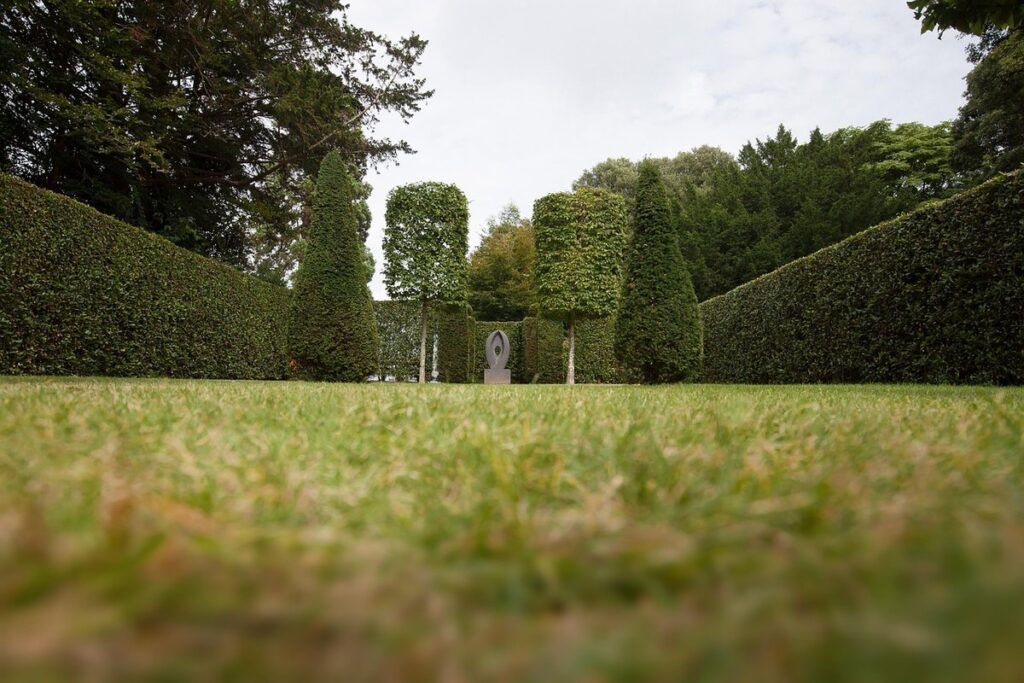
Benefits and Uses of Low Hedge Plants
When it comes to selecting low hedge plants, understanding their benefits and uses is crucial for creating a functional and visually appealing garden feature. Let’s explore some of these advantages up close!
Ornamental Value: Why Low Hedges Are Popular
Low hedges offer a unique aesthetic appeal that has contributed to their widespread popularity. When it comes to landscape design, low hedge plants provide an opportunity for creative expression and versatility. They can be used to frame entryways, define garden beds, or even create a sense of separation between spaces without imposing on the surrounding area.
One of the key benefits of using low hedge plants is their ability to add texture and interest to a garden. By selecting a mix of different plant species with varying foliage colors, shapes, and sizes, you can create a visually appealing display that adds depth and complexity to your outdoor space. For instance, pairing boxwood hedges with lavender or rosemary creates a beautiful contrast between formal structure and informal texture.
To maximize the ornamental value of low hedge plants in your garden, consider incorporating them into a layered landscape design. This involves mixing tall trees or shrubs with lower-growing groundcovers to create a visually appealing arrangement that adds visual interest throughout the seasons.
Space-Saving Solutions for Small Gardens
If you’re lucky enough to have a small garden or live in an urban space with limited outdoor areas, you can still enjoy the benefits of low hedge plants. In fact, these compact and versatile options are perfect for creating hedges that don’t take up too much space.
When it comes to choosing low hedge plants for your small garden, consider using compact shrubs like boxwood, lavender, or rosemary. These plants not only grow slowly but also require minimal pruning, making them ideal for busy homeowners or those who want a low-maintenance option.
To create a space-saving hedge in your small garden, follow these tips:
* Choose plants that are naturally compact and don’t require frequent pruning.
* Plant them close together to form a solid barrier, but make sure not to overcrowd the area.
* Use a trellis or other support system to encourage climbing plants like clematis or wisteria to grow upwards, rather than outwards.
By following these simple tips, you can create a beautiful and functional hedge in your small garden that adds value to your outdoor space without taking up too much room.
Wildlife-Friendly Options for Low Hedges
When choosing low hedge plants, it’s essential to consider their impact on local wildlife. Low hedges can provide a vital habitat for bees and butterflies, which are crucial pollinators in our gardens. By selecting plants that attract these beneficial insects, you’ll not only create a beautiful and low-maintenance border but also contribute to the health of your ecosystem.
Consider incorporating plants like lavender, coneflower, or catmint into your design. These flowers are rich in nectar and pollen, making them a haven for pollinators. You can also plant native species that are specifically tailored to attract local wildlife. For example, if you live in an area with a high concentration of bees, choose plants like sunflowers or cosmos.
When designing your low hedge, don’t forget to include some structure to provide shelter and nesting sites for birds. Leave some areas unpruned, allowing the plants to grow more naturally and creating hiding spots for wildlife. By incorporating these simple yet effective strategies, you’ll create a thriving ecosystem in your garden that benefits both humans and wildlife alike.
Selecting the Right Plants
Now that you’ve narrowed down your options, let’s dive into selecting the right plants for your low hedge garden, considering factors like climate and maintenance.
Factors to Consider When Choosing Low Hedge Plants
When choosing low hedge plants, it’s essential to consider several factors to ensure they thrive in your garden. First and foremost, think about the climate in your area. Some low-maintenance plants are better suited for warmer or cooler temperatures, so choose varieties that can tolerate your local weather conditions.
Next, consider the soil type in your garden. Different plants prefer different pH levels and soil textures, so select species that match your soil’s characteristics. For example, if you have alkaline soil, opt for plants like lavender or rosemary, which thrive in slightly acidic to neutral environments.
Maintenance requirements are also crucial when selecting low hedge plants. Think about how much time and resources you can dedicate to pruning, watering, and fertilizing. Some low-maintenance plants require regular attention, while others are more forgiving. Consider factors like growth rate, disease resistance, and the need for seasonal trimming. By carefully evaluating these factors, you’ll be able to choose the perfect low hedge plants for your garden’s unique needs.
When selecting species, consider their mature size, as this will affect how often they need pruning. Some compact varieties are ideal for small spaces or tight budgets, while others can grow quite tall and require more maintenance. Think about the overall aesthetic you want to achieve in your garden and choose plants that fit your vision.
Plant Hardiness and Disease Resistance
When selecting low hedge plants, it’s essential to consider their hardiness and disease resistance. This ensures they can thrive in challenging conditions and require minimal maintenance.
To determine a plant’s hardiness, check its USDA Plant Hardiness Zone rating. This indicates the lowest temperature the plant can tolerate without damage. For example, if your garden is located in Zone 5, look for plants with a minimum hardiness of 3-4 to ensure they’ll survive winter temperatures.
Disease resistance is also crucial, particularly if you have limited time for pruning and maintenance. Choose plants that are naturally resistant to common hedge diseases like root rot or leaf spot. For instance, boxwood and English lavender are known for their natural resistance to many diseases.
Look for plants with good air circulation and sunlight tolerance as well, which can help prevent disease growth. Regularly inspect your hedge for signs of disease and take prompt action if necessary. By selecting hardy, disease-resistant plants, you’ll reduce the need for fungicides or other treatments, creating a healthier environment for your garden.
Seasonal Interest: Choosing Plants with Year-Round Appeal
When selecting low hedge plants for your garden, it’s essential to consider their seasonal interest. This means choosing plants that provide a burst of color, texture, and appeal throughout the year. One way to achieve this is by incorporating plants with showy flowers or berries.
For example, consider adding low-growing shrubs like dwarf lavender (Lavandula angustifolia) or rosemary (Rosmarinus officinalis) to your hedge. These plants produce fragrant flowers in shades of purple and blue during the spring and summer months. Alternatively, choose shrubs with vibrant berries, such as boxwood (Buxus sempervirens) or holly (Ilex aquifolium), which add pops of color during the fall and winter seasons.
To ensure your low hedge plants provide year-round interest, consider mixing different plant varieties with staggered bloom times. This will create a dynamic display of colors throughout the growing season. Additionally, don’t forget to incorporate evergreen plants that maintain their foliage year-round, such as yew (Taxus baccata) or arborvitae (Thuja occidentalis). By thoughtfully selecting plants for seasonal interest, you’ll enjoy a beautiful and engaging low hedge throughout the year.
Maintenance and Care
Now that you’ve chosen the perfect low hedge plants for your garden, let’s talk about how to keep them looking their best. Proper maintenance is key to enjoying your new hedges year-round.
Pruning and Trimming for Shape and Size
When it comes to maintaining the shape and size of your low hedge plants, pruning and trimming are essential tasks. The frequency and technique you use will depend on the type of plant and its growth rate.
For most low hedge plants, a regular pruning schedule is necessary to keep them in check. For example, boxwood hedges should be pruned every 1-2 months during growing season to maintain their shape and size. This involves removing any dead or diseased branches, as well as shaping the plant to achieve the desired form.
To trim your low hedge plants, use sharp, clean pruning tools to make precise cuts. Remove no more than one-third of the foliage at a time to prevent shock to the plant. Start by cutting back the longest branches, working from the bottom up. This will help maintain even growth and promote healthy development. Be sure to dispose of any clippings properly, as they can harbor diseases or pests that might affect your plants.
Keep in mind that over-pruning can be detrimental to your low hedge plants, so it’s better to err on the side of caution.
Watering and Fertilization Needs
When it comes to maintaining low hedge plants, their watering and fertilization needs can vary greatly depending on the type of plant you’ve chosen. Drought-tolerant options like succulents and yucca are designed to thrive in dry conditions and require infrequent watering. Water these plants sparingly, allowing the soil to dry out completely between waterings.
On the other hand, plants like boxwood and English lavender prefer well-drained soil and regular watering. However, overwatering can be detrimental to these plants, so make sure not to soak the soil too frequently. A general rule of thumb is to water low hedge plants when the top 2-3 inches of soil feel dry to the touch.
In terms of fertilization, feed your low hedge plants during the growing season with a balanced fertilizer. For drought-tolerant options, use a fertilizer that’s specifically designed for cacti and succulents, as these contain micronutrients that promote healthy root growth.
Pest and Disease Management
When it comes to maintaining low hedge plants, one of the most significant challenges you’ll face is dealing with pests and diseases. Common culprits include aphids, whiteflies, spider mites, and scale insects, which can cause damage to leaves and stems. Fungal diseases like powdery mildew and root rot are also prevalent, particularly in warm and humid climates.
To manage these issues effectively, start by inspecting your plants regularly for signs of infestation or disease. For example, look out for yellowing leaves, black spots, or sticky residue on the leaves. Remove any affected areas to prevent the spread of disease.
Use integrated pest management (IPM) techniques, which combine physical, cultural, and chemical controls. For instance, introduce beneficial insects like ladybugs or lacewings to control aphid populations. Regularly water your plants in the morning to reduce moisture-related diseases. Prune your hedges during the dormant season to promote healthy growth and prevent disease. By being proactive and monitoring your low hedge plants closely, you can minimize pest and disease issues and keep your garden thriving.
Popular Low Hedge Plant Options
When it comes to low-maintenance hedges, some plants are more popular than others. In this next part of our guide, we’ll highlight a few favorite options that you might consider for your garden.
Top Picks for Formal Gardens: Boxwood and Holly
Boxwood and holly are two of the most popular low hedge plant options for formal gardens, prized for their elegance, versatility, and year-round interest. Boxwood (Buxus sempervirens) is a classic choice, often used to create geometric shapes or topiaries that require regular pruning to maintain their precise forms. While they can be high-maintenance in terms of pruning, the rewards are well worth it – a well-shaped boxwood hedge can add significant curb appeal and structure to any garden.
Holly (Ilex aquifolium), on the other hand, offers a more robust alternative, with its glossy leaves providing year-round interest. With proper care, holly hedges can grow quite dense, making them an excellent choice for formal gardens where neatness is paramount. Both boxwood and holly respond well to regular watering and fertilization, but be mindful of their specific needs: boxwood prefers moist soil, while holly tolerates drier conditions.
When choosing between these two low hedge plant options, consider your garden’s overall style and climate. If you’re looking for a more dramatic statement piece, boxwood might be the way to go – just remember to plan for regular pruning sessions!
Drought-Tolerant Options: Juniper and Yew
When it comes to creating a low-maintenance hedge, drought-tolerant options are an excellent choice for areas with poor soil or limited water availability. Two plants that stand out as excellent choices are juniper and yew.
Junipers, such as the Rocky Mountain Juniper (Juniperus scopulorum), are well-suited for dry conditions due to their deep root system and ability to store water in their trunks. They’re also relatively slow-growing, making them a great option for hedges that require minimal pruning. In fact, junipers can thrive with as little as 1-2 gallons of water per month during the hottest summer months.
Yews, like the Japanese Yew (Taxus cuspidata), are another drought-tolerant option that’s perfect for areas with poor soil. They’re evergreen, which means they’ll maintain their foliage year-round, and can tolerate temperatures as low as -20°F (-29°C). To keep your juniper or yew hedge thriving, make sure to plant them in well-draining soil and water sparingly during the first growing season.
Keep in mind that even drought-tolerant plants still require some watering, especially when they’re young. Water your juniper or yew hedge regularly during its first year of growth, then reduce watering to about once a month during dry spells.
Native Plant Alternatives
When it comes to choosing low hedge plants, considering native plant alternatives is an excellent way to create a beautiful and thriving garden ecosystem. Native plants have evolved over time to grow well in their local climate, making them an ideal choice for minimal maintenance.
One of the significant benefits of using native low hedge plants is their ability to attract local wildlife. By choosing plants that are native to your area, you’re creating a haven for bees, butterflies, and birds. For instance, if you live in North America, consider planting coneflower (Echinacea), black-eyed Susan (Rudbeckia), or shrub dogwood (Cornus). These plants will not only provide a stunning display of color but also offer vital food sources for local pollinators.
In addition to attracting wildlife, native low hedge plants often require less maintenance than non-native alternatives. They’re more resistant to pests and diseases, meaning you’ll spend less time treating them with chemicals or pruning them back. This is because native plants have co-evolved with the local ecosystem, developing natural defenses against common pests and diseases.
When selecting native low hedge plants, consider factors like soil type, sunlight exposure, and moisture levels in your garden. With a little research, you can find species that thrive in your specific climate and conditions, ensuring a lush and vibrant display of flowers, foliage, or berries year-round.
Troubleshooting Common Issues
If you’re experiencing problems with your low hedge plants, don’t worry – we’ve got some solutions to common issues right here. From root rot to pest infestations, let’s tackle them together!
Dealing with Overgrowth: Tips for Pruning Low Hedges
Dealing with overgrown low hedges can be a daunting task, but with the right approach and techniques, you can restore their shape and health. One of the most common issues with low hedges is overgrowth, which can lead to uneven growth patterns, disease susceptibility, and even attract pests.
When it comes to pruning low hedges, timing is everything. Prune your hedge during its dormant season, typically in late winter or early spring, when the plant is less stressed and more responsive to pruning. Start by removing any dead, diseased, or damaged branches to prevent the spread of disease and encourage healthy growth.
To maintain a neat and tidy shape, use sharp, clean pruning tools to cut back overgrown stems and branches. Cut just above a bud or a leaf node, as this will promote new growth from that point. Don’t be afraid to trim more than you think necessary – it’s always easier to take more off now rather than dealing with a messy hedge later.
Remember to also consider the type of plant when pruning your low hedge. For example, if you have a conifer or evergreen hedge, prune during its dormant season to avoid damaging new growth. Regular maintenance and pruning will not only keep your low hedge looking its best but also promote overall health and longevity.
Addressing Pests and Diseases: A Guide to Effective Management
When it comes to maintaining low hedge plants, pests and diseases can be a significant concern. Regular monitoring is essential to prevent these issues from taking hold. Check for signs of infestation or disease at least once a week, and inspect the plants’ leaves, stems, and soil carefully.
Prevention methods are often the most effective way to manage pests and diseases. For example, ensure good air circulation around your hedge by leaving sufficient space between rows. Avoid overwatering, as this can create an ideal environment for fungal growth. Use organic mulch or compost to improve soil health and reduce the risk of disease.
Treatment options vary depending on the specific issue at hand. If you do encounter pests, consider using neem oil or insecticidal soap to control infestations. For diseases such as powdery mildew or root rot, treat with fungicides specifically designed for garden use. Always follow product instructions carefully and take necessary precautions to avoid harming yourself or the environment.
By staying vigilant and taking proactive steps, you can minimize the risk of pests and diseases affecting your low hedge plants and keep them thriving in your garden.
Frequently Asked Questions
How do I ensure my low hedge plants are disease-resistant?
When selecting plants, consider factors like hardiness and disease resistance to minimize maintenance and care needs. Research the specific plant species you’re interested in and look for varieties that have been bred to be more resistant to common diseases. You can also consult with local nurseries or gardening experts who can provide guidance on choosing disease-resistant options.
Can I use low hedge plants as a natural screen for unsightly areas?
Yes, low hedge plants can be an effective solution for creating a natural screen without imposing on the surrounding area. Consider using dense-growing species like boxwood or holly to create a seamless barrier between spaces. Just ensure you choose plants that will thrive in your local climate and provide adequate care to maintain their health.
How often should I water my low hedge plants, especially during hot summer months?
The watering needs of your low hedge plants will depend on factors like soil type, climate, and plant species. As a general rule, water your low hedges when the top inch of soil feels dry to the touch. In hot summer months, you may need to increase watering frequency, but be cautious not to overwater, which can lead to root rot and other issues.
Can I use low hedge plants in containers or do they require direct soil planting?
Low hedge plants can thrive in containers just as well as in direct soil planting. When using containers, ensure the pot is large enough for the plant’s mature size and has good drainage holes to prevent waterlogged soil. This will help maintain healthy root growth and prevent root bound conditions.
What are some common pests that target low hedge plants, and how can I manage them?
Common pests like aphids, spider mites, and scale can target low hedge plants. To manage these issues, inspect your plants regularly for signs of infestation and use organic or chemical controls as needed. Consider using neem oil, horticultural soap, or insecticidal soap to control pest populations. Regular pruning and maintaining a healthy plant environment can also help prevent pest problems.