
As you tend to your garden or venture into the woods, have you ever stopped to admire the vibrant clusters of berries adorning the branches of viburnum shrubs? These often-overlooked fruiting plants hold a wealth of secrets and benefits that can transform your outdoor space and even support local wildlife. Beyond their ornamental appeal, viburnum berries possess impressive edible and medicinal properties, making them an attractive addition to any garden or natural area. But what exactly makes these berries so special? From the types of viburnums that produce show-stopping fruit to creative ways to utilize them in recipes and remedies, this article will delve into the wonders of viburnum berries and provide you with practical tips for cultivating your own little haven.
Introduction to Viburnum Berries
Let’s start our journey into the wonderful world of viburnum berries by exploring what makes these tiny fruits so special and how they can benefit your garden. We’ll take a closer look at their unique characteristics.
What are Viburnum Berries?
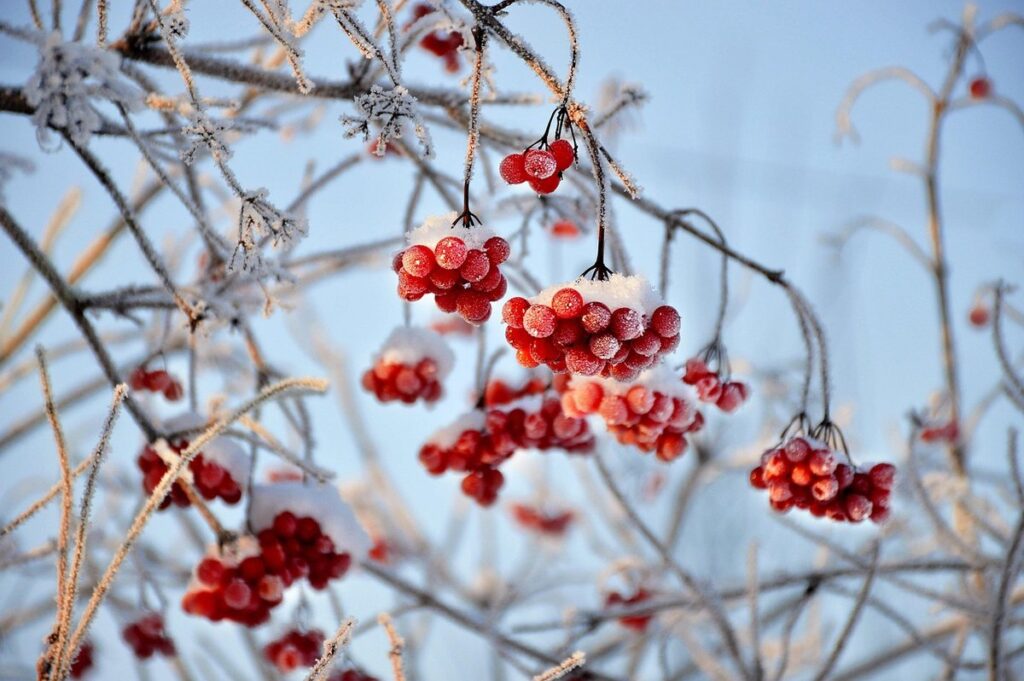
Viburnum berries are the small, edible fruits produced by the viburnum plant, a deciduous shrub native to Asia and Europe. These plants belong to the Adoxaceae family and are classified into several species, with Viburnum opulus being one of the most common varieties. Viburnum berries are small, ranging in size from 0.2 to 1 inch in diameter, and have a glossy appearance.
The general characteristics of viburnum berries include their spherical shape, bright red or blue coloration, and a sweet-tart taste. They grow in clusters on the branches of mature viburnum plants and are an important food source for various wildlife species, including birds, mammals, and insects. When ripe, viburnum berries can be eaten raw or used in jams, preserves, and other recipes. In addition to their culinary uses, viburnum berries also have medicinal properties and are sometimes employed in traditional medicine.
Importance of Viburnum Berries in Ecosystems
Viburnum berries play a vital role in supporting local wildlife, particularly birds and small mammals. These tiny fruits are a treasure trove of nutrients, serving as a crucial food source during the harsh winter months when other options are scarce. Many species of birds, such as cedar waxwings and robins, rely heavily on viburnum berries to sustain themselves through the cold weather.
In fact, studies have shown that viburnum berries provide essential calories and nutrients for up to 30% of a bird’s annual energy intake. For small mammals like squirrels and chipmunks, viburnum berries are an important component of their diet, helping them to survive during times when other food sources are limited.
To attract birds and other wildlife to your garden, consider planting viburnum species that produce abundant berries. By doing so, you’ll be supporting the local ecosystem and providing a vital lifeline for these creatures. Remember to also provide alternative water sources and shelter, as viburnum berries are just one aspect of creating a thriving wildlife-friendly habitat.
Types of Viburnum Berries
As you continue on your journey through the wonderful world of viburnum berries, let’s dive into the fascinating varieties that grow in different regions and climates worldwide. From compact shrubs to sprawling trees, each type has its unique characteristics.
Native vs. Non-Native Viburnum Species
When it comes to viburnum berries, not all species are created equal. In fact, native versus non-native viburnum species can have a significant impact on local ecosystems. Native viburnums have co-evolved with the region’s unique set of plants and animals over thousands of years, developing symbiotic relationships that support biodiversity.
In contrast, non-native viburnum species can disrupt these delicate balances, potentially leading to invasive growth that crowds out native vegetation and alters habitats. For example, Viburnum davidii, a non-native species from Asia, has been known to outcompete native plants for resources in some regions. This can have far-reaching consequences for local wildlife, including birds that rely on native viburnums for food and shelter.
If you’re considering planting viburnums in your garden or landscape, it’s essential to choose a native species. Not only will this support the local ecosystem, but native viburnums are also more likely to thrive with minimal maintenance. When shopping for viburnum varieties, look for species that are well-suited to your region and climate. Some popular native options include Viburnum lentago (nannyberry) and Viburnum prunifolium (black Haw). By choosing native viburnums, you’ll be contributing to the health and resilience of your local ecosystem.
Edible vs. Inedible Viburnum Berries
When it comes to viburnum berries, not all of them are safe for human consumption. In fact, some can be toxic and even cause adverse reactions if ingested. So, how do you distinguish between edible and inedible viburnum berries?
To start with, only a few species of viburnum are considered safe for eating. The most notable ones include Viburnum opulus (cramp bark), Viburnum trilobatum, and Viburnum lentago (nannyberry). However, even within these edible species, there can be variations in toxicity levels depending on factors like ripeness and individual tolerance.
To identify edible viburnum berries safely, look for berries that are fully ripe and have a sweet, slightly tart taste. Avoid unripe or green berries as they may contain high levels of toxic compounds. It’s also essential to note that eating large quantities of even edible viburnum berries can cause gastrointestinal issues in some individuals.
If you’re interested in trying edible viburnum berries, make sure to consult with a healthcare professional or an experienced forager first. They can provide guidance on the best species to use and how to prepare them safely for consumption.
Growing and Cultivating Viburnum Berries
To successfully grow and cultivate vibrant viburnum berries, you’ll need to provide your plant with the right conditions for optimal growth and fruit production. This involves careful planning and attention to detail in your garden setup.
Planting Viburnum in Your Garden
When planting viburnum in your garden, it’s essential to choose the right type for your climate and desired berry production. With over 150 species of viburnum, selecting one that suits your needs can be a bit overwhelming. Look for varieties like Viburnum opulus ‘Roseum’, which produces large clusters of red berries, or Viburnum dentatum, known for its compact growth habit and blue-black berries.
Soil requirements are also crucial when growing viburnum. These plants thrive in well-draining soil with a pH between 6.0 and 7.0. If your garden’s soil is heavy clay or sandy, amend it with organic matter like compost to improve drainage. Mulch around the base of the plant to retain moisture and suppress weeds.
Optimal growing conditions for viburnum include partial shade and protection from extreme winds. Plant them in an area that receives at least four hours of direct sunlight a day, but avoid full sun in hot climates. Water regularly, but avoid overwatering, which can lead to root rot and other problems. With proper care and attention, your viburnum will flourish, producing an abundance of delicious berries for years to come.
Pruning and Maintenance Techniques
Pruning and maintaining your viburnum bushes is crucial for optimal berry production. To encourage healthy growth and maximum fruiting, it’s essential to prune your viburnum regularly. The best time to prune viburnum is during its dormant season, typically from late winter to early spring.
When pruning, remove any dead or diseased branches, as well as any crossing or rubbing branches that may be hindering air circulation. This will not only promote healthy growth but also allow for better sunlight penetration and air exchange. Aim to prune about one-third of the bush each year to maintain its shape and encourage new growth.
Regular maintenance tasks include watering, fertilizing, and mulching. Ensure your viburnum bushes receive adequate moisture, especially during their first year of growth. Apply a balanced fertilizer in the spring, following the manufacturer’s instructions for application rates. Mulch around the base to retain moisture, suppress weeds, and regulate soil temperature.
By implementing these pruning and maintenance techniques, you’ll be well on your way to growing a thriving viburnum bush with an abundance of delicious berries. Remember to monitor your plant regularly and adjust your pruning and maintenance routine as needed to ensure optimal results.
Health Benefits and Uses of Viburnum Berries
Viburnum berries have been used for centuries in traditional medicine, and their health benefits are numerous and impressive. We’ll explore some of the most significant advantages of using viburnum berries.
Medicinal Properties and Recipes
Viburnum berries have been used for centuries in traditional medicine due to their rich content of vitamins, minerals, and antioxidants. The berries are particularly high in vitamin C, with one study showing that they contain up to 40mg per 100g serving – a significant amount compared to other fruits.
In terms of medicinal properties, viburnum berries have been used to treat a range of ailments including fever, sore throats, and digestive issues. They also possess anti-inflammatory and antimicrobial properties, making them effective in fighting off infections.
For those interested in trying out these medicinal properties at home, here are some traditional recipes that incorporate viburnum berries:
* Make a tea by steeping 1 tablespoon of dried berries in boiling water for 5-7 minutes. Strain and enjoy as a natural remedy for fever reduction.
* Add fresh or frozen berries to salads or smoothies for an antioxidant boost.
* Use the berries to make a syrup by combining them with sugar and water, then straining and bottling. This can be used as a cough suppressant or throat lozenge.
It’s essential to note that while viburnum berries are considered safe for consumption, they should not be consumed raw in large quantities due to their high acidity level. Cooking or drying the berries can help reduce this risk.
Dye and Craft Applications
Viburnum berries are not only a treasure trove of health benefits but also a versatile natural resource for creative pursuits. The vibrant colors and unique texture of these berries make them an ideal material for natural dyeing, crafts, and other artistic endeavors.
For natural dye enthusiasts, viburnum berries offer a beautiful shade of pink to magenta hue, perfect for dyeing fabrics like wool, silk, or cotton. To create this dye, simply boil the berries in water, then mix with alum (aluminum sulfate) as a mordant. The resulting color is soft and pastel-like, ideal for creating handmade textiles.
Beyond natural dyeing, viburnum berries can be used to create stunning crafts like potpourri blends, wreaths, and decorative arrangements. Simply dry the berries and use them as is or combine with other dried flowers, herbs, and spices to create unique fragrances and visual displays.
When using viburnum berries for crafting, remember to clean and dry them thoroughly before use to prevent mold or spoilage. This will ensure your creations last longer and maintain their natural beauty. With a little creativity, the possibilities are endless – get experimenting and see what beautiful projects you can create with these versatile berries!
Wildlife Value and Habitat Creation
Viburnum berries play a vital role in supporting local wildlife, providing food and shelter for countless species of birds, bees, and other creatures.
By creating habitats that attract these beneficial animals, we can also promote biodiversity and ecosystem health.
Viburnum Berries as a Food Source
Viburnum berries serve as a vital food source for various wildlife species throughout different seasons. During the fall and winter months when other food sources are scarce, viburnum berries provide a crucial sustenance for birds, small mammals, and insects. The berries’ sweet pulp and nutritious seeds attract a range of visitors to your garden or woodland area.
For instance, American robins, cedar waxwings, and blue jays all feed on viburnum berries during the winter months when other food sources are in short supply. These birds not only enjoy the berries as a snack but also consume them to replenish their fat reserves for migration. In addition to birds, small mammals like deer and rabbits also benefit from viburnum berries as a source of nutrition.
To create an ideal habitat for viburnum berry-loving wildlife, consider planting multiple viburnum species that bear fruit at different times. This staggered ripening period will ensure a constant supply of food throughout the seasons. Moreover, maintain a diverse garden or woodland by incorporating native plants and trees that provide shelter, water sources, and nesting sites for these species.
When providing viburnum berries as a food source, it’s essential to consider their role in supporting local biodiversity. By creating an environment rich in viburnum berry-producing plants, you can help maintain healthy populations of wildlife species that depend on them for survival.
Creating Viburnum-Friendly Habitats
Creating viburnum-friendly habitats is crucial to supporting these magnificent shrubs and attracting desired wildlife. When it comes to designing and maintaining such spaces, consider the specific needs of viburnum bushes. These plants thrive in well-draining soil with a slightly acidic pH between 6.0 and 7.0.
When selecting a location for your viburnum-friendly habitat, ensure that it receives partial shade to full sun, depending on the species you’re working with. Plant multiple viburnum varieties together to create a diverse environment that attracts pollinators like bees, butterflies, and hummingbirds. This diversity will also provide food sources for various birds and small mammals.
To attract wildlife, incorporate native plants, shrubs, and trees into your habitat design. Native plants require less maintenance and support beneficial insects, which in turn attract other animals to the area. Keep your viburnum bushes watered but not overwatered, as excess moisture can lead to root rot and disease. Regular pruning and fertilization will also promote healthy growth and berry production.
By implementing these tips, you’ll create an inviting environment for wildlife that relies on viburnum berries as a vital food source.
Conclusion: Embracing the Wonder of Viburnum Berries
As we’ve explored the fascinating world of viburnum berries, it’s time to reflect on what makes them truly special and how you can continue to enjoy their beauty in your own garden. Let’s sum up our journey together so far.
Recap of Key Points
As we conclude our journey through the wonderful world of viburnum berries, it’s essential to recap the key takeaways from this comprehensive guide. Let’s review the main points that will help you navigate and make the most of these incredible fruits.
When selecting viburnum berry varieties for your garden or landscape design, remember to consider factors like climate, soil type, and desired growth habits. For instance, the Arrowwood Viburnum is an excellent choice for cooler climates, while the Burkwood Viburnum excels in warmer regions.
In terms of culinary applications, be sure to note that viburnum berries are rich in antioxidants, vitamins, and minerals, making them a nutritious addition to your favorite recipes. To prepare them, you can use the same methods as other berries – simply rinse, pat dry, and enjoy raw or cooked. Don’t forget to share your creations with friends and family!
Some of the most significant benefits of viburnum berries include their potential health advantages, ornamental value, and wildlife attraction. By incorporating these berries into your landscape design, you can create a haven for local wildlife while also enjoying their numerous benefits.
Encouragement to Explore Further
As you’ve delved into the fascinating world of viburnum berries, we hope you’re now inspired to continue exploring their wonders. From culinary creations to ornamental landscaping, there are countless ways to engage with these incredible fruits. Don’t stop here – delve deeper into the realm of possibilities! Experiment with new recipes that showcase the unique flavors and textures of various viburnum berry species.
For instance, try incorporating cranberry-like arbutus berries or richly colored spicebush berries into your favorite dishes. You might be surprised at how a simple change can elevate flavors and create memorable meals. If you’re an avid gardener, consider incorporating more viburnum varieties into your landscape design. These shrubs offer stunning flowers in the spring, delicious berries in fall, and attractive foliage year-round.
Now that you’ve gained a solid understanding of viburnum berries’ versatility and benefits, we encourage you to get creative and find innovative ways to integrate them into your life. As with any new discovery, it’s essential to experiment, try new things, and have fun!
Frequently Asked Questions
Can viburnum berries be consumed raw, or do they require processing?
While some people enjoy eating raw viburnum berries, it’s essential to note that they can cause stomach upset if not prepared properly. Most recipes and uses call for cooking or drying the berries to release their flavors and nutrients.
How long does it take for a viburnum shrub to produce edible berries?
The time it takes for a viburnum shrub to produce edible berries varies depending on factors like climate, soil quality, and the specific species. Generally, you can expect viburnum opulus (guelder rose) to start producing berries within 2-5 years after planting.
Are all types of viburnum berries safe for consumption?
No, not all types of viburnum berries are safe for human consumption. While some varieties like Viburnum opulus and Viburnum lentago produce edible berries, others may contain toxic compounds or cause allergic reactions. Research the specific type of viburnum in your area before consuming its berries.
Can I use viburnum berry powder as a natural food coloring?
Yes, dried and powdered viburnum berries can be used as a natural food coloring due to their rich pigment content. However, it’s crucial to note that this requires proper drying and processing techniques to ensure the color and flavor are preserved.
How do I protect viburnum shrubs from pests and diseases that target berry-producing plants?
To safeguard your viburnum shrubs against common pests and diseases like aphids, fungal infections, or spider mites, practice regular pruning, maintain good garden hygiene, and consider using organic pest control methods when necessary.