
Are you looking to add some color and charm to your garden without sacrificing space? Small flowering trees are an excellent choice, offering a delicate balance between beauty and compact size. These tiny treasures come in a variety of species, each with its unique characteristics, growth habits, and blooming times. Whether you’re a seasoned gardener or just starting out, selecting the right small flowering tree for your garden can be overwhelming.
This article will guide you through the process of choosing, caring for, and decorating with these versatile plants. We’ll cover essential pruning techniques to encourage healthy growth and maximize blooms, as well as climate considerations to ensure your tree thrives in its new environment. By the end of this post, you’ll have a solid understanding of how to incorporate small flowering trees into your garden design and enjoy their beauty for years to come.
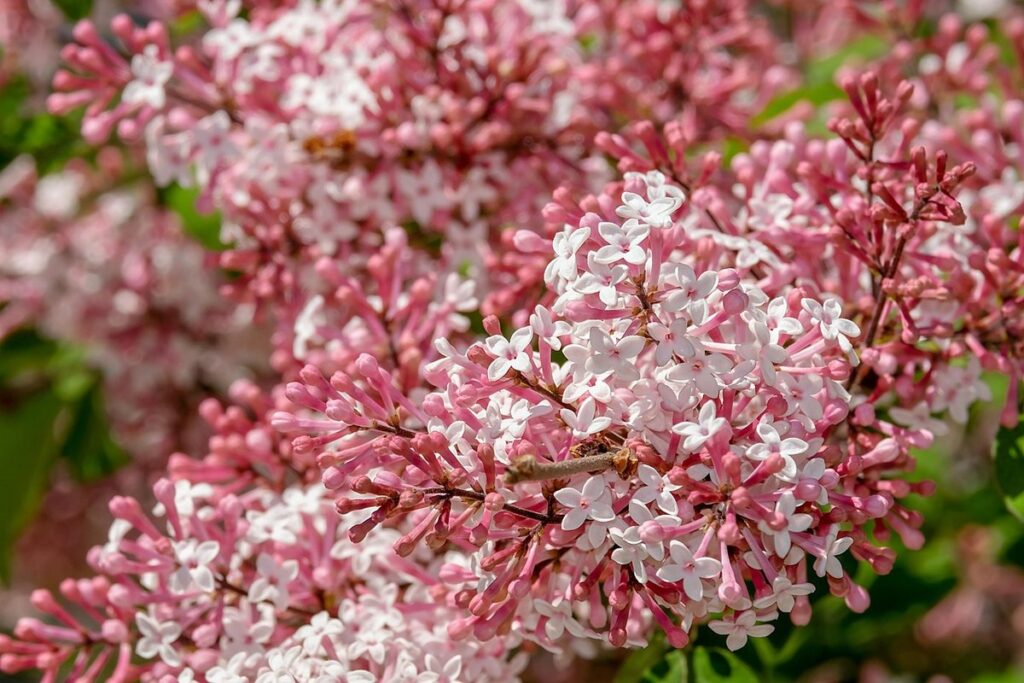
Characteristics of Small Flowering Trees
When it comes to choosing a small flowering tree, understanding its key characteristics is crucial for selecting one that will thrive in your garden and provide stunning blooms year after year.
Dwarfing Techniques for Maximum Impact
When it comes to small flowering trees, controlling their size can be just as important as choosing the right variety. By using techniques like pruning, grafting, and root pruning, you can maximize the impact of these beautiful trees in your garden.
Pruning is one of the most effective methods for managing tree size. Regular pruning helps control the tree’s overall shape, encourages new growth, and promotes healthy flowering. For example, a dwarf apple tree pruned regularly will produce more flowers and fruit than an unpruned specimen. When pruning, focus on removing any dead or diseased branches, as well as crossing branches that can create weaknesses in the tree.
Grafting is another technique used to control tree size. By joining a piece of stem from one variety onto the root system of another, you can essentially “clone” a smaller version of your desired tree. This method allows for more precise control over tree size and encourages fruit or flower production. Root pruning involves cutting back the roots to limit the tree’s growth. While this may seem counterintuitive, it actually helps promote healthy root development and encourages the tree to focus energy on producing flowers rather than seeking water.
By incorporating these techniques into your gardening routine, you can create a stunning display of small flowering trees that add beauty and versatility to your garden. Remember to prune regularly, graft new varieties onto existing roots, and prune roots to control growth – all while enjoying the rewards of vibrant blooms and lush foliage.
Understanding Tree Type and Size Variations
When selecting small flowering trees for your garden, understanding their tree type and size variations is crucial. There are three primary categories: deciduous, evergreen, and semi-evergreen trees.
Deciduous trees shed their leaves annually, typically in autumn. These trees offer vibrant fall colors but may look bare during winter months. Examples include the Crabapple and Dogwood, both popular choices for small gardens due to their compact growth habits and showy flowers.
Evergreen trees, on the other hand, retain their leaves year-round. They provide constant foliage and often attract wildlife. Consider the Dwarf Korean Lilac or the Weeping Cherry, which thrive in smaller spaces and bloom with fragrant flowers.
Semi-evergreen trees have some seasonal leaf loss but generally hold onto most of their foliage. The Crape Myrtle is a semi-dwarf option that blooms profusely during the summer months. When choosing a small flowering tree, consider factors such as mature size, growth rate, climate tolerance, and soil requirements to ensure it thrives in your specific garden conditions.
Note: Consider consulting with a local nursery or arborist for guidance on selecting trees suitable for your region’s unique environment.
Choosing the Right Small Flowering Tree for Your Needs
When selecting a small flowering tree, it’s essential to consider factors such as growth rate, mature size, and bloom duration to ensure you find the perfect fit for your garden.
Climate Considerations for Small Trees
When choosing a small flowering tree for your garden, it’s essential to consider the climate where you live. Climate plays a significant role in determining which trees will thrive and provide the beauty and versatility you’re looking for. Let’s break down the key factors to consider.
Temperature tolerance is one of the most critical aspects to evaluate. Some trees are sensitive to extreme temperatures, while others can handle them with ease. For example, if you live in a region with extremely cold winters, look for trees like the Redbud or Crabapple that can tolerate temperatures as low as -20°F (-29°C). On the other hand, if you live in a warm climate, consider trees like the Desert Willow or Flowering Apricot that thrive in temperatures above 65°F (18°C).
Sun requirements are another crucial factor. Some trees need full sun to produce an abundance of flowers, while others prefer partial shade. Make sure to choose a tree that suits your garden’s sunlight conditions. For instance, if you have a north-facing wall, consider planting a tree like the Kwanzan Cherry that tolerates partial shade.
Precipitation needs are also vital to consider. Some trees require regular watering, while others can survive with minimal moisture. If you live in an area with low rainfall, look for drought-tolerant trees like the Crape Myrtle or the Flowering Plum.
Soil Type and pH Requirements for Small Flowering Trees
When selecting a small flowering tree for your garden, it’s essential to consider its soil type and pH requirements to ensure optimal growth. Different species have varying levels of tolerance when it comes to acidity, nutrient deficiencies, and moisture retention.
For example, azaleas and rhododendrons prefer acidic soils with a pH between 5.5 and 6.5, while flowering cherries can tolerate a wider range of pH levels but require well-draining soil to prevent root rot. In contrast, flowering plums are more adaptable but may suffer from nutrient deficiencies if the soil lacks essential micronutrients like iron or magnesium.
When assessing your garden’s soil conditions, test for pH and nutrient levels to determine what adjustments need to be made before planting. You can also amend the soil with organic matter like compost or peat moss to improve its structure and fertility. By choosing a tree that suits your soil type and pH level, you’ll set it up for success and enjoy vibrant blooms year after year.
Some trees thrive in alkaline soils, while others prefer more acidic conditions – understanding this helps prevent common issues like nutrient deficiencies and root rot.
Popular Small Flowering Tree Varieties
If you’re looking for some stunning additions to your garden, we’ve got you covered – here are some of our favorite small flowering tree varieties that are sure to impress.
Ornamental Cherries and Their Variations
Ornamental cherry trees are a staple in many gardens, known for their stunning blooms and versatility. Among the most popular varieties is the Kwanzan Cherry (Prunus serrulata ‘Kwanzan’), which boasts vibrant pink to deep red flowers that bloom in early spring. Its compact growth habit makes it an ideal choice for smaller spaces, growing up to 15-20 feet tall.
Another showstopper is the Yoshino Cherry (Prunus x yoshinoensis), famous for its delicate white blooms and broad canopy. Reaching heights of 30-40 feet, it’s perfect for adding a statement piece to larger gardens. For those seeking a more compact option with year-round interest, consider the Okame Cherry (Prunus x incam ‘Okame’). Its pale pink flowers are followed by attractive red fruit, which persists through winter.
When selecting an ornamental cherry tree, remember to choose one that suits your garden’s climate and available space. With proper care, these trees provide years of beauty and enjoyment, attracting pollinators and adding a touch of elegance to any landscape. Consider planting multiple varieties for a breathtaking display of color in the spring.
Weeping Trees and Cascading Blooms
One of the most striking sights in any garden is a weeping tree’s cascading blooms. Take the Weeping Cherry (Prunus serrulata ‘Pendula’) for example. Its long, curved branches spill over with delicate pink flowers that create a stunning display in early spring. The Weeping Willow (Salix babylonica) also boasts beautiful drooping branches laden with small white or yellow blooms.
These picturesque trees are not only visually striking but also relatively low-maintenance. To showcase their beauty to the fullest, plant them near water features or walkways where their cascading blooms can be fully appreciated. When choosing a location for your weeping tree, consider its mature size and prune regularly to maintain a desired shape. Keep in mind that some species, like the Weeping Cherry, require regular pruning to promote healthy growth and prevent overgrowth.
To add an extra layer of visual interest, plant companion flowers or groundcovers around the base of your weeping tree. This will not only create a beautiful display but also help retain moisture and suppress weeds. By combining these tips with proper care and maintenance, you can enjoy the breathtaking beauty of your weeping tree for years to come.
Maintenance Tips for Small Flowering Trees
To keep your small flowering trees looking their best, it’s essential to know how to properly care and maintain them throughout different seasons. With these simple tips, you’ll be on your way to a thriving garden.
Watering and Mulching for Optimal Growth
When it comes to maintaining small flowering trees, proper watering and mulching techniques are crucial for promoting healthy growth and preventing disease. Watering is a delicate balance – too little water can cause stress, while too much water can lead to root rot.
As a general rule of thumb, water your small flowering tree when the top 2-3 inches of soil feel dry to the touch. Avoid frequent shallow watering, which can encourage weak and shallow roots. Instead, focus on providing deep, infrequent watering that encourages deep root growth.
Mulching is another essential aspect of maintaining healthy small flowering trees. Mulch helps retain moisture in the soil, suppress weeds, and regulate soil temperature. Choose a mulch with organic properties like wood chips or bark, which will break down over time adding nutrients to the soil.
Apply a 2-3 inch layer of mulch around the base of your tree, keeping it a few inches away from the trunk to prevent moisture buildup. Replenish as needed to maintain this layer, and be mindful not to create a “mulch volcano” that can damage roots when it breaks down.
Fertilization Strategies for Enhanced Bloom
When it comes to maintaining small flowering trees, fertilization is a crucial step that can make all the difference in their health and appearance. These delicate trees have unique requirements, so it’s essential to choose a fertilization strategy that caters to their specific needs.
For organic options, consider using compost tea or well-rotted manure. Compost tea, for instance, is an excellent way to provide beneficial microbes to the tree’s root system. To make your own compost tea, steep a bucket of compost in water (5% solution) for 24 hours before watering it around the tree. This method not only promotes healthy soil but also attracts pollinators and other beneficial insects.
Inorganic fertilizers can also be effective, especially during the growing season. Look for products containing essential micronutrients like potassium, magnesium, and iron. However, use these sparingly and according to the manufacturer’s instructions to avoid over-fertilizing. As a general rule of thumb, apply inorganic fertilizers once or twice a year, during spring and early summer when trees are actively growing.
When selecting a fertilizer, keep an eye out for slow-release formulas that provide nutrients over an extended period. These can be especially beneficial for small flowering trees, which may not require frequent feeding.
Benefits of Incorporating Small Flowering Trees into Your Garden Design
Small flowering trees can add a burst of color and vibrancy to your garden, but they also bring numerous benefits that go beyond aesthetics. Let’s explore some of these advantages in more detail.
Enhancing Aesthetic Appeal with Versatile Plantings
When it comes to adding visual interest, texture, and color to garden landscapes, small flowering trees are an excellent choice. Not only do they provide a burst of vibrancy during the blooming season, but their compact size also makes them perfect for smaller spaces or areas where mature trees wouldn’t thrive.
One way to incorporate these beautiful plants is by strategically placing them in corners or against walls, where they can create a stunning backdrop for other garden features. For example, the Dwarf Korean Lilac (Syringa ‘Palibin’) produces vibrant purple flowers that are perfect for adding a pop of color to a small patio or courtyard.
Incorporating a mix of flowering trees with varying bloom times and textures can also add depth and interest to your garden design. Consider combining a spring-blooming tree like the Redbud (Cercis canadensis) with a summer-blooming tree like the Encore Azalea (Rhododendron x ‘PJM’). This not only creates a beautiful display of color but also provides a dynamic and changing landscape throughout the seasons.
Wildlife Attraction and Habitat Creation
Incorporating small flowering trees into your garden design can have a profound impact on the local ecosystem. By planting a diverse range of plants, you’ll be creating a haven for wildlife and supporting the delicate balance of nature.
When it comes to attracting wildlife, consider the types of birds, bees, butterflies, and other pollinators that visit your garden. Small flowering trees like cherry blossom or crabapple trees are perfect for providing nectar-rich blooms that attract these visitors. Planting native species will also help to support local ecosystems, as they’ll be able to thrive in their natural environment.
To create a thriving habitat, think about the layers of your garden: groundcovers, shrubs, and trees all play a vital role in supporting biodiversity. By incorporating small flowering trees into your design, you’ll provide shelter, food, and breeding grounds for local wildlife. For example, the branches of a dwarf apple tree can serve as a nesting site for birds, while its flowers provide a source of nectar for bees.
Incorporating a mix of plants with different bloom times will ensure that there’s always something in flower, providing a constant source of food and attractants throughout the seasons. By doing so, you’ll be creating a thriving ecosystem that benefits both local wildlife and your own enjoyment of the garden.
DIY Projects and Decorative Ideas Using Small Flowering Trees
Take your creativity outside by turning small flowering trees into stunning DIY projects, from trellises to decorative planters. Get inspired with these unique ideas for garden decor!
Crafting Unique Garden Features with Small Trees
When it comes to crafting unique garden features with small trees, there are countless ways to get creative. One of the most striking ideas is to use a small flowering tree as a focal point for your garden. Imagine strolling through a serene pathway and coming across a beautifully pruned Japanese maple or a stunning weeping cherry blossom tree – it’s an instant conversation starter.
You can also create decorative elements like topiaries using small flowering trees. For instance, try growing a compact lilac or a dwarf magnolia in a large container and train its branches to form a beautiful sphere or a geometric shape. This not only adds visual interest but also creates a striking statement piece for your garden.
Consider incorporating lights into your design for an added wow factor. String lights can be wrapped around the trunk of a small tree, highlighting its unique shape and bark texture. Alternatively, you could hang lanterns from a branch to create a warm ambiance in the evening.
To achieve this look, start by selecting a small flowering tree with a naturally interesting shape or one that can be easily pruned into a desired form. Next, think about the surrounding environment and how you can complement the tree’s natural beauty with decorative elements like lights, ornaments, or other garden features.
Seasonal Displays and Arrangements
One of the most creative ways to showcase small flowering trees is by incorporating them into seasonal arrangements and displays. As the seasons change, you can refresh your decor with new looks that reflect the beauty of nature.
In spring, for example, pair a blooming cherry blossom tree with pastel-colored vases, candles, and linens to create a soft, romantic tablescape. You can also add fresh greens like eucalyptus or ferns to bring in a lush feel.
For summer arrangements, combine the vibrant blooms of a dogwood tree with brightly colored ceramics, glassware, and a bold tablecloth. Don’t forget to incorporate fresh flowers, herbs, or succulents to add texture and depth.
As autumn arrives, opt for warmer tones by pairing a maple tree’s fiery foliage with terracotta pots, golden accents, and rich fabrics like velvet or linen. Bring in seasonal elements like pinecones, acorns, or dried wheat to create a cozy atmosphere.
In winter, focus on frosty whites and icy blues by combining the delicate blooms of an apple tree with mercury glass vases, frosted candles, and snowflake-patterned linens. To add a touch of whimsy, incorporate natural elements like branches, pine needles, or frosted berries.
Remember, the key to creating visually appealing arrangements is to balance the beauty of your small flowering trees with complementary colors, textures, and patterns. Experiment with different combinations to find what works best for you!
Frequently Asked Questions
What are some general tips for pruning small flowering trees to encourage healthy growth and maximize blooms?
Pruning is an essential technique for maintaining the health and beauty of your small flowering tree. Make sure to prune your tree during its dormant season (usually winter or early spring), as this allows it to focus energy on new growth rather than producing flowers. Prune no more than one-third of the branches at a time, and avoid pruning too much foliage, which can weaken the tree.
How do I choose the right small flowering tree for my garden’s climate and soil type?
When selecting a small flowering tree, consider your local climate zone, soil pH, and moisture levels. Some trees prefer full sun to partial shade, while others thrive in cooler or warmer temperatures. Research the specific needs of each tree variety to ensure it will perform well in your environment.
Can I grow multiple small flowering trees together, or should they be planted separately?
Grouping multiple small flowering trees can create a stunning display of blooms and add visual interest to your garden. However, make sure to choose varieties with similar growth habits and space requirements to avoid overcrowding. Plant them 3-5 feet apart, depending on the mature size of each tree.
How often should I water my small flowering tree, especially during hot or dry weather?
Watering is crucial for maintaining a healthy small flowering tree. Water your tree regularly during its first year after planting, and then reduce watering to once or twice a week during hot or dry spells. Check the soil moisture by inserting a finger into the soil up to the knuckle – if it feels dry, it’s time to water.
Can I use organic fertilizers like compost tea or manure on my small flowering tree?
Yes! Organic fertilizers can be an excellent choice for promoting healthy growth and blooms in your small flowering tree. Compost tea, made by steeping compost in water, is a gentle and effective way to provide essential nutrients without burning your tree’s roots. Follow the manufacturer’s instructions for application rates and timing to avoid over-fertilizing.