
If you’re looking to add some unique character to your outdoor space, or simply want to learn more about the fascinating world of trees, then you’ve come to the right place. Columnar trees are a type of tree that’s known for their slender profiles and narrow canopies, making them an ideal choice for small gardens or urban spaces where space is limited. But these trees offer far more than just a stylish silhouette – they also have air-purifying properties that make them a valuable asset to any environment. From their cultural significance in ancient civilizations to their modern-day benefits for our health and wellbeing, columnar trees are truly special plants. In this article, we’ll explore the unique characteristics of columnar trees, as well as their many benefits and uses, so you can learn more about why they’re such a great choice for your garden or community space.
What Are Columnar Trees?
Columnar trees are a unique and striking type of tree characterized by their tall, slender profile and narrow shape. Let’s dive into what makes these trees so distinctive.
Characteristics of Columnar Trees
Columnar trees are instantly recognizable by their slender profiles and towering presence. One of the defining features of these trees is their narrow profile, which can range from a few feet to several feet wide, depending on the species. This unique shape allows them to fit into tight spaces while still providing ample shade and visual interest.
Straight trunks are another key characteristic of columnar trees. Unlike spreading or rounded trees, columnars have trunks that rise vertically from the ground without any significant branching until they reach the canopy. This straight trunk is often topped with a compact, rounded crown, adding to the overall sense of balance and structure.
In terms of foliage, small to medium-sized leaves are typical for columnar trees. Leaves may be needle-like or have a narrow, pointed shape, allowing for efficient water use and minimal space requirements. The small leaf size also contributes to the tree’s slender profile and adds to its aesthetic appeal.
Types of Columnar Trees
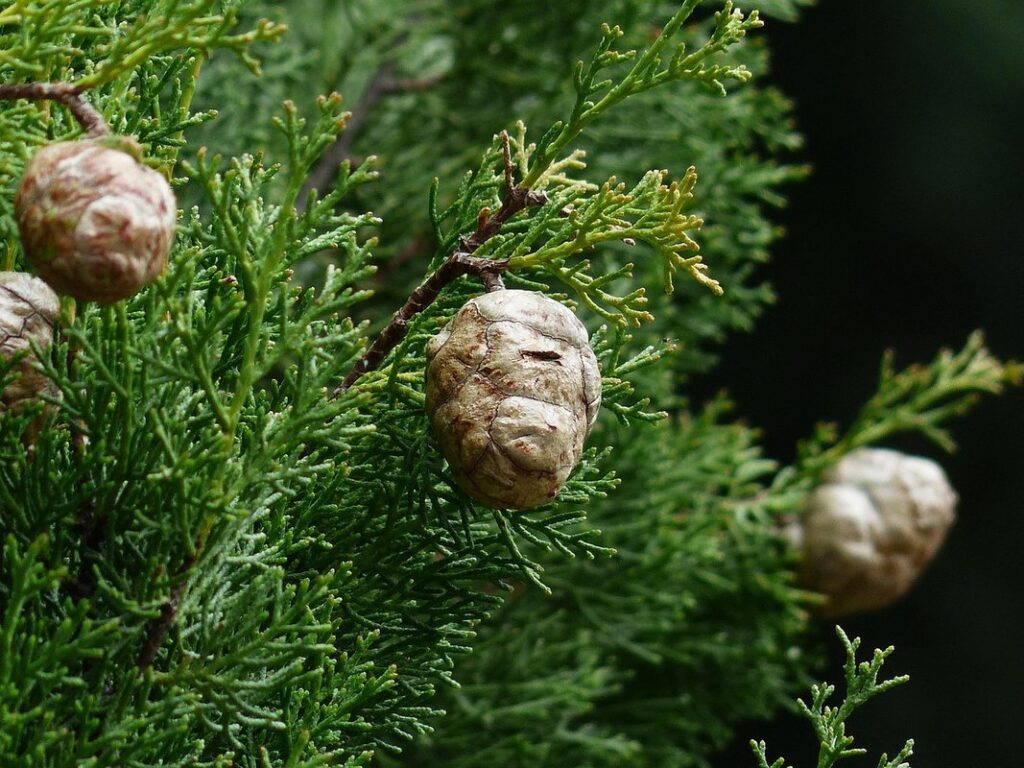
Columnar trees come in various species, each with its unique characteristics and growth habits. One of the most striking examples is the cypress tree, known for its tall, slender profile and feathery foliage. These trees are often used as ornamental plants due to their ability to thrive in a range of environments.
Pines are another common type of columnar tree, with species like the Italian stone pine and the Ponderosa pine boasting impressive height and narrow canopies. They’re valued for their timber and are also popular choices for landscaping due to their low maintenance requirements.
Arborvitae is yet another notable example of a columnar tree. Its slow-growing habit and dense foliage make it an ideal choice for hedges or screens. In addition, its compact growth pattern makes it suitable for small gardens or containers.
When selecting a columnar tree for your garden, consider the mature size and growth habits of the species. This will help ensure that you have enough space for the tree to thrive without becoming too large.
Benefits of Planting Columnar Trees
When it comes to columnar trees, their unique shape and structure offer several benefits that make them a great addition to any landscape. Let’s explore some of these advantages in more detail!
Space-Saving Options for Small Gardens
When it comes to small gardens or urban spaces, finding the right trees can be a challenge. But columnar trees are an ideal solution for these tight areas. Not only do they provide a beautiful canopy of leaves and flowers, but they also offer a range of benefits that make them perfect for compact spaces.
One of the main advantages of planting columnar trees in small gardens is increased shade. As they grow, their narrow shape allows for maximum shading while minimizing space consumption. Imagine strolling through your backyard on a hot summer day, feeling cool and refreshed under the canopy of a mature columnar tree. It’s a game-changer for small garden spaces.
Another benefit of columnar trees is reduced maintenance. Their compact size means less pruning, trimming, and overall care required compared to larger trees. This makes them perfect for busy homeowners or those new to gardening. Plus, their slender shape allows for easy access around the tree, making it simple to tend to its needs.
By choosing columnar trees for your small garden, you’ll enjoy a lush, shaded oasis with minimal upkeep – the perfect solution for urban spaces and compact gardens alike.
Windbreaks and Screens
Columnar trees can be incredibly effective as natural windbreaks and screens, providing a sense of seclusion and reducing noise pollution. One of the key benefits is that they can be strategically planted to block harsh winds and create a more sheltered environment.
For example, consider planting a row of columnar cypresses or Italian cypress trees along a fence line or property boundary. These trees can grow up to 50 feet tall, providing an effective barrier against strong gusts and reducing noise levels by as much as 75%. To maximize their windbreak potential, space the trees about 10-15 feet apart to create a solid wall of foliage.
When using columnar trees as screens, consider selecting varieties with dense canopies, such as lindens or elms. These trees will not only block visual distractions but also reduce noise pollution and provide a sense of seclusion. By carefully selecting the right species and spacing them correctly, you can create a tranquil oasis in even the most exposed areas.
Care and Maintenance of Columnar Trees
To keep your columnar tree thriving, it’s essential to establish a regular care routine that includes pruning, watering, and fertilizing at the right times. With proper maintenance, you’ll enjoy these stunning trees for years to come.
Watering and Fertilization
Columnar trees require careful watering and fertilization to thrive. When it comes to watering, remember that these trees prefer well-draining soil and should not be overwatered. Check the soil moisture by inserting a finger into the soil up to the first knuckle – if the soil feels dry, it’s time to water. Water your columnar tree deeply once or twice a week, depending on weather conditions.
During hot summer months, increase watering frequency to prevent drought stress. For example, a young columnar tree may require watering every 3-4 days in July and August when temperatures soar above 90°F (32°C). Conversely, reduce watering during the cooler months from October to March when rainfall is more frequent.
When it comes to fertilization, apply a balanced, water-soluble fertilizer at half the recommended strength. Feed your columnar tree once in spring and again in summer for optimal growth. For instance, if you’re using a 20-20-20 fertilizer, mix one tablespoon with one gallon of water to create a diluted solution that won’t burn young roots or damage leaves.
Pruning and Training
As a columnar tree owner, you’re probably eager to see your tree thrive and maintain its stunning shape. Pruning and training are crucial aspects of care that will not only keep your tree looking its best but also promote healthy growth.
When it comes to pruning, the goal is to remove any dead, diseased, or damaged branches while maintaining the tree’s natural columnar shape. This process should be done annually, ideally during the dormant season when the tree is less stressed. Remove any crossing or rubbing branches that could cause damage to nearby trees or structures.
Training involves guiding the tree’s growth in a specific direction, which can be achieved through pruning and staking. For young trees, use soft ties or twine to gently guide the stem in the desired direction. This will encourage vertical growth and prevent the tree from becoming too wide. As your columnar tree matures, you can gradually reduce support, allowing it to develop its natural shape.
By incorporating regular pruning and training into your care routine, you’ll be able to showcase your columnar tree’s unique beauty while also promoting a strong and healthy structure.
Landscaping with Columnar Trees
When it comes to incorporating columnar trees into your outdoor space, there are several landscaping strategies to consider that showcase their unique benefits and beauty. Let’s explore some creative ways to use these striking trees in your yard.
Design Ideas and Inspiration
When it comes to incorporating columnar trees into your landscaping design, the possibilities are endless. One way to create a stunning focal point is by planting multiple columnar trees in a group, spaced strategically to create a sense of depth and texture. For example, a row of narrow cedars (Thuja occidentalis ‘Techny’) planted along a driveway or fence line can add height and drama to an otherwise straightforward landscape.
To complement your columnar trees, consider combining them with other plants that share similar growth habits or textures. This can create a cohesive look in your garden. For instance, pair the vertical lines of a columnar tree with the horizontal sweep of a low-growing groundcover like creeping thyme (Thymus serpyllum). Alternatively, use a variety of shrubs and perennials with different bloom times to add color and interest around the base of your trees.
To create a truly show-stopping design, don’t be afraid to incorporate other features, such as hardscaping elements like patios or walkways, to lead visitors through the garden. A well-designed columnar tree landscape can provide a beautiful backdrop for outdoor living spaces, making it perfect for entertaining and relaxation alike.
Tips for Creating a Stunning Columnar Tree Landscape
When it comes to creating a stunning columnar tree landscape, there are several elements to consider. Companion plants can add depth and visual interest to your design. For example, plant low-growing shrubs like boxwood or lavender at the base of your columnar trees to create a seamless transition between tree and groundcover. You can also incorporate flowering perennials like daylilies or coneflowers to introduce pops of color throughout the season.
When selecting hardscaping materials, consider using natural stone or wood accents to complement the clean lines of columnar trees. These materials can add warmth and texture to your design while maintaining a cohesive look with the trees. For instance, pair a cedar pergola with a limestone walkway to create a harmonious balance between structure and surrounding landscape.
When planting companion plants, remember to choose species that thrive in similar conditions as your columnar trees. This will ensure they receive the necessary sunlight, water, and nutrients to flourish together. By carefully selecting both your tree and groundcover, you can create a beautiful and dynamic landscape that showcases the unique beauty of columnar trees.
Health Benefits of Columnar Trees
Columnar trees aren’t just stunning additions to your landscape, but they also offer numerous health benefits that you can appreciate from the comfort of your own yard. Let’s explore some of these advantages up close.
Air Quality Improvement
Columnar trees are natural air purifiers that can significantly impact both indoor and outdoor air quality. When it comes to improving air quality, these trees serve as a dual-purpose solution. Not only do they absorb pollutants from the atmosphere, but they also release oxygen through photosynthesis.
For urban areas, this means reducing the amount of particulate matter and nitrogen dioxide in the air, which can exacerbate respiratory conditions like asthma. For homes, having columnar trees nearby can improve indoor air quality by filtering out volatile organic compounds (VOCs) emitted from household products and furniture.
To maximize the air-purifying potential of your columnar tree, place it near a window or outside area where it can capture pollutants. Regular pruning also helps to promote healthy growth and ensure that your tree continues to absorb pollutants effectively.
Stabilizing Soil
Columnar trees are known for their deep root systems, which not only provide stability to the tree itself but also play a crucial role in stabilizing the surrounding soil. This is especially important in areas prone to erosion and landslides, where the slightest disturbance can have devastating consequences.
One of the primary benefits of columnar trees’ deep roots is their ability to hold soil in place, reducing the risk of erosion and landslides. For example, a study in Arizona found that deep-rooted tree species like mesquite and palo verde significantly reduced soil erosion on sloping terrain. By anchoring the soil with their extensive root networks, columnar trees help prevent sedimentation into nearby waterways, protecting aquatic ecosystems.
If you’re looking to plant columnar trees on your property, consider choosing varieties known for their deep root growth, such as cypress or larch. Plant them strategically in areas where erosion is a concern, and ensure they receive adequate water and nutrients to encourage healthy growth. Regular maintenance tasks like pruning and mulching can also help promote stability by reducing soil compaction and runoff.
History and Cultural Significance of Columnar Trees
Columnar trees have been revered for centuries, not only for their striking appearance but also for their symbolic meanings in various cultures around the world. Let’s explore some fascinating examples.
Ancient Civilizations and Their Use of Columnar Trees
Columnar trees have been an integral part of human culture for thousands of years. In ancient civilizations such as Greece and Rome, these majestic trees were not only admired for their striking appearance but also utilized for various purposes. The Greeks, for instance, would often use columnar cypress and fir trees to create impressive architectural features in their temples and public buildings.
In Roman architecture, columnar trees like plane trees and cypresses were used extensively as ornamental plants and even incorporated into building designs. These trees added a touch of elegance and sophistication to the Roman structures, reflecting the city’s rich cultural heritage. Similarly, in ancient Egypt, palm trees with columnar trunks were often depicted in art and literature as symbols of grandeur and prosperity.
As we can see from these examples, columnar trees have played a significant role in shaping the aesthetics and architecture of various cultures throughout history.
Symbolism and Meaning
Columnar trees have been imbued with symbolic meanings across various cultures, reflecting their majestic presence and enduring qualities. In many ancient cultures, columnar trees like the cypress and fir were associated with eternal life and immortality, symbolizing the connection between the physical and spiritual realms. For example, in Greek mythology, Prometheus was punished by being chained to a mountain where he was forced to endure the harsh conditions, but also surrounded by towering cypresses that stood as a testament to his defiance against the gods.
In art and literature, columnar trees have been used as metaphors for strength, resilience, and wisdom. The cypress tree, in particular, has been depicted in numerous artworks throughout history, representing mourning and bereavement. This symbolism is rooted in ancient Greek and Roman traditions, where cypress trees were believed to guide the spirits of the dead to the afterlife.
In many cultures, columnar trees are also associated with spiritual growth and enlightenment. The towering form of these trees can evoke feelings of awe and reverence, inspiring introspection and self-discovery. Whether through mythology, art, or literature, the symbolic meanings of columnar trees remind us of their profound impact on human culture and imagination.
Conclusion
In conclusion, columnar trees are truly unique specimens that offer both aesthetic appeal and valuable ecological benefits. By incorporating these trees into your landscape design, you can create a striking visual feature while also providing vital support for local wildlife. Whether you’re looking to add some vertical interest to your garden or simply want to plant something low-maintenance, columnar trees are an excellent choice. To maximize their potential, be sure to choose varieties that suit your climate and soil type, and provide regular watering and pruning as needed. By doing so, you can enjoy the beauty of these remarkable trees for years to come, while also contributing to a healthier environment in your community. With proper care, columnar trees will thrive and become an integral part of your outdoor space.
Frequently Asked Questions
Can I use columnar trees as a natural screen or windbreak for my small garden?
Yes, columnar trees are an excellent choice for creating a natural screen or windbreak due to their slender profiles and dense foliage. They can be strategically placed to block unwanted views or harsh winds while also providing aesthetic appeal. When selecting the right species, consider factors like growth rate, mature size, and adaptability to your local climate.
How do I maintain the shape of my columnar trees after they’ve reached maturity?
To maintain a slender profile, prune your columnar tree regularly during its early stages of growth (around 2-3 times a year). This will help control branching and promote vertical growth. As it matures, reduce pruning to once or twice a year to minimize stress on the tree. Use the right pruning tools and techniques to avoid damaging branches.
Can I plant multiple columnar trees together to create a wider screen or hedge?
Yes, you can plant multiple columnar trees in a row to create a wider screen or hedge. When selecting companion species, choose ones with similar growth rates and mature sizes to ensure uniformity. Planting them close together (around 6-8 feet apart) will also help create a dense canopy for maximum effectiveness.
How do I protect my columnar trees from extreme weather conditions like strong winds?
To protect your columnar tree from harsh weather, consider installing staking or guying systems to provide temporary support. You can also plant companion species that offer protection from wind and sun exposure. Mulching around the base of the tree will help retain moisture and reduce soil erosion.
Can I use columnar trees in container gardens?
Yes, columnar trees can thrive in container gardens provided they receive sufficient root space and regular watering. Choose a large enough pot (at least 12-18 inches deep) with good drainage to accommodate the tree’s extensive root system. Use a well-draining potting mix and fertilize regularly to ensure optimal growth.