
Trees are often seen as majestic structures that provide shade and beauty to our surroundings, but did you know that many species produce stunning showy flowers? These flowering trees can add a pop of color and vibrancy to any landscape. Not only do they create a breathtaking visual effect, but they also serve as important habitats for wildlife and play a crucial role in maintaining air quality. From deciduous trees like cherry blossoms to evergreen varieties with delicate blooms, there’s a wide range of flowering trees to choose from. In this article, we’ll explore the different types of flowering trees, provide expert tips on care and maintenance, and discuss the benefits of planting these stunning trees in your yard or community garden. Whether you’re a seasoned gardener or just starting out, read on to discover the magic of flowering trees.
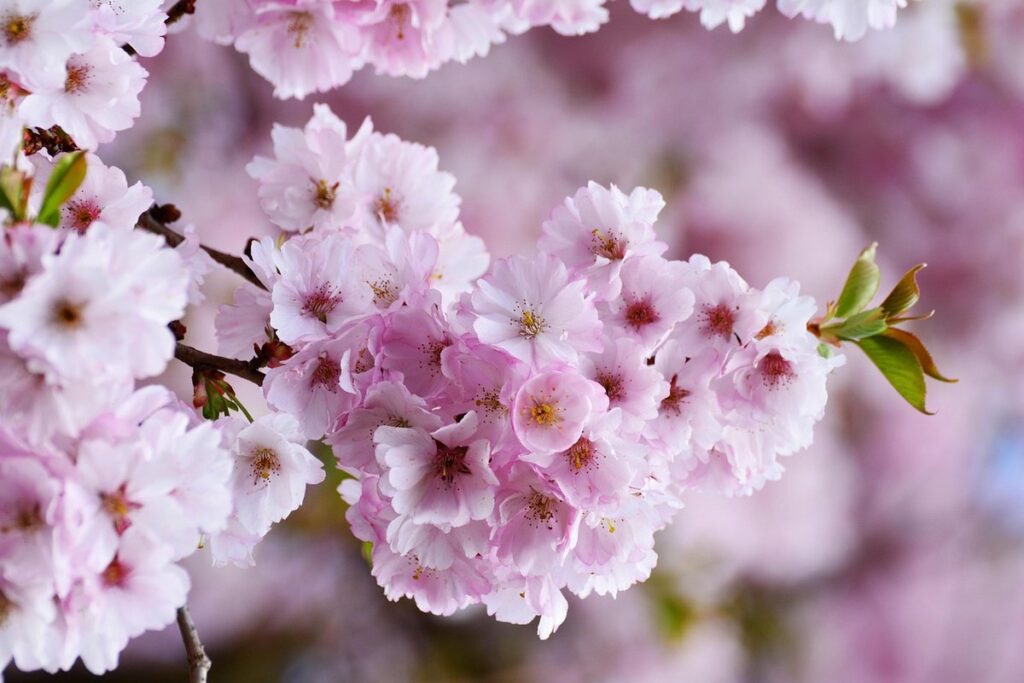
Types of Trees that Produce Showy Flowers
From vibrant cherry blossoms to delicate magnolias, certain tree species are renowned for their stunning showy flowers. These beauties will steal your heart and add a touch of elegance to any landscape.
Deciduous Trees with Stunning Floral Displays
Deciduous trees are often overlooked when it comes to their stunning floral displays. However, many species of deciduous trees produce vibrant flowers that can add a pop of color and fragrance to your landscape. Take cherry blossom trees, for example. These iconic trees are renowned for their breathtaking blooms, which typically last from two to four weeks in the spring. If you’re looking to plant one in your yard, consider the ‘Kwanzan’ or ‘Shirofugen’ varieties, which produce double-petaled flowers.
Maple trees also deserve mention when it comes to deciduous tree flowers. Sugar maple (Acer saccharum) and red maple (Acer rubrum) both produce small yellow-green flowers in late spring, which eventually develop into the characteristic samaras that fall from the tree. Oak trees are another group of deciduous trees known for their striking flower displays. Some species, like the white oak (Quercus alba), produce delicate yellow flowers in early spring.
When planting a deciduous tree with showy flowers, be sure to choose a variety that is suitable for your climate and growing conditions. Also, keep in mind that while these trees are stunning when in bloom, their flowering period can be relatively short. Consider planting multiple trees or choosing species with longer blooming periods to maximize the floral display in your landscape.
Evergreen Trees with Year-Round Blooms
Evergreen trees are often associated with year-round foliage, but many varieties also produce show-stopping flowers throughout the year. One of the most popular types of evergreen trees with blooms is azalea and rhododendron. These flowering shrubs and small trees are known for their vibrant colors, ranging from delicate pastels to bold magentas. While they typically bloom in spring, some varieties will continue to produce flowers sporadically throughout the growing season.
Other types of evergreen trees that offer year-round blooms include conifers like Arborvitae and Holly. These trees may not be as flashy as azaleas or rhododendrons, but their small white or pink flowers are often overlooked yet highly fragrant. For those who want to incorporate these beautiful trees into their landscape, consider planting a variety that meets your climate zone’s specific needs. Be sure to choose a tree with a mature size suitable for your space and plan for regular maintenance, including pruning and fertilization, to ensure continued blooming success.
Some popular varieties of evergreen trees with year-round blooms include:
* Kalmia latifolia (Mountain Laurel), which produces pink or white flowers from late spring through summer
* Rhododendron ‘PJM’ (Pleasant Jack), a compact evergreen azalea that blooms in shades of pink and purple throughout the growing season
Flowering Trees for Specific Climates
If you’re looking to brighten up your garden, our guide covers flowering trees that thrive in various climates, from hot deserts to cool mountains. We’ll explore these stunning options together.
Warm-Weather Trees with Vibrant Flowers
If you’re looking to add some color and vibrancy to your warm-weather garden, consider planting flowering trees that thrive in temperatures above 65°F (18°C). Among the many options available, magnolias, jasmine, and hibiscus are popular choices for their stunning blooms and ability to tolerate heat.
Magnolia trees, native to Southeast Asia, produce large, showy flowers in shades of pink, white, and purple. They prefer well-draining soil and full sun, making them ideal for warm climates with mild winters. For example, the ‘Southern Magnolia’ (Magnolia grandiflora) is a popular variety that grows up to 80 feet tall and produces fragrant white flowers from May to September.
Jasmine trees, on the other hand, are known for their intoxicating night-blooming flowers that fill the air with sweet fragrance. They prefer well-draining soil and partial shade, making them perfect for warm climates with intense sunlight. The ‘Star Jasmine’ (Trachelospermum jasminoides) is a popular variety that produces white flowers from May to October.
Hibiscus trees are also a great option for warm-weather gardens, producing large, showy flowers in shades of pink, orange, and red. They prefer full sun and well-draining soil, making them ideal for hot climates with mild winters. The ‘Mango Hibiscus’ (Hibiscus rosa-sinensis) is a popular variety that produces large, orange-red flowers from May to October.
When planting flowering trees in warm climates, remember to choose varieties that are resistant to heat and drought. Also, ensure that your tree has enough space to grow and receive proper care, including regular watering and fertilization. By following these tips, you can enjoy stunning blooms from March to November, depending on the variety and climate.
Cool-Climate Trees with Frost-Tolerant Flowers
If you’re lucky enough to live in a cooler climate, you have access to an incredible array of flowering trees that thrive in temperatures ranging from 25°F to 45°F (-4°C to 7°C). Among these, some popular choices include apple blossoms (Malus domestica), crabapple trees (Malus spp.), and cherry trees (Prunus avium).
These trees are not only stunningly beautiful but also relatively low-maintenance compared to their tropical counterparts. For instance, apple blossoms bloom in the spring, filling the air with sweet fragrances and delicate white petals. Their flowers are an important source of nectar for pollinators like bees and butterflies.
When selecting a cool-climate flowering tree, consider factors such as soil type, sunlight exposure, and mature size to ensure it thrives in your specific environment. For example, crabapple trees prefer well-drained soil and full sun, while cherry trees can tolerate partial shade and moist soils. By choosing the right variety for your climate and conditions, you’ll enjoy vibrant blooms year after year.
Ornamental Tree Care and Maintenance
Proper care is essential for trees that produce flowers, so let’s dive into the best practices for ornamental tree maintenance to keep them thriving and flowering beautifully.
Pruning Techniques for Encouraging Floral Growth
When it comes to encouraging floral growth in ornamental trees, pruning is an essential technique that can promote healthy growth and maximize flower production. The right pruning methods can stimulate the tree’s natural ability to produce more flowers, while also maintaining its overall shape and appearance.
There are two main types of pruning techniques: selective and rejuvenation pruning. Selective pruning involves removing specific branches or areas of the tree to encourage new growth and flowering. This method is ideal for trees that already have a strong framework, as it allows you to focus on promoting flower production in specific areas.
For example, if you want to promote more flowers on a cherry blossom tree, selective pruning can help by removing any weak or dead branches, allowing the remaining ones to put more energy into producing blooms.
Fertilization and Soil Requirements for Flowering Trees
When it comes to enjoying the vibrant blooms of flowering trees, proper fertilization and soil selection are crucial for optimal performance. Fertilizing your flowering tree regularly will provide essential nutrients that promote healthy growth, foliage development, and ultimately, abundant blooming.
A well-balanced fertilizer (10-10-10 N-P-K) applied during the growing season will supply the necessary nitrogen, phosphorus, and potassium. However, if you’re looking to encourage more blooms specifically, consider a formula with a higher phosphorus content (15-30-15 N-P-K). Phosphorus promotes root development and flowering, making it an ideal choice for blooming trees.
In terms of soil selection, ensure your tree is planted in well-draining acidic or slightly acidic soil that ranges from pH 5.5 to 6.5. Avoid alkaline soils, which can limit nutrient availability and stifle growth. Consider incorporating organic matter such as compost or mulch into the soil to enhance its structure and fertility.
When planting a new tree, mix in a 2-3 inch layer of compost at the base of the root ball before backfilling with native soil. This will provide an instant boost to the tree’s nutrient profile and support healthy development from day one.
The Benefits of Planting Flowering Trees
When you plant flowering trees, not only do they bring vibrant colors and beauty to your yard, but they also offer numerous benefits for you and your community.
Environmental Advantages of Flowering Trees
Flowering trees not only add beauty and vibrancy to our surroundings but also contribute significantly to environmental health. One of the most significant benefits is air purification. Trees absorb pollutants such as particulate matter, ozone, and nitrogen dioxide through their leaves, improving air quality and reducing respiratory issues in urban areas.
In addition, flowering trees play a crucial role in stormwater management. Their roots help to absorb excess water, reducing runoff and preventing erosion. For instance, the iconic London Planetree is known for its ability to absorb large amounts of rainwater, making it an excellent choice for cities with heavy rainfall.
Flowering trees also provide essential habitats for wildlife, supporting biodiversity and ecosystem health. By incorporating native species into your landscape design, you can create a haven for birds, bees, and butterflies, which are attracted to the nectar-rich flowers. For example, the Eastern Redbud is a popular choice for its vibrant pink flowers that attract pollinators.
By planting flowering trees, you can enjoy numerous environmental benefits while also enhancing the aesthetic appeal of your outdoor space.
Aesthetic Value and Property Appreciation
When you plant flowering trees on your property, it’s not just about adding some color to your yard – it can also have a significant impact on the aesthetic value of your home and potentially even increase its worth. This is because flowering trees are often considered a desirable feature for homebuyers, especially those looking for a unique selling point in a competitive market.
In fact, studies have shown that homes with beautiful landscaping features like flowering trees can sell up to 15% faster than comparable properties without them. Moreover, these features can also boost the property’s resale value by as much as 8-10%. This is because they provide an instant curb appeal that sets a home apart from others in the neighborhood.
To make the most of this benefit, consider choosing flowering trees that bloom at different times throughout the year to ensure year-round interest. Some popular options include cherry blossoms (spring), dogwoods (early spring), and crape myrtles (summer). Planting these trees thoughtfully – with space for proper growth and visibility from the street – can have a lasting impact on your property’s value and beauty.
Common Problems and Solutions for Flowering Trees
When it comes to flowering trees, even the most well-cared-for specimens can run into trouble. This is where we’ll tackle common problems and offer practical solutions to get your tree back on track.
Pests and Diseases Affecting Flowering Trees
Flowering trees are susceptible to various pests and diseases that can compromise their health and aesthetic appeal. Some common issues include aphids, scale insects, and spider mites, which feed on sap and cause curled or distorted leaves. To prevent these problems, regular inspections and pruning of infected branches can help minimize the risk.
In addition to pests, flowering trees are also vulnerable to diseases such as powdery mildew, fire blight, and root rot. These conditions often develop due to overwatering, poor air circulation, and high humidity.
To combat these issues, adopt a preventative approach by ensuring good air circulation around the tree, avoiding overhead watering, and removing any diseased or damaged leaves or branches. In case of infection, treat with fungicides or bactericides according to the product’s instructions.
By recognizing common pests and diseases, you can take proactive steps to maintain your flowering trees’ health and beauty.
Tips for Troubleshooting Common Issues in Flowering Trees
When it comes to flowering trees, common issues can arise that affect their health and appearance. Identifying these problems is crucial to providing the necessary care for your tree to thrive.
One of the most common issues is inadequate watering. If you notice yellowing leaves or wilting branches, it may be a sign that your tree is not receiving enough water. Check the soil moisture by sticking your finger into the soil up to the first knuckle; if the soil feels dry, it’s time for a drink.
Nutrient deficiencies can also cause problems in flowering trees. If you notice a lack of blooms or leaves that are discolored, it may be due to inadequate nutrient uptake. Consider using a balanced fertilizer during the growing season to provide essential nutrients like nitrogen, phosphorus, and potassium.
Sun scorch is another common issue that occurs when the intense sun’s rays damage the tree’s leaves. Look for signs of sun scorch, such as white or yellow spots on the leaves, and take action by providing shade or reducing watering during peak sun hours.
In extreme cases, pest infestations can also cause problems in flowering trees. Inspect your tree regularly for signs of pests like aphids, spider mites, or scale, and take action promptly if you notice any issues.
By recognizing these common issues early on, you can provide the necessary care to keep your flowering tree healthy and thriving.
Frequently Asked Questions
Can I grow flowering trees in containers if I don’t have a yard?
You can grow flowering trees in containers, but make sure the tree is compact or dwarf variety to ensure it thrives indoors. Choose a container with good drainage and use a high-quality potting mix specifically designed for trees. Select a location with adequate sunlight and follow regular watering and fertilization schedules.
How do I prevent pests and diseases from affecting my flowering tree?
To prevent pest and disease issues, inspect your tree regularly for signs of infestation or infection. Use organic methods such as neem oil or insecticidal soap to control pests. Implement good gardening practices like pruning, fertilizing, and watering correctly to promote overall health.
Can I plant a flowering tree in a cold climate?
Yes, some species of flowering trees can tolerate frost and cold temperatures. Research specific tree varieties that are adapted to your local climate, such as cool-climate trees with frost-tolerant flowers. Follow planting and care instructions carefully to ensure the tree’s success.
How do I promote blooming on my flowering tree if it’s not producing flowers?
To encourage blooming, prune your tree in late winter or early spring to remove dead wood and maintain its shape. Fertilize with a balanced, slow-release fertilizer during the growing season. Provide adequate moisture, sunlight, and nutrients for optimal growth.
Can I plant multiple flowering trees together to create a diverse landscape?
Yes, you can plant multiple flowering trees together to create a visually appealing landscape. Select tree species that bloom at different times to ensure year-round interest. Consider factors like mature size, growth habits, and pruning requirements when selecting companion trees.