
Are you looking for a way to add some vibrant color and texture to your garden? Blue flowering ground covers are an excellent choice! Not only do they provide stunning visual interest, but they also help suppress weeds, retain soil moisture, and require minimal maintenance. But with so many options available, it can be overwhelming to choose the right one. That’s why we’ve put together this comprehensive guide on selecting, planting, and caring for blue flowering ground covers. In this article, you’ll learn about the different types of blue flowering ground covers, their ideal growing conditions, and essential maintenance tips to keep them thriving all season long. Whether you’re a seasoned gardener or just starting out, this guide will help you create a beautiful and low-maintenance garden that’s sure to impress.
Choosing the Right Blue Flowering Ground Covers
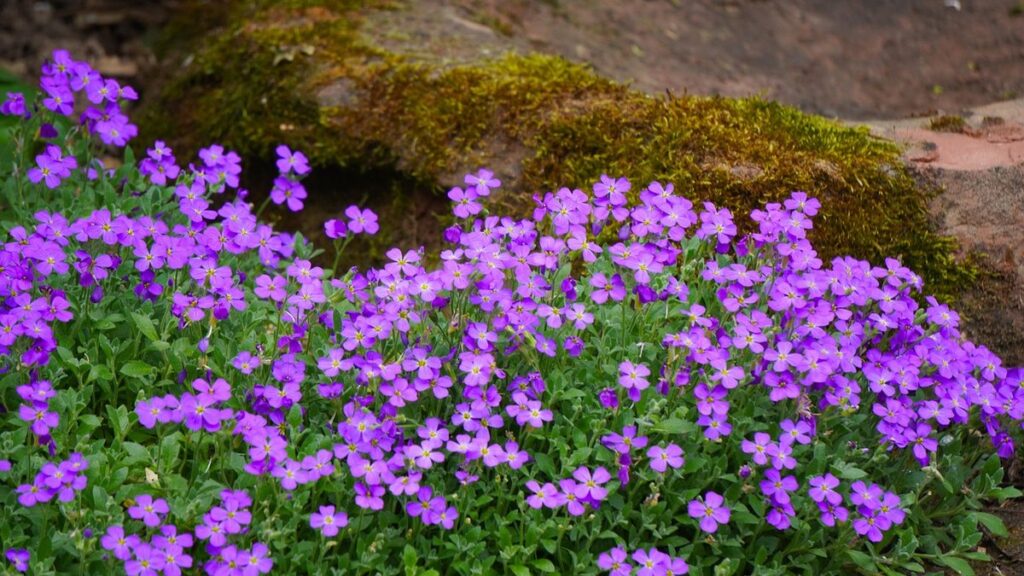
When selecting a blue flowering ground cover, it’s essential to consider factors such as sunlight, soil type, and maintenance requirements to ensure a successful installation.
Types of Blue Flowering Plants for Ground Cover
When it comes to choosing blue flowering plants for ground cover, you have a variety of options to consider. Among annuals and perennials, some popular choices include forget-me-nots (Myosotis spp.), which produce small, delicate blue flowers that bloom from spring to summer. These tiny blooms are perfect for filling in gaps between pavers or stones.
Perennials like delphiniums (Delphinium grandiflorum) and campanula (Campanula medium) also offer stunning blue flower displays. Delphiniums can grow quite tall, making them ideal for back-of-the-border plantings, while campanulas produce masses of small, bell-shaped flowers in shades of blue.
Another consideration is ajuga (Ajuga reptans), a low-maintenance perennial with deep blue or purple flowers that bloom from spring to summer. Its growth habit is trailing, making it an excellent choice for ground cover on slopes or banks.
Some annual options include lobelia (Lobelia erinus) and petunia (Petunia spp.), both of which produce vibrant blue flowers in a range of shades. They’re perfect for adding a pop of color to containers or hanging baskets.
Considerations for Selecting Blue Flowering Ground Covers
When selecting blue flowering ground covers, there are several key factors to consider. Climate is one of the most important considerations, as some blue flowering plants are sensitive to extreme temperatures and may not thrive in areas with harsh winters or scorching summers.
Soil type is another crucial factor, as different types of soil can affect how well your chosen ground cover will grow. For example, if you have heavy clay soil, you’ll want to choose a ground cover that’s tolerant of this type of soil. Similarly, if you have sandy soil, you may need to add organic matter to improve its structure.
Sunlight is also an essential consideration, as blue flowering plants often require full sun or partial shade to bloom well. Check the specific sunlight requirements for your chosen plant and ensure it will receive the right amount of light in your garden.
Maintenance needs should not be overlooked either. Some blue flowering ground covers require regular watering, pruning, and fertilization, while others are more low-maintenance. Consider how much time you’re willing to devote to caring for your ground cover and choose a plant that fits within your schedule.
Best Blue Flowering Ground Covers for Different Conditions
If you’re looking to add some vibrant blue blooms to your yard, we’ve got you covered with these top picks for blue flowering ground covers that thrive in various conditions. From sun-kissed spots to shadier areas, there’s a perfect option for every space.
Drought-Tolerant Blue Flowering Ground Covers
If you’re looking for blue flowering ground covers that can thrive in areas with low rainfall, there are several drought-tolerant options to consider. Delphiniums, for instance, are a popular choice for their towering spikes of vibrant blue flowers. These perennials can survive with minimal watering and require well-draining soil.
Another option is the hydrangea, which produces stunning blue blooms in acidic soils. Some varieties, like ‘Tardiva’ and ‘Vanilla Frost’, have proven to be more drought-tolerant than others. To maximize their water efficiency, make sure your hydrangeas receive full sun to partial shade and regular fertilization.
In regions with particularly low rainfall, you can also consider plants like Larkspur and Lupine. These flowering ground covers develop deep taproots that allow them to access moisture deeper in the soil, reducing their need for frequent watering. Keep in mind, however, that even drought-tolerant plants require some watering during periods of prolonged dryness.
When selecting blue flowering ground covers for areas with low rainfall, look for species that have naturally adapted to arid conditions or have been bred for improved water efficiency. Be sure to also follow proper planting and maintenance techniques to ensure your chosen ground cover thrives in its new environment.
Shade-Loving Blue Flowering Ground Covers
If you’re looking to add some blue charm to your shaded areas, there are plenty of beautiful options to choose from. Forget-me-nots (Myosotis spp.) and pimpernels (Anagallis arvensis) are two popular choices that not only thrive in shade but also produce a profusion of tiny blue flowers.
Forget-me-nots are one of the most recognizable blue flowering ground covers, with their bright blue petals and white centers. They’re extremely easy to grow and can tolerate a range of soil conditions, making them an ideal choice for shaded areas where other plants might struggle. Pimpernels, on the other hand, have delicate, almost translucent flowers that add a whimsical touch to any garden.
Both forget-me-nots and pimpernels are low-maintenance options that require minimal care and can be planted in containers or directly into the ground. They’re also great for attracting pollinators and adding a pop of color to your shaded areas. By incorporating these blue flowering ground covers into your landscape, you’ll not only add visual interest but also create a welcoming space for wildlife.
How to Plant and Care for Blue Flowering Ground Covers
Now that you’ve chosen your perfect blue flowering ground cover, it’s time to learn how to plant and care for it so it thrives in your outdoor space. This section will walk you through the essential steps.
Preparing the Soil for Blue Flowering Ground Covers
Before you start planting your blue flowering ground covers, it’s essential to prepare the soil for optimal growth. The first step is to test the pH levels of your soil, as most blue flowering plants prefer a slightly acidic to neutral soil pH (around 6.0-7.0). You can purchase a DIY soil testing kit or send a sample to a laboratory for analysis.
If your soil test reveals that it’s too alkaline or acidic, you’ll need to amend the soil accordingly. For example, if your soil is too alkaline, add some elemental sulfur or peat moss to lower the pH. On the other hand, if it’s too acidic, add lime to raise the pH.
It’s also crucial to loosen and aerate the soil to a depth of about 8-10 inches to encourage healthy root growth. Mix in 2-3 inches of compost or well-rotted manure to improve drainage and fertility. Finally, rake the soil to create a smooth surface for planting. By taking these essential steps, you’ll set your blue flowering ground covers up for success and ensure they thrive in their new home.
Watering and Fertilizing Blue Flowering Ground Covers
When it comes to watering and fertilizing blue flowering ground covers, there are some key considerations to keep in mind. First, let’s talk about watering. Blue flowering ground covers generally prefer well-draining soil and should be watered thoroughly once or twice a week, depending on the weather conditions. However, overwatering is a common mistake that can lead to root rot and other problems.
As for fertilizing, choose a balanced fertilizer with an N-P-K ratio of 10-10-10. You can apply it in early spring and again after flowering has finished. Some blue flowering ground covers, such as creeping thyme, prefer poor soil conditions and don’t require much fertilizer at all. It’s essential to research the specific needs of your plant variety before fertilizing.
In terms of frequency, fertilize once a month during the growing season, but not more than that. You can also consider using organic fertilizers like compost or manure tea, which are gentler on the plants and the environment. Be cautious not to overfertilize, as this can damage the plant’s roots and harm beneficial microorganisms in the soil.
Maintenance and Propagation of Blue Flowering Ground Covers
Maintaining a beautiful blue flowering ground cover requires regular care, so we’ll dive into how to prune, water, and fertilize these lovely plants effectively. Proper maintenance ensures a vibrant display of blue blooms all season long.
Pruning and Deadheading Blue Flowering Ground Covers
Pruning and deadheading are essential maintenance tasks for blue flowering ground covers to encourage repeat blooming and maintain their appearance. Pruning involves cutting back the stems of the plants to control their size, promote new growth, and remove dead or damaged foliage. For blue flowering ground covers like forget-me-nots and geraniums, prune them after they finish blooming in spring to about one-third of their height.
Deadheading is another crucial task that involves removing spent flowers, typically when they start to wilt or turn brown. This process helps direct the plant’s energy towards producing new blooms instead of seed production. For instance, blue lobelia and lilyturf can be deadheaded regularly throughout spring and summer to prolong blooming.
To encourage repeat blooming, prune and deadhead your blue flowering ground covers at the right time. Prune in late winter or early spring before new growth begins, while deadheading should be done as soon as flowers fade. By doing so, you’ll promote a continuous display of beautiful blue blooms throughout the growing season.
Propagating Blue Flowering Ground Covers through Division or Seeds
When it’s time to propagate your blue flowering ground covers, you have two primary methods at your disposal: division and seed propagation. Both techniques offer a reliable way to multiply your favorite plants, but they require different approaches.
Division is often the preferred method for established ground covers with large root systems. This process involves carefully digging up the plant, separating the roots, and replanting the sections in separate areas of your garden. When dividing blue flowering ground covers like creeping thyme or catmint, make sure to prune the foliage back by about one-third before division to prevent shocking the plant.
Seed propagation is a more labor-intensive process but can be a cost-effective way to grow new plants. Blue flowering ground covers like forget-me-nots and cornflowers produce seeds easily. Collect the seeds after they have matured, dry them thoroughly, and store them in an airtight container until you’re ready to sow them. Sow the seeds directly into the garden or start them indoors 6-8 weeks before the last frost date.
Remember to harden off seedlings before transplanting them outdoors to prevent shock. With proper care and attention, your newly propagated blue flowering ground covers will thrive in no time.
Common Problems with Blue Flowering Ground Covers
Some blue flowering ground covers can be more high maintenance than others, and understanding their potential issues is key to successful planting and care. Let’s explore some common problems you might encounter.
Dealing with Pests and Diseases Affecting Blue Flowering Ground Covers
When it comes to blue flowering ground covers, dealing with pests and diseases is an inevitable part of their maintenance. Some common culprits that can affect these beautiful plants include aphids, whiteflies, spider mites, and mealybugs. These tiny insects feed on the plant’s sap, causing curled or distorted leaves, stunted growth, and a sticky substance called honeydew.
To manage infestations, it’s essential to inspect your plants regularly and catch issues early. If you notice any pests, start by washing the affected area with mild soap and water. For more severe cases, use insecticidal soap or neem oil according to the product’s instructions. Preventative measures like avoiding overwatering and maintaining good air circulation can also help deter pests.
Diseases such as powdery mildew and root rot are also common in blue flowering ground covers. These issues often arise from excess moisture, poor drainage, or inadequate sunlight. To prevent diseases, ensure your plants receive well-draining soil and adequate light. If you do encounter a disease, treat it promptly with fungicides like copper-based products. Regular pruning and disinfecting tools can also help contain outbreaks.
Troubleshooting Issues with Blue Flowering Ground Covers
When it comes to blue flowering ground covers, issues can arise due to poor maintenance, inadequate soil conditions, and pest/disease problems. Common complaints from gardeners include wilting leaves, brown tips, and lack of blooms.
To troubleshoot these issues, start by inspecting the plant’s root system for signs of overwatering or underwatering. Make sure the ground cover receives the right amount of sunlight (most blue flowering varieties prefer partial shade to full sun). Also, check the soil pH level; many blue flowering ground covers thrive in slightly acidic conditions.
Pests like aphids and slugs can also cause damage. To control these issues, spray the plants with a soap-based insecticide or set traps for slugs. Regularly inspect your plant for signs of disease like powdery mildew or leaf spot. If you notice any problems, treat the affected area promptly.
In addition to addressing individual problems, consider preventative measures like applying mulch to retain moisture and suppress weeds. By monitoring your plant regularly and making adjustments as needed, you can keep your blue flowering ground cover healthy and thriving throughout the growing season.
Design Ideas for Incorporating Blue Flowering Ground Covers
When it comes to incorporating blue flowering ground covers into your landscape design, you’ve got a world of creative possibilities at your fingertips. Let’s explore some inspiring ideas for making them shine!
Using Blue Flowering Ground Covers in Rock Gardens
When designing a rock garden, blue flowering ground covers can add an extra layer of visual interest and beauty to the space. To create a stunning display, consider combining different types of blue flowering ground covers with varying textures and growth habits.
For example, combine the delicate, sky-blue flowers of creeping Thyme (Thymus serpyllum) with the larger, trumpet-shaped blooms of catmint (Nepeta faassenii ‘Walker’s Low’). This will create a visually appealing contrast between the low-growing, spreading thyme and the upright, compact catmint. To add some height and structure to the rock garden, incorporate a few stems of blue fescue grass (Festuca glauca), which can be easily pruned to maintain a neat shape.
When selecting blue flowering ground covers for your rock garden, choose varieties that thrive in well-draining soil and full sun. Some other tips to keep in mind include using a mix of short- and tall-growing plants to create depth and interest, and avoiding overplanting, which can lead to overcrowding and make the space look cluttered. By incorporating these design ideas into your rock garden design, you’ll be able to create a beautiful and unique display that showcases the beauty of blue flowering ground covers.
Combining Blue Flowering Ground Covers with Other Plants and Features
When combining blue flowering ground covers with other plants and features, the possibilities are endless. To create a stunning landscape, consider pairing these low-maintenance flowers with complementary plants that enhance their beauty.
For example, blue fescue (Festuca glauca) is an excellent match for blue forget-me-nots (Myosotis spp.). The yellow-green foliage of the blue fescue provides a striking contrast to the delicate blue blooms of the forget-me-not. This combination creates a visually appealing texture and color palette.
You can also incorporate shrubs like lavender (Lavandula spp.) or coneflower (Echinacea spp.) into your design. These plants complement blue flowering ground covers while adding depth and structure to the landscape.
To add visual interest, consider incorporating hardscapes like stone pathways, patios, or walls. A water feature, such as a small fountain or birdbath, can also be incorporated to create a soothing ambiance. Remember to choose features that don’t compete with your blue flowering ground covers but rather enhance their beauty.
By thoughtfully combining blue flowering ground covers with other plants and features, you can create a unique and captivating landscape that brings joy and serenity to any outdoor space.
Frequently Asked Questions
Can I use blue flowering ground covers in areas with poor soil quality?
Yes, many blue flowering ground covers are tolerant of poor soil conditions, but it’s essential to choose the right species for your specific situation. For example, creeping thyme (Thymus serpyllum) is a low-maintenance option that can thrive in poor soil, while forget-me-nots prefer well-draining soil. Assess your soil type and choose ground covers that match its requirements.
How often should I water my blue flowering ground covers during drought periods?
Watering schedules may vary depending on the specific species and climate. Generally, it’s best to water blue flowering ground covers when the top 2-3 inches of soil feel dry to the touch. During extreme droughts, consider reducing watering frequencies or applying a layer of mulch to retain moisture.
Can I combine different types of blue flowering ground covers in a single garden bed?
Yes, mixing different species can create a visually appealing and diverse landscape. However, ensure that each plant has enough space to grow and receive the necessary sunlight. Research companion planting to select species with similar growing requirements for harmonious coexistence.
How long does it take for blue flowering ground covers to establish themselves after planting?
Establishment time varies depending on factors such as soil quality, climate, and specific species. Generally, most blue flowering ground covers will start producing flowers within 6-12 months after planting, with some perennials requiring a year or more to reach full growth.
Can I use blue flowering ground covers in containers or vertical gardens?
Yes, many blue flowering ground covers can thrive in container gardens or vertical planters. However, ensure the container has sufficient drainage holes and choose species suitable for container gardens, such as creeping juniper (Juniperus horizontalis) or dwarf delphiniums (Delphinium grandiflorum).