
Native grasses have been an essential part of our ecosystem for centuries, providing numerous benefits that extend far beyond their aesthetic appeal. Not only are they low-maintenance and water-efficient, but they also play a vital role in supporting local wildlife and contributing to environmental health. As concerns about climate change and water conservation continue to grow, native grasses are becoming increasingly popular among homeowners, landscapers, and eco-conscious individuals. But what exactly makes native grasses so special? In this article, we’ll delve into the world of native grasses, exploring their benefits, importance, and how you can incorporate them into your landscape while taking advantage of local government incentives and enjoying the many perks that come with choosing eco-friendly options. Let’s get started on discovering the wonders of native grasses!
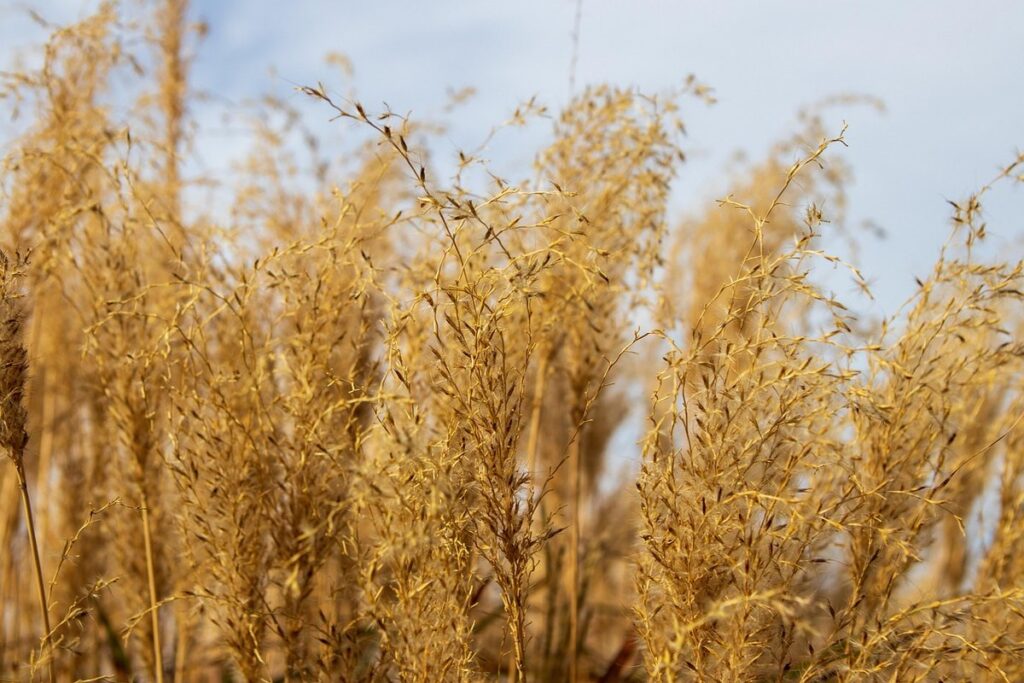
Benefits of Native Grasses
Native grasses offer numerous advantages for homeowners, including low maintenance requirements and increased resistance to droughts and pests. Let’s explore these benefits in more detail.
Why Choose Native Grasses
Choosing native grasses for your lawn has numerous advantages that make them an attractive option for homeowners and landscapers alike. One of the primary benefits is their low maintenance requirements. Native grasses have evolved over time to thrive in local conditions, meaning they are more resistant to diseases and pests that can affect non-native species.
This reduced need for chemicals and pesticides not only saves you money but also contributes to a healthier environment. According to a study by the US Environmental Protection Agency, households using native plants see an average reduction of 32% in their lawn care expenses.
Native grasses are also highly efficient when it comes to water usage. They have adapted to local rainfall patterns and soil types, minimizing the need for frequent watering. In fact, some native grasses can survive with as little as 20 inches of annual rainfall, making them ideal for regions with limited water resources. By choosing native grasses, you’re not only reducing your environmental footprint but also enjoying a lower-cost maintenance routine.
Environmental Importance of Native Grasses
Native grasses play a vital role in supporting local ecosystems and promoting biodiversity. By choosing native species for your landscaping project, you’re making a conscious decision to preserve the natural balance of your environment. These plants have co-evolved over thousands of years with the unique climate, soil, and wildlife conditions in their native habitats.
In doing so, they provide sustenance and shelter for an array of local flora and fauna. For instance, native grasses serve as food sources for pollinators like bees and butterflies, as well as small mammals such as deer and rabbits. Their deep roots also help to stabilize soil, prevent erosion, and maintain water quality.
To maximize the environmental benefits of native grasses, consider incorporating them into your landscape design by creating a meadow or prairie area. Plant multiple species together to mimic their natural growth patterns, and avoid using invasive plants that can outcompete native species for resources. By doing so, you’ll be supporting local biodiversity while also enjoying beautiful, low-maintenance gardens that thrive with minimal care.
Local Government Incentives for Using Native Grasses
Many local governments are now offering incentives to encourage homeowners and businesses to use native grasses in their landscaping. These programs aim to promote sustainable practices, conserve water, and reduce maintenance costs.
For instance, some cities offer rebates for residents who plant native grasses in their yards. These rebates can range from $100 to $1,000 or more, depending on the size of the project and the type of native grass used. Some states also provide tax credits for homeowners who install drought-tolerant landscapes featuring native grasses.
In addition to financial incentives, some local governments offer free or low-cost technical assistance to help residents design and implement their native grass landscaping projects. This can include guidance on soil testing, irrigation systems, and maintenance schedules. Some cities also provide free native grass seedlings or plants for residents who participate in these programs.
To take advantage of these incentives, start by contacting your local government’s department of public works or sustainability office to inquire about available programs. Be prepared to provide details about your project, including the size of your yard and the type of native grass you plan to use. By leveraging these resources, you can not only save money but also contribute to a more sustainable environment in your community.
Planting and Maintenance Guide
Now that you’ve chosen your native grass species, it’s time to plant them with care and attention to detail to ensure a healthy start. This guide will walk you through the key steps for successful planting and maintenance.
Preparing Your Soil for Native Grasses
Before planting native grasses, it’s essential to prepare the soil to give them the best chance of thriving. This involves testing the pH levels and adding organic matter to create a conducive environment.
To determine your soil’s pH level, you can purchase a DIY testing kit or send a sample to a lab for analysis. Most native grass species prefer slightly acidic to neutral soil with a pH range between 6.0 and 7.5. If your soil is too alkaline or acidic, amend it by adding lime or sulfur.
Adding organic matter like compost, manure, or leaf mold can improve soil structure, fertility, and overall health. Mix in about 2-3 inches of the material into the top 6-8 inches of soil to create a nutrient-rich environment for your native grasses to grow. This will also help retain moisture, suppress weeds, and support beneficial microorganisms.
When selecting organic matter, choose materials that are locally sourced and free of contaminants. Avoid adding peat moss or other acidic materials that can alter the soil’s pH level over time.
Choosing the Right Type of Native Grass
When it comes to choosing the right type of native grass for your lawn, there are several factors to consider. The first step is to determine which types of native grasses thrive in your region and climate. For example, if you live in a warm and humid area, such as Florida or Texas, you may want to consider planting species like St. Augustinegrass or Bermudagrass.
In contrast, areas with cooler temperatures and well-drained soil, such as the Pacific Northwest or the Midwest, might be better suited for grasses like tall fescue or blue grama. Another factor to consider is the amount of sunlight your lawn receives. If it’s mostly shaded, you may want to opt for a native grass species that tolerates shade, like fine fescue.
It’s also essential to think about the level of maintenance you’re willing and able to perform. Some native grasses are more drought-tolerant than others, while some require regular watering and mowing. By understanding your specific climate, soil type, and desired level of care, you can select a native grass species that will thrive with minimal fuss.
Some popular native grass species include:
• Buffalo Grass (Bouteloua dactyloides): A low-maintenance option for dry areas
• Little Bluestem (Schizachyrium scoparium): A drought-tolerant choice for well-drained soils
• Switchgrass (Panicum virgatum): A versatile option for a variety of climates and soil types
Watering and Irrigation Tips for Native Grasses
When it comes to watering and irrigation for native grasses, many gardeners make common mistakes that can harm these hardy plants. The key is to understand their unique requirements and adapt accordingly. Native grasses generally prefer infrequent but thorough watering, especially during their first year after planting.
To create an effective watering schedule, start by observing your local weather patterns. This will help you determine when the soil needs moisture most. Aim for about 1-2 inches of water per week, either from rainfall or irrigation. You can also use a soil probe to check the soil’s depth and moisture levels.
In terms of irrigation systems, consider installing a drip irrigation system that delivers water directly to the roots. This not only reduces evaporation but also helps prevent overwatering, which is common with traditional sprinkler systems. Some gardeners even opt for rain barrels or cisterns to collect and store rainwater for later use. By getting the watering right, you’ll be able to enjoy a lush, healthy stand of native grasses that thrive in your local climate.
Design Ideas and Landscape Applications
When it comes to incorporating native grasses into your outdoor space, let’s explore some inspiring design ideas and unique landscape applications that will enhance your yard.
Creating a Native Grass Meadow
Creating a native grass meadow is an attractive option for homeowners looking to establish a low-maintenance and visually appealing landscape. Native grasses are ideal for this type of design as they can thrive with minimal watering, mowing, and fertilizing requirements.
To start designing your native grass meadow, consider the site conditions such as sunlight exposure, soil type, and existing vegetation. Native grasses typically prefer full sun to partial shade and well-drained soils. Choose a mix of native grass species that are suitable for your region and climate.
When planting, create a naturalistic pattern by scattering seed or using small plugs of established plants. Avoid formal patterns like grid layouts, as they can appear artificial and detract from the meadow’s natural beauty. Instead, aim for a more relaxed, irregular layout that mimics the look of a wild meadow.
Keep in mind that native grasses require regular maintenance to prevent overgrowth and promote healthy growth. Regular mowing and pruning will help control height and promote even growth patterns. Additionally, monitor for pests and diseases and take action promptly if necessary.
Incorporating Native Grasses into Urban Landscapes
Native grasses are not just limited to rural areas; they can thrive in urban landscapes too. In fact, incorporating native grasses into urban parks and public spaces can bring numerous benefits to both the environment and the community.
One of the most effective ways to use native grasses in urban settings is through park restoration projects. For instance, the city of Chicago has successfully used native grasses in their park revitalization efforts, reducing stormwater runoff and creating habitats for local wildlife. You can achieve similar results by selecting a mix of native grass species that are suitable for your region’s climate and soil conditions.
In public spaces, native grasses can be used to create beautiful landscapes while minimizing maintenance needs. For example, using native grasses in medians or boulevards can reduce the need for fertilizers, pesticides, and irrigation systems. Additionally, native grasses can help filter stormwater runoff, reducing pollution and protecting nearby waterways.
When selecting native grasses for urban landscapes, consider factors such as soil type, sunlight exposure, and moisture levels to ensure their success. With proper care and maintenance, native grasses can become a stunning and sustainable addition to your urban landscape.
Integrating Native Grasses with Other Plants and Features
Combining native grasses with other plants can add depth and visual interest to your landscape. When pairing native grasses with wildflowers, consider their growth habits and bloom times to create a dynamic display of color throughout the seasons. For example, planting native grasses like Little Bluestem or Big Bluestem alongside prairie wildflowers like black-eyed Susan or coneflower can create a beautiful tapestry of textures and colors.
When incorporating shrubs into your landscape design, choose species that complement the growth habits of native grasses. For instance, planting native shrubs like dogwood or flowering currant near native grasses can provide year-round interest with their changing foliage and blooms. To create a cohesive look, group plants by their growth habits and textures, rather than plant family or bloom time.
Consider layering different heights and textures to add visual interest to your landscape. Plant low-growing native grasses like Buffalo Grass or Blue Grama near taller shrubs or trees to create a sense of depth. Remember to leave enough space for plants to mature and grow, as overcrowding can lead to maintenance issues down the road.
Wildlife and Ecosystem Support
When it comes to choosing native grasses, supporting local wildlife and ecosystems is a crucial consideration – let’s explore some beneficial species for pollinators and other critters.
How Native Grasses Provide Food and Shelter for Wildlife
When you plant native grasses on your property, you’re not just creating a beautiful landscape – you’re also providing a haven for local wildlife. Native grasses support a wide range of pollinators and herbivores, from butterflies and bees to deer and rabbits.
The intricate relationships between native grasses and wildlife are a key aspect of maintaining a healthy ecosystem. For instance, many species of butterflies rely on specific native grasses as a food source for their caterpillars. When you plant these native grasses, you’re providing a vital resource that helps sustain local butterfly populations.
Native grasses also serve as shelter and habitat for herbivores like deer and rabbits. These animals use the tall stalks of native grasses to escape from predators, hide from harsh weather conditions, and even give birth to their young. By maintaining healthy stands of native grasses on your property, you’re creating a safe haven for these animals.
By incorporating native grasses into your landscape, you can help support the local food chain and promote biodiversity in your area.
Native Grasses and Biodiversity Conservation
When it comes to native grasses, their importance extends far beyond just aesthetics. They play a crucial role in maintaining ecosystem balance and promoting biodiversity. By planting native grasses, you’re creating a haven for local wildlife, supporting the food chain, and preserving delicate ecosystem relationships.
In a typical urban or suburban landscape, non-native grass species can crowd out native plants, leading to reduced habitat quality and fragmentation. However, by incorporating native grasses into your garden or yard, you’re providing essential shelter, food, and breeding grounds for native insects, birds, and small mammals. For instance, the tallgrass prairie ecosystem in North America relies on native grass species like big bluestem (Andropogon gerardii) to support a vast array of wildlife.
To maximize biodiversity conservation through your native grass planting efforts:
* Research local native grass species that thrive in your region and climate.
* Create a diverse mix of native grasses with varying growth habits, flowering times, and seed dispersal methods.
* Avoid using fertilizers or pesticides that can harm beneficial insects and microorganisms.
* Monitor your native grass plantings regularly to ensure they remain healthy and free from invasive species.
Case Studies and Success Stories
Let’s take a look at some real-life examples of how native grasses have made a positive impact on landscapes, homes, and ecosystems. We’ll explore their stories in detail.
Real-World Examples of Successful Native Grass Landscapes
Let’s take a look at some real-world examples of successful native grass landscapes. In 2015, the city of Denver launched an initiative to plant native grasses and wildflowers along its high-traffic roadsides. The goal was to reduce maintenance costs and create more sustainable urban spaces.
The results were impressive: native grasses required significantly less watering and mowing than traditional turfgrasses, saving the city thousands of dollars each year. Moreover, the native plants supported local pollinators like bees and butterflies, which helped to boost biodiversity in the area.
Similarly, a project in the Pacific Northwest used native grasses to stabilize eroding soil on a steep slope. By planting native grasses like coastal beardgrass (Triniatia glomerata) and tufted hairgrass (Deschampsia caespitosa), the team was able to reduce erosion by over 90% within just two years.
When choosing native grasses for your own landscape, consider the specific climate and soil conditions in your area. Research local species that are well-suited to your region and plan your planting accordingly.
Interviews with Local Experts on Native Grass Maintenance
When it comes to maintaining healthy native grass landscapes, local experts are often the best resource for guidance. We had the opportunity to speak with several local experts who shared their experiences and advice on native grass maintenance.
John, a landscape architect from the Midwest, emphasized the importance of proper soil preparation. “You can’t just plant native grasses in any old soil and expect them to thrive,” he said. “Take the time to test your soil pH and amend it if necessary. This will give your native grasses a solid foundation for growth.”
Similarly, Sarah, a nursery owner from the Southwest, stressed the importance of choosing the right native species for your region. “Not all native grasses are created equal,” she warned. “Some may be more drought-tolerant than others, so make sure to select varieties that match your local climate and conditions.”
To take your native grass maintenance to the next level, consider implementing a regular mowing schedule (2-3 times per year), fertilizing during the growing season, and monitoring for pests and diseases. By following these tips and consulting with local experts, you can create a thriving native grass landscape that requires minimal upkeep.
Additional Resources and Tips
For those looking for extra guidance, we’ve compiled a list of additional resources and expert tips to help you master the art of native grass care.
Online Resources for Learning More About Native Grasses
If you’re eager to dive deeper into the world of native grasses, there are numerous online resources at your disposal. Start by exploring the websites of organizations dedicated to conservation and sustainability, such as the USDA’s Natural Resources Conservation Service (NRCS) or the Xerces Society for Invertebrate Conservation.
These sites offer a wealth of information on native grass species, including their growth habits, soil requirements, and benefits for local ecosystems. The NRCS website, in particular, features an extensive database of native plant species, along with guidance on how to choose the right plants for your region.
In addition to these websites, there are also numerous blogs and social media groups focused on native grasses and sustainable landscaping. For example, the Native Plant Trust’s blog offers tips and advice from experts in the field, while the Facebook group “Native Grasses” is a community of enthusiasts sharing their experiences and knowledge.
By tapping into these online resources, you’ll be well-equipped to tackle any challenges that come with planting and maintaining native grasses on your property. Remember to also reach out to local nurseries, gardening experts, or conservation organizations for personalized advice and guidance.
Common Mistakes to Avoid When Planting Native Grasses
When planting native grasses, it’s easy to fall into common traps that can lead to poor growth, inadequate establishment, and wasted resources. One of the most critical mistakes is not choosing the right species for the specific climate and soil conditions of your area. This might seem obvious, but many people select a native grass without considering its adaptability to their local environment.
Another mistake is over-preparing the soil, which can disrupt the natural ecosystem of the native grasses. These plants have evolved to thrive in less-than-perfect conditions, so tilling and fertilizing too much can do more harm than good. In fact, a study by the National Wildlife Federation found that overly managed landscapes often experience reduced biodiversity compared to those with minimal intervention.
It’s also essential to avoid overwatering, which is a common issue when planting native grasses in areas with established landscaping. Native grasses are designed to be drought-tolerant, so excessive watering can lead to weak roots and poor growth. Instead, water deeply but infrequently to encourage deep root development and promote healthy establishment.
Frequently Asked Questions
Can I plant native grasses in areas with poor soil quality?
Native grasses can thrive in a variety of soils, but it’s essential to prepare the soil properly before planting. To improve soil health, consider adding organic matter like compost or mulch. This will help create an environment conducive to native grass growth.
How do I maintain my native grass lawn during extreme weather conditions?
Yes, native grasses are more resistant to droughts and pests than non-native species. However, it’s still crucial to provide proper care during extreme weather conditions. To do so, ensure your soil has adequate moisture levels before the dry season begins, and implement efficient watering techniques like drip irrigation.
Can I mix native grasses with other plants in my landscape?
Native grasses can be integrated seamlessly into existing landscapes by incorporating them into a diverse plant palette. Consider using companion planting strategies to create visually appealing and ecologically beneficial combinations that attract local wildlife and support biodiversity conservation.
How do I ensure I’m selecting the right type of native grass for my region?
Choosing the wrong type of native grass for your area can lead to disappointment and maintenance challenges. To avoid this, research the specific growing conditions and climate requirements for native grasses in your region and consult with local experts or nurseries specializing in native plants.
What are some common mistakes to avoid when planting native grasses?
Yes, it’s not uncommon for gardeners to overlook essential steps when planting native grasses. Be sure to check local regulations regarding water use, choose a reputable supplier of native seeds or plants, and prepare the soil properly to ensure optimal growth and long-term success.