
If you’re looking to add some vibrant colors and beauty to your garden, look no further than the stunning weigela shrub. With its showy trumpet-shaped flowers in shades of pink, red, white, and purple, it’s a standout among spring-blooming shrubs. But beyond its gorgeous blooms, weigela offers low maintenance and versatility – making it perfect for beginners and seasoned gardeners alike. Whether you’re seeking to brighten up your front yard or add some drama to your backyard, this shrub is sure to impress.
In this article, we’ll take a closer look at how to grow and care for these gorgeous plants. We’ll cover the best ways to choose the right variety of weigela for your specific climate and needs, as well as expert tips on pruning and propagating to ensure maximum beauty and longevity.
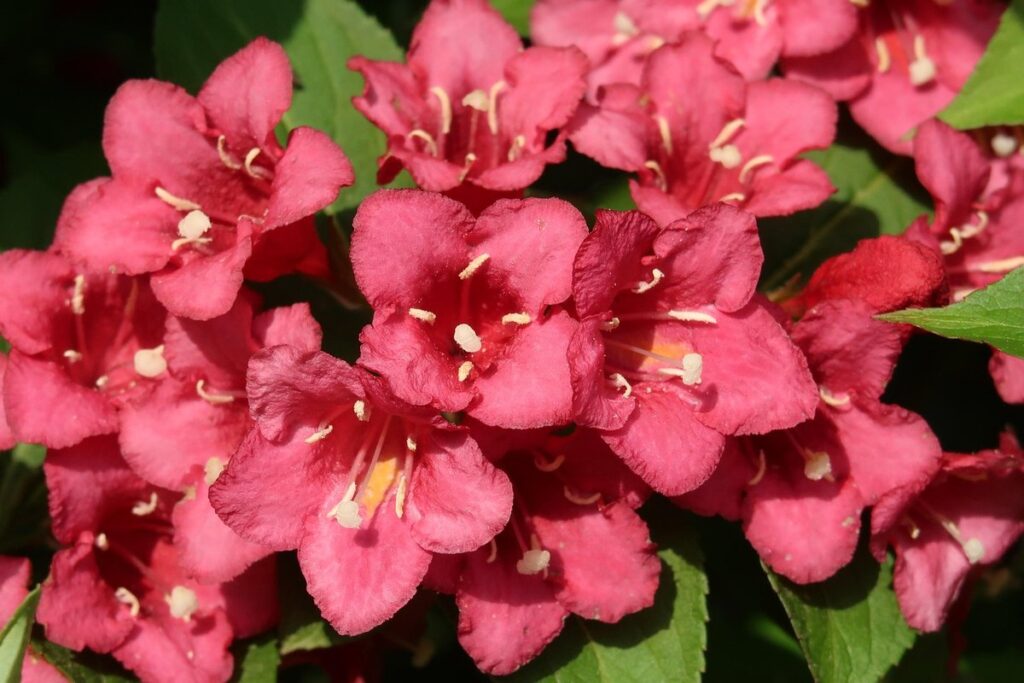
Introduction to Weigela Shrubs
Let’s dive right into what makes weigela shrubs so unique, and explore their characteristics that make them a standout choice for gardeners and landscapers alike.
What is a Weigela Shrub?
Weigela shrubs are a popular choice among gardeners and landscaping enthusiasts due to their vibrant flowers, low maintenance requirements, and versatility. Botanically known as Weigela florida, these shrubs originated from China and Japan, where they were cultivated for centuries for their ornamental value.
In the United States, weigela shrubs have become a staple in many gardens, particularly in USDA zones 4-8. They are commonly used as hedges, borders, or specimen plants, adding a pop of color to any landscape design. Weigela shrubs can grow up to 6 feet tall and wide, making them an ideal choice for screening large areas or creating a natural barrier.
One of the most significant advantages of weigela shrubs is their ability to thrive in partial shade to full sun conditions, tolerating a range of soil types from acidic to alkaline. With proper care, these shrubs can bloom continuously throughout the growing season, producing trumpet-shaped flowers in shades of pink, red, white, and yellow. Whether you’re a seasoned gardener or just starting out, weigela shrubs offer a hassle-free option for adding vibrancy to your outdoor space.
Benefits of Having a Weigela Shrub in Your Garden
Growing weigela shrubs in your garden can bring numerous benefits that enhance its aesthetic and functionality. One of the primary advantages is its low maintenance requirements. Weigela shrubs are forgiving plants that can thrive in a variety of conditions, making them perfect for busy gardeners or those new to gardening.
Another benefit of having weigela shrubs is their versatility. These flowering plants come in an array of colors and shapes, allowing you to choose the perfect one to match your garden’s style. From compact varieties like ‘Red Prince’ that grow up to 3 feet tall to taller options like ‘Midnight Wine’ that can reach 6 feet, there’s a weigela shrub to suit every space.
In addition to their visual appeal, weigela shrubs also provide year-round interest in the garden. During spring and summer months, they produce vibrant blooms in shades of pink, red, and white. In fall and winter, the foliage takes center stage, often turning a beautiful golden hue that adds warmth and depth to your outdoor space.
By incorporating weigela shrubs into your garden design, you can add a pop of color and create a stunning display of flowers without breaking the bank or dedicating too much time to maintenance.
Choosing the Right Weigela Shrub for Your Needs
When selecting a weigela shrub, consider factors such as mature size, growth habit, and bloom time to ensure it fits your specific needs. This will help you choose the perfect variety for your garden.
Factors to Consider When Selecting a Weigela Shrub
When selecting a weigela shrub, there are several key factors to consider. Climate is a crucial consideration, as some weigela varieties thrive in warmer temperatures while others prefer cooler conditions. For example, Weigela florida ‘Rubra’ performs well in USDA zones 5-8, making it suitable for gardeners living in temperate climates. On the other hand, Weigela x ‘Ballet de Feerie’ prefers cooler temperatures and is more suited to areas with mild winters.
Soil type is also an essential factor to consider when choosing a weigela shrub. These plants prefer well-draining soil that is rich in organic matter. If your garden has heavy clay or sandy soil, you may need to amend it before planting. Additionally, think about the desired growth habits of your weigela shrub. Do you want a compact variety that stays under 3 feet tall, or one that can grow up to 6 feet tall with minimal pruning? Consider factors like mature size, spread, and growth rate when making your selection.
Popular Varieties of Weigela Shrubs
There are numerous varieties of Weigela shrubs to choose from, each with its own unique characteristics, bloom colors, and growth habits. One popular variety is the ‘Red Prince’ Weigela, known for its vibrant red flowers that bloom in mid-spring and attract hummingbirds and butterflies.
For those who prefer a more compact shrub, the ‘Aurora’ Weigela is an excellent choice. This variety reaches maturity at around 2-3 feet tall and wide, making it ideal for smaller gardens or containers. Its delicate pink flowers with white centers bloom in late spring and early summer.
Another popular option is the ‘Sunglow’ Weigela, which boasts bright yellow flowers that fade to orange as they mature. This variety grows relatively fast, reaching up to 6 feet tall and wide, making it suitable for hedges or borders.
When selecting a Weigela shrub, consider factors such as bloom color, growth habit, and mature size to ensure you choose the best fit for your garden’s specific needs.
Planting and Establishing a Weigela Shrub
To get your weigela shrub off to a great start, begin by selecting a location with well-draining soil and full sun, then dig a hole twice as wide as its root ball.
Preparing the Soil for Your Weigela Shrub
Before planting your weigela shrub, it’s essential to prepare the soil for optimal growth and blooming. Weigela prefers well-draining, fertile soil with a slightly acidic pH between 6.0 and 7.0. To determine your soil’s pH level and nutrient content, consider conducting a soil test.
You can purchase a DIY soil testing kit or send a sample to a local nursery or extension office for analysis. Based on the results, you may need to add amendments to adjust the pH or fertility levels. Organic matter like compost or well-rotted manure can improve soil structure and provide essential nutrients. Mix 2-4 inches of compost into the top 6-8 inches of soil before planting.
If your soil is heavy clay or sandy, incorporate organic matter to improve drainage and aeration. A balanced fertilizer (10-10-10 NPK) can also be applied according to package instructions. Avoid over-fertilizing, as this can lead to weak growth and reduced blooming. By taking the time to prepare the soil correctly, you’ll set your weigela shrub up for success and ensure a vibrant display of flowers in the years to come.
Planting Techniques for Weigela Shrubs
When it comes to planting weigela shrubs, the technique you choose can make all the difference in their establishment and long-term health. For both in-ground and container planting, there are a few key considerations to keep in mind.
For in-ground planting, dig a hole that’s twice as wide and just as deep as the root ball of your weigela shrub. If your soil is heavy clay or sandy, consider mixing in some organic matter like compost to improve drainage and fertility. Place the shrub in the hole, making sure the crown (where the stem meets the roots) is level with the surrounding soil. Water well after planting and keep the soil consistently moist during its first growing season.
Container planting is a great option for smaller spaces or if you want more control over your weigela’s growing conditions. Choose a container that’s at least 12-18 inches deep to accommodate the shrub’s roots, and use a well-draining potting mix to prevent waterlogged soil. Water your container-planted weigela regularly, but avoid getting water on the leaves to prevent fungal diseases.
Regardless of whether you’re planting in-ground or in a container, make sure to plant at the right time for your climate – spring or fall is best when the weather is cooler and rainfall is more reliable.
Caring for a Weigela Shrub: Tips and Best Practices
Now that you’ve learned how to plant and care for your weigela shrub, it’s time to dive into the specifics of maintaining its health and vibrancy through regular care. Here are some essential tips to keep in mind.
Watering and Irrigation Requirements
Watering a weigela shrub is a delicate balance between providing enough moisture to keep it healthy and not so much that it becomes waterlogged. As a general rule of thumb, it’s best to water your weigela shrub deeply once or twice a week during the spring and summer months when it’s actively growing. During periods of drought or extreme heat, you may need to water more frequently.
The amount of water your weigela shrub needs also depends on its soil type. If your plant is in well-draining soil, it will require less frequent watering than if it were in clay-based soil that retains moisture. A good way to check the soil moisture is to insert a finger into the soil up to the knuckle; if the soil feels dry, it’s time to water.
When watering your weigela shrub, make sure not to get any water on the leaves or flowers to prevent fungal diseases from taking hold. Instead, focus on watering at the base of the plant where the roots are located. This will help keep the roots hydrated without leaving them susceptible to rot and disease.
Fertilization and Pruning Needs
When it comes to maintaining the health and vibrancy of your weigela shrub, fertilization and pruning are two essential practices that require attention. Fertilize your weigela shrub annually with a balanced, water-soluble fertilizer during its growing season (spring-fall). Avoid overfertilizing, as this can damage the plant’s roots.
Pruning is also crucial to promote healthy growth and encourage blooming. Prune your weigela in late winter or early spring, removing any dead, diseased, or damaged branches. Cut back overgrown shoots to about one-third of their length to maintain a balanced shape. This will also help stimulate new growth and increase flowering.
When pruning, be mindful not to remove more than 25% of the plant’s foliage at once, as this can stress the shrub. For maintenance pruning throughout the growing season, aim for small cuts to tidy up the plant without sacrificing its overall health. Regular fertilization and pruning will help your weigela shrub thrive and maintain its stunning blooms year after year.
Common Problems and Pests Affecting Weigela Shrubs
As a weigela shrub owner, it’s not uncommon to encounter common problems and pests that can impact its health and vibrancy. Let’s take a closer look at some of these issues together.
Identifying Common Issues with Weigela Shrubs
As you nurture your weigela shrub, it’s essential to be aware of common issues that may arise. Leaf spot diseases are a frequent problem for weigela owners. Fungal infections such as Septoria leaf spot and Cercospora leaf spot can cause yellowing or browning of leaves, leading to premature defoliation. Regularly inspect your plant and remove any affected leaves promptly to prevent the spread of disease.
Aphids and whiteflies are also common pests that target weigela shrubs. These sap-sucking insects can weaken your plant by draining its nutrients. To control these pests, spray your weigela with a gentle soap solution or neem oil mixture. You can also introduce beneficial insects like ladybugs or lacewings to your garden, which feed on aphids and whiteflies.
Regular maintenance practices, such as proper watering and fertilization, can go a long way in preventing common issues with weigela shrubs.
Solutions for Addressing Common Problems
If you’re experiencing problems with your weigela shrub, don’t worry – there are solutions available to address common issues. One common problem is powdery mildew, a fungal disease that causes white, powdery patches on leaves. To treat this issue, mix 1 tablespoon of baking soda with 1 gallon of water and spray it on the affected areas. You can also use a fungicide specifically designed for weigela shrubs.
Another common problem is aphid infestations. These pesky insects can weaken your plant and cause curled or distorted leaves. To prevent aphids, inspect your plants regularly and remove any debris that may be harboring these pests. You can also spray them with water to dislodge the aphids. If the infestation persists, use insecticidal soap or neem oil to control the population.
In addition to treating existing problems, there are steps you can take to prevent issues from arising in the first place. Make sure to provide your weigela shrub with well-draining soil and adequate sunlight, as this will help prevent root rot and other diseases. Regular pruning will also promote healthy growth and encourage blooming.
In case of root damage or decay, remove any dead roots and treat the remaining roots with a fungicide. This will help prevent further damage and promote healthy new growth.
Propagating and Pruning Weigela Shrubs for Maximum Beauty
To keep your weigela shrub looking its best, it’s essential to learn how to properly propagate and prune these beautiful flowering plants. Regular pruning also helps control their size.
Methods for Propagating Weigela Shrubs
When it comes to propagating weigela shrubs, you have several methods at your disposal. One of the most popular and effective ways is through stem cuttings. To take a successful cutting, select a healthy stem with plenty of nodes, or joints, where leaves meet the stem. Cut just above a node using a sharp, sterile tool, and remove lower leaves to prevent waterlogged soil. Dip the cut end into rooting hormone powder or liquid to promote root growth.
For layering, choose a long, flexible branch that can be bent to the ground without breaking. Secure it with a rock or U-shaped wire, making sure the buried portion is at least 12 inches deep and has some leaves on it. After a few weeks, roots should have developed, and you can cut the stem below the soil line, potting the new plant up separately.
By mastering these techniques, you’ll be able to multiply your favorite weigela varieties with ease, sharing them with friends or adding more vibrant blooms to your garden.
Tips for Pruning Weigela Shrubs for Optimal Growth and Bloom
When it comes to pruning Weigela shrubs, timing is everything. To maintain their shape and promote healthy growth, prune your Weigela in late winter or early spring, before new growth begins. This allows you to cut back any dead or damaged branches, which can encourage the plant to focus its energy on producing vibrant blooms.
To encourage blooming, remove about one-third of the oldest stems from the base of the shrub. This will help to promote new growth and encourage the production of flowers. You should also remove any weak or spindly growth, as this can weaken the overall shape and structure of the plant.
For a more dramatic effect, you can prune your Weigela to maintain a specific shape or size. Cut back long stems to about one-third of their length, and thin out the interior branches to allow air and light to penetrate. This will help to create a fuller, more compact shrub with plenty of blooms.
Frequently Asked Questions
Can I grow Weigela shrubs in containers?
Yes, you can grow Weigela shrubs in containers, but make sure the container is at least 12-18 inches deep to accommodate their root system. Use a well-draining potting mix and a container with good drainage holes to prevent waterlogged soil.
How often should I prune my Weigela shrub for optimal growth and bloom?
Prune your Weigela shrub in late winter or early spring, removing any dead or damaged branches. Cut back about one-third of the oldest stems to maintain shape and encourage new growth. This will help promote a bountiful display of flowers throughout the growing season.
What are some common pests that can affect Weigela shrubs?
Weigela shrubs are susceptible to aphids, whiteflies, and spider mites. Regularly inspect your plants for signs of infestation, such as curled or distorted leaves, sticky honeydew droplets, or fine webbing on the undersides of leaves. Use insecticidal soap or neem oil to control these pests.
Can I propagate Weigela shrubs from cuttings?
Yes, you can propagate Weigela shrubs from 4-6 inch stem cuttings taken in late spring or early summer. Remove lower leaves, dip the cutting in rooting hormone powder, and plant it in a propagation tray filled with moistened rooting mix. Keep the soil consistently moist until roots develop.
How do I ensure my Weigela shrub receives adequate sunlight?
Weigela shrubs prefer full sun to partial shade, so choose a location that receives at least 6 hours of direct sunlight per day. If your yard has limited sunlight, consider planting in a spot with morning sun and afternoon shade to promote healthy growth and flowering.