
If you’re looking for a low-maintenance yet visually stunning ground cover to add some charm to your garden, then creeping thyme is an excellent choice. This fragrant and resilient herb not only repels pests but also attracts pollinators with its tiny pink flowers. As a bonus, it’s edible and can be used in cooking – talk about multi-tasking! With proper care and attention, creeping thyme ground cover can thrive in even the most challenging environments, making it an ideal solution for gardens with poor soil or intense sunlight.
In this comprehensive guide, we’ll walk you through everything you need to know to grow and care for your very own creeping thyme ground cover. From its benefits and propagation methods to troubleshooting tips and common mistakes to avoid, we’ve got you covered. Whether you’re a seasoned gardener or just starting out, our expert advice will help you cultivate a lush and thriving garden that’s the envy of all your friends and neighbors.
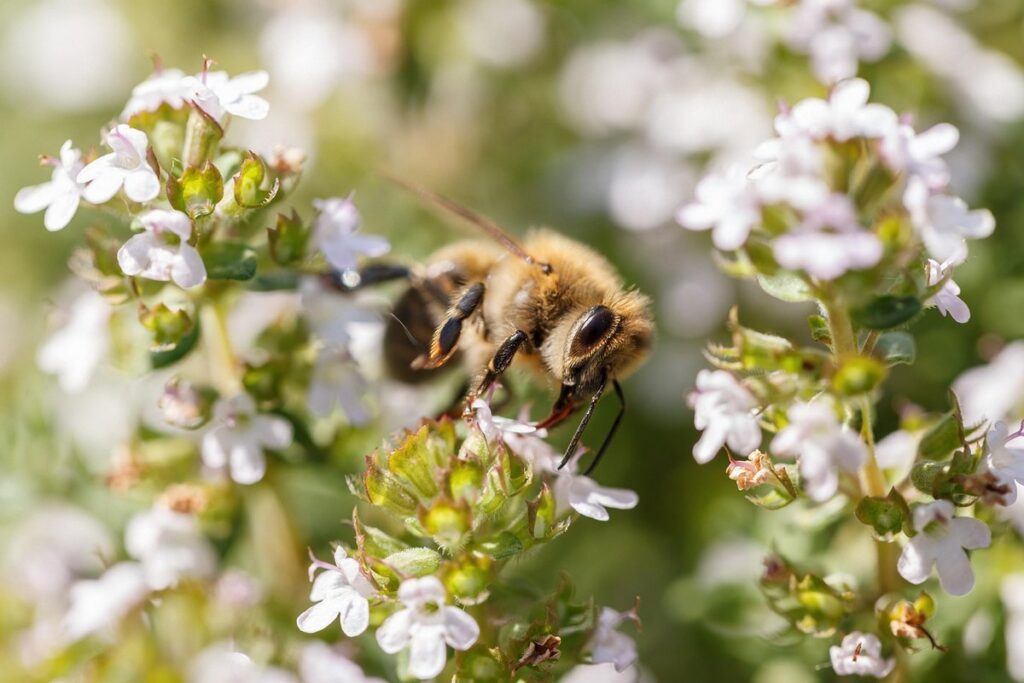
What is Creeping Thyme?
Let’s get started with the basics: what exactly is creeping thyme, and how does it compare to other types of ground covers? We’ll explore its unique characteristics next.
Characteristics and Types of Creeping Thyme
Creeping thyme is known for its compact growth habit, typically reaching heights of 1-3 inches and widths of up to 12 inches. Its leaves are small, usually around 0.2-0.4 inches long, and have a distinctive oval shape. The stems of creeping thyme are slender and wiry, with a woody base that allows the plant to spread out and form a dense mat.
There are several distinct types of creeping thyme, each with its own unique characteristics and benefits. ‘Elfin’ is one popular variety, known for its delicate pink flowers and extremely compact growth habit. ‘Pink Chintz’ is another popular choice, boasting vibrant pink flowers that bloom in the spring and summer months. Other varieties include ‘John Procter’, which has a more robust growth habit and deep purple flowers, and ‘Snowqueen’, with its small white blooms.
When selecting a type of creeping thyme for your ground cover needs, consider factors like soil quality, climate, and desired appearance. For example, if you live in an area with poor soil quality, look for varieties that are more tolerant of drought and nutrient-poor conditions.
How to Identify Creeping Thyme
Creeping thyme is easily identifiable by its unique characteristics. One of the most distinctive features of creeping thyme is its compact growth habit, which allows it to spread rapidly and form a dense mat-like ground cover. Its tiny leaves are oval-shaped and typically 1/8 inch in length, with a soft, delicate texture that’s slightly hairy to the touch.
When walking on a creeping thyme ground cover, you’ll notice the intoxicating scent of fresh herbs wafting up from the foliage. This is due to the presence of essential oils within the plant’s leaves. To distinguish creeping thyme from other ground covers, look for this distinctive aroma. Creeping thyme also has a more delicate and slightly minty flavor compared to other thyme species.
If you’re still unsure about the identity of your creeping thyme, examine its stems and roots. Creeping thyme stems are usually thin, wiry, and have a reddish-brown color when mature, while its roots are shallow and fibrous. Keep in mind that young plants may appear more leggy or sparse than established ground covers, but their growth habit will eventually become dense and compact over time.
Benefits and Uses of Creeping Thyme Ground Cover
Creeping thyme ground cover is not just a pretty face, it’s also incredibly useful for various applications, from lawns to indoor spaces. In this section, we’ll explore its many benefits and creative uses.
Erosion Control and Soil Stabilization
One of the most significant benefits of creeping thyme ground cover is its ability to prevent soil erosion and stabilize slopes. This hardy, spreading plant forms a dense mat that protects the underlying soil from rainwater runoff, reducing the risk of landslides and erosion. As it grows, creeping thyme’s roots delve deep into the soil, holding it in place and preventing the loss of topsoil.
In areas with steep slopes or unstable terrain, creeping thyme can be a lifesaver. Its extensive root system allows it to bind loose soil particles together, creating a stable surface that can support pedestrian traffic and even vehicle use. For example, on roadsides and embankments, creeping thyme has been successfully used as a bioremediation agent to stabilize soil and prevent erosion.
To implement creeping thyme for erosion control and soil stabilization, simply plant the seeds or seedlings in the affected area, ensuring proper spacing and adequate sunlight. With regular watering and maintenance, this low-maintenance ground cover will thrive, providing years of effective slope protection.
Weed Suppression and Competition
One of the most significant advantages of creeping thyme ground cover is its ability to suppress weeds and outcompete them for resources. This is particularly useful in areas with poor soil quality or where weeds tend to thrive. Creeping thyme forms a dense mat, crowding out weeds by blocking light and preventing seed germination.
As it grows, creeping thyme’s shallow roots compete with weeds for water and nutrients, further discouraging their growth. Regular mowing or maintenance is rarely needed, as the plant spreads quickly and evenly covers the ground. In areas where weeds are particularly problematic, consider adding a layer of mulch to further suppress weed growth.
In addition to its ability to suppress weeds, creeping thyme also requires minimal maintenance overall. It tolerates foot traffic well and can be walked on without damage, making it an excellent choice for high-traffic areas like pathways or patios.
Ornamental Value and Aesthetics
One of the most significant advantages of creeping thyme is its ornamental value and aesthetic appeal. The foliage of this ground cover is not only fragrant but also visually striking, with tiny, gray-green leaves that form a dense mat. As the seasons change, creeping thyme bursts into bloom, producing masses of small, pink or white flowers that attract pollinators like bees and butterflies.
The overall appearance of creeping thyme is both rustic and refined, making it an excellent choice for a variety of landscaping situations. For example, it can be used as a low-maintenance alternative to traditional lawns in small gardens or courtyards, or as a decorative edging for borders and pathways. To showcase the ornamental value of creeping thyme, simply prune it regularly to encourage a compact, bushy growth habit.
In addition to its physical appearance, creeping thyme also has a calming effect on the senses due to its fragrance. The aroma is released when the leaves are touched or walked upon, making it an excellent choice for areas where people tend to congregate.
Planting and Care Instructions for Creeping Thyme Ground Cover
To grow your creeping thyme ground cover successfully, it’s essential to follow proper planting techniques and regular care instructions. We’ll walk you through both in this section.
Preparing the Soil and Choosing a Location
When preparing to plant creeping thyme ground cover, it’s essential to choose a location that receives the right amount of sunlight and has suitable soil conditions. Creeping thyme prefers well-draining soil with a pH between 6.0 and 7.0. If your soil is heavy clay or prone to waterlogging, consider raised beds or containers to ensure good drainage.
When selecting a location for creeping thyme, make sure it receives at least four to six hours of direct sunlight per day. This will allow the plants to thrive and promote healthy growth. Avoid areas with dense shade, as this can lead to weak and leggy stems.
Before planting, inspect your soil and amend it if necessary. Add organic matter such as compost or well-rotted manure to improve drainage and fertility. A mixture of one part compost to three parts soil is a good starting point. This will provide creeping thyme with the ideal conditions for establishment and growth. By choosing a suitable location and preparing your soil, you’ll be well on your way to creating a thriving creeping thyme ground cover that’s perfect for pathways, borders, or containers.
Planting and Spacing Recommendations
When planting creeping thyme ground cover, it’s essential to get it right from the start. This will ensure a healthy and dense mat that can handle foot traffic and maintain its vibrant color throughout the growing season.
To begin, choose an area with well-draining soil and full sun to partial shade conditions. Creeping thyme prefers a slightly acidic to neutral soil pH between 6.0 and 7.0. Dig the planting site to a depth of about 8-10 inches, loosening the soil to promote root growth.
For optimal results, plant creeping thyme at a spacing of 6-12 inches apart. This will give each stem room to spread out and create a lush, even coverage. You can also consider creating a staggered pattern by planting in rows that are offset from each other. This will help prevent bare spots and promote a more uniform appearance.
Remember, creeping thyme is a low-growing ground cover that forms a dense mat of foliage. It’s not necessary to mulch or water it excessively, as this can lead to root rot and other issues. Simply keep the soil moist during its first growing season, and then reduce watering to once every 7-10 days in subsequent seasons.
Watering and Fertilization Tips
To ensure your creeping thyme ground cover thrives, it’s essential to understand its watering and fertilization needs. Creeping thyme is a drought-tolerant plant, but consistent moisture promotes healthy growth and vibrant foliage. Water your creeping thyme at least once a week during hot summer months or when rainfall is scarce.
A balanced fertilizer (10-10-10 NPK) applied in early spring will provide the necessary nutrients for growth. You can also use organic fertilizers like compost tea or fish emulsion, which are gentle on the plant and the environment.
To avoid over-fertilization, start with a small amount and gradually increase as needed. Over-fertilizing can damage your creeping thyme’s roots and lead to weak foliage. As for pruning, regular maintenance is key to keeping your creeping thyme ground cover healthy and full. Pinch off flower buds after blooming to encourage leaf growth.
This will help maintain a lush, even texture throughout the growing season. For more extensive pruning, consider cutting back your creeping thyme in late winter or early spring before new growth begins.
Common Problems and Solutions for Creeping Thyme Ground Cover
As you care for your creeping thyme ground cover, it’s not uncommon to encounter some issues. Let’s explore common problems and their practical solutions together in this section.
Pests and Diseases Affecting Creeping Thyme
One of the most frustrating aspects of caring for creeping thyme is dealing with pests and diseases that can quickly spread and damage your entire ground cover. As a homeowner, it’s essential to be aware of the common culprits so you can take action promptly if you notice any issues.
Slugs and snails are two of the most notorious pests that love to feed on creeping thyme leaves. These slimy creatures are attracted to the plant’s tender shoots and can cause significant damage in a short period. To control their population, use copper tape around the perimeter of your garden bed or plant slug-repellent herbs like garlic or mint alongside your thyme.
Diseases like root rot, leaf spot, and powdery mildew can also affect creeping thyme. These fungal infections often arise from overwatering, poor air circulation, or humidity. To prevent these issues, ensure good drainage in your garden bed, provide sufficient space between plants for air to circulate, and avoid watering the leaves.
Monitor your plants regularly for any signs of pests or diseases, and act quickly if you notice anything unusual. With proper care and vigilance, you can keep your creeping thyme ground cover healthy and thriving.
Nutrient Deficiencies and Fertilizer Applications
Nutrient deficiencies can be challenging to identify in creeping thyme ground cover, but there are some common signs to look out for. Yellowing leaves, weak growth, and reduced flowering are often indicative of a nutrient deficiency. Inspect your plants regularly to catch any issues early on.
To promote healthy growth, it’s essential to provide your creeping thyme with the right balance of nutrients. A general-purpose fertilizer can be applied in the spring or fall, but keep in mind that over-fertilization can lead to weak and leggy growth. A balanced 10-10-10 NPK fertilizer is a good starting point.
Some specific nutrient deficiencies to watch out for include:
* Nitrogen (N) deficiency: leaves may turn yellow or pale green
* Phosphorus (P) deficiency: flowers may be sparse or absent
* Potassium (K) deficiency: leaves may become scorched or wilted
To apply fertilizers effectively, follow these guidelines:
* Use a fertilizer specifically formulated for ground covers like creeping thyme.
* Follow the recommended application rates to avoid over-fertilization.
* Water your plants thoroughly after applying fertilizer to prevent root burn.
How to Propagate and Divide Creeping Thyme Ground Cover
To keep your creeping thyme ground cover thriving, learn how to propagate it through cuttings and division, two easy methods for spreading this lovely herb. Follow these steps carefully!
Division and Transplanting Methods
When it’s time to divide and transplant established creeping thyme plants, make sure you’re doing it correctly to ensure their health and success. To begin, choose a good day for the process – ideally when the plant is dormant or not actively growing. This will reduce stress on the roots and minimize the risk of shock.
First, gently dig around the perimeter of the plant using a fork, being careful not to damage the surrounding soil. Loosen the soil about 6-8 inches deep, taking care not to disturb the roots too much. Once you’ve loosened the soil, use your hands or a blunt tool to carefully break up the clumps and separate them into individual sections.
Replant the divisions immediately after, making sure each section has enough space for proper growth. Water thoroughly, and keep the soil consistently moist during the first few weeks.
Seed Collection, Storage, and Sowing
Collecting seeds from mature creeping thyme flowers is an art that requires patience and attention to detail. Start by waiting for the flowers to bloom and produce seed heads. This usually happens in mid-summer, around July or August, depending on your location and the specific variety of creeping thyme you’re growing.
Once the seed heads are dry and brittle, it’s time to collect them. Gently snip off the seed head from the stem, taking care not to damage the plant. Place the seed heads in a paper bag or a breathable container, allowing air to circulate and prevent moisture buildup.
Store the collected seeds in an airtight container, such as a glass jar or envelope, in a cool, dry place like a cupboard or drawer. Label the container with the date and variety of creeping thyme, so you can keep track of your seed collection.
When sowing new plants from these seeds, prepare a well-draining potting mix and sow the seeds about 1/8 inch deep. Keep the soil consistently moist but not waterlogged, as this can lead to rot and poor germination rates. Keep in mind that it may take several weeks for the seeds to germinate, so be patient and don’t rush the process.
To increase your chances of successful propagation, make sure to use fresh seeds within a year or two of collection. This will ensure the highest viability and health of the new plants. With proper care and attention, your creeping thyme ground cover should thrive and spread quickly, filling in any gaps in your garden with its fragrant, low-growing foliage.
FAQs and Additional Tips for Growing Creeping Thyme Ground Cover
Got questions about growing creeping thyme? We’ve got answers! Below, we’ll address common queries and share some expert tips to help you cultivate a thriving ground cover.
Frequently Asked Questions (FAQs)
One of the most frequent questions we receive about creeping thyme ground cover is whether it’s suitable for high-traffic areas. The good news is that creeping thyme can indeed handle a moderate amount of foot traffic, but it may not be the best choice for extremely busy spaces. To ensure its survival in high-traffic zones, make sure to trim it regularly to maintain its shape and prevent it from becoming too dense.
Another common inquiry is about pruning creeping thyme. Pruning this ground cover can seem intimidating, but it’s actually quite straightforward. For a basic prune, simply use scissors or clippers to trim back the stems by about half in late spring. This will encourage new growth and keep your creeping thyme looking its best.
Some gardeners also wonder if creeping thyme is edible, and the answer is yes! The leaves of this plant can be used as a culinary herb, adding flavor to various dishes such as soups, salads, and sauces.
Troubleshooting Common Issues and Maintenance Tasks
Troubleshooting common issues with creeping thyme ground cover is essential to maintaining its health and appearance. One of the most common problems is overwatering, which can cause root rot and kill the plant. To prevent this, ensure good drainage by adding organic matter like compost or perlite to your soil. Water only when the top inch of soil feels dry to the touch.
Another issue you might encounter is bare spots where creeping thyme has died out. This can be due to over-pruning or poor air circulation. To address this, prune your creeping thyme regularly to maintain its shape and promote new growth. Also, ensure that there’s sufficient space between plants for air to circulate freely.
Regular pruning also helps control the spread of creeping thyme, preventing it from becoming too dense and invasive. Use a sharp pair of scissors or clippers to trim back overgrown sections, cutting just above a node (where a leaf meets the stem) to encourage new growth.
By being proactive about maintenance and addressing common issues promptly, you can enjoy a lush, thriving creeping thyme ground cover for years to come.
Frequently Asked Questions
Can I use creeping thyme as a lawn substitute?
Creeping thyme can be an excellent alternative to traditional lawns, but it’s essential to note that it may require more frequent mowing due to its compact growth habit and tendency to spread. However, with proper maintenance, it can create a lush, weed-suppressing ground cover that’s perfect for low-traffic areas.
How do I prevent creeping thyme from becoming invasive in my garden?
While creeping thyme is generally non-invasive, it can be aggressive in certain conditions. To prevent its spread, ensure you provide enough space between plants (at least 6-8 inches apart) and regularly prune the stems to encourage bushy growth rather than sprawling.
Can I grow creeping thyme in containers or indoor spaces?
Yes, creeping thyme is a versatile herb that can thrive in containers, making it an excellent choice for small gardens, patios, or even indoor spaces. Choose a well-draining potting mix and maintain moderate watering levels to ensure its success.
How long does it take for creeping thyme to establish itself after planting?
Creeping thyme typically takes 2-3 months to establish itself after planting, depending on factors like soil quality, sunlight exposure, and watering habits. During this period, keep the area consistently moist but not waterlogged to promote healthy root development.
Can I use creeping thyme in areas with poor drainage or standing water?
While creeping thyme can tolerate some moisture, it’s essential to ensure good air circulation and avoid planting it in areas with standing water. If you’re dealing with poorly draining soil, consider amending the area with organic matter like compost or perlite to improve its structure and drainage.