
Are you looking to add some sweet scents to your garden? Fragrant shrubs are the perfect choice, not only for their beautiful blooms but also for their incredible health benefits. From boosting your mood with uplifting aromas to attracting beneficial pollinators, these lovely plants have a lot to offer. But where do you start when choosing and caring for fragrant shrubs?
In this article, we’ll dive into the world of fragrant shrubs, exploring their characteristics, and providing expert tips on how to choose, plant, and care for them in your garden. Whether you’re a seasoned gardener or just starting out, we’ll cover everything from the most fragrant varieties to common mistakes to avoid. By the end of this article, you’ll be well-equipped to incorporate these lovely plants into your outdoor space and enjoy their sweet scents all season long!
Understanding Fragrance in Shrubs
Now that we’ve explored some of the most fragrant shrub varieties, let’s delve into what makes their scents so special and how to appreciate them. This unique characteristic is often tied to a plant’s botanical makeup.
What Makes a Shrub Fragrant?
When it comes to shrubs with fragrant flowers, understanding what makes them scented is just as important as selecting the right variety for your garden. Fragrance in shrubs is primarily produced by scent-producing compounds called volatile organic compounds (VOCs). These compounds are responsible for the distinctive aroma of a flower and can vary greatly between different species.
The anatomy of a flower also plays a significant role in determining its fragrance. For example, the tubular shape of honeysuckle flowers allows the delicate VOCs to concentrate and intensify, releasing their sweet scent when visited by pollinators. On the other hand, flowers with loose, open structures like those found on roses tend to have a more subtle fragrance that disperses quickly.
To identify fragrant shrubs in your garden, look for flowers that release their scent in the morning or after rain. This is often a sign of high VOC production. You can also gently brush against the petals or leaves of the flower to release more of its fragrance. By understanding these characteristics and factors, you’ll be better equipped to choose shrubs that will add fragrance and beauty to your garden.
Types of Fragrance in Shrubs
When it comes to fragrant shrubs, you’ll find that their scents can be just as varied and exciting as the flowers themselves. There are three main types of fragrance found in shrubs: sweet, spicy, and floral.
Sweet-scented shrubs are often characterized by their heady, rich aromas that fill the air on warm days. These include popular varieties like Gardenia, which blooms with fragrant white flowers that smell like a combination of honeysuckle and jasmine. Other sweet-scented shrubs include Sweet Olive (Osmanthus fragrans) and Fringe Flower (Loropetalum chinense).
Spicy scents are just as captivating, with many shrubs emitting bold, zesty aromas reminiscent of cinnamon or cloves. Japanese Quince (Chaenomeles japonica) is a prime example, releasing sweet-and-spicy fragrance in late winter and early spring. Other options include Red Currant (Ribes rubrum) and Burning Bush (Euonymus alatus).
Floral scents are perhaps the most familiar type of fragrance found in shrubs, with many varieties emitting delicate, perfume-like aromas that evoke the scent of roses or lavender. Camellia sasanqua is a popular example, with blooms that release a subtle yet alluring fragrance from fall through winter.
Some shrubs can offer multiple types of scents depending on factors such as temperature and humidity. When selecting fragrant shrubs for your garden, consider planting a mix of sweet, spicy, and floral options to create an ongoing sensory experience throughout the growing season.
Choosing the Right Fragrant Shrub
When selecting a fragrant shrub for your garden, you’ll want to consider factors such as flower color, scent intensity, and growth habits to ensure it thrives in its new home. This includes thinking about climate and space requirements.
Factors to Consider When Selecting a Fragrant Shrub
When selecting a fragrant shrub for your garden, it’s essential to consider several factors beyond just its beauty and scent. Climate is one of the most critical considerations, as some shrubs thrive in warm temperatures while others prefer cooler conditions. For example, Gardenias and Camellias perform best in USDA zones 8-10, whereas Hydrangeas and Viburnums can tolerate a wider range of temperatures.
Soil type is another crucial factor to consider. Some fragrant shrubs, like Roses and Lavenders, require well-draining soil to prevent waterlogged roots, while others, such as Azaleas and Rhododendrons, prefer acidic soils. Make sure to research the specific needs of your chosen shrub to ensure it will thrive in your garden’s conditions.
Maintenance requirements should also be taken into account. Some fragrant shrubs are low-maintenance, requiring only occasional pruning, while others need regular watering and fertilization. Consider how much time and effort you’re willing to devote to caring for your new addition before making a final decision.
Popular Fragrant Shrubs for Different Climates
When selecting fragrant shrubs for your garden, it’s essential to choose varieties that thrive in your specific climate. Here are some popular options suitable for different regions:
For warm climates (USDA zones 9-11), consider the Gardenia (Gardenia jasminoides) or the Frangipani (Plumeria obtusa). These shrubs love heat and humidity, producing fragrant white flowers throughout the year. They’re perfect for adding a tropical touch to your garden.
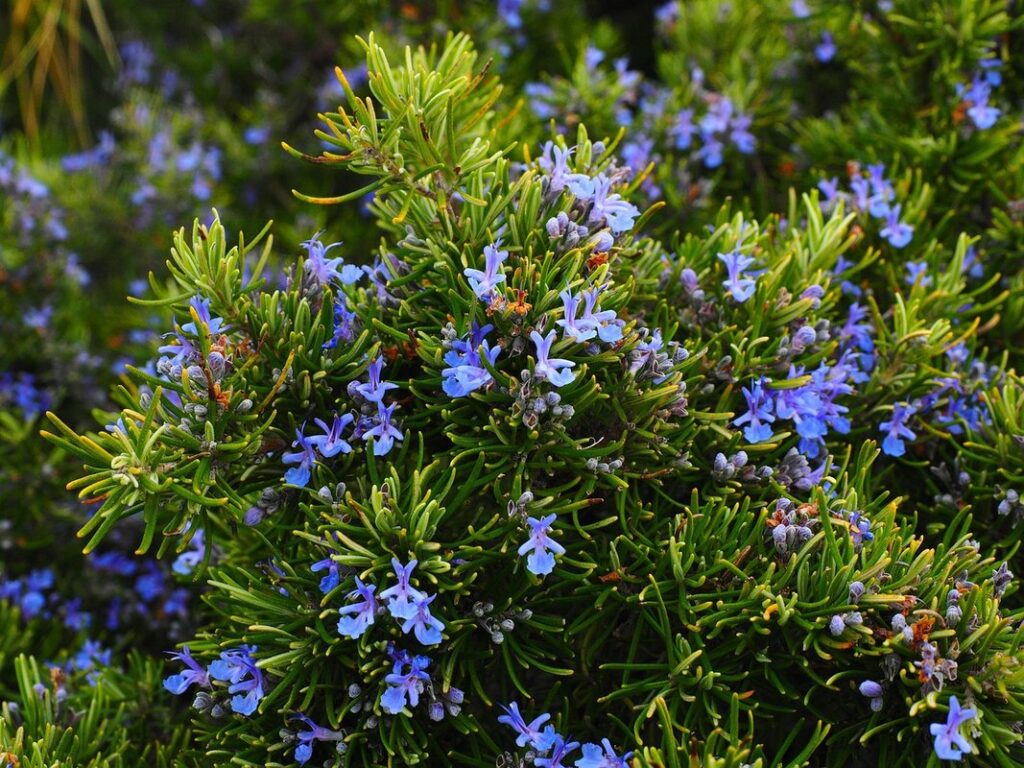
In temperate climates (USDA zones 5-8), the Rosemary (Rosmarinus officinalis) or Lavender (Lavandula angustifolia) are excellent choices. These shrubs enjoy well-drained soil and moderate temperatures, producing fragrant purple flowers in the summer months.
For cool regions (USDA zones 3-4), opt for shrubs like Hyacinth (Hyacinthus orientalis) or Winter Heather (Erica carnea). These varieties prefer cooler temperatures and produce fragrant flowers during the spring or winter seasons. When selecting shrubs, remember to consider factors like soil type, sunlight exposure, and watering needs to ensure your chosen fragrant shrubs thrive in their new home.
Planting and Caring for Fragrant Shrubs
When it comes to planting fragrant shrubs, proper care is essential to encourage healthy growth and abundant blooms. Let’s dive into some essential tips for nurturing your scented shrubs.
Tips for Planting and Establishing Fragrant Shrubs
When planting fragrant shrubs, it’s essential to choose a location that provides the right amount of sunlight and water. For example, lavender requires well-drained soil and full sun to produce its signature fragrance. On the other hand, gardenias thrive in partial shade and consistently moist soil.
To establish your fragrant shrub, make sure to plant it at the same depth as it was in the pot, taking care not to disturb the roots. Water thoroughly after planting and keep the soil consistently moist during the first few months. Mulching around the base of the shrub can help retain moisture and suppress weeds.
As you establish your fragrant shrub, be mindful of overwatering, which can lead to root rot and other problems. Check the soil regularly by inserting a finger into the soil up to the knuckle; if it feels dry, it’s time to water. Avoid getting water on the leaves or flowers to prevent spotting or discoloration.
By following these simple tips, you’ll be well on your way to creating a fragrant and thriving garden that brings joy all year round.
Maintenance and Pruning Techniques for Fragrant Shrubs
To keep your fragrant shrubs thriving and blooming their best, it’s essential to master the art of maintenance and pruning. Regular pruning not only encourages new growth but also helps prevent disease by removing weak and damaged branches that can be susceptible to pests and diseases.
When pruning fragrant shrubs, it’s crucial to understand the type of prune required for each specific variety. Some shrubs like lilac and rose require hard pruning, which involves cutting back a significant portion of the plant to stimulate new growth. In contrast, delicate shrubs like hydrangea and lavender need light pruning to preserve their natural shape.
For most fragrant shrubs, aim to prune in late winter or early spring, before new growth begins. Remove any dead, diseased, or damaged branches first, taking care not to damage nearby healthy stems. For maintenance, ensure your shrubs receive regular watering, fertilizing, and mulching to promote healthy root development.
By following these simple pruning and maintenance techniques, you’ll be rewarded with a stunning display of fragrant blooms that will brighten up your garden for months to come.
DIY Projects with Fragrant Shrubs
Transform your garden into a fragrant haven with our favorite DIY projects featuring shrubs that bloom with intoxicating scents. From wreaths to potpourri, get creative and fill your home with sweet aromas!
Using Fragrant Shrubs in Container Gardens
When it comes to adding fragrance to your outdoor space, container gardens are an excellent option. Fragrant shrubs can thrive in pots and bring a pop of color and scent to even the smallest of areas. To create a stunning container garden with fragrant shrubs, start by selecting plants that will complement each other in terms of texture, size, and bloom time.
Consider using a combination of spring-blooming flowers like lilacs or weigela, which provide a strong fragrance, alongside summer-blooming shrubs like roses or gardenias. Don’t forget to include some greenery like boxwood or rosemary to add depth and structure to your arrangement.
When placing your fragrant shrub container garden, choose a location with plenty of sunlight (most fragrant shrubs require at least 6 hours of direct sunlight) and well-draining soil to prevent waterlogged roots. Water regularly but avoid overwatering, which can lead to root rot and other issues. With proper care and maintenance, your fragrant shrub container garden will be a haven for pollinators and a delight for the senses all season long.
Incorporating Fragrant Shrubs into Cut Flower Arrangements
When it comes to creating stunning cut flower arrangements, incorporating fragrant shrub flowers is a game-changer. Not only do they add a pop of color and texture, but their intoxicating scents can transport you to a different world. So, how do you incorporate these lovely blooms into your arrangements?
Start by choosing the right shrubs for your arrangement. Consider the fragrance strength, bloom size, and shape. For example, if you’re going for a bold statement piece, opt for a fragrant shrub with large, showy blooms like Gardenia or Fragrant Olive. On the other hand, if you prefer a more delicate look, smaller-bloomed varieties like Sweet Box or Viburnum might be the way to go.
To incorporate your fragrant shrubs into your arrangement, follow these simple steps: cut the stems at an angle to promote water uptake, and trim any excess foliage. Next, group them with other flowers and greenery in a harmonious balance of texture and color. To enhance their fragrance, place the arrangement near a heat source or on a sunny windowsill. By following these tips, you’ll be able to create beautiful, fragrant arrangements that will fill your home with sweet scents and leave a lasting impression.
Health Benefits of Fragrant Shrub Oils
Discover how the aromas from fragrant shrub oils can uplift your mood and improve air quality, making them a natural addition to any wellness routine.
Overview of Essential Oil Extraction from Fragrant Shrubs
When it comes to fragrant shrubs, their beauty extends beyond just their stunning flowers. Many of these plants are also a treasure trove of essential oils, which can be extracted and used for various health benefits. Essential oil extraction from fragrant shrubs is a process that involves distilling the plant’s leaves, stems, or flowers to release its potent oils.
Some examples of fragrant shrubs with medicinal properties include rosemary, lavender, and lemon balm. These plants have been used for centuries in traditional medicine to promote relaxation, improve cognitive function, and boost mood. When extracted into essential oils, these compounds can be absorbed through the skin or inhaled, providing a rapid and potent way to experience their benefits.
To extract essential oils from fragrant shrubs at home, you’ll need a few simple tools, including a distillation apparatus and some equipment for collecting and storing the oil. This process may seem daunting, but with practice and patience, you can unlock the full potential of your fragrant shrub plants.
Potential Health Uses for Specific Fragrant Shrub Oils
Certain fragrant shrub oils have been found to possess medicinal properties that can be beneficial for our health. For instance, lavender oil derived from Lavandula angustifolia has been shown to promote relaxation and reduce anxiety levels due to its calming effects on the mind and body. Studies suggest that inhaling the scent of lavender oil can slow down heart rate and lower blood pressure.
Another example is the rosemary oil extracted from Rosmarinus officinalis, which is known for its cognitive-boosting properties. It has been used in traditional medicine to improve memory and focus. Research indicates that rosemary essential oil can enhance alertness and mental performance by stimulating the brain’s neurotransmitters.
To incorporate these oils into your daily routine, try adding a few drops of lavender or rosemary oil to your bathwater or inhaling them through steam inhalation. You can also mix them with carrier oils for topical use, but be sure to dilute them properly before applying to the skin. These natural remedies can provide relief from stress and promote overall well-being, making them an excellent addition to your self-care routine.
Seasonal Variations in Fragrance and Bloom
As you plan your garden, it’s essential to consider how seasonal changes will affect the fragrance and bloom of your shrubs. Different months bring unique scents and colors to these beautiful plants.
Spring, Summer, Autumn, and Winter Blooms
When it comes to choosing fragrant shrubs for your garden, understanding their seasonal blooming patterns can help you plan and enjoy them throughout the year. Spring brings a vibrant explosion of color with many fragrant shrubs bursting into bloom. For example, the ‘Fragrant Cloud’ Gardenia typically blooms from late winter to early spring, filling the air with its intoxicating scent. Other shrubs like the Viburnum and Weigela also produce flowers in shades of pink, white, and red during this time.
Summer is a peak blooming season for many fragrant shrubs, including Hydrangea and Honeysuckle. The sweet fragrance of these blooms is often most potent during the hot summer months. Autumn brings a second wave of blooms from shrubs like Camellia and Chrysanthemum, which are often less commonly known but just as fragrant. Winter might seem like an off-season for blooming flowers, but some shrubs like Daphne and Star Jasmine provide a welcome burst of fragrance during the colder months.
Understanding these seasonal patterns can help you plan your garden and ensure that there’s always something in bloom to enjoy. By choosing a mix of spring, summer, autumn, and winter-blooming fragrant shrubs, you’ll have a constant supply of color and scent throughout the year.
Tips for Extending the Fragrance Period
To get the most out of your fragrant shrubs, it’s essential to extend their fragrance period. This can be achieved through regular pruning, fertilization, and using companion plants. Pruning is particularly effective for promoting new growth and encouraging more blooms.
For example, if you’re growing a Gardenia or an Azalea, prune them after they’ve finished blooming in the spring. Cut back any dead or damaged branches to about one-third of their length. This will encourage the plant to produce new shoots and flowers, which should bloom with a stronger fragrance than before.
When it comes to fertilization, choose a balanced fertilizer that’s high in phosphorus – this will promote healthy root growth and more blooms. You can also use compost or manure to provide essential nutrients to your fragrant shrubs.
Companion planting is another technique that can extend the fragrance period of your shrubs. Some plants, like lavender and rosemary, have a natural ability to repel pests that might damage your shrubs’ flowers. Plant these species alongside your fragrant shrubs for added protection and fragrance boost.
Frequently Asked Questions
How can I propagate fragrant shrubs to multiply their benefits?
Propagating fragrant shrubs is a great way to share the benefits of these lovely plants with friends and family. You can propagate most shrubs through cuttings, layering, or division, depending on the specific variety. Make sure to take healthy stem cuttings from mature branches during the dormant season, and plant them in well-draining soil with adequate moisture.
Can I grow fragrant shrubs indoors if I don’t have outdoor space?
Yes! Many fragrant shrubs can thrive in containers, making them perfect for indoor spaces. Choose compact or dwarf varieties specifically bred for container gardens, and use a well-draining potting mix to ensure healthy roots. Place the pots near a sunny window or under grow lights to provide sufficient light.
How do I choose between different types of fragrant shrubs based on my garden’s climate?
When selecting fragrant shrubs for your garden, consider the specific climate you live in. For example, if you’re in a hot and dry climate, look for heat-tolerant and drought-resistant varieties like rosemary or lavender. If you have mild winters, choose shrubs that bloom during this time, such as camellias or viburnums.
What’s the best way to preserve the fragrance of my fragrant shrub blooms?
To extend the fragrance period of your fragrant shrub blooms, harvest them regularly and use in fresh arrangements. You can also dry the flowers to create potpourri or wreaths that will continue to release their fragrance for months. Consider using essential oils extracted from your fragrant shrubs to preserve their scent.
Can I use fragrant shrubs in my cut flower arrangements if they’re not in season?
While it’s ideal to use freshly cut blooms, you can also dry or press the flowers to create everlasting arrangements that will last throughout the year. To do this, hang the stems upside down in a warm, dry place or use a silica gel to absorb moisture and preserve the flowers’ texture and fragrance.