
If you’re like many gardeners, you know that creating a beautiful and thriving shade garden can be a challenge. But did you know that perennials are an excellent choice for these areas? Not only do they provide year-round interest and color, but they also require less maintenance than annuals. However, choosing the right perennials for your shade garden can be overwhelming with so many options available.
In this article, we’ll walk you through everything you need to know about selecting and caring for perennials in shade gardens. From understanding light levels to tips on plant selection and maintenance, we’ve got you covered. Whether you’re a seasoned gardener or just starting out, our comprehensive guide will help you create a stunning and low-maintenance shade garden that brings joy all year round.
Understanding Your Shade Garden
Understanding your shade garden is crucial for choosing the right perennials, as it directly impacts their growth and success. Let’s explore what makes a great shade garden and how to tailor it to your needs.
Types of Shade
When selecting perennials for your shade garden, it’s essential to understand the different types of shade and how they impact plant selection. Shade can be broadly categorized into three main types: dappled shade, full shade, and partial shade.
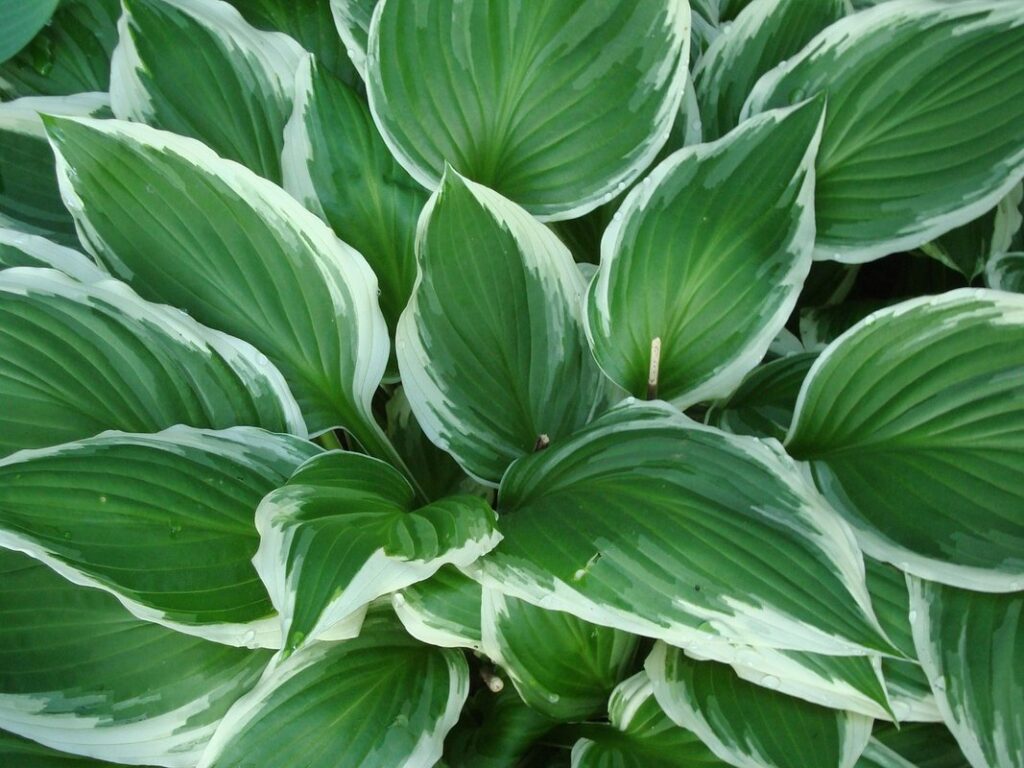
Dappled shade is characterized by a filtered light that passes through trees or other foliage, creating a mix of sun and shade. This type of shade is often found in woodland gardens or under deciduous trees. Plants like Hellebores, hostas, and astilbe thrive in dappled shade, as they require partial sunlight to bloom.
Full shade, on the other hand, refers to an area that receives no direct sunlight for most of the day. This type of shade is often found beneath evergreen trees or near north-facing walls. Plants like ferns, hellebores, and lady’s mantle are well-suited for full shade conditions.
Partial shade is a more nuanced category, as it can vary in intensity depending on the time of day and season. It’s common to find partial shade areas with morning sun and afternoon dappled shade or vice versa. Plants like bleeding heart, foxglove, and coleus excel in partial shade conditions.
To measure light levels in your garden accurately, consider using a light meter or observing natural light patterns throughout the day. Begin by assessing the area during peak sunlight hours (usually between 10 am and 4 pm). Take note of any areas that receive direct sunlight, dappled shade, or full shade. You can also use online tools or apps to help determine your garden’s sun exposure.
By understanding the type of shade in your garden, you’ll be able to choose perennials that thrive in those conditions, ensuring a vibrant and low-maintenance shade garden.
Choosing the Right Perennials for Shade
When it comes to choosing perennials for your shade garden, selecting the right plants is crucial for a thriving and beautiful outdoor space. We’ll walk you through our top picks for vibrant, low-maintenance options.
Plant Selection by Bloom Time
When selecting perennials for your shade garden, it’s essential to consider their bloom times to ensure a constant display of color throughout the year. Perennials that bloom at different times provide a dynamic and ever-changing landscape, making them perfect for shade gardens.
Spring-blooming perennials are some of the first to start flowering in early spring, often as early as February or March. These plants include bulbs like crocuses, grape hyacinths, and daffodils, which naturalize easily and require minimal maintenance. Heuchera, bleeding heart, and astilbe are also popular choices for their delicate flowers and attractive foliage.
Summer-blooming perennials provide a much-needed burst of color in the heat of summer. Plants like hostas, ferns, and coral bells thrive in shade and produce vibrant blooms that attract pollinators. Consider incorporating perennials with different bloom times to create a layered effect, such as pairing spring-blooming bulbs with summer-flowering plants.
When selecting perennials for your shade garden, remember to choose varieties that mature at the right size for your space. Make sure to consider their growth habits and ultimate spread to ensure they don’t overcrowd or become too leggy. For example, a compact hosta like ‘June’ can fit perfectly into small spaces, while larger hostas like ‘Sum and Substance’ require more room to grow.
To create a cohesive look in your shade garden, choose perennials that share similar bloom times or growth habits. This will help create a sense of harmony and balance, making your garden feel more intentional and beautiful.
Perennial Care and Maintenance
To keep your shade-loving perennials thriving, proper care and maintenance is crucial. This section will cover essential tips for watering, pruning, and fertilizing perennials in shady conditions.
Watering and Soil Requirements
When it comes to caring for shade-loving perennials, proper watering and soil conditions are crucial for their survival. Since these plants receive less direct sunlight, they tend to grow more slowly and require more careful attention.
Watering is a delicate balance in shaded areas. Avoid overwatering, which can lead to root rot and other problems. Instead, water your perennials when the top 2-3 inches of soil feels dry to the touch. This will help prevent moisture from accumulating around the roots. You can also use mulch or compost to retain moisture and regulate temperature fluctuations.
Soil conditions are just as important as watering habits. Most shade-loving perennials prefer well-draining, rich soil with a slightly acidic pH (around 6.0-6.5). Mix in some organic matter like compost or leaf mold to improve the soil‘s structure and fertility. Avoid using regular garden soil, which can compact and prevent water from reaching the roots.
Fertilizing perennials in shade requires caution as well. Feed them with a balanced, slow-release fertilizer during the growing season (spring-fall). This will provide essential nutrients without burning their sensitive roots. Pruning is also an essential maintenance task. Remove dead or damaged leaves and stems to promote healthy growth and prevent disease.
The best time for pruning depends on the plant’s specific needs. For example, cut back hostas and astilbe in late winter or early spring before new growth begins. Prune bleeding heart and coral bells after they finish blooming. Prune perennials that bloom in the summer during their dormant season to encourage new growth.
Remember to prune only what’s necessary, as excessive pruning can stress the plant. Fertilize once a year with a balanced fertilizer to maintain optimal soil conditions and promote healthy growth.
Popular Perennials for Shade Gardens
When it comes to choosing perennials for your shade garden, you’ll want plants that thrive in low-light conditions and add vibrancy to your outdoor space year after year. Let’s explore some popular options together!
Hellebores and Hyacinths
When it comes to creating a stunning shade garden, two popular perennials that deserve attention are hellebores and hyacinths. These beautiful plants offer unique characteristics, benefits, and care requirements that make them perfect for adding depth and texture to shaded areas.
Hellebores, also known as Christmas roses, produce nodding, bell-shaped flowers in shades of white, pink, or purple from late winter to early spring. They thrive in partial shade and well-draining soil, making them an excellent choice for woodland gardens or areas with dappled sunlight. One of the most significant benefits of hellebores is their ability to bloom during a time when other perennials are dormant, providing a much-needed splash of color during the winter months.
Hyacinths, on the other hand, offer vibrant, bell-shaped flowers in a range of colors from soft pastels to bold hues. They prefer well-draining soil and full shade, but can tolerate partial shade if necessary. Hyacinths are known for their intoxicating fragrance and ability to naturalize over time, making them an excellent choice for areas with moist soil.
When it comes to care, both hellebores and hyacinths require minimal maintenance. They prefer regular watering during the growing season, but can tolerate some drought once established. Fertilization is not necessary, as these perennials are adapted to poor soil conditions.
To incorporate hellebores and hyacinths into your shade garden design, consider the following tips:
* Plant hellebores in groups for a dramatic effect
* Naturalize hyacinths by dividing and replanting them every few years to encourage new growth
* Use these perennials as a backdrop for smaller plants or as a focal point in their own right
Designing a Shade Garden with Perennials
When it comes to designing a shade garden, choosing the right perennials is crucial for creating a lush and thriving space. We’ll explore some top picks for beautiful blooms that love the shade.
Layered Planting Strategies
When designing a shade garden with perennials, incorporating layered planting strategies can add depth and visual interest to the space. This technique involves using taller plants towards the back of the bed and shorter plants towards the front, creating a sense of hierarchy and balance.
To achieve this effect, start by selecting tall, upright perennials for the back of the bed, such as ferns or hellebores that can grow up to 3-4 feet tall. These plants will provide a structural element and help create a sense of height in the space. Next, choose mid-level plants that are around 1-2 feet tall, like astilbe or ligularia, which can fill in gaps and add texture. Finally, select shorter plants, such as creeping thyme or sweet woodruff, to spill over the front edges of the bed and soften the space.
When selecting companion plants for your shade garden, consider their benefits beyond just aesthetics. For example, some plants like marigold and nasturtium repel pests that target other perennials, while others like borage and comfrey attract beneficial insects. Choose plants that enhance growth by providing shade or reducing soil moisture, such as phlox or daylily. Alternatively, select plants with attractive foliage or flowers that will add visual interest to the space.
When combining plants in a layered planting strategy, remember to consider their mature size, growth habits, and sunlight requirements. Plant taller perennials towards the north or west to avoid casting shade on smaller plants.
Troubleshooting Common Shade Garden Issues
Don’t let shade garden woes get you down – we’ve got solutions for common problems like overwatering, pests, and poor growth. Let’s troubleshoot together!
Pests and Diseases in Shade Gardens
When it comes to shade gardens, pests and diseases can be a significant issue for perennials. One of the most common problems is slugs and snails, which thrive in moist environments. These pests are notorious for their ability to eat through tender shoots and leaves, leaving plants looking wilted and damaged. To control them, consider using copper tape or crushed eggshells around plant stems, as they don’t like to cross over these surfaces.
Another pest that can be a problem is aphids, which are often found on plants with soft new growth. These tiny insects feed on sap, causing curled or distorted leaves. To get rid of them, try spraying the affected area with a strong jet of water or using neem oil as a natural pesticide.
Diseases such as powdery mildew and leaf spot can also affect perennials in shade gardens. These fungal infections thrive in humid conditions and can be spread by overhead watering or poor air circulation. To prevent them, ensure good air movement around plants and avoid getting water on leaves during irrigation.
Overcrowding is another common issue that can lead to pest and disease problems. When plants are too close together, moisture becomes trapped between them, creating an ideal environment for diseases to develop. Consider thinning out plants or dividing congested clumps every few years to maintain air circulation and prevent the buildup of debris.
Frequently Asked Questions
What’s the ideal planting time for perennials in my shade garden?
When selecting perennials, it’s essential to consider the best planting time. In general, spring (March to May) and fall (September to November) are the best seasons to plant perennials in your shade garden. Avoid planting during extreme weather conditions, such as intense heat or freezing temperatures.
How often should I water my shade garden perennials?
Watering is crucial for healthy perennial growth. Water your shade garden perennials deeply once or twice a week, depending on the climate and soil type. Aim to provide about 1-2 inches of water per week. You can also collect rainwater or use drip irrigation systems for more efficient watering.
Can I mix and match different types of shade in my garden?
Yes, you can create a unique and dynamic shade garden by combining different types of shade. For instance, you can plant dappled-shade-loving perennials near a full-shade area. This will add visual interest and provide opportunities for experimentation.
How do I prevent pests and diseases from affecting my shade garden perennials?
To maintain a healthy shade garden, it’s crucial to monitor your plants regularly for signs of pests or diseases. Use organic pest control methods whenever possible, such as introducing beneficial insects or using neem oil. Regularly inspect your plants for any damage or discoloration.
What are some tips for incorporating perennials with different growth habits into my shade garden design?
When designing a layered planting strategy, consider the mature size of each perennial and leave enough space between them for proper air circulation and sunlight penetration. Combine tall plants (such as Hellebores) with shorter ones (like Hyacinths) to create visual interest and balance in your shade garden.