
Are you ready to transform your garden into a vibrant haven for these delicate creatures? Attracting butterflies is easier than you think, especially when you know which shrub species to plant. As we all strive to create more sustainable and wildlife-friendly spaces, learning how to choose the right shrubs that attract butterflies is an essential step in this journey.
But did you know that certain shrub species can be a butterfly’s best friend? These plants provide nectar-rich flowers, shelter from harsh weather conditions, and host plants for caterpillars. By incorporating these shrubs into your garden design, you’ll not only create a haven for butterflies but also contribute to the local ecosystem.
In this comprehensive guide, we’ll take you through the top shrub species that attract butterflies and provide expert tips on how to create a butterfly-friendly garden. Whether you’re an experienced gardener or just starting out, our advice will help you make informed decisions about which shrubs to plant in your garden and how to care for them.
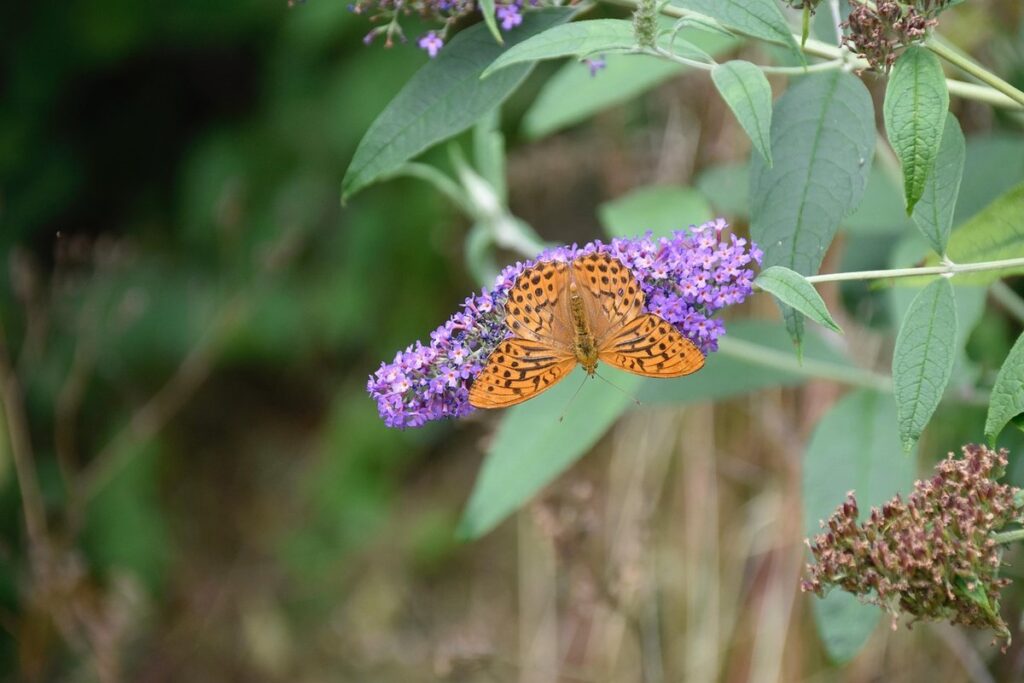
Choosing the Right Shrubs
When selecting shrubs for a butterfly-friendly garden, it’s essential to choose varieties that cater to these beautiful creatures’ specific needs and preferences. Consider the types of flowers, foliage, and growth habits that butterflies adore most.
Considerations for Selecting Butterfly-Attracting Shrubs
When selecting shrubs that attract butterflies, it’s essential to consider their nectar preferences. Butterflies are primarily drawn to flowers with long, tube-shaped structures that allow them to easily access nectar deep within the bloom. Look for shrubs like Butterfly Bush (Buddleja), Lantana, and Fountain Grass, which have abundant nectar-rich blooms. Also, keep in mind that butterflies visit flowers that offer a specific type of nectar, such as sugar-water or amino acids, so choose shrubs with blooms that cater to these preferences.
Another crucial factor is the host plant requirements for butterflies. Different butterfly species rely on specific host plants for their larvae (caterpillars) to feed and develop. For instance, the Monarch butterfly’s caterpillars require Milkweed (Asclepias) as a host plant. If you want to attract these butterflies, ensure that your garden includes shrubs like Butterfly Weed or Swamp Milkweed.
Lastly, consider the growth habits of the shrub when selecting it for your butterfly-friendly garden. Choose compact or low-maintenance shrubs that fit well within your space and don’t overgrow nearby plants. This will help create a harmonious environment for butterflies to thrive in.
Top 10 Butterfly-Attracting Shrubs for Your Garden
When it comes to creating a butterfly-friendly garden, choosing the right shrubs is crucial. Not only do they provide a source of food and shelter for these beautiful creatures, but they also add beauty and structure to your landscape. Here are our top 10 picks for butterfly-attracting shrubs that will make your garden a haven for these winged wonders:
- Butterfly Bush (Buddleja): This shrub is a favorite of many butterfly species, particularly the monarch and painted lady. Its long, conical flowers are rich in nectar, making it an ideal choice for attracting butterflies to your garden.
- Lilac (Syringa): Lilacs are a popular choice for their beautiful blooms, but they’re also a hit with butterflies. Their fragrant flowers are a source of energy and attract species like the American lady and common buckeye.
- Rose of Sharon (Hibiscus syriacus): This shrub produces large, showy flowers that are rich in nectar, making it a magnet for butterflies. Its dense foliage also provides shelter from harsh weather conditions.
- Azalea (Rhododendron spp.): Azaleas come in a range of colors and bloom times, but they all share one thing in common: they’re a favorite food source for many butterfly species.
- Weigela (Weigela florida): With its trumpet-shaped flowers, weigela is a great choice for attracting butterflies to your garden. Its blooms are rich in nectar, making it an ideal choice for monarchs and other long-tongued butterflies.
- Viburnum (Viburnum spp.): Viburnums produce clusters of small, fragrant flowers that are a hit with butterflies. Their dense foliage also provides shelter from harsh weather conditions.
- Camellia (Camellia spp.): Camellias are known for their showy, rose-like blooms, but they’re also a favorite food source for many butterfly species.
- Spirea (Spiraea spp.): Spireas produce clusters of small, fragrant flowers that attract butterflies to your garden. Their dense foliage also provides shelter from harsh weather conditions.
- Lavender (Lavandula spp.): While often associated with bees and hummingbirds, lavender is also a hit with butterflies. Its fragrant blooms are rich in nectar, making it an ideal choice for attracting these winged wonders to your garden.
- Crape Myrtle (Lagerstroemia indica): Crape myrtles produce showy flowers that attract butterflies to your garden. Their dense foliage also provides shelter from harsh weather conditions.
When selecting shrubs for your butterfly-friendly garden, remember to choose a mix of plants that provide nectar and host plants for caterpillars. This will ensure that your garden is a haven for these beautiful creatures all season long!
Understanding Butterfly Life Cycle and Host Plants
To create a butterfly-friendly garden, it’s essential to understand how these beautiful creatures go through their life cycle and which plants they rely on for survival. This stage of growth is crucial in attracting butterflies.
The Importance of Host Plants in a Butterfly’s Life Cycle
When it comes to creating a butterfly-friendly garden, understanding the importance of host plants is crucial. These plants provide more than just beauty; they offer food and shelter for caterpillars at various stages of their development. Without host plants, caterpillars would struggle to survive, let alone transform into beautiful butterflies.
As caterpillars feed on the leaves and stems of host plants, they absorb essential nutrients that fuel their growth. This is particularly important during the larval stage, when they need a reliable source of sustenance to develop properly. For example, the monarch butterfly’s caterpillar relies heavily on milkweed (Asclepias spp.) for its food needs.
Host plants also offer shelter and protection from predators. The leaves and stems provide a safe haven where caterpillars can hide from potential threats. By incorporating host plants into your garden design, you’re creating a welcoming environment that supports the entire life cycle of butterflies. This includes providing the necessary resources for successful metamorphosis and eventual emergence as adult butterflies.
Selecting Shrubs that Provide Host Plants for Different Butterfly Species
When selecting shrubs for your butterfly garden, it’s essential to choose species that serve as host plants for different butterfly species. This will not only attract more butterflies but also support their life cycle.
Monarchs, for instance, rely on milkweed (Asclepias spp.) for their caterpillars to feed on and undergo metamorphosis. Other monarch-friendly shrubs include Passionflower (Passiflora spp.), Butterfly Milkweed (Asclepias tuberosa), and Swamp Milkweed (Asclepias incarnata). These plants are rich in toxic compounds that make the monarch caterpillars unpalatable to predators.
For sulfurs, consider planting shrubs like Nasturtium (Tropaeolum spp.) or Cinnamon Vine (Basella alba), which provide a source of nectar and host leaves for their caterpillars. Swallowtails, on the other hand, prefer plants with large leaves like Fennel (Foeniculum vulgare) or Dill (Anethum graveolens). When selecting shrubs, ensure they are native to your region and suitable for your garden’s climate.
When planting host shrubs, remember that it’s not just about providing food for adult butterflies but also supporting the entire life cycle. By choosing a variety of host plants, you’ll create a welcoming environment that will attract more butterfly species and support their survival.
Designing a Butterfly-Friendly Garden
When it comes to designing a butterfly-friendly garden, choosing the right shrubs is just one piece of the puzzle – we’ll show you how to create an inviting space for these beautiful creatures.
Creating a Habitat with the Right Mix of Nectar Sources and Host Plants
When designing a butterfly-friendly garden, it’s essential to balance nectar-rich flowers with host plants to meet the needs of both adult butterflies and caterpillars. Adult butterflies are drawn to nectar-rich flowers for sustenance, while caterpillars rely on specific host plants for food and shelter.
To create a thriving habitat, incorporate a mix of 20-30% nectar sources (such as butterfly bushes, lantana, or zinnias) with the remaining 70-80% consisting of host plants. For example, if you’re growing milkweed for monarch caterpillars, be sure to include nearby nectar sources like cosmos or sunflowers.
Some essential host plants to consider are:
• Milkweed (Asclepias spp.) for monarchs
• Passionflower (Passiflora spp.) for gulf fritillaries and zebra longwings
• Pipevine (Aristolochia spp.) for swallowtails
When selecting nectar sources, choose shrubs with dense clusters of small flowers, such as butterfly bushes or lilacs. These provide a steady supply of energy-rich nectar to fuel adult butterflies’ flight and activities.
By combining these elements, you’ll create a balanced garden that supports the life cycle of various butterfly species.
Incorporating Water Features for Drinking and Puddling
When it comes to creating a butterfly-friendly garden, incorporating water features is just as crucial as planting shrubs that attract these beautiful creatures. Butterflies need water for drinking and puddling – a behavior where they gather water to extract essential salts and minerals. Shallow dishes or birdbaths are perfect for this purpose, as they provide a shallow pool of water that butterflies can easily land on.
You can place these water features near your shrubs, especially those with nectar-rich flowers like butterfly bushes (Buddleja) or lavender. This will encourage butterflies to visit and stay awhile. Just be sure to change the water frequently to keep it fresh and free of algae.
To make the most of your water feature, consider adding some rocks or twigs for perches – this will allow butterflies to land and take off easily. You can also add a few shallow plates or saucers with fresh fruit like strawberries or oranges – butterflies love the sweetness!
Remember, the key is to provide a source of clean, fresh water that’s easily accessible to your butterfly visitors. By incorporating a water feature into your garden design, you’ll be creating a haven for these delicate creatures and attracting them back time and again.
Planting and Maintenance Tips
To create a thriving butterfly-friendly garden, learning proper planting and maintenance techniques is key. In this next part of our guide, we’ll share essential tips to keep your shrubs healthy and strong.
Planting Shrubs at the Right Time and Spacing
When planting shrubs that attract butterflies, timing is everything. It’s essential to plant them during optimal seasons to ensure healthy growth and maximize their butterfly-attracting potential. In most regions, spring (March to May) and fall (September to November) are the best times to plant shrubs. These periods offer mild temperatures, adequate moisture, and a low risk of extreme weather conditions that can damage newly planted shrubs.
When it comes to spacing your shrubs correctly, consider the mature size of each variety and leave enough room for growth. A good rule of thumb is to space shrubs 3-5 feet apart, depending on their growth habits. For example, if you’re planting a compact shrub that grows only 2-3 feet tall, you can place it closer to other plants or structures. However, if you have a larger shrub that will grow up to 6-8 feet tall, give it plenty of room to spread out.
Proper spacing also allows for good air circulation, reducing the risk of disease and pest issues. This is particularly important when growing butterfly-attracting shrubs, as they can be susceptible to pests like aphids and spider mites.
Regular Maintenance Tasks to Support a Thriving Butterfly Garden
To keep your butterfly-friendly garden thriving, it’s essential to prioritize regular maintenance tasks that promote shrub health and encourage butterfly activity. A key aspect of this is pruning. Prune your shrubs regularly to maintain their shape, promote new growth, and remove dead or diseased branches. This not only keeps the plants looking their best but also prevents disease from spreading and reduces the risk of pest infestations.
In addition to pruning, don’t forget to deadhead spent flowers. This will encourage more blooms to grow, providing a constant source of nectar for visiting butterflies. Aim to remove about one-third of each shrub’s growth during the growing season to maintain its overall health. Water your shrubs regularly, but avoid overwatering, which can lead to root rot and other issues.
Regular inspections are also crucial in identifying potential problems early on. Monitor your plants closely for signs of pests, disease, or nutrient deficiencies, and take action promptly if you notice any issues.
Common Pests and Diseases Affecting Butterfly-Attracting Shrubs
When growing shrubs that attract butterflies, it’s essential to be aware of common pests and diseases that can harm your plants, such as aphids and root rot. These issues are often preventable with proper care and attention.
Identifying and Managing Pests that Target Butterfly Shrubs
When it comes to creating a butterfly-friendly garden, one of the most significant challenges you may face is managing pests that target your shrubs. Butterfly-attracting shrubs like Buddleja and Lantana are particularly susceptible to aphids, caterpillars, and other unwanted critters.
Aphids, for instance, can quickly infest a shrub’s leaves and stems, sucking out sap and causing curled or distorted growth. To manage aphid populations, try introducing natural predators like ladybugs or lacewings into your garden. You can also use neem oil or insecticidal soap to control outbreaks.
Caterpillars, on the other hand, are a major threat to shrubs like Butterfly Bush (Buddleja). These voracious eaters can devour leaves and flowers in no time, leaving behind unsightly frass. Hand-picking caterpillars is an effective way to control infestations, or you can use Bt (Bacillus thuringiensis) to kill them.
Remember, prevention is the best strategy when it comes to managing pests on your butterfly-friendly shrubs. Regularly inspect your plants for signs of damage and take action quickly if you notice any issues. By taking a proactive approach to pest management, you can ensure your garden remains healthy and attractive to those beautiful butterflies.
Recognizing and Treating Fungal and Bacterial Diseases
As you tend to your butterfly-friendly garden, it’s essential to recognize and treat fungal and bacterial diseases that may affect your shrubs. These diseases can be detrimental to the health of your plants and potentially harm the butterflies they attract.
Fungal diseases often manifest as powdery mildew, leaf spot, or root rot. Bacterial diseases, on the other hand, typically cause blight, leaf scorch, or crown gall. To identify these issues, look for yellowing or browning leaves, black spots, or white patches on the stems and foliage.
To treat fungal and bacterial diseases, it’s crucial to adopt a holistic approach that includes pruning infected areas, improving air circulation, and implementing cultural practices such as watering wisely and fertilizing judiciously. For severe infections, consider using fungicides or bactericides specifically labeled for your type of plant.
Keep in mind that prevention is key. Regularly inspect your plants, maintain good garden hygiene, and use resistant cultivars to minimize the risk of disease. By taking proactive measures, you can create a healthy environment where butterflies thrive alongside your beautiful shrubs.
Conclusion
Now that you’ve learned how to choose and plant shrubs that attract butterflies, let’s wrap up our guide with a few final tips for maintaining your butterfly-friendly garden.
Recap of Key Takeaways for Creating a Butterfly-Friendly Garden
As you conclude our journey of discovering shrubs that attract butterflies, it’s essential to recap the key takeaways from this comprehensive guide. By now, you’re equipped with valuable information on creating a butterfly-friendly garden that welcomes these beautiful creatures.
To create an inviting space for butterflies, we emphasized the importance of selecting the right shrubs, which are the foundation of any successful butterfly garden. We discussed how certain species like Butterfly Bush, Rosemary, and Lilac are rich in nectar and provide the necessary sustenance for these lovely insects. By incorporating these shrubs into your landscape design, you’ll be providing a constant food source for butterflies.
In addition to choosing the right plants, designing a butterfly-friendly garden requires careful consideration of other factors. We encouraged readers to incorporate native plants, which are more likely to attract local butterfly species. We also stressed the significance of providing shelter and protection from harsh weather conditions by incorporating dense foliage or shrubs with protective canopies.
To maintain your butterfly garden effectively, we highlighted the importance of watering wisely, as butterflies require moisture-rich environments to thrive. Regular pruning and monitoring for pests are equally crucial in ensuring the health and longevity of your garden. By implementing these tips and recommendations, you’ll be well on your way to creating a thriving haven for butterflies.
Remember, every garden is unique, and it’s essential to adapt this guide to suit your specific climate, soil type, and local butterfly species. With careful planning and attention to detail, you can create a vibrant oasis that brings joy to both you and the butterflies that visit your garden.
Frequently Asked Questions
What’s the ideal spacing for planting butterfly-attracting shrubs in my garden?
When planting butterfly-attracting shrubs, it’s essential to leave enough space between them for proper growth and air circulation. A general rule of thumb is to plant shrubs 3-6 feet apart, depending on their mature size. This will also allow butterflies to easily navigate through the garden.
How do I identify if my butterfly-attracting shrubs are healthy or suffering from pests/diseases?
Regularly inspect your shrubs for signs of stress, pests, or diseases. Look for yellowing leaves, black spots, or unusual growth patterns. Check for insects like aphids, whiteflies, or caterpillars, and treat promptly if necessary. If unsure, consult a gardening expert or local nursery for guidance.
Can I mix different types of shrubs that attract butterflies in the same garden bed?
Yes! Mixing different types of shrubs that attract butterflies can create a diverse and thriving ecosystem. Consider combining nectar-rich shrubs with host plants to cater to various butterfly species’ needs. This will not only attract more butterflies but also provide a nutrient-rich soil structure.
How often should I water my butterfly-attracting shrubs, especially during hot summer months?
Water your butterfly-attracting shrubs regularly, especially during dry spells or extreme heat. Aim for about 1-2 inches of water per week, either from rainfall or irrigation. Avoid overwatering, which can lead to root rot and other issues.
Are there any specific pruning techniques I should follow when caring for my butterfly-attracting shrubs?
Yes! Pruning your butterfly-attracting shrubs correctly is crucial for their health and the butterflies’ habitat. Remove dead or damaged branches in late winter or early spring, and trim back overgrown shrubs to maintain shape and promote new growth. This will also encourage blooming and nectar production.