
Are you looking to add some elegance and charm to your garden? White flowering shrubs are the perfect solution! From classic hydrangeas to fragrant lilacs, these beautiful plants bring year-round interest and a pop of color to any landscape. But they offer more than just visual appeal – white blooming shrubs also provide a vital source of nectar for pollinators like bees and butterflies. Whether you’re a seasoned gardener or just starting out, incorporating white flowering shrubs into your garden design is easier than you think. In this article, we’ll explore the best varieties to try, how to care for them, and tips on how to create a stunning display that will attract pollinators all season long. Get ready to discover the many benefits of these gorgeous plants!
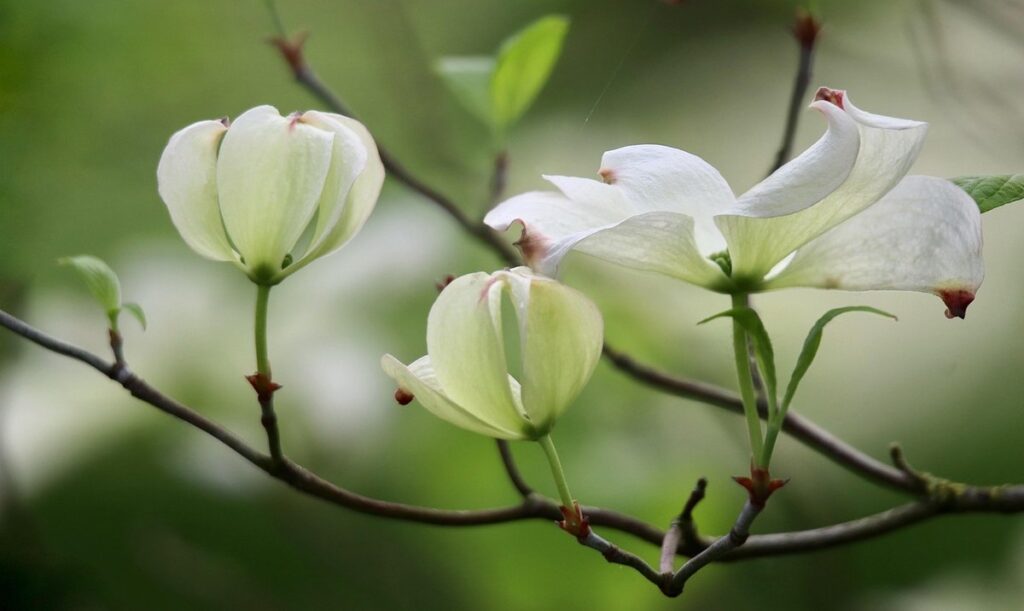
Introduction to White Flowering Shrubs
When it comes to adding a touch of elegance and sophistication to your garden, white flowering shrubs are an excellent choice. In this section, we’ll explore some popular varieties that are sure to impress.
Types of White Flowering Shrubs
When it comes to adding some elegance and charm to your garden, white flowering shrubs are an excellent choice. These beautiful plants not only provide stunning visuals but also create a serene atmosphere perfect for relaxation. There are several types of white flowering shrubs that you can consider, depending on your preference and the climate in your area.
Hydrangeas are one of the most popular choices for their gorgeous white blooms. With over 70 species to choose from, there’s a hydrangea variety to suit every garden style. These shrubs produce large, showy flowers that add a touch of sophistication to any landscape design. Another classic option is roses, with many varieties offering pure white blooms in different shapes and sizes. Lilacs are also a popular choice for their fragrant, conical flowers that bloom in late spring.
When selecting white flowering shrubs, consider factors like sunlight requirements, soil type, and maintenance needs to ensure the plants thrive in your garden.
Benefits of Planting White Flowering Shrubs
Incorporating white flowering shrubs into your garden can have numerous benefits that extend beyond their aesthetic appeal. One of the most significant advantages is their ability to attract pollinators like bees and butterflies, which are essential for the reproduction of many plant species. White flowers, in particular, are a favorite among these beneficial insects, as they provide a rich source of nectar and pollen.
In addition to attracting pollinators, white flowering shrubs can also add year-round interest to your garden. Many varieties produce showy blooms in the spring and summer months, but some also offer attractive foliage or berries during other seasons. For example, the Viburnum tinus produces small white flowers in the winter, adding a touch of elegance to even the chilliest months.
To maximize the benefits of white flowering shrubs, consider planting them near pathways or seating areas where you can enjoy their beauty up close. Also, choose varieties that are native to your region, as these will be more likely to attract local pollinators and require less maintenance.
Hydrangea Varieties with Stunning White Blooms
If you’re looking for a hydrangea that adds a touch of elegance to your garden, look no further than these stunning white-blooming varieties. From ‘Limelight’ to ‘Vanilla Frosting’, we’ve got you covered!
Bigleaf Hydrangeas: The Ultimate White Bloomers
Bigleaf hydrangeas are a popular choice for gardeners seeking stunning white blooms. These shrubs produce large, showy flowers that can grow up to 12 inches in diameter and last from mid-summer to early fall. To achieve the desired white color, bigleaf hydrangeas require slightly acidic soil with a pH between 6.0 and 7.0.
When growing bigleaf hydrangeas for white blooms, it’s essential to avoid using high-phosphorus fertilizers, as this can cause the flowers to turn pink or purple. Instead, use an acidic fertilizer that promotes blooming while maintaining the desired color. Consistent moisture is also crucial; ensure your plant receives at least 1 inch of water per week.
By providing optimal growing conditions and care, you can enjoy large clusters of white blooms on your bigleaf hydrangea shrub. These flowers attract pollinators and add a serene touch to any garden or landscape. With proper maintenance, your bigleaf hydrangea will thrive for years to come, providing an annual display of stunning white flowers.
Panicle Hydrangeas: Drought-Tolerant Beauty
If you’re looking for a hydrangea variety that can withstand drought conditions and still deliver stunning white blooms, consider panicle hydrangeas (Hydrangea paniculata). These shrubs offer a compact growth habit, typically ranging from 3 to 6 feet in height and width, making them an ideal choice for smaller gardens or spaces.
One of the standout features of panicle hydrangeas is their robust white blooms. They produce large, cone-shaped flower clusters that can reach up to 12 inches long, providing a dramatic display of white flowers in mid-to-late summer. These blooms are also relatively heat-tolerant and drought-resistant, making them perfect for areas with low rainfall.
To incorporate panicle hydrangeas into your garden, choose a location with full sun to partial shade and well-draining soil. Water regularly during the first growing season to establish a strong root system, but avoid overwatering, as this can lead to disease issues. With proper care, panicle hydrangeas will thrive in drought conditions, providing years of stunning white blooms to enjoy.
Rose Shrubs with Elegant White Flowers
If you’re looking for a touch of classic elegance in your garden, consider these stunning rose shrubs that boast exquisite white flowers and timeless beauty. From fragrant blooms to lush foliage, we’ve got you covered.
English Roses: Timeless Elegance
English roses are a timeless choice for gardeners seeking elegance and sophistication. These shrubs boast fragrant white blooms that exude old-world charm. One of the defining characteristics of English roses is their compact growth habit, making them an excellent option for smaller gardens or hedges. This compact nature also allows for ease of maintenance, as they require minimal pruning to keep them in shape.
Another significant advantage of English roses is their disease resistance. These shrubs have been bred to be robust and resilient, reducing the need for pesticides and other chemicals that can harm the environment. In fact, many varieties are resistant to common rose diseases like black spot and powdery mildew, making them a low-maintenance choice for gardeners.
When selecting an English rose, consider factors like bloom size, fragrance, and growth rate. Some popular varieties include ‘Iceberg’, ‘Snow Pavement’, and ‘Alba’. These shrubs are perfect for adding a touch of vintage charm to your garden while providing a long-lasting display of white blooms.
Knock Out Roses: Easy-Care Winners
Knock Out roses are a game-changer for anyone who wants to enjoy the beauty of white flowers without breaking a sweat. These stunning shrubs produce clusters of pure white blooms throughout the growing season, and they’re incredibly low-maintenance. One of the reasons Knock Out roses stand out is that they’re disease-resistant and require minimal pruning.
These gorgeous shrubs can thrive in a variety of conditions, from full sun to partial shade, making them perfect for busy gardeners or those new to rose care. They grow relatively fast, reaching heights of around 3-4 feet, and can be pruned back after blooming to maintain shape and promote healthy growth.
What’s more, Knock Out roses are highly resistant to black spot and powdery mildew, common problems that plague many other rose varieties. This means you’ll spend less time spraying for pests and diseases, and more time enjoying the beauty of your blooms. With their compact size, stunning white flowers, and easy-care requirements, it’s no wonder Knock Out roses are a favorite among gardeners everywhere.
Lilac Shrubs with Fragrant White Blooms
Let’s take a closer look at lilacs, one of the most iconic and fragrant white-blooming shrubs that add a touch of elegance to any garden or landscape. These stunning plants are a must-have for any white flower enthusiast!
Common Lilacs: Classic Beauty
Common lilacs (Syringa vulgaris) are one of the most iconic and beloved shrubs with fragrant white blooms. These stunning plants have been a favorite among gardeners for centuries, and it’s easy to see why. In late spring, common lilacs burst into bloom, covering themselves in delicate, tubular flowers that release a heady, sweet fragrance into the air.
When it comes to growing common lilacs, they prefer well-drained soil and full sun to partial shade. They can tolerate some drought, but consistent moisture will result in more vibrant blooms. To encourage healthy growth and fragrant blooms, fertilize your lilac shrub annually with a balanced fertilizer in early spring. Pruning is also essential – trim back your common lilac after blooming to maintain its shape and promote new growth.
With proper care, common lilacs can thrive for decades, providing a stunning display of white blooms year after year. Their classic beauty has made them a staple in many gardens, and it’s not hard to see why. Whether you’re a seasoned gardener or just starting out, incorporating a common lilac into your landscape is sure to bring joy and fragrance to your outdoor space.
Dwarf Lilacs: Compact Options for Small Spaces
If you’re looking for a lilac shrub that won’t overwhelm small spaces, consider dwarf varieties like ‘Palibin’ or ‘Miss Kim’. These compact options still produce fragrant white flowers, but on a smaller scale. The ‘Palibin’ lilac, in particular, grows to be around 3-4 feet tall and wide, making it an ideal choice for tiny gardens or containers.
While they may not produce as many blooms as larger varieties, the white flowers of dwarf lilacs are no less fragrant and beautiful. In fact, their smaller size can make them more accessible to enjoy up close, allowing you to fully appreciate their sweet scent and delicate appearance. When planting a dwarf lilac, be sure to provide it with well-draining soil and full sun for optimal growth.
Keep in mind that dwarf lilacs still require regular maintenance, including pruning and fertilization, to ensure they continue to produce healthy blooms. By following these simple care tips, you can enjoy the beauty of your compact lilac shrub all season long.
White Flowering Shrubs for Winter Interest
As winter’s chill sets in, our gardens need all the vibrancy they can get, and white flowering shrubs are just what the doctor ordered to add some much-needed cheer. Let’s take a look at some stunning options!
Witch Hazel (Hamamelis): Winter’s Sweet Bloom
Witch hazel shrubs are a treasure of winter’s sweet bloom, offering a delicate and ethereal beauty that’s hard to resist. These stunning plants produce spidery white flowers in late winter to early spring, providing a welcome splash of color when much of the garden is still dormant.
To grow witch hazel shrubs with their coveted white blooms, you’ll want to choose a location with partial shade and well-draining soil that’s rich in organic matter. They prefer moist but not waterlogged conditions, making them ideal for woodland gardens or areas with a naturalistic flair. When selecting a variety, look for ‘Arnold Promise’ or ‘Diane’, which are known for their exceptional flower power and robust growth habits.
By incorporating witch hazel into your winter landscape, you’ll be rewarded with an extended period of flowering that can last from January to April in warmer climates. So why not give these versatile shrubs a try? With proper care, they’ll become a staple in your garden, providing months of enchanting beauty and interest during the coldest time of year.
Snowdrops (Galanthus): Early Risers
When winter’s chill begins to set in, few shrubs can rival the snowdrop’s (Galanthus) ability to burst forth with delicate white blooms. These early risers push through even the thickest snow cover, displaying their elegant flowers as early as January or February, often when other signs of life are scarce.
One reason snowdrops stand out is their exceptional hardiness. They can tolerate extreme cold and moisture, making them a perfect choice for areas with harsh winters. In fact, they’ll often thrive in spots where other plants might struggle to survive. To plant snowdrops, simply dig up some bulbs from an existing clump and replant them in well-drained soil. Space them about 3-6 inches apart, as they multiply quickly over time.
As for maintenance, snowdrops are incredibly low-maintenance. They don’t need regular watering or fertilization, making them a great choice for busy gardeners. Simply let them naturalize and enjoy the show each winter! With their ability to bloom through snow and ice, snowdrops bring a welcome touch of beauty to even the coldest winter landscapes.
Tips for Growing and Caring for White Flowering Shrubs
To help your white flowering shrubs thrive, keep in mind these essential tips on pruning, watering, and fertilizing to encourage healthy growth. Proper care will ensure a stunning display of blooms year after year.
Soil Requirements
When it comes to growing and caring for white flowering shrubs, selecting suitable soil conditions is crucial. Different types of shrubs have unique requirements when it comes to pH levels and nutrient needs.
For example, Japanese Garden Juniper (Juniperus procumbens) prefers slightly acidic soil with a pH between 6.0 and 7.0, while the popular Snowy Morn Rhododendron (Rhododendron ‘Snowy Morn’) requires more alkaline conditions, thriving in soils with a pH between 5.5 and 6.5.
In addition to pH levels, nutrient needs also vary among white flowering shrubs. For instance, the Camellia sasanqua prefers well-draining soil rich in organic matter, while the Snowball Bush (Viburnum opulus) does well in slightly acidic soils with moderate fertility.
To ensure your white flowering shrub is getting the right nutrients, consider having your soil tested to determine its pH and nutrient levels. Based on the results, you can amend the soil as needed by adding lime or sulfur to adjust the pH, or compost or fertilizer to provide essential nutrients.
Pruning Techniques
Pruning is an essential part of maintaining white flowering shrubs, as it promotes healthy growth and encourages new blooms. The frequency and technique of pruning vary depending on the type of shrub. For example, hydrangeas require regular pruning to maintain shape and promote blooming, while azaleas should be pruned after they finish blooming to prevent them from producing seeds.
To prune white flowering shrubs effectively, start by removing any dead or damaged branches. Cut these at a 45-degree angle just above a growth node, using sharp, clean tools to minimize the risk of disease transmission. Next, shape the shrub to maintain its desired form, cutting back stems that are leggy or uneven.
For shrubs like lilacs and forsythia, which bloom in late spring, prune them immediately after blooming to promote new growth. This will encourage a profusion of white flowers in the following year. On the other hand, shrubs like hydrangeas and rhododendrons should be pruned before they bloom, as this helps control their size and encourages more flowers.
When pruning white flowering shrubs, remember that less is often more. Prune only what’s necessary to maintain shape and promote new growth, and avoid over-pruning, which can stress the plant and reduce blooming.
Conclusion: Incorporating White Blooms into Your Garden
Now that you’ve discovered the stunning beauty of white-blooming shrubs, it’s time to incorporate them into your garden. When choosing where to plant these showstoppers, consider their mature size and sunlight requirements to ensure a harmonious coexistence with other plants. For example, if you have a compact white bloomer like Dwarf Korean Lilac, pair it with taller flowers that won’t compete for space or light.
When mixing white blooms with existing garden features, balance their delicate hue with contrasting colors to create visual interest. Consider adding decorative elements like white gravel or twinkling lights to enhance the overall ambiance of your garden. Remember, the key is to have fun and experiment with different combinations until you achieve a look that reflects your personal style.
By incorporating white-blooming shrubs into your garden, you’ll not only add elegance but also create a unique space that’s perfect for relaxation and entertainment.
Frequently Asked Questions
Can I plant white flowering shrubs in containers?
Yes, many varieties of white flowering shrubs can thrive in containers, making them perfect for small spaces or patios. When choosing a container, select one that is at least 12-18 inches deep to accommodate the shrub’s root system. Use well-draining potting mix and follow regular watering schedules to ensure optimal growth.
How do I protect my white flowering shrubs from extreme weather conditions?
To shield your white flowering shrubs from harsh weather, provide them with some protection during intense heatwaves or frosts. Apply a layer of mulch around the base of the plant to retain moisture and regulate soil temperature. You can also consider providing shade cloth or bringing potted plants under a covered area.
Can I combine different types of white flowering shrubs in my garden?
Combining various white flowering shrubs can create a stunning display that attracts pollinators all season long. Choose complementary varieties with similar growing conditions and space requirements to ensure they thrive together. Some popular pairings include hydrangeas with lilacs or roses.
How often should I water my white flowering shrubs, especially during droughts?
The watering needs of white flowering shrubs vary depending on the climate and soil type. Water them regularly during hot summer months, but avoid overwatering, which can lead to root rot. In areas with low rainfall, consider installing a drip irrigation system or soaker hose to conserve water.
Can I prune my white flowering shrubs in the fall or winter?
While pruning is essential for maintaining healthy growth and promoting blooming, it’s best to prune your white flowering shrubs during their dormant season (winter or early spring). This allows the plant to recover before new growth begins. Be cautious not to remove too much foliage, as this can reduce next year’s blooms.