
If you’re looking to add some year-round color and interest to your garden, look no further than evergreen shrubs with vibrant red berries. Not only do these stunning plants provide a pop of color in the winter months when other blooms have faded, but they also offer a multitude of benefits for both you and your local wildlife. From their impressive drought tolerance to their value as a food source for birds and small mammals, incorporating evergreen shrubs with red berries into your garden can be a game-changer. But how do you choose the right plants for your space, plant them successfully, and keep them thriving? In this comprehensive guide, we’ll walk you through everything you need to know about selecting, planting, and caring for these beautiful and beneficial evergreen shrubs with red berries.
Characteristics and Benefits of Red-Berried Evergreens
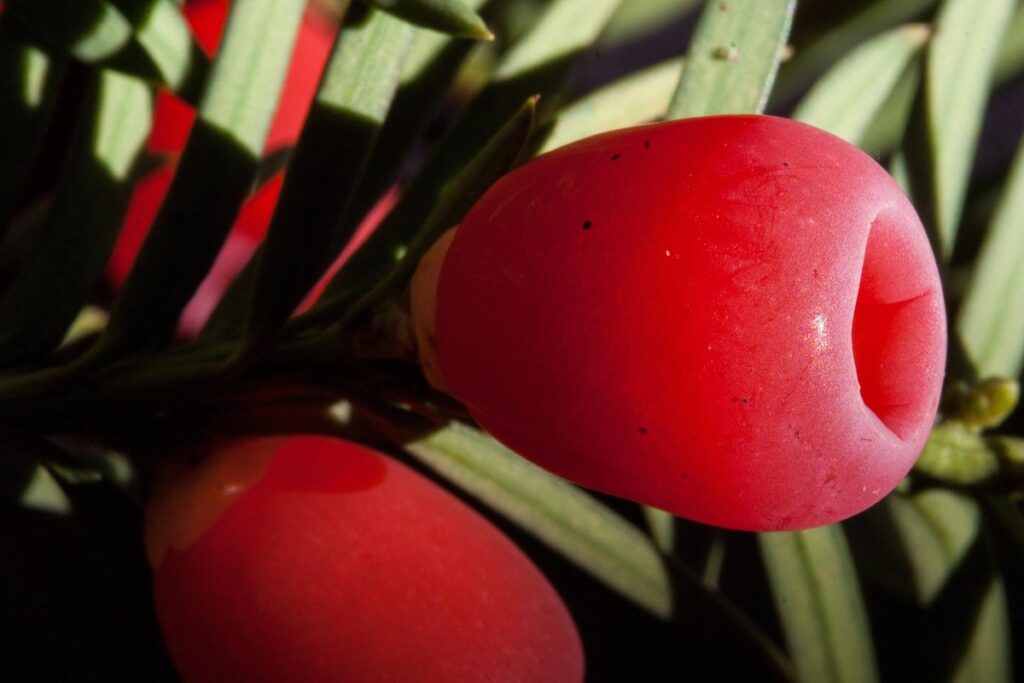
One of the most distinctive features of red-berried evergreen shrubs is their vibrant, long-lasting berries that add color to your landscape year-round. In this section, we’ll explore what makes these plants so special.
Drought Tolerance and Low Maintenance Requirements
One of the most appealing characteristics of evergreen shrubs with red berries is their ability to thrive in various environments, including areas with low water supply. This makes them an excellent choice for gardeners who live in regions prone to drought or have limited watering schedules.
Plants like the Redtip Photinia (Photinia fraseri) and the Christmas Box (Sarcococca hookeriana) are known for their exceptional drought tolerance, making them perfect for areas with low water supply. These shrubs can survive with minimal watering, although consistent moisture will promote healthy growth and berry production.
Choosing evergreen shrubs that require minimal maintenance also has numerous benefits. Not only do they save you time and effort, but they also reduce the amount of resources needed to keep them healthy. For instance, some red-berried evergreens like the Pyracantha or Cotoneaster have low pruning requirements, while others like the Holly require regular pruning to maintain their desired shape.
When selecting a drought-tolerant and low-maintenance red-berried evergreen, consider the specific growing conditions of your area. This will ensure that you choose a shrub that can thrive in its environment with minimal care.
Aesthetic Appeal and Wildlife Value
One of the most striking features of evergreen shrubs with red berries is their vibrant, eye-catching color. The deep crimson hue of these shrubs makes them a stunning addition to any garden or landscape design. Not only do they add a pop of color during the winter months when other plants are dormant, but they also provide a welcome splash of vibrancy in the midst of drab and gray days.
But the aesthetic appeal of evergreen shrubs with red berries extends far beyond their visual allure. These shrubs also play a vital role as a food source for local wildlife. Birds, small mammals, and other animals rely on these shrubs for sustenance during the winter months when other sources may be scarce. By planting these shrubs in your yard, you can help support the local ecosystem and provide critical nutrition to your feathered and furry friends. Consider incorporating multiple species with different berry sizes and types to attract a variety of wildlife and create a thriving habitat in your garden.
Choosing the Right Red-Berried Evergreen Species
Now that you’ve learned about the different types of evergreen shrubs with red berries, let’s discuss how to select the perfect one for your garden, taking into account climate and appearance.
Native vs. Non-Native Plants: Considerations for Your Region
When selecting an evergreen shrub with red berries for your garden, it’s essential to consider whether native or non-native species would thrive best. Native plants have evolved over time to adapt to local climate and soil conditions, making them a more reliable choice for long-term success. They require less maintenance, as they’re better equipped to handle the region’s specific weather patterns and pest pressures.
On the other hand, non-native evergreen shrubs with red berries may bring unique aesthetic appeal but often come with potential drawbacks. Some non-native species can outcompete native plants, leading to a loss of biodiversity in your garden. Additionally, certain non-native plants have been known to become invasive, causing harm to local ecosystems.
Before making a decision, check if the plant is listed as invasive in your region by consulting local resources or contacting gardening experts. This simple step can save you from inadvertently introducing an unwanted problem into your community’s environment.
Top 5 Evergreen Shrubs with Red Berries for Small Gardens
When it comes to small gardens, choosing compact evergreen shrubs with red berries is crucial for maintaining a lush and vibrant landscape. Here are the top 5 evergreen shrub options that fit perfectly into tight spaces.
If you’re looking for a low-maintenance option, consider the Red Twig Dogwood (Cornus sericea). This shrub grows up to 8 feet tall but can be pruned to maintain a height of around 3-4 feet. It produces clusters of bright red berries in the fall and has a unique, reddish-brown stem color that adds winter interest.
Another excellent option is the Pyracantha (Pyracantha coccinea), which grows up to 10 feet tall but can be trimmed back to maintain a compact size. Its white flowers in spring are followed by bright red berries that attract birds and other wildlife. The shrub’s spiny branches also provide a natural barrier against pests.
The Red Osier Dogwood (Cornus sericea f. alba) is another popular choice, with its pure white stems providing a beautiful contrast to the bright red berries. This shrub grows up to 6 feet tall but can be pruned to maintain a smaller size. Its white flowers in spring are also a bonus.
For a more compact option, consider the Wintergreen (Gaultheria procumbens). This low-growing shrub reaches only about 1-2 feet tall and produces small red berries that persist through winter. Its glossy leaves add year-round interest to your garden.
Lastly, the Holly (Ilex aquifolium) is a great choice for small gardens, with its compact size reaching around 3-6 feet tall. Its bright red berries are highly attractive to birds and other wildlife, while its spiny branches provide protection against pests.
Planting and Care Instructions
To ensure your new evergreen shrub thrives, carefully read through these planting and care instructions to get it off to a great start. Follow them closely for optimal results.
Soil Preparation and pH Requirements
When it comes to planting and caring for evergreen shrubs with red berries, one crucial aspect is often overlooked: soil preparation. The right soil conditions can make all the difference in their growth, health, and vibrancy.
To start, test your soil’s pH level using a DIY kit or sending a sample to a lab for analysis. This will give you an idea of whether it’s acidic, alkaline, or neutral. Most evergreen shrubs with red berries prefer slightly acidic to neutral soils, ranging from 6.0 to 7.0 on the pH scale. For example, the beautiful Pyracantha shrub thrives in well-draining soil with a pH between 6.5 and 7.5.
If your soil is too alkaline or acidic, it’s time to amend it. Add organic matter like compost or peat moss to lower pH levels, or lime to raise them. Remember to test the pH again after amending to ensure you’re within the desired range. By getting your soil right, you’ll be giving your evergreen shrubs with red berries a solid foundation for growth and a stunning display of color throughout the seasons.
Watering and Fertilization Best Practices
When it comes to maintaining your evergreen shrubs with red berries, proper watering and fertilization are crucial for promoting healthy growth and maximizing berry production. Overwatering can be detrimental to these shrubs, leading to root rot and other issues that may reduce berry output.
Here’s a basic watering schedule: water your evergreen shrub once or twice a week during the spring and summer months when it’s actively growing. Be cautious not to overwater – allow the top 1-2 inches of soil to dry out between waterings. During the winter months, reduce watering to once every 4-6 weeks.
In terms of fertilization, feed your evergreen shrub with a balanced fertilizer in the spring when new growth begins. Follow the instructions on the package for the recommended application rate, as overfertilizing can damage your plant. Additionally, consider adding a high-potassium fertilizer to promote berry production.
Common Challenges and Troubleshooting
You might encounter some issues while growing your favorite evergreen shrubs with red berries, so let’s tackle some common challenges together.
Pests and Diseases: Identification and Control Methods
As you nurture your evergreen shrub with red berries, it’s essential to be aware of common pests and diseases that can affect its health. One of the most notorious pests is the spider mite, which feeds on plant sap, causing yellowing leaves and fine webbing. To identify a spider mite infestation, look for tiny, moving dots on the underside of leaves or a fine, silk-like coating on the plant’s surface.
Another common issue is root rot, often caused by overwatering or poor drainage. Symptoms include soft, mushy stems, yellowing foliage, and a sour odor from the roots. To prevent root rot, ensure your shrub is planted in well-draining soil and avoid overwatering. If you suspect root rot, lift the plant carefully to assess the roots, and consider repotting with fresh, sterilized soil.
Other pests like scale insects, mealybugs, and aphids can also affect evergreen shrubs with red berries. To control these pests, use a combination of physical removal (e.g., squashing or spraying off affected areas), insecticidal soap, or neem oil according to the product’s instructions.
To prevent disease from taking hold, maintain good air circulation around your plant, and avoid overfertilizing, which can create an ideal environment for pests and diseases to thrive. Regularly inspect your shrub for signs of stress, and take action promptly if you notice any issues.
Nutrient Deficiencies and pH Imbalances
Nutrient deficiencies and pH imbalances can significantly impact the health and berry production of your evergreen shrubs. A lack of essential nutrients like nitrogen, iron, or magnesium can lead to yellowing leaves, stunted growth, and reduced berry quality.
To identify potential nutrient deficiencies, inspect your shrub’s foliage for signs of stress. Look for pale or yellowish leaves, particularly on the younger growth. These symptoms can indicate a deficiency in iron, which is essential for chlorophyll production. To address this issue, consider using iron-rich fertilizers specifically designed for acid-loving plants like rhododendrons and azaleas.
pH imbalances can also affect berry production and plant health. Most evergreen shrubs with red berries prefer slightly acidic to neutral soil pH (around 6.0-7.0). If your soil is too alkaline, iron and other micronutrients become less available to the plants, leading to nutrient deficiencies.
To rectify a pH imbalance, perform a soil test to determine its pH level. Based on the results, add organic matter like peat moss or compost to lower the pH if it’s too high.
Wildlife-Friendly Tips and Considerations
When it comes to choosing evergreen shrubs with red berries, consider these wildlife-friendly tips to ensure your garden is a haven for local wildlife. This will help you create a balanced ecosystem.
Attracting Birds and Other Wildlife with Red Berries
Attracting birds and other wildlife to your garden is easier than you think with the right evergreen shrubs and companion plants. When it comes to red berries, certain varieties are a magnet for pollinators, songbirds, and even larger mammals. Consider incorporating shrubs like Pyracantha or Viburnum, which produce an abundance of juicy red berries that provide a vital food source during the winter months.
To create a wildlife-friendly environment, be sure to choose companion plants that complement your evergreen shrubs with red berries. Incorporating native wildflowers and grasses not only attracts pollinators but also provides shelter and nesting sites for birds and other beneficial species. Some examples of companion plants include coneflowers (Echinacea spp.), black-eyed susans (Rudbeckia hirta), and little bluestem (Schizachyrium scoparium).
When selecting shrubs with red berries, look for varieties that are specifically designed to attract wildlife. For example, the Pyracantha ‘Red Column’ is a popular choice among gardeners due to its profuse production of bright red berries. By choosing the right evergreen shrubs and companion plants, you can create a haven for local wildlife and enjoy the beauty of nature in your own backyard.
Maintenance Strategies for Minimizing Waste and Maximizing Benefits
As you enjoy the beauty and benefits of evergreen shrubs with red berries, it’s essential to consider their impact on the environment and local wildlife. One of the primary concerns is waste management, particularly fallen berries that can attract pests or create unsightly litter.
To minimize waste and maximize benefits, start by choosing shrubs that produce berries in smaller quantities. Some examples include pyracantha (Pyracantha coccinea) and red osier dogwood (Cornus sericea). You can also prune your evergreen shrubs regularly to promote healthy growth and reduce berry production.
Another strategy is to incorporate fallen berries into your garden design. Use them as a natural mulch or add them to compost piles to create nutrient-rich soil amendments. Alternatively, consider using the berries for crafts or wildlife-friendly activities like making bird feeders or attracting pollinators.
By implementing these maintenance strategies, you can enjoy the benefits of evergreen shrubs with red berries while minimizing waste and supporting local wildlife. Remember to monitor your plants regularly and adjust your approach as needed to ensure a harmonious balance between beauty, functionality, and environmental responsibility.
Conclusion
In conclusion, selecting the right evergreen shrub with red berries for your garden can be a daunting task. However, by considering factors such as climate, soil type, and desired appearance, you can make an informed decision. Remember, these shrubs are not only visually appealing but also provide year-round interest and attract wildlife to your garden. Consider combining multiple species to create a vibrant display of color and texture.
When choosing from the various options discussed in this guide, keep in mind that some shrubs may require more maintenance than others. Be sure to research specific care requirements for each plant, including pruning needs and potential pest or disease issues. By carefully selecting an evergreen shrub with red berries, you can enjoy its beauty and benefits for years to come.
Frequently Asked Questions
How do I choose the right red-berried evergreen species for my garden’s unique conditions?
When selecting a red-berried evergreen, consider factors like your climate, soil type, and available space. Research different species’ requirements, such as drought tolerance and pH preferences, to ensure you choose a plant that will thrive in your specific environment.
Can I grow multiple types of red-berried evergreens together in the same garden bed?
Yes! Mixing different species can create a stunning display of colors and textures. However, be mindful of potential competition for resources like water and nutrients. Research companion planting techniques to ensure a harmonious coexistence among your chosen species.
How often should I prune my red-berried evergreen shrubs to maintain their shape and promote healthy growth?
Pruning frequency depends on the specific plant variety and its growing conditions. Generally, aim to prune 1-2 times per year, focusing on maintaining a balanced shape and removing any dead or damaged branches. This will help encourage new growth and prevent disease.
Can I use red-berried evergreen shrubs as part of a low-maintenance groundcover solution?
Yes! Many red-berried evergreen species have a compact growth habit, making them ideal for creating a lush, weed-suppressing groundcover. Consider using plants like the Redtip Photinia or the Holly (Ilex spp.) to create a beautiful and functional groundcover.
How do I protect my red-berried evergreen shrubs from extreme temperatures and weather conditions?
To shield your plants from harsh weather, provide them with proper protection during extreme temperature fluctuations. Mulch around the base of the plant to insulate the roots, and consider using frost blankets or other protective coverings during particularly cold snaps.