
Are you looking to add some drama and flair to your garden with a flowering shrub that’s as versatile as it is beautiful? Look no further than the trumpet vine! This stunning climber or shrub, also known as Campsis radicans, has been a favorite among gardeners for its vibrant trumpet-shaped flowers and ability to thrive in a variety of conditions. But before you bring this showstopper into your yard, there are some essential tips to keep in mind. In this ultimate guide, we’ll walk you through the ins and outs of growing and maintaining trumpet vine, covering topics like climate, soil, pruning, and pest management – everything you need to know to make this plant shine in your garden.
What is Trumpet Vine?
Trumpet vine, also known as Campsis radicans, is a vigorous flowering plant native to North America that’s often mistaken for being invasive. Let’s dive into its characteristics and learn what makes it unique.
Characteristics of Trumpet Vine
Trumpet vine is a vigorous, woody climber that can grow up to 40 feet tall with a spread of around 10-15 feet. Its growth habit is characterized by long, twining stems that can wrap themselves around trees, trellises, or other supports. The plant’s foliage consists of compound leaves with 3-5 leaflets, each 2-4 inches long and 1 inch wide.
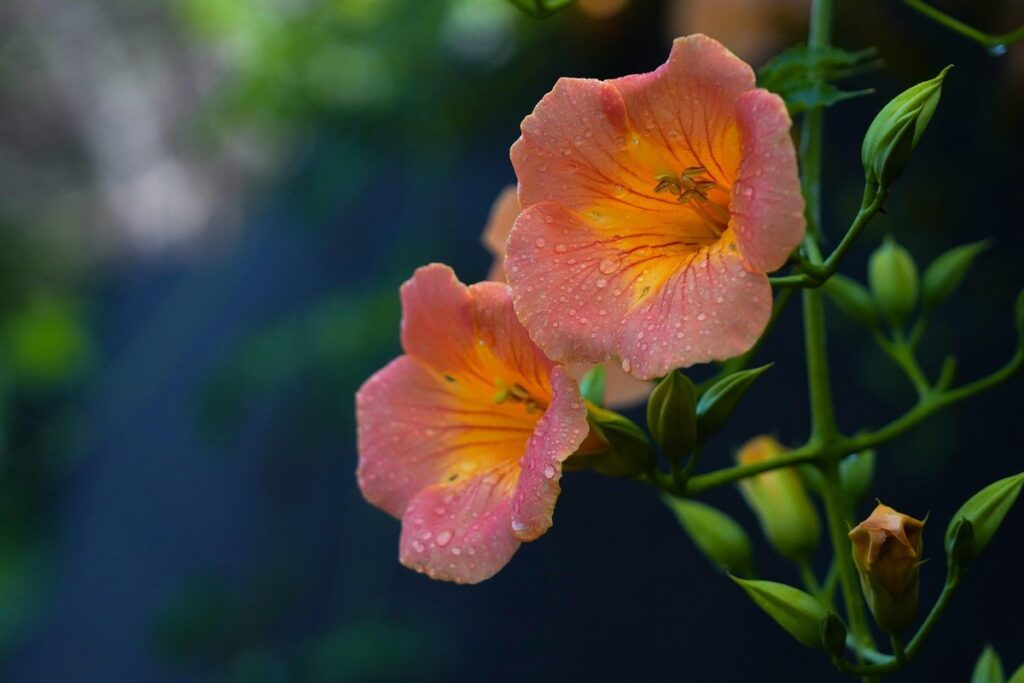
The flowers of the trumpet vine are its most striking feature – bright red, orange, or yellow tubular blooms that can reach up to 6 inches in length. These showy flowers are highly fragrant and bloom from mid-to-late summer, often with multiple blooms on a single stem. Trumpet vine is native to the southeastern United States, where it thrives in USDA hardiness zones 5-9.
When growing trumpet vine, choose a location that provides full sun and well-draining soil for optimal performance. Regular pruning is necessary to control its vigorous growth and encourage blooming.
Types of Trumpet Vine
There are several varieties of trumpet vine, each offering unique features that set them apart from one another. ‘Sterling Silver’ is a popular cultivar known for its pale yellow flowers with a subtle sheen to their petals. This variety is particularly well-suited for gardeners who want a more delicate appearance in their landscapes.
On the other hand, ‘Copper King’ boasts vibrant orange-yellow flowers that add a pop of color to any setting. Its sturdy stems and robust growth habit make it an excellent choice for hedges or screens. Additionally, ‘Red Satin’ features showy red flowers with a slight purple undertone, creating a dramatic effect in gardens.
When cultivating these varieties, keep in mind their specific needs. ‘Sterling Silver’, for example, prefers well-drained soil and partial shade to prevent scorching of its leaves. In contrast, ‘Copper King’ and ‘Red Satin’ thrive in full sun and can tolerate drier conditions. By choosing the right variety for your garden’s climate and conditions, you’ll be able to showcase trumpet vine at its best.
Growing Conditions for Trumpet Vine
To grow a healthy and thriving trumpet vine, you’ll want to understand its specific needs when it comes to sunlight, soil, and temperature. Here are the essential growing conditions to get started.
Climate and Soil Requirements
When it comes to growing trumpet vine, understanding its ideal climate and soil requirements is crucial for optimal growth and blooming. Trumpet vine thrives in full sun to partial shade, preferring at least six hours of direct sunlight per day. In terms of temperature, it can tolerate a wide range of conditions, from USDA hardiness zones 4-9. However, it grows most vigorously in temperatures between 65°F (18°C) and 85°F (29°C).
In terms of soil, trumpet vine is adaptable to various types but prefers well-draining, fertile soil with a pH between 6.0 and 7.0. To replicate this condition, mix in compost or organic matter when planting, which will improve the soil‘s fertility and drainage capabilities. Be cautious not to overwater, as this can lead to root rot. Water your trumpet vine regularly during its first year of growth but reduce watering once it’s established, allowing the top 2-3 inches of soil to dry out between waterings.
For regions with high humidity or extreme temperatures, make sure to provide adequate air circulation around the plant to prevent disease and pests from taking hold. With proper climate and soil conditions, your trumpet vine will reward you with vibrant blooms and rapid growth.
Planting and Care Tips
When planting trumpet vine, it’s essential to choose a location that provides full sun to partial shade and well-draining soil. The ideal spacing for trumpet vine is 3-6 feet apart, allowing for proper air circulation and preventing the spread of diseases. Dig a hole twice as wide and just as deep as the root ball, and mix in a balanced fertilizer according to the manufacturer’s instructions.
Watering is crucial during the first growing season, especially when the plant is young. Aim for about 1 inch of water per week, either from rain or irrigation. Avoid overwatering, which can lead to root rot and other problems. Fertilize annually with a balanced fertilizer in early spring, following the manufacturer’s instructions.
Some common mistakes to avoid when caring for trumpet vine include not providing enough support as it grows, leading to tangled and knotted stems. Another mistake is over-pruning, which can weaken the plant and reduce its flowering potential. Regularly inspect your plant and prune it lightly after the growing season to maintain shape and promote healthy growth.
Uses of Trumpet Vine
One of the most fascinating aspects of trumpet vine is its diverse range of uses, from ornamental gardening to wildlife habitat creation. Let’s explore these unique applications together.
Ornamental Value
As a flowering shrub or climber, Trumpet Vine is a true showstopper in any garden. Its vibrant, trumpet-shaped flowers come in shades of orange, red, yellow, and bi-colored, adding a pop of color to even the most mundane spaces. In landscaping, Trumpet Vine can be used as a fast-growing groundcover or trained up trellises, arbors, and pergolas, making it an excellent choice for hedges, borders, and screens.
In garden design, Trumpet Vine’s versatility is unmatched. Its long, twining stems can be woven through existing shrubs and plants, creating a lush, textured display of flowers and foliage. For a more dramatic effect, train the vines up obelisks or columnar supports to create a stunning focal point in the garden.
In container gardens, Trumpet Vine thrives in large pots or hanging baskets, spilling over the edges with its profuse flowering habit. Whether you’re looking for a low-maintenance groundcover or a dramatic climbing vine, Trumpet Vine is an excellent choice for adding ornamental value to your outdoor space.
Wildlife Attraction and Erosion Control
If you’re looking for a low-maintenance, wildlife-friendly plant to attract hummingbirds and butterflies to your garden, look no further than the trumpet vine. This vigorous climber is a haven for pollinators, providing them with an abundance of nectar-rich flowers that are a vital source of energy.
As the trumpet-shaped flowers bloom in shades of orange, yellow, and red, they serve as a magnet for hummingbirds, which are drawn to their long, extendable tongues. The vine’s ability to attract these birds is not limited to its blooms; its sprawling growth habit also provides shelter from harsh weather conditions, making it an ideal haven for them.
But the trumpet vine’s benefits don’t stop there. Its extensive root system helps to stabilize soil and prevent erosion, which is particularly useful in areas prone to landslides or heavy rainfall. By planting this versatile climber in your garden, you’ll not only be supporting local wildlife but also taking steps to maintain a more sustainable landscape.
Propagation and Maintenance
To keep your trumpet vine thriving, learn how to propagate new plants from cuttings, division, and seed, as well as maintain healthy growth through pruning and fertilization. Regular care will ensure your vine blooms year after year.
Propagation Methods
Propagating trumpet vine can be done through various methods, each with its own set of advantages and challenges. One way to propagate is through seed, but this method can be time-consuming and may not produce plants that are true to the parent plant’s characteristics. If you’re willing to wait a few months for germination, sow the seeds in a well-draining mix and keep them moist until they sprout.
Another popular method of propagation is through stem cuttings. Take 3-4 inch stem sections with at least two sets of leaves, remove lower leaves, and dip the cut ends in rooting hormone powder or liquid. Plant the cutting in a pot filled with a well-draining mix and keep it moist but not waterlogged. Roots should develop within 1-2 months.
Layering is yet another method to propagate trumpet vine, particularly for those who want to retain the plant’s mature size and vigor. Select a long stem and bend it towards the ground, securing it with rocks or a U-shaped wire. Allow the buried section to produce roots over time before cutting it from the parent plant and potting it up.
It’s essential to propagate trumpet vine during its dormant season (winter or early spring) for best results. This allows the new plants to establish themselves before the growing season begins, reducing transplant shock and increasing their chances of survival.
Pruning and Training
Pruning trumpet vine is essential for maintaining its overall health and encouraging it to produce an abundance of those gorgeous flowers. By pruning regularly, you’ll not only keep the plant looking neat and tidy but also promote a strong structure that can support the weight of the blooms.
To prune trumpet vine, start by cutting back any dead or damaged stems in late winter or early spring. This will help eliminate any diseased areas and encourage new growth. Remove about one-third to one-half of the old wood to make way for new shoots, which should be emerging at this time.
As the plant grows throughout the season, continue to prune it regularly to maintain its shape and promote an open, airy structure. This is especially important if you want the vine to trail down a wall or trellis. Prune the tips of the stems about 6-8 inches from the top to encourage branching and more flowers.
You can also use this opportunity to train new growth onto your desired support system, such as a trellis or arbor. Gently twine the stems around the structure, making sure they’re secure but not too tight, which could cause damage to the plant. With regular pruning and training, you’ll be rewarded with an abundance of trumpet-shaped flowers in shades of orange, yellow, red, or bi-colored that will attract hummingbirds and add a pop of color to your garden.
Pest and Disease Management
To keep your trumpet vine healthy, it’s essential to be aware of common pests and diseases that can affect its growth. Regular monitoring and proper care can help prevent infestations and infections.
Common Pests
Aphids, whiteflies, and spider mites are some of the most common pests that can affect trumpet vine plants. These tiny insects can cause significant damage to the plant’s leaves, stems, and flowers if left unchecked. Aphids, for example, secrete a sticky substance called honeydew, which attracts ants and promotes the growth of sooty mold.
To manage aphid infestations naturally, use neem oil or insecticidal soap as a foliar spray. This will help kill the aphids on contact while also preventing them from reproducing. You can also introduce natural predators like ladybugs or lacewings to your garden to control aphid populations.
For whiteflies and spider mites, focus on improving air circulation around the plant by pruning nearby foliage and providing adequate spacing between plants. Regularly inspect your trumpet vine for signs of infestation, such as fine webbing or yellowing leaves. Use a soft-bristled brush to gently remove any visible pests, and follow up with neem oil or insecticidal soap to ensure complete removal.
Preventing these pests from taking hold in the first place is key. Regularly inspect your plants, keep them clean, and maintain good garden hygiene practices will go a long way in preventing infestations.
Fungal Diseases
As you enjoy the vibrant blooms of your trumpet vine, it’s essential to be aware of the potential fungal diseases that can affect this stunning plant. Two common issues are root rot and leaf spot, both of which can be detrimental if left untreated.
Root rot is caused by a variety of fungi, including Phytophthora and Pythium, which thrive in moist environments. This disease typically starts at the base of the plant, causing the roots to decay and the leaves to turn yellow or wilt. To prevent root rot, ensure your trumpet vine has good air circulation and avoid overwatering.
Leaf spot, on the other hand, is caused by fungi such as Cercospora and Septoria. It appears as small, circular lesions on the leaves, often with a reddish-brown center. Regularly inspect your plant for signs of leaf spot, and remove any infected leaves to prevent the disease from spreading.
Preventing fungal diseases requires a combination of good hygiene practices and environmental adjustments. Avoid overwatering, which can create an ideal environment for fungi to grow. Also, be sure to disinfect pruning tools between cuts to prevent the spread of disease.
Conclusion
Now that you’ve learned about the uses and care of trumpet vine, it’s time to put your knowledge into practice. Remember, this versatile plant is perfect for adding a pop of color and attracting pollinators to your garden. To get the most out of your trumpet vine, make sure to choose a sunny spot with well-draining soil and provide regular watering and fertilization. By following these simple steps, you can enjoy the vibrant blooms and stunning foliage that trumpet vine has to offer.
With its ability to thrive in a variety of conditions, trumpet vine is an excellent choice for gardeners of all skill levels. Don’t be afraid to experiment with pruning and training your vine to create unique shapes and displays. And when it’s time to harvest seeds or propagate new plants, make sure to follow proper techniques to ensure successful growth. By doing so, you’ll be rewarded with a bountiful and thriving trumpet vine that will bring joy to your garden for years to come.
Frequently Asked Questions
Can I grow trumpet vine in a container?
Yes, you can grow trumpet vine in a large container with good drainage, but be aware that it will still need support as it grows. Choose a container at least 2-3 times the size of the plant’s root ball and use a well-draining potting mix to prevent waterlogged soil.
How do I prune trumpet vine for maximum bloom?
Prune your trumpet vine in late winter or early spring, removing any dead or damaged growth. Cut back the stems by about one-third to encourage new growth and promote blooming. This will also help control its vigorous growth habit.
Is trumpet vine a good choice for small gardens?
While trumpet vine can grow quite large, it’s not necessarily a bad choice for small gardens if properly managed. Prune it regularly to keep it under control, and consider using it as a trellis or support for other plants to make the most of its space.
Can I use trumpet vine for wildlife attraction in urban areas?
Yes, trumpet vine is a great choice for attracting pollinators and other wildlife to your garden, even in urban areas. Plant multiple vines together to create a robust habitat for beneficial insects and animals, and consider adding a source of water like a birdbath or shallow dish.
How do I prevent trumpet vine from becoming invasive?
While trumpet vine can be invasive in some regions, it’s relatively easy to control its spread by pruning regularly and removing seed pods before they ripen. Also, make sure to plant it in an area where it won’t compete with other plants for resources, such as water and nutrients.