
Are you looking to add some vibrant colors and luscious flavors to your garden? Shrubs with berries are an excellent choice, offering a bounty of delicious fruit while providing stunning visual appeal. Not only do they attract birds and other wildlife, but they also make for beautiful hedges or borders. However, growing these shrubs successfully requires more than just planting and waiting – it demands the right knowledge and care.
In this article, we’ll guide you through the process of selecting, growing, and caring for shrubs with berries in your garden. From pruning and propagation techniques to common pests and diseases, we’ll cover everything you need to know to maximize fruit production and enjoy a thriving and bountiful harvest. Whether you’re a seasoned gardener or just starting out, this article will provide you with expert advice on how to get the most out of your shrubs with berries.
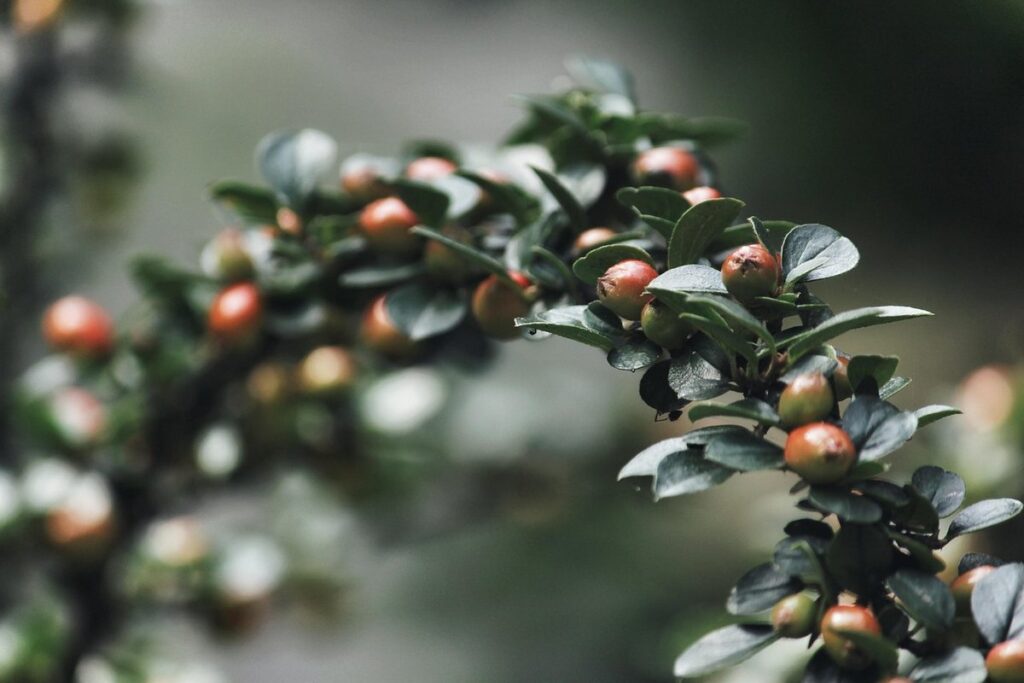
Understanding the Benefits of Berried Shrubs
Berried shrubs offer a multitude of benefits, from attracting pollinators and wildlife to providing a burst of color and fragrance in your garden. We’ll explore the advantages of incorporating these shrubs into your outdoor space.
Types of Berries Produced by Shrubs
When it comes to shrubs with berries, you’ll find a wide variety of delicious fruits to choose from. Let’s start by exploring some popular types of berries produced by shrubs.
Blueberries are one of the most sought-after berry-producing shrubs, and for good reason – they’re packed with antioxidants and taste amazing in baked goods or as a fresh snack. Raspberries and blackberries are also crowd-pleasers, and are often used interchangeably in recipes due to their similar texture and sweetness.
Currants are another popular option, offering both red and black varieties that thrive in well-drained soil and full sun. These shrubs are not only a tasty addition to your garden, but also attract pollinators like bees and butterflies.
Goji berries, native to Asia, have gained popularity worldwide for their nutritional benefits and adaptability to various climates. When growing goji berry shrubs, be sure to provide them with plenty of sunlight and well-draining soil – this will ensure a bountiful harvest come autumn.
Why Choose Beried Shrubs for Your Garden?
When it comes to choosing shrubs for your garden, consider opting for berried shrubs. These not only add beauty and vibrancy to your outdoor space but also provide a range of benefits. One major advantage is the attraction they bring to wildlife. Berries are a vital source of food for various birds, bees, and butterflies, making them an excellent choice if you want to create a haven for local wildlife.
In addition to attracting wildlife, berried shrubs offer edible fruit that can be enjoyed by humans as well. This makes them a great option for gardeners who enjoy foraging or want to incorporate fresh produce into their cooking. Some popular examples of berried shrubs include holly, pyracantha, and cotoneaster.
Not only do berried shrubs provide food and shelter for wildlife, but they also add beauty to your garden through their vibrant foliage and colorful berries. Many species offer attractive white or pink flowers in spring, further enhancing the visual appeal of these plants.
Common Challenges Faced by Berried Shrub Growers
As you venture into growing berried shrubs, you may encounter several challenges that can affect their health and productivity. One of the most common issues is disease susceptibility. Berried shrubs are vulnerable to fungal diseases such as powdery mildew and leaf spot, which thrive in humid environments. To mitigate this risk, ensure your plants receive adequate air circulation and maintain a clean growing area by removing any infected leaves or debris.
Another challenge you may face is pest infestation. Aphids, spider mites, and scale insects often target berried shrubs for their sap. Regularly inspect your plants and treat them promptly if you notice any signs of pests. Use organic or integrated pest management (IPM) methods to minimize harm to the environment.
Soil conditions also play a crucial role in the health of berried shrubs. These plants prefer well-draining soil with a pH between 6.0 and 7.0. Avoid planting them in areas prone to waterlogging, as this can lead to root rot.
Selecting the Right Berried Shrubs for Your Climate and Space
When selecting the right berried shrubs, consider your local climate, available space, and desired berry characteristics to ensure a successful and thriving garden. This section will guide you through that process.
Choosing Beried Shrubs Based on Hardiness Zones
When selecting shrubs with berries, it’s essential to consider your hardiness zone to ensure they thrive in your specific climate. Hardiness zones are defined by the USDA and range from 1 (coldest) to 11 (warmest). Shrubs that are not suited for your zone may struggle or even die during harsh winters.
To determine which shrubs with berries can tolerate your local climate, consult a hardiness zone map and choose plants native to your area. For example, if you live in USDA Zone 5, look for shrubs like the American Cranberrybush (Viburnum trilobatum), which is hardy down to -20°F (-29°C). Similarly, in warmer climates like USDA Zone 8, shrubs like the Southern Wax Myrtle (Myrica cerifera) or the Inkberry Holly (Ilex glabra) can thrive.
When selecting a berried shrub for your garden, also consider factors like soil quality, moisture levels, and sunlight requirements to ensure optimal growth. By choosing a shrub that’s well-suited to your hardiness zone, you’ll be on your way to growing a lush and productive berry-producing garden.
Factors to Consider When Selecting a Berried Shrub Variety
When selecting a berried shrub variety, it’s essential to consider several factors that will ensure it thrives in your specific climate and space. First and foremost, think about the mature size of the shrub. If you have limited space, choose a compact or dwarf variety that won’t outgrow its container or overwhelm surrounding plants.
Another crucial factor is growth rate. Some berried shrubs can grow rapidly, while others are slower-moving. Consider how quickly you want your shrub to mature and whether it will need regular pruning to maintain its shape. Soil tolerance is also vital, as some shrubs prefer acidic soils, while others thrive in alkaline conditions.
Maintenance requirements should not be overlooked either. Some berried shrubs require regular watering, fertilizing, or deadheading, which may be time-consuming or expensive. Consider your lifestyle and the level of care you can provide to ensure the long-term health and productivity of your chosen shrub.
Popular Beried Shrub Varieties for Small Gardens and Containers
When it comes to small gardens or containers, space is limited, but that doesn’t mean you can’t enjoy a variety of berried shrubs. Here are some popular varieties that thrive in compact spaces:
* Dwarf Cherry (Prunus avium) – A compact version of the traditional cherry tree, growing up to 3-4 feet tall and producing an abundance of small cherries.
* Compact Cranberry (Vaccinium macrocarpon) – Perfect for containers or small gardens, this shrub grows up to 2 feet tall and produces a crop of juicy cranberries.
* Wintergreen (Gaultheria procumbens) – A low-growing shrub that spreads out and forms a mat, producing bright red berries in the winter months.
* Blueberry (Vaccinium corymbosum) – While they require acidic soil, dwarf blueberry varieties like ‘Tophat’ or ‘Bluecrop’ can grow up to 2-3 feet tall and produce plenty of delicious blueberries.
When choosing a berried shrub for your small garden or container, remember to consider factors like sunlight, soil quality, and maintenance requirements. These compact varieties are perfect for adding some color and flavor to even the smallest of spaces. With proper care, they’ll provide you with a bounty of fresh berries in no time!
Growing Conditions for Berried Shrubs: Soil, Sunlight, and Water Requirements
To create a thriving environment for your berried shrubs, you’ll want to understand their specific soil, sunlight, and water requirements, which can vary significantly depending on the species. We’ll walk you through these essential growing conditions.
Understanding the Soil Needs of Beried Shrubs
When it comes to choosing the perfect spot for your berried shrub, understanding its soil needs is crucial. Different types of shrubs have distinct requirements when it comes to pH levels, nutrient needs, and drainage.
For example, dwarf blueberries require acidic soils with a pH between 4.0 and 5.5, while some species of holly can tolerate more alkaline conditions up to pH 7.0. On the other hand, dogwood shrubs prefer well-drained soil with a slightly acidic pH between 6.0 and 6.8.
In terms of nutrient needs, many berried shrubs require regular fertilization, especially if they are producing high volumes of fruit. A balanced fertilizer with equal parts nitrogen, phosphorus, and potassium (NPK) is often recommended. However, be sure to follow the specific instructions on the label for your chosen fertilizer.
When evaluating drainage considerations, look for areas that allow excess water to escape freely, such as slopes or berms. Avoid planting in low-lying areas where water may collect. By understanding these specific soil needs, you’ll be better equipped to provide optimal growing conditions for your shrub and maximize its fruit production.
The Importance of Light Exposure for Beried Shrub Growth
When it comes to growing berried shrubs, providing the right amount of sunlight is crucial for their growth and productivity. Different species have varying requirements, but most shrubs with berries need full sun to partial shade to produce an abundance of fruit.
For instance, blueberries require at least 6 hours of direct sunlight per day, while raspberries and blackberries can tolerate some afternoon shade. On the other hand, currants and gooseberries are more adaptable and can thrive in partial shade.
To ensure proper light exposure for your berried shrubs:
* Choose a location that receives sufficient sunlight, considering the specific needs of each species
* Prune nearby trees or other plants to allow enough sunlight to reach your shrubs
* Plant taller varieties behind shorter ones to create a layered effect and optimize sunlight penetration
* Monitor your plants’ response to sunlight and adjust their position accordingly
By providing the right amount of sunlight, you’ll be able to enjoy a bountiful harvest from your berried shrubs.
Watering Tips for Beried Shrubs: Frequency, Depth, and Soil Moisture Checks
Watering is an essential aspect of caring for shrubs with berries. Berried shrubs typically require more frequent watering than other types of shrubs due to their high water demands during the fruiting stage. The frequency of watering depends on factors such as soil type, climate, and season.
As a general rule of thumb, berried shrubs should be watered at least once a week during hot and dry weather conditions. However, this may need to be adjusted depending on your specific location. For instance, if you live in an area with high humidity or frequent rainfall, you may not need to water as frequently.
When watering, make sure to check the soil moisture by inserting your finger into the soil up to the knuckle. If the soil feels dry, it’s time to water. Water at a depth of about 6-8 inches to ensure the roots absorb the water evenly. Avoid overwatering, which can lead to root rot and other problems.
It’s also essential to check the moisture levels in the soil regularly by performing a simple “soil probe test.” This involves sticking a long, thin tool like a pencil or chopstick into the soil to gauge its moisture level.
Pruning and Maintenance Techniques for Optimal Berried Shrub Performance
To get the most out of your berried shrubs, mastering pruning and maintenance techniques is crucial to promoting healthy growth and a bountiful harvest every year. Regular care makes all the difference in their performance.
How to Prune Beried Shrubs for Maximum Fruit Production
Pruning berried shrubs is an art that requires patience and attention to detail. When done correctly, it not only promotes healthy growth but also encourages fruiting and maintains the shape of your shrub. Here’s a step-by-step guide on how to prune berried shrubs for maximum fruit production.
First, inspect your shrub during its dormant season, usually in late winter or early spring. Identify any dead, diseased, or damaged branches that need removal. Cut them off at the base using sharp, clean pruning tools to prevent spreading disease.
Next, focus on thinning out the interior of the shrub by cutting back about one-third of the oldest stems. This allows sunlight to penetrate and promotes air circulation, reducing the risk of fungal diseases. Remove any crossing or rubbing branches that can cause damage to the plant’s structure.
To encourage fruiting, prune your berried shrubs in late winter or early spring before new growth begins. Cut back about one-third of the previous year’s growth, but avoid cutting into old wood as this can reduce fruit production.
Tips for Managing Pests and Diseases in Beried Shrubs
When it comes to managing pests and diseases in berried shrubs, regular monitoring is key. Inspect your plants regularly for signs of infestation, such as tiny eggs, larvae, or actual insects. Common pests like spider mites, mealybugs, and aphids can quickly spread from one plant to another. To prevent the spread, separate infected plants from healthy ones, and isolate them until you’ve taken control measures.
For organic pest control methods, consider using neem oil, insecticidal soap, or horticultural oil. These products can be used as a spray or dip to target specific pests without harming beneficial insects. For example, neem oil is effective against aphids, whiteflies, and spider mites. When using these methods, always follow the product’s instructions and take necessary precautions to avoid over-spraying.
Preventing fungal infections also requires attention to detail. Keep your berried shrubs in well-ventilated areas with good air circulation. Remove any dead or dying leaves to prevent moisture from accumulating and creating an ideal environment for fungi to grow. Water plants at the base, avoiding overhead watering that can splash water onto the leaves. Regularly disinfect pruning tools to prevent the spread of fungal diseases.
Best Practices for Watering and Fertilizing Beried Shrubs
Watering and fertilizing are crucial aspects of caring for berried shrubs. When it comes to watering, consistency is key. Berried shrubs require about 1 inch of water per week, either from rain or irrigation. However, overwatering can be detrimental, so ensure the soil drains well to prevent root rot.
Fertilization should occur in early spring and late summer, using a balanced fertilizer (10-10-10 NPK). Berries are often low-maintenance, but they still benefit from occasional fertilizing. A high-potassium fertilizer can promote fruiting. For example, azaleas prefer acidic soil with a pH between 4.5 and 6.5.
Some berried shrubs, like dogwoods, require specific care. They need regular mulching to retain moisture and suppress weeds. Mulch around the base of the plant, keeping it about 2-3 inches away from the trunk. When fertilizing, be mindful of over-fertilization, as this can lead to nutrient burn.
To avoid under-watering or overwatering, check the soil moisture by inserting a finger into the soil up to the first knuckle. If the soil feels dry, it’s time for watering.
Common Pests and Diseases Affecting Berried Shrubs: Identification and Control Methods
As you work to maintain a healthy shrub, it’s essential to be aware of common pests and diseases that can affect your plants, such as spider mites and root rot.
Identifying Common Pests Affecting Beried Shrub Gardens
Berried shrubs are a haven for various pests that can harm their health and affect berry production. Among these pests, insects like aphids, spider mites, and scale are common culprits. Aphids, for instance, are tiny sap-sucking insects that can reproduce rapidly, causing curled or distorted leaves. They often congregate on new growth, such as flower buds and young shoots.
Spider mites, on the other hand, are microscopic arachnids that feed on plant sap, leaving behind a fine webbing on affected areas. Scale insects, which resemble small bumps or warts on stems and branches, also suck plant sap, causing stunted growth and reduced berry production.
To identify these pests, look for signs like yellowing leaves, curled shoots, sticky honeydew droplets, or actual mite webs. If you notice any of these symptoms, inspect your shrubs carefully to confirm the presence of pests. Regular monitoring is key to catching infestations early on, allowing for effective control measures.
When controlling these pests, remember that a combination of physical removal, horticultural oil sprays, and insecticidal soap can be an effective approach. Avoid using broad-spectrum pesticides, which may harm beneficial insects or contaminate soil and water.
Recognizing Fungal Infections in Beried Shrubs
When it comes to berried shrubs, fungal infections can be a major concern. One of the most common fungal issues is powdery mildew, which causes a white, powdery coating to form on leaves and stems. To recognize powdery mildew, look for a fine dust or powder on the surface of leaves, often accompanied by yellowing or browning around the edges.
Another common fungal issue in berried shrubs is leaf spot, which can cause circular or oval-shaped patches on leaves. These patches may be tan, brown, or gray and can eventually lead to defoliation if left untreated. Root rot is another serious concern, often caused by overwatering and leading to soft, mushy stems that break easily.
To prevent these fungal infections, maintain good air circulation around your berried shrubs, avoid overhead watering, and ensure the soil drains well. Keep an eye out for signs of infection, and treat promptly with fungicides if necessary. By recognizing the symptoms early on, you can help prevent these issues from getting out of hand and keep your berried shrubs healthy and thriving. Regularly inspecting your plants will also help you catch any problems before they become major concerns.
Integrated Pest Management (IPM) Strategies for Beried Shrub Gardens
When it comes to maintaining healthy berried shrub gardens, Integrated Pest Management (IPM) strategies are essential for minimizing chemical use while maximizing effectiveness. IPM is a holistic approach that combines physical, cultural, biological, and chemical controls to manage pest populations.
To implement an effective IPM strategy in your berried shrub garden, start by monitoring your plants regularly for signs of pests or diseases. This can be as simple as inspecting the leaves, stems, and fruit for any visual abnormalities. Keep a record of your observations to track patterns and identify areas where more targeted action is needed.
Biological controls are often the first line of defense in IPM strategies. Encourage natural predators such as ladybugs or lacewings by planting companion flowers that attract these beneficial insects. You can also introduce beneficial nematodes, which attack grubs and other pests beneath the soil surface.
Cultural controls involve modifying your garden’s environment to discourage pest populations. This might include adjusting watering schedules, pruning plants to improve air circulation, or removing weeds that can harbor pests. By combining physical, cultural, biological, and chemical controls, you can create a more balanced ecosystem that minimizes the need for pesticides while maintaining healthy, productive berried shrubs.
Propagation Methods for Berried Shrubs: Division, Cuttings, and Seeds
To successfully propagate your favorite shrub varieties, you’ll need to know the best methods for division, cuttings, and seeds. This section breaks down each technique in detail.
Propagating Beried Shrubs through Division
Dividing an established berried shrub plant is a cost-effective and efficient way to propagate new ones. To begin, choose a healthy shrub with multiple stems, as this will provide the best chance for success. Dig around the base of the shrub, taking care not to damage its roots, until you can see where the different sections meet.
Gently separate the sections using a sharp knife or pruning saw, making clean cuts just above a growth node (where a leaf meets the stem). This will encourage new growth from the cut area. Remove any dead or damaged stems and set the divided sections aside in a shaded area to allow them to establish before transplanting into individual pots.
Keep the soil consistently moist during this time, but avoid overwatering, which can lead to root rot. Once the new shrubs have established themselves, you can transplant them into their permanent location, providing they receive full sun to partial shade and well-draining soil. This method is ideal for shrubs like Pyracantha, Cotoneaster, or Hollies, which produce multiple stems that can be easily divided.
When dividing berried shrub plants, consider the age of the plant. Younger shrubs tend to respond better to division than older ones, as their roots are more adaptable and easier to work with.
Taking Cuttings from Beried Shrubs for Rooting and Growth
Taking stem cuttings from berried shrubs is an effective method of propagation that allows you to multiply your favorite varieties. This process can be a bit tricky, but with the right techniques and care, you’ll be enjoying new growth in no time.
First, select healthy stems with plenty of leaves, as these will have the best chance at rooting successfully. Cut 3-4 inch sections from the stem using a sharp, sterile tool, making sure each cutting has at least two sets of leaves. Remove lower leaves to prevent moisture loss and reduce the risk of fungal diseases.
Next, prepare your rooting medium by filling a propagation tray or pot with a well-draining mix specifically designed for cuttings. Gently place the cut ends into the soil, firming it gently around each stem. Water thoroughly but make sure not to overwater, as this can lead to rot and failure.
To encourage root development, maintain a consistent temperature between 65-75°F (18-24°C) and ensure bright, indirect light. Keep the medium consistently moist but not waterlogged, reducing watering to every other day as new growth appears. With proper care, you should start seeing roots develop within 1-3 months.
Harvesting and Preserving Berried Shrub Fruits
Now that you’ve learned how to choose and care for your shrubs, it’s time to enjoy the fruits of your labor by harvesting and preserving their delicious berries. This section will guide you through the process.
When to Harvest Berried Shrub Fruits: Timing and Method
Harvesting berried shrub fruits requires timing and technique to ensure optimal flavor, texture, and preservation. The ideal harvest time varies depending on the type of berry-bearing shrub.
For example, blueberries and raspberries are typically ready for harvest when they’re plump and easily fall off the bush with a gentle tug. For blackberries and currants, wait until they’ve turned their full color and are slightly soft to the touch. Some shrubs, like aronia and elderberry, may require ripening on the bush before picking.
When harvesting, use clean scissors or clippers to avoid bruising the fruit. For delicate berries like blueberries and raspberries, you can simply pluck them off the bush with your fingers. Be sure to remove any leaves or stems that might be attached to the fruit, as they can cause spoilage. Harvesting during the cooler morning hours helps preserve the berry’s natural sugars and flavors.
Keep in mind that over-ripened berries will lose their flavor and texture quickly, so it’s better to err on the side of under-ripened than over-ripened when picking.
Tips for Storing and Preserving Freshly Harvested Berried Shrub Fruits
When you’ve finally harvested those juicy berried shrub fruits, it’s essential to store and preserve them properly to enjoy their flavor and nutrients throughout the year. One of the best ways to do this is by freezing. Simply wash, dry, and chop or crush the fruits, then spread them out on a baking sheet in a single layer and place it in the freezer. Once frozen, transfer the berries to an airtight container or freezer bag for long-term storage.
Drying is another excellent method for preserving berried shrub fruits. You can use a food dehydrator or dry them naturally by laying them out in a single layer on a wire rack and placing it in a low-temperature oven (150°F – 200°F). Regular jam-making is also a great way to preserve the flavors of your harvested berries. To make a basic berry jam, combine equal parts sugar and water with your fresh or frozen berries in a saucepan and cook until the mixture thickens.
You can also try other preservation techniques like making berry syrup, sorbet, or even pickling some of the fruits for later use. No matter which method you choose, remember to always follow safe food storage practices to prevent spoilage and contamination.
Frequently Asked Questions
Can I grow berried shrubs in containers or small spaces?
Yes, many berried shrub varieties can thrive in containers or small gardens, provided they receive sufficient light, water, and nutrients. When selecting a variety for container growing, choose compact or dwarf types that are bred specifically for smaller spaces.
How often should I fertilize my berried shrubs to maximize fruit production?
Fertilizing your berried shrubs regularly is crucial for optimal growth and fruit production. Feed them with a balanced fertilizer (10-10-10 NPK) in early spring, followed by another application in mid-summer. You can also side-dress with a high-phosphorus fertilizer to promote blooming and fruiting.
What are some common pests that affect berried shrubs and how can I manage them?
Common pests affecting berried shrubs include aphids, whiteflies, spider mites, and Japanese beetles. Use integrated pest management (IPM) strategies, such as introducing beneficial insects, practicing good hygiene, and applying targeted pesticides only when necessary.
Can I propagate berried shrubs through division or cuttings?
Yes, many berried shrub varieties can be propagated through division or cuttings. Division is best done in late winter or early spring, while stem cuttings can be taken at any time of the year, provided they are rooted in a suitable medium.
How do I know when to harvest my berried shrubs’ fruits?
Harvest times vary depending on the specific variety and climate. Generally, blueberries and raspberries are ready for picking when they’re fully ripe and have a slight give when pressed. Check your plants regularly and pick berries frequently to encourage repeat flowering and fruiting.