
Are you ready to add a pop of vibrant color to your garden? Red flowering shrubs are the perfect solution! Not only do they provide stunning beauty, but they also offer numerous benefits for your outdoor space. From attracting pollinators and adding fragrance to providing year-round interest and structure, these amazing plants have got it all. But with so many options available, choosing the right ones can be overwhelming. In this article, we’ll guide you through the best red flowering shrubs that thrive in various conditions, share their growing requirements, and provide design ideas on how to incorporate them into your garden. Whether you’re a seasoned gardener or just starting out, get ready to discover the magic of red flowering shrubs and learn how to make them shine in your own outdoor space!
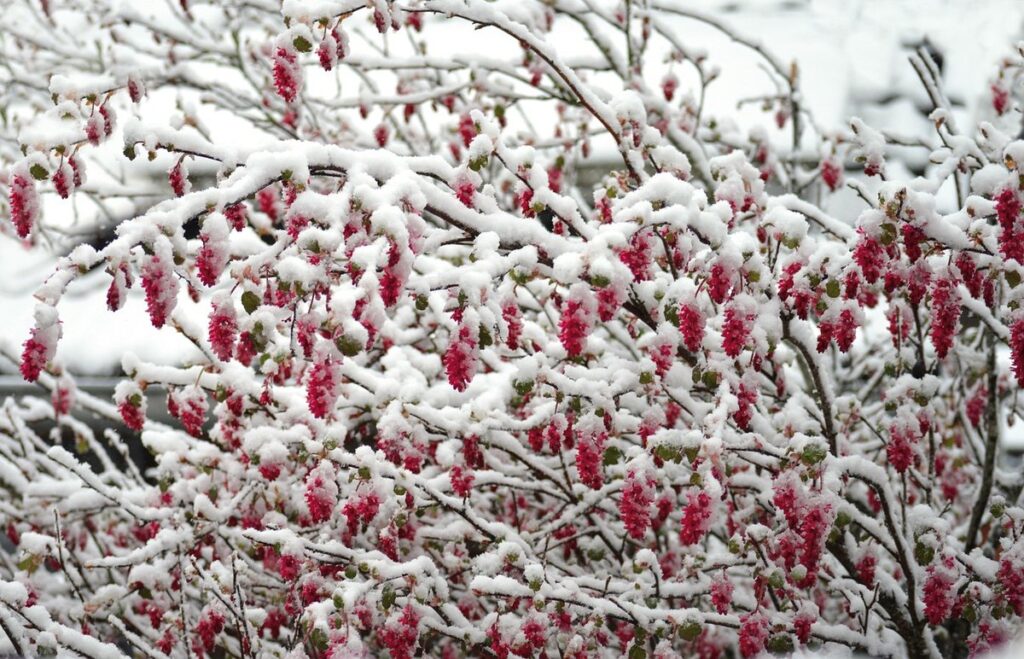
Introduction to Red Flowering Shrubs
Red flowering shrubs bring a pop of color and vibrancy to any garden, and in this section we’ll explore some popular varieties to consider for your outdoor space. Let’s dive into the world of red blooming shrubs!
Benefits of Planting Red Flowering Shrubs
Red flowering shrubs are an excellent choice for gardens due to their numerous benefits. One of the significant advantages is their low maintenance requirements. Unlike other flowering plants that demand regular pruning and watering, red flowering shrubs can thrive with minimal care. This makes them perfect for busy gardeners or those who want to add some color to their outdoor space without a lot of fuss.
Another benefit of incorporating red flowering shrubs into your garden is their ability to attract pollinators. Many species of these shrubs are rich in nectar, which attracts bees, butterflies, and other beneficial insects. This not only adds beauty to your garden but also supports the local ecosystem. For example, the Scarlet Bloom Red Flowering Shrub is a popular choice among gardeners due to its vibrant red flowers that attract hummingbirds and other pollinators.
Their vibrant color is another reason why red flowering shrubs are a great addition to any garden. They come in a range of shades from soft pink tones to deep crimson hues, providing a pop of color that can add depth and interest to your outdoor space. By incorporating these beautiful plants into your garden design, you can create a stunning display of color that will last throughout the growing season.
Importance of Choosing the Right Variety
When it comes to selecting the perfect red flowering shrub for your garden, it’s essential to choose a variety that suits your specific needs and conditions. Different types of red flowering shrubs have unique characteristics that make them suitable for various garden settings.
For example, if you have full sun (at least 6 hours of direct sunlight) and well-drained soil, consider planting the Knock Out series. These low-maintenance shrubs thrive in hot conditions and produce vibrant red blooms throughout the growing season. On the other hand, if your garden receives partial shade or has moist, fertile soil, a variety like the Camellia japonica may be more suitable.
Consider the mature size of the shrub as well. If you have limited space, compact varieties like the Weigela florida ‘Red Prince’ can provide stunning red blooms without taking up too much room. Ultimately, selecting a red flowering shrub that meets your specific garden requirements will ensure it thrives and provides years of beautiful color and interest.
Types of Red Flowering Shrubs
When selecting the perfect red flowering shrub for your garden, it’s essential to consider a variety of options to ensure you find the one that suits your needs and style. Let’s explore some popular types together.
1. Weigela (Weigela florida)
Weigela (Weigela florida) is a stunning addition to any garden, boasting bright red flowers that bloom in late spring and early summer. These vibrant blooms are not only a feast for the eyes but also attract hummingbirds and other pollinators, making them an excellent choice for wildlife-friendly gardens.
One of the standout characteristics of weigela is its drought tolerance. This shrub can thrive in a range of conditions, from well-drained soils to those that are slightly moist but not waterlogged. Its adaptability makes it an ideal choice for gardeners who may forget to water their plants from time to time or live in areas with low rainfall.
Weigela’s ability to grow in various soils is also noteworthy. It can tolerate a range of pH levels, from acidic to alkaline, making it suitable for gardens with diverse soil types. This flexibility allows you to plant weigela in areas where other shrubs may struggle to survive. To get the most out of your weigela, ensure it receives at least six hours of direct sunlight per day and prune it regularly to maintain a neat shape and encourage new growth.
2. Knotted Rose Madder (Rosa rubiginosa)
Knotted Rose Madder (Rosa rubiginosa) is a beautiful and versatile shrub that’s perfect for adding a pop of color to your garden. One of its standout features is the intoxicating fragrance emitted by its foliage, which is a sweet and slightly spicy aroma that’s sure to delight. But it’s not just its scent that makes this shrub special – its clusters of small, delicate red flowers are a joy to behold in late spring and early summer.
As the seasons change, Knotted Rose Madder continues to provide interest with its bare stems standing tall against the winter landscape. This unique trait makes it an excellent choice for gardeners who want year-round interest in their shrubs. To maximize its impact, consider planting multiple specimens spaced evenly apart to create a stunning display of red flowers and foliage.
In terms of care, Knotted Rose Madder is relatively low-maintenance – simply provide it with well-draining soil and full sun to partial shade, and prune it back after flowering to maintain its shape. With proper care, this shrub will thrive for years to come, providing a burst of color and beauty in your garden every spring.
3. Red Flowering Quince (Chaenomeles speciosa)
Red Flowering Quince (Chaenomeles speciosa) is an excellent choice for adding vibrant red flowers to your garden. This beautiful shrub bursts into bloom in early spring, producing stunning red blossoms that can last for several weeks. The flowers are not only visually appealing but also attract pollinators and other beneficial insects to your garden.
After the blooming period, Red Flowering Quince produces attractive fruit that persists through the summer months. The red hips, as they’re called, provide a striking contrast to the lush foliage and add visual interest to your landscape. In fall, the shrub transforms into a kaleidoscope of color with hues of orange, yellow, and red.
One of the advantages of Red Flowering Quince is its ability to thrive in challenging conditions. It tolerates poor soil and drought, making it an excellent choice for areas with limited watering schedules or poor soil quality. To ensure your shrub blooms profusely, plant multiple specimens nearby to create a hedge or border. Prune the shrubs after blooming to encourage new growth and maintain their desired shape. With proper care, Red Flowering Quince can grow up to 10 feet tall, providing years of beautiful red flowers, attractive fruit, and stunning fall color to your garden.
Growing and Caring for Red Flowering Shrubs
Now that you’ve chosen your perfect red flowering shrub, let’s dive into how to give it the TLC it needs to thrive in your garden. Proper care is key to stunning blooms year after year.
Planting and Establishment Tips
When planting new red flowering shrubs, timing is crucial. In general, spring and fall are ideal seasons for planting, as they offer a mild climate with ample moisture. Avoid planting during the heat of summer when plants may struggle to establish themselves. If you’re in an area with harsh winters, it’s best to plant in the spring after the last frost.
Proper spacing is essential for healthy growth and blooming. Most red flowering shrubs prefer well-drained soil and full sun to partial shade. Plant them 3-5 feet apart, depending on their mature size, to ensure adequate air circulation and access to sunlight. Water thoroughly after planting and keep the soil consistently moist during the first few weeks.
For initial care, fertilize your new shrubs with a balanced, slow-release fertilizer in early spring. Mulch around the base to retain moisture and suppress weeds. Prune any dead or damaged branches as soon as possible to promote healthy growth. With proper care, your new red flowering shrubs will establish themselves quickly and thrive in their new home.
Watering and Fertilization Practices
To ensure that your red flowering shrubs thrive and provide an explosion of color throughout the growing season, it’s essential to establish optimal watering habits. Water these plants regularly during their first year of growth, but avoid overwatering which can lead to root rot and other problems. A general rule is to water them once a week, unless you’re experiencing drought conditions or excessive rainfall.
When it comes to fertilization schedules, feed your red flowering shrubs with a balanced fertilizer in the early growing season. This will provide essential nutrients for healthy growth and blooming. During the peak bloom period, switch to a high-phosphorus fertilizer to promote more blooms. As an example, apply a 10-20-10 (nitrogen-phosphorus-potassium) fertilizer once a month during the spring.
Pruning techniques are also crucial in promoting healthy growth and encouraging blooming. Prune your shrubs immediately after they finish blooming to maintain their shape and encourage new growth. By following these watering, fertilization, and pruning practices, you’ll be rewarded with vibrant blooms and a thriving garden.
Pest and Disease Management
Red flowering shrubs bring vibrancy and beauty to any garden, but like all plants, they’re susceptible to common issues that can detract from their aesthetic appeal. One of the most pressing concerns for red flowering shrub owners is pest infestation. Aphids, scale, and spider mites are notorious culprits, feeding on sap and causing damage to leaves and flowers.
To prevent these pests, ensure you’re providing optimal growing conditions for your plants, including adequate water supply, proper pruning, and regular fertilization. Fungal diseases like root rot can arise when the plant is waterlogged or has poor air circulation.
If infestation occurs, treat your shrubs with neem oil or insecticidal soap according to the product’s instructions. Regularly inspecting your plants for signs of pests will allow you to take swift action before the issue becomes more severe.
For fungal diseases like root rot, adjust your watering schedule and improve air circulation around the plant by pruning nearby foliage. This can help prevent further damage and promote healthy recovery.
Design Ideas and Placement Strategies
When it comes to incorporating red flowering shrubs into your garden design, placement is key. Strategically placing these vibrant plants can create a stunning visual impact.
Red Flowering Shrubs in Landscape Design
Red flowering shrubs are versatile plants that can be used to create stunning borders, hedges, and specimen plantings that add a pop of color to your garden. When it comes to designing with red flowering shrubs, one of the most popular ways to use them is as a border plant. Imagine lines of vibrant red flowers spilling over into neighboring beds or creating a striking edging around a patio or pathway.
To create a visually appealing border, consider using a mix of different red flowering shrub species, varying in height and bloom time to ensure year-round interest. For example, you could pair the compact, spring-blooming Knock Out Rose with the taller, summer-flowering Weigela ‘Red Prince’ for a dynamic display of color.
When choosing a location for your red flowering shrubs, consider their mature size and growth habits to avoid overcrowding or competing with other plants. Also, think about the surrounding landscape’s style and color palette to ensure that your chosen shrubs complement the existing design. By incorporating these tips into your planning process, you can create stunning displays of red flowering beauty in your garden.
Combining with Companion Plants
When it comes to creating visually stunning garden designs with red flowering shrubs, combining them with companion plants is essential. By pairing these show-stopping shrubs with perennials and groundcovers, you can achieve a cohesive and harmonious look that’s sure to impress.
Start by choosing companion plants that complement the red hue of your chosen shrub. For example, if you’re using a vibrant red flower like the Knock Out series, pair it with neutral-toned perennials like gray-leaved catmint or white-blooming coneflower. This contrast will create visual interest and allow the red flowers to take center stage.
Consider the mature size of both plants when selecting companions. A compact shrub paired with a sprawling groundcover can create a beautiful, balanced look. For instance, combine the low-maintenance Red Tip Photinia with creeping thyme for a stunning combination that requires minimal upkeep.
Remember, mixing and matching different textures, shapes, and sizes will add depth to your garden design. By combining red flowering shrubs with versatile companion plants, you can create a dynamic, year-round display of color and beauty in your garden.
Maintenance and Long-Term Care
To keep your beautiful red flowering shrubs thriving, regular maintenance and long-term care are essential to ensure they continue to add color and vibrancy to your garden year after year.
Seasonal Pruning and Training
To maintain the vibrancy and beauty of your red flowering shrubs, it’s essential to prune them seasonally. Pruning encourages new growth, promotes blooming, and helps maintain their desired shape. The best time to prune red flowering shrubs depends on the specific type, but generally, it’s done in late winter or early spring before new growth begins.
For example, consider the ‘Knock Out’ series of shrubs, which bloom profusely from May to October. To encourage continuous blooming and maintain their shape, prune them lightly in late February or early March by removing about 10-20% of the old wood. This will help promote new growth and direct energy towards producing more flowers.
When pruning, remember to remove any dead, diseased, or damaged branches. Make clean cuts using sharp tools, and avoid over-pruning, as this can stress the plant and reduce blooming. By incorporating regular pruning into your maintenance routine, you’ll enjoy a bountiful display of red flowers throughout the growing season.
Protection from Extreme Weather Conditions
When you’ve invested time and care into cultivating beautiful red flowering shrubs, protecting them from harsh weather conditions is essential to ensure their long-term health. Extreme heat, cold, and wind can cause significant stress, leading to damage or even the death of your plants.
To shield your red flowering shrubs from scorching temperatures, provide adequate shade during the hottest part of the day by using a trellis or installing a sunshade. This will not only reduce sun exposure but also prevent moisture loss through transpiration. Water deeply but infrequently to encourage deep root growth and help your plants survive dry spells.
For cold protection, mulch around the base of your shrubs to insulate the roots and retain moisture. You can also use burlap or frost cloth to cover sensitive areas during prolonged periods of frost. Regularly inspect your plants for signs of wind damage, such as broken stems or branches, and prune them promptly to maintain their shape and prevent further stress.
By taking these precautions, you’ll be able to enjoy the vibrant blooms of your red flowering shrubs for seasons to come.
Conclusion and Final Tips
Now that you’ve added some stunning red flowering shrubs to your garden, let’s wrap up with some final thoughts on making them thrive. Here are our top tips for success!
Recap of Key Takeaways
As we conclude our exploration of the best red flowering shrubs to add color and beauty to your garden, let’s recap the key takeaways from this article. We’ve discussed the numerous benefits of incorporating these stunning plants into your outdoor space, including their ability to attract pollinators, provide vibrant blooms throughout various seasons, and offer a pop of color during the colder months.
From the types of red flowering shrubs we covered – such as Knock Out roses, Camellias, and Weigela – to the growing requirements that ensure they thrive in your garden, you now have a solid understanding of what it takes to make these plants shine. Remember to provide them with well-draining soil, full sun to partial shade, and regular watering for optimal results.
In terms of design ideas, we shared creative ways to incorporate red flowering shrubs into your garden’s landscape, from creating a focal point to adding a splash of color to existing plantings. Finally, our maintenance tips will help you keep these beautiful plants healthy and thriving throughout the growing season. By following these guidelines, you’ll be well on your way to enjoying a stunning display of red blooms in your very own garden!
Encouragement to Get Creative with Red Flowering Shrubs
As you’ve discovered the best red flowering shrubs to add color and beauty to your garden, it’s now time to get creative with these stunning plants. Think beyond traditional landscaping methods and experiment with unique varieties and placement strategies to create a truly show-stopping garden.
Consider combining different species of red flowering shrubs to create a vibrant tapestry of colors. For example, pair the bright fire engine red of the Red Tip Photinia (Photinia fraseri) with the deep burgundy hue of the Crimson Pygmy Barberry (Berberis thunbergii). This striking combination will add depth and visual interest to your garden.
Don’t be afraid to think outside the box when it comes to placement. Train a compact red flowering shrub like the Weigela florida to climb up a trellis or arbor, creating a stunning focal point in your garden. Alternatively, group multiple plants together to create a bold statement piece. With a little creativity and experimentation, you can turn your garden into a masterpiece of color and beauty that’s sure to impress friends and family alike.
Frequently Asked Questions
How do I choose the right red flowering shrub for my garden’s specific conditions?
Consider factors like sunlight, soil type, and moisture levels when selecting a red flowering shrub. Research the plant’s growth requirements and ensure they align with your garden’s conditions to avoid disappointment.
Can I grow red flowering shrubs in containers?
Yes, many red flowering shrubs can thrive in containers, but make sure to choose varieties that are compact or dwarf to accommodate smaller spaces. Use well-draining potting mix and a large enough container to provide sufficient root space for the plant’s growth.
How often should I water my newly planted red flowering shrub?
Water your newly planted red flowering shrub regularly during its first year, but avoid overwatering, which can lead to root rot. Water when the top 2-3 inches of soil feels dry to the touch, and adjust watering frequency as needed based on weather conditions.
Can I prune my red flowering shrub at any time?
No, pruning your red flowering shrub at the wrong time can reduce blooming or even harm the plant. Prune in late winter or early spring before new growth begins for most varieties, but check specific pruning recommendations for your chosen species to ensure optimal results.
How do I protect my red flowering shrubs from extreme weather conditions?
Protect your red flowering shrubs from intense heat, cold snaps, and strong winds by providing shade, mulching around the base, and securing plants that may be vulnerable to damage. Regularly inspect your plants after severe weather events and take action promptly if necessary.