
Are you looking for a low-maintenance yet high-impact addition to your garden or landscape? Look no further than the stunning red twig dogwood shrub! This beautiful plant is not only a feast for the eyes, but it also provides year-round interest and benefits. In winter, its striking red stems provide a pop of color against the snow, while in summer, its delicate white flowers attract pollinators and add fragrance to your outdoor space. But that’s not all – the red twig dogwood shrub is also a haven for wildlife, providing food and shelter for birds and small animals. In this article, we’ll explore how to grow, care for, and benefit from these incredible shrubs, so you can enjoy their many advantages in your own garden or landscape.
Introduction to the Red Twig Dogwood
Welcome to our comprehensive guide! In this opening section, we’ll introduce you to the beautiful and versatile red twig dogwood shrub, a plant that’s perfect for any garden.
What is a Red Twig Dogwood?
The red twig dogwood shrub is a versatile and beautiful addition to any garden or landscape. Its botanical name, Cornus sericea, might sound unfamiliar, but trust us, this shrub has earned its place in the hearts of many plant enthusiasts. Native to North America, the red twig dogwood is a deciduous shrub that thrives in a variety of conditions, making it an excellent choice for gardeners with different skill levels.
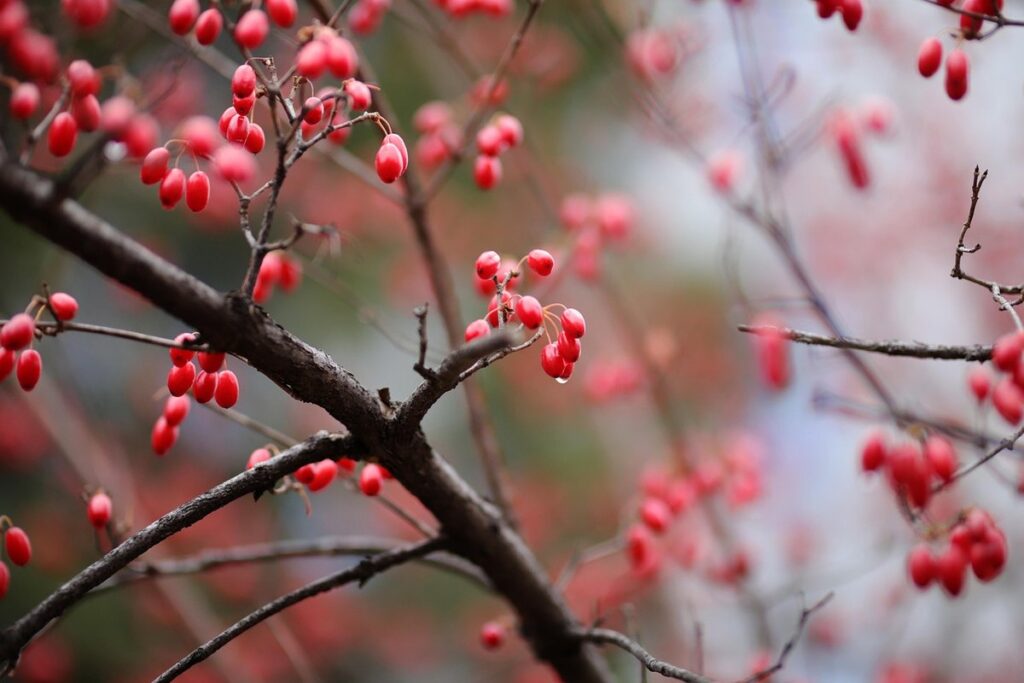
One of the most distinctive features of the red twig dogwood is its striking bark, which turns a vibrant red color during winter months. This unique characteristic makes it an attractive specimen for gardeners looking to add some visual interest to their landscape. In addition to its ornamental value, the red twig dogwood also provides wildlife habitat and food sources, such as berries for birds and small mammals.
Commonly used in both formal and informal gardens, the red twig dogwood is a popular choice for hedges, screens, and borders. Its compact growth habit, typically ranging from 3 to 6 feet tall, makes it an ideal option for smaller spaces or areas with limited sunlight.
Benefits of Planting a Red Twig Dogwood
Planting a red twig dogwood shrub in your garden or landscape offers numerous benefits. One of its most attractive features is its hardiness. This shrub can thrive in USDA zones 3-8, making it an excellent choice for gardeners living in areas with cold winters and hot summers. It’s also relatively low-maintenance, requiring only occasional pruning to maintain its desired shape.
In addition to its adaptability, the red twig dogwood is a great option for gardeners who want a shrub that adds visual interest year-round. Its vibrant red stems provide a striking contrast to the surrounding foliage during winter months when most other plants are dormant. As an added bonus, this shrub attracts birds and pollinators, making it a valuable addition to any wildlife-friendly garden.
When planting a red twig dogwood, be sure to choose a location with well-draining soil and full sun to partial shade. Water regularly during its first growing season, but avoid overwatering, which can lead to root rot. With proper care, your red twig dogwood shrub will thrive for years to come, providing beauty and wildlife benefits in the process.
Growing Conditions for Red Twig Dogwoods
To grow a vibrant and healthy red twig dogwood, it’s essential to understand its preferred growing conditions, including sunlight, soil type, and moisture levels. Let’s take a closer look at what works best for this stunning shrub.
Ideal Climate and Soil Requirements
To grow healthy and vibrant red twig dogwoods, you’ll want to ensure that you’re providing them with an ideal climate and soil environment. Red twig dogwoods are adaptable plants that can thrive in a variety of conditions, but they do have specific temperature and pH requirements.
In terms of temperature, red twig dogwoods prefer cooler temperatures and can tolerate hardiness zones 3-8. They perform best when the winter temperatures are cold enough to cause the stems to turn a vibrant red, but not so cold that they suffer damage. As for pH levels, red twig dogwoods prefer slightly acidic to neutral soil with a pH between 6.0 and 7.5.
When it comes to choosing a planting location, look for an area with full sun to partial shade and well-draining soil. Red twig dogwoods can tolerate some drought, but consistent moisture will help them maintain their vibrant color and overall health. By understanding the ideal climate and soil conditions for your red twig dogwood, you’ll be able to create an environment that encourages optimal growth and development.
Lighting and Watering Requirements
When it comes to growing red twig dogwoods, providing the right amount of light and water is crucial for their health and appearance. Red twig dogwoods can thrive in a variety of lighting conditions, but they generally prefer full sun to partial shade.
To determine if your plant is receiving enough light, look for signs such as vibrant coloration on the stems or leaves, which indicate that it’s getting sufficient sunlight. On the other hand, if the stems appear pale or weak, it may be a sign that the plant needs more light.
In terms of watering, red twig dogwoods prefer moist soil but can tolerate some drought. However, overwatering can lead to root rot and other problems. To strike the right balance, water your plant when the top inch of soil feels dry to the touch, and avoid getting water on the leaves or crown to prevent fungal diseases.
By monitoring your plant’s response to light and water, you can create a favorable environment that promotes healthy growth and stunning color displays.
Care and Maintenance Tips for Red Twig Dogwoods
To keep your red twig dogwood shrub looking its best, it’s essential to learn some simple care and maintenance tips that’ll help it thrive in your garden year-round. Regular pruning is a great place to start.
Pruning and Training Techniques
To maintain the shape and size of your red twig dogwood shrub, pruning and training techniques are essential. Pruning involves cutting back branches to control the plant’s growth and promote new stems with vibrant colors. For red twig dogwoods, it’s best to prune during the dormant season (winter or early spring) to minimize stress on the plant.
Prune about 1/3 of the oldest canes to the ground each year, as this will encourage new growth from lower branches. You can also remove any dead, diseased, or damaged branches at any time of the year. Training involves guiding the stems to grow in a desired direction or shape. Use plant ties or stakes to gently secure the stems, but be careful not to tie them too tightly, which can damage the bark.
It’s also essential to remove any suckers (shoots that grow from the base of the plant) as they appear, as these can take away energy from the rest of the plant and detract from its appearance. With regular pruning and training, you can maintain your red twig dogwood shrub’s desired shape and size while enjoying its beautiful winter colors.
Pest and Disease Management
Red twig dogwoods are relatively low-maintenance shrubs, but they’re not immune to pests and diseases. Some common issues include aphids, spider mites, and scale insects, which can be managed with insecticidal soap or neem oil sprays. Regularly inspect your plants for signs of infestation, such as curled leaves or sticky honeydew droplets.
Diseases like powdery mildew and dogwood anthracnose can also affect red twig dogwoods. To prevent these issues, make sure to provide adequate air circulation around the shrub and water it in the morning so excess moisture doesn’t sit on the foliage overnight. If you do notice any fungal growth, treat with a fungicide specifically labeled for dogwood diseases.
It’s worth noting that healthy plants are less susceptible to pests and diseases, so be sure to fertilize your red twig dogwood regularly during its growing season (spring-fall). This will provide it with the nutrients it needs to stay strong and resilient.
Winter Interest and Wildlife Value
One of the standout features of red twig dogwood shrubs is their ability to provide interest during the winter months, when many other plants are dormant. In fact, they can attract a variety of wildlife too!
Red Twig Dogwood’s Role in Winter Gardens
One of the most exciting aspects of having a red twig dogwood shrub in your garden is its ability to provide year-round interest. While many plants fade into dormancy during the winter months, the red twig dogwood’s colorful stems keep on shining.
In fact, the vibrant red or yellow stems of the red twig dogwood are at their most striking during the winter when other plants are bare. This makes it an ideal choice for adding a pop of color to your garden’s winter landscape. Imagine walking through your yard in the middle of February and being greeted by the warm, fiery hues of the red twig dogwood’s stems.
To make the most of your red twig dogwood’s winter interest, consider pruning it in late winter or early spring to maintain its shape and promote new growth. You can also use the bare stems as a natural accent for your garden beds or as a unique feature in your winter arrangements. By incorporating the red twig dogwood into your winter garden design, you’ll add a touch of vibrancy and personality to even the chilliest of seasons.
Attracting Wildlife with Red Twig Dogwoods
Red twig dogwoods are not only stunning in the winter with their vibrant red stems, but they also provide a valuable service to our feathered friends. These shrubs offer birds and other wildlife a vital source of food and shelter during the cold winter months when resources can be scarce.
The bright red color of the dogwood’s twigs is particularly attractive to birds, especially robins and finches. The branches are often used as perches, allowing these birds to sing their sweet melodies while surveying their surroundings. In addition to providing a source of food and shelter, the dense foliage of the shrub also offers protection from harsh winds and extreme temperatures.
To attract even more wildlife to your garden or landscape, consider planting multiple red twig dogwoods in close proximity to each other. This will not only provide a larger habitat for birds but also create a visually stunning winter display. Just be sure to plant them in an area that receives full sun to partial shade and has well-draining soil.
By incorporating red twig dogwoods into your landscape, you’ll not only add a pop of color to your garden during the winter months, but also provide a vital resource for local wildlife.
Propagation and Landscaping Ideas for Red Twig Dogwoods
When it comes to enjoying your beautiful red twig dogwood shrubs, we’ll explore creative ways to propagate and incorporate them into stunning landscape designs. From cuttings to pruning, you’ll find inspiration here.
Propagating Red Twig Dogwoods
If you’re looking to multiply your red twig dogwood collection or share these beautiful shrubs with friends and family, propagation is a great way to go about it. You can propagate red twig dogwoods through cuttings and layering, both of which are relatively easy techniques.
To take cuttings, choose healthy stems from the current season’s growth, ideally during the spring or summer months when the plant is actively growing. Cut 6-8 inch stem sections just above a node (where a leaf meets the stem), making sure each cutting has at least two nodes. Remove lower leaves to prevent rot and dip the cut ends in rooting hormone powder. Plant the cuttings in a propagation tray filled with moistened potting mix, and keep the soil consistently moist but not waterlogged until roots develop.
Another method is layering, where you bend a stem down to the ground and secure it with a rock or wire. Cover the buried section with soil and wait for roots to form before cutting the stem from the parent plant. This method allows you to propagate red twig dogwoods while still attached to the mother plant, making it easier to transfer the new growth once it has developed its own root system.
Landscaping Ideas with Red Twig Dogwoods
When it comes to adding visual interest and drama to your garden or landscape design, few shrubs can rival the beauty of red twig dogwoods. One way to showcase their unique appeal is through creative landscaping ideas that highlight their striking bark and branches. Consider using them as a focal point in your yard by planting multiple shrubs together in a large group. This will create a stunning display of color and texture, especially when the branches are ablaze with vibrant red hues during the winter months.
You can also use individual red twig dogwoods to add visual interest along walkways or borders. Plant them at regular intervals, spaced about 3-5 feet apart, to create a beautiful “reed-like” screen that filters sunlight and adds movement to your garden design. For added impact, try incorporating other plants with contrasting foliage colors and textures to create a visually appealing mix of shapes and forms.
To make the most of their unique features, consider pruning your red twig dogwoods in late winter or early spring, removing any dead or damaged branches to promote healthy growth and encourage new stems to emerge. By doing so, you’ll be rewarded with an even more striking display of color come autumn and winter.
Common Uses and Combinations for Red Twig Dogwoods
You’ll find that red twig dogwood shrubs are incredibly versatile, allowing you to create a variety of stunning combinations in your landscape design. From garden borders to wildlife-friendly habitats, their uses are endless!
Ornamental Gardens
Red twig dogwoods are an excellent choice for ornamental gardens, adding a pop of color and texture that can’t be matched. One of the most striking ways to use red twig dogwoods is as a focal point in your garden design. Their vibrant red stems provide a stunning contrast to the surrounding foliage, making them a natural draw to the eye.
To create a show-stopping display, consider grouping multiple red twig dogwood shrubs together in a single area of your garden. This will allow their striking color to be the centerpiece of your outdoor space. Alternatively, you can use them as a backdrop for other plants with white or light-colored flowers, creating a beautiful contrast between the bold stems and delicate blooms.
When using red twig dogwoods in an ornamental garden, don’t forget to consider their winter interest. Their bright red color persists even when the leaves have dropped, making them a valuable addition to any seasonal display. With a little planning and creativity, your red twig dogwood shrubs can become the crown jewel of your outdoor space.
Native Plant Gardens
If you’re looking to create a native plant garden that attracts local wildlife, red twig dogwoods are an excellent choice. These shrubs are naturally adapted to the conditions found in many regions of North America, making them a great fit for native plant gardens.
When used in conjunction with other native plants, red twig dogwoods can provide a haven for birds and pollinators. For example, the shrub’s bright red stems provide a striking contrast against the foliage of native grasses like big bluestem or little bluestem. This visual appeal not only adds beauty to your garden but also serves as a vital source of food and shelter for local wildlife.
In terms of attracting specific species, consider combining red twig dogwoods with plants that produce berries or nectar-rich flowers. For instance, try pairing them with American beautyberry (Callicarpa americana) or purple coneflower (Echinacea purpurea). These native plants will not only provide a source of food but also support the local ecosystem by providing habitat and shelter for wildlife.
Keep in mind that choosing the right companion plants will depend on your region’s specific climate and soil conditions. Be sure to research which native plants are well-suited to your area before planting.
Conclusion and Final Thoughts
Now that we’ve covered everything you need to know about red twig dogwood shrubs, let’s wrap up by summarizing our key takeaways and final thoughts.
Recap of Key Takeaways
As we conclude our comprehensive guide to the red twig dogwood shrub, let’s recap the key takeaways to ensure you’re well-equipped to grow and care for this stunning plant. We’ve covered the ideal growing conditions, which include full sun to partial shade and well-drained soil with a slightly acidic pH.
When it comes to caring for your red twig dogwood, remember to water regularly but avoid overwatering, as this can lead to root rot. Mulch around the base to retain moisture and suppress weeds. Prune in late winter or early spring to maintain shape and encourage new growth. Fertilize lightly in the spring with a balanced fertilizer to promote healthy foliage.
We’ve also explored the various uses for red twig dogwoods, from adding winter interest to your garden to providing a natural screen or hedge. With their vibrant red stems and compact growth habit, they’re perfect for small spaces or containers. By following these care tips and utilizing their unique characteristics, you can create a beautiful and low-maintenance addition to your outdoor space.
Encouragement to Try Growing a Red Twig Dogwood
If you’re still on the fence about planting a red twig dogwood shrub in your garden or landscape, let me encourage you to give it a try. This versatile and low-maintenance shrub offers so much more than just its stunning winter interest with vibrant red stems. From providing year-round interest and attracting wildlife to offering a unique opportunity for creative pruning, the red twig dogwood is truly a gem worth considering.
One of the main benefits of growing a red twig dogwood is its ability to provide a striking visual impact without requiring excessive maintenance. Simply plant it in well-draining soil and let nature take over – the shrub will do the rest. Additionally, its compact growth habit makes it an excellent choice for smaller gardens or landscapes where space may be limited.
If you’re new to gardening, don’t worry if you’re not sure how to care for your red twig dogwood. With a little patience and practice, you’ll soon become an expert in coaxing the most out of this beautiful shrub.
Frequently Asked Questions
How to Handle Frost Damage on Red Twig Dogwood Stems?
Yes, frost damage can occur, especially if the plant is not yet fully established or if winters are particularly harsh. To minimize damage, ensure your red twig dogwood shrub is well-watered before winter, and consider applying a layer of mulch around its base to protect the roots from extreme cold.
Can I Grow Red Twig Dogwood in Pots?
Yes, you can grow red twig dogwood in pots if you provide it with adequate sunlight (at least 6 hours direct sunlight) and well-draining soil. Make sure the pot is at least 12-18 inches deep to accommodate the shrub’s root system.
How Often Should I Prune My Red Twig Dogwood?
Pruning should be done annually, in late winter or early spring before new growth begins. Remove any dead, diseased, or damaged branches, and cut back stems to encourage new growth and maintain a desired shape.
Can Red Twig Dogwoods Be Used as a Hedge?
Yes, red twig dogwoods can make an excellent hedge due to their dense, compact growth habit and ability to tolerate shearing. Simply trim the shrub regularly to maintain the desired height and shape, and consider planting multiple shrubs side by side for added structure.
How Do I Attract Wildlife with My Red Twig Dogwood?
Attracting wildlife is easy! Plant your red twig dogwood in a spot that receives full sun to partial shade, and ensure it’s not too densely planted. Add native flowers or plants nearby to provide food sources, and consider leaving some areas of the garden unmanicured to create habitat for beneficial insects and animals.