
Silver birch trees are often overlooked, but they’re truly one of nature’s wonders. Not only do they bring a touch of elegance to any landscape with their white-barked trunks and delicate foliage, but they also offer a multitude of benefits for our health and environment. From traditional medicine to modern woodworking, the uses of silver birch are as diverse as its characteristics. But how can you harness the power of this remarkable tree? This article will explore the various ways you can incorporate silver birch into your life, from planting and care tips to its medicinal properties and benefits for your well-being. Whether you’re a seasoned gardener or just starting out, we’ll cover everything you need to know about silver birch and why it’s worth getting to know.
What is Silver Birch?
Let’s dive into what makes silver birch truly special, starting with its unique characteristics and origins as a majestic tree species native to many parts of the world. Its slender branches and white, papery bark are just a few distinctive features you’ll want to learn more about.
Characteristics of Silver Birch
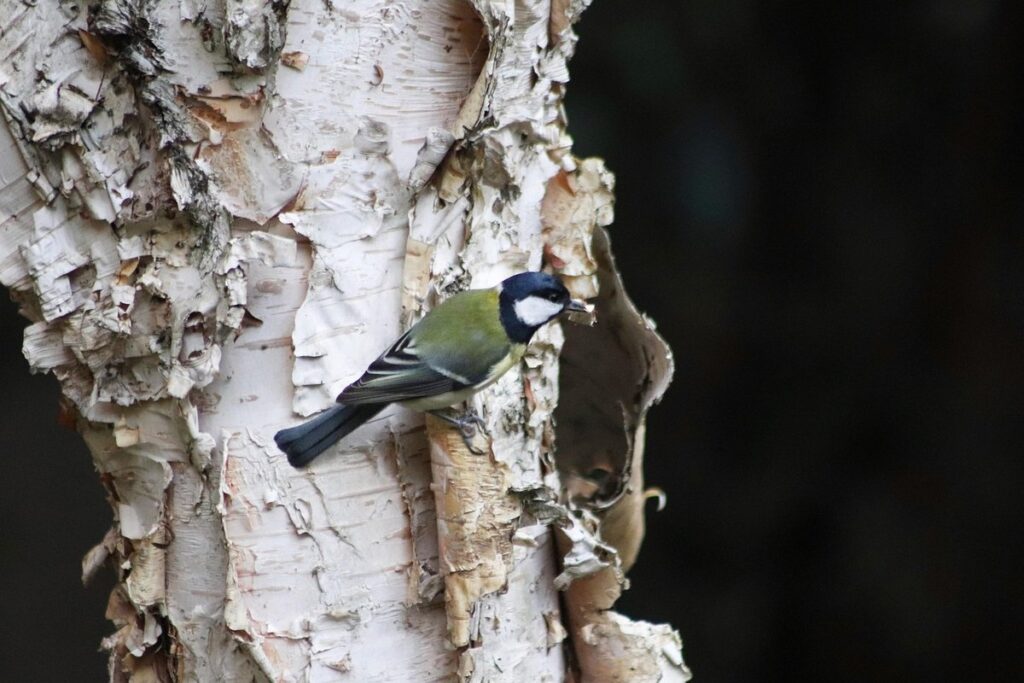
Silver birch trees are easily recognizable due to their distinctive physical characteristics. One of the most notable features is their white, papery bark that peels off in horizontal strips as the tree matures. This unique bark pattern can vary from a pure white to a more mottled grey-white color, depending on the age and environment of the tree.
The leaves of silver birch trees are also characteristic of this species. They are long and narrow, with a pointed tip and a serrated edge. The leaves are typically a bright green color on top and lighter underneath, and they turn yellow or golden in the fall before dropping off.
In terms of growth habits, silver birch trees can grow to be quite tall – up to 60 feet in ideal conditions. However, they tend to have a slender profile with a narrow canopy, which makes them well-suited for smaller spaces or as a specimen tree. When planting silver birch, it’s worth noting that they prefer well-drained soil and full sun to partial shade, making them adaptable to a range of environments.
This unique combination of physical characteristics makes silver birch trees stand out in any landscape. By understanding their growth habits and needs, you can ensure that your tree thrives and provides years of beauty and interest.
Habitat and Distribution
Silver birch trees are widely distributed across northern hemisphere regions, particularly in Europe, Asia, and North America. They thrive in a variety of habitats, including wetlands, mountains, and forests. In their native habitats, silver birches can be found growing near rivers, lakes, and streams, where the moist soil and cool temperatures create an ideal environment for growth.
One notable distribution pattern is the presence of two distinct species: Paper Birch (Betula papyrifera) in North America and Downy Birch (Betula pubescens) in Europe. These subspecies have adapted to their respective regions’ climate and geography, exhibiting differences in leaf shape, bark texture, and growth habits.
If you’re planning to cultivate silver birch trees in your garden or woodland area, consider selecting a species suitable for your local climate and soil conditions. Choose a location with well-drained soil and partial shade to ensure optimal growth and health. Regular watering and maintenance will also promote healthy development, allowing your silver birch tree to thrive in its new environment.
Uses of Silver Birch
Silver birch has a multitude of uses, from its timber and bark to its medicinal properties and ornamental value. We’ll explore each of these uses in more detail below.
Timber and Woodworking
Silver birch wood has been a prized material for woodworking and construction due to its unique characteristics. Its light color and fine grain make it an ideal choice for creating visually appealing furniture pieces. In fact, silver birch is often used as a substitute for more expensive woods like ash or beech.
When working with silver birch, it’s essential to note that the wood can be prone to warping and splitting if not properly seasoned. However, this can be mitigated by drying the wood slowly and carefully before using it in your project. With proper care, silver birch wood can develop a beautiful patina over time.
In terms of specific applications, silver birch is well-suited for use in high-traffic areas, such as flooring or paneling. Its durability and resistance to moisture make it an excellent choice for bathroom or kitchen renovations. Additionally, silver birch can be used to create decorative trim work or molding, adding a touch of elegance to any room.
Some popular woodworking projects that showcase the beauty of silver birch include crafting wooden spoons, making birdhouses, or building small cabinets. When working with this versatile wood, remember to always follow proper safety protocols and use sharp tools to minimize waste and achieve professional-looking results.
Medicinal Properties
Silver birch has been used for centuries in traditional medicine to treat various ailments. One of its most notable uses is as a remedy for skin conditions such as eczema and acne. The bark and leaves of the tree contain salicylic acid, which has anti-inflammatory properties that can help soothe irritated skin.
The traditional use of silver birch to treat skin conditions involves making a tea by infusing the bark in hot water. This tea is then applied topically to affected areas or taken internally as a way to promote healing from within. Some people also use silver birch oil, which can be obtained through steam distillation of the leaves and twigs.
While there is limited scientific research on the medicinal properties of silver birch, its traditional uses are backed by anecdotal evidence and folk remedies passed down through generations. To try using silver birch for skin conditions, make a tea by steeping 1 tablespoon of dried silver birch bark in 8 ounces of boiling water for 5-10 minutes. Strain the liquid and apply it to affected areas or drink as needed.
Note: As with any herbal remedy, consult a healthcare professional before using silver birch to treat skin conditions, especially if you have sensitive skin or are taking medications that may interact with its compounds.
Care and Maintenance
To keep your silver birch tree thriving, it’s essential to follow some simple care and maintenance guidelines that will ensure its health and longevity over time. Proper upkeep can also prevent common issues like pest infestations and diseases.
Planting and Propagation
When planting a silver birch tree, it’s essential to choose a location that receives full sun to partial shade. While silver birches can tolerate some shade, they will not thrive if surrounded by dense foliage that competes for water and nutrients.
In terms of soil type, silver birches prefer well-draining soils with a slightly acidic pH between 6.0 and 7.0. Avoid planting in areas with standing water or where the soil is prone to waterlogging, as this can lead to root rot and other problems.
When it comes to spacing, leave enough room for your silver birch tree to grow without being crowded by neighboring plants. A general rule of thumb is to plant at least 10-15 feet away from any nearby structures or trees to prevent damage from branches or roots.
For those looking to propagate their own silver birches, you can do so through seed or layering methods. Sow seeds in the fall or early spring, about 1/4 inch deep and 6-8 inches apart in a nursery tray filled with potting mix. For layering, make a small incision on the trunk of a mature tree and bend the stem down to soil level. Secure it with wire or tape until roots develop.
To increase your chances of successful propagation, ensure that the soil is consistently moist but not waterlogged, and provide adequate sunlight for at least 6 hours per day.
Pruning and Grooming
Pruning is an essential part of silver birch care, as it promotes healthy growth and stability. During the first year after planting, prune your silver birch to maintain a central leader, removing any weak or damaged branches. As the tree matures, prune annually to shape its canopy and promote air circulation. This helps prevent disease and encourages strong branch development.
When pruning, focus on removing about one-third of the new growth each year. Cut back branches that are rubbing against others or growing inwards towards the trunk, as these can cause damage over time. Prune during the dormant season (winter or early spring) to minimize stress to the tree.
Grooming is also crucial for maintaining your silver birch’s aesthetic appeal. Regularly inspect and remove any dead or diseased branches, twigs, or leaves to keep the tree looking its best. Train younger trees by gently staking them in place with a stake and tie system, then gradually release as they develop their root system.
Consider using a canopy rake to clean up litter around the base of the tree, which not only improves appearance but also helps prevent pests and diseases from taking hold.
Benefits of Silver Birch
Silver birch has a multitude of benefits that make it a popular choice for various applications. From its medicinal properties to its environmental advantages, we’re diving into the best uses for silver birch.
Environmental Importance
In their native habitats, silver birch trees play a vital role in maintaining ecological balance. As a pioneer species, they are often one of the first to colonize new land after disturbances such as volcanic eruptions or floods. Silver birches provide crucial habitat and food for various wildlife species, including birds, insects, and mammals.
Their broad canopies offer shade and shelter from harsh weather conditions, while their white bark provides a unique camouflage for small animals seeking refuge. For example, the silver birch is an important food source for the winter moth caterpillar, which relies on the tree’s leaves during its larval stage.
In addition to supporting local wildlife, silver birches also contribute to soil health through their deep root system, which helps to stabilize soil and prevent erosion. They are also a vital component of various ecosystem services, including carbon sequestration and oxygen production. By incorporating silver birch trees into your landscape or ecosystem, you can help promote biodiversity and support the local food chain.
Psychological and Aesthetic Benefits
Having silver birch trees in urban environments can have a profound impact on both the psychological and aesthetic aspects of our surroundings. Not only do they add a touch of natural beauty to the cityscape, but they also contribute significantly to improved air quality.
Research has shown that being surrounded by nature can boost our mood and reduce stress levels. Silver birch trees, with their striking white bark and delicate foliage, create a serene atmosphere that can help mitigate the negative effects of urbanization. Studies have even found that exposure to natural environments like parks and gardens can lower blood pressure, improve sleep quality, and enhance cognitive functioning.
In terms of visual appeal, silver birch trees are highly versatile and can be incorporated into various design schemes, from modern cityscapes to traditional landscapes. They’re also relatively low-maintenance, making them an ideal choice for urban environments where space is limited. By planting silver birch trees in your community or backyard, you can create a peaceful oasis that not only beautifies the surroundings but also promotes mental well-being.
Health Considerations
When working with silver birch, it’s essential to consider its potential health impacts, from allergic reactions to interactions with medications. Be aware of these factors to ensure safe handling and use.
Allergies and Sensitivities
If you’re considering using silver birch for medicinal purposes or incorporating it into your home decor, it’s essential to be aware of potential allergies and sensitivities associated with this tree. Silver birch sap and leaves can cause skin irritation, allergic reactions, and respiratory issues in some individuals.
When handling silver birch products, such as oil or salves made from its bark, it’s crucial to perform a patch test on a small area of skin before using them extensively. This will help you identify any potential allergens. If you experience redness, itching, or swelling after the test, discontinue use and consult a healthcare professional.
Some people may be more prone to sensitivities due to genetic factors or environmental exposure. For example, individuals with birch pollen allergy may also react to silver birch sap or leaves. If you have a history of allergies or sensitivities, it’s vital to exercise caution when working with silver birch products. Always follow proper handling and preparation techniques to minimize the risk of adverse reactions.
Before using silver birch in any capacity, be sure to consult with a healthcare professional or an experienced herbalist for personalized guidance.
Toxicity and Hazards
While silver birch is considered a hardy and adaptable tree, there are some potential hazards to be aware of when handling its bark or leaves. The bark of the silver birch contains a chemical compound called salicylic acid, which can cause skin irritation in some individuals. This means that if you plan on harvesting silver birch for crafts or other purposes, it’s essential to take proper precautions to avoid exposure.
If you do experience any skin irritation after handling silver birch bark, try washing the affected area with soap and water as soon as possible. In severe cases, consult a medical professional for further advice. It’s also worth noting that while the leaves of the silver birch are generally not toxic, consuming large quantities can cause stomach upset.
If you’re looking to incorporate silver birch into your garden or yard, it’s best to plant it in a location where its sap won’t come into contact with nearby water sources. This is because the tree’s bark can leach chemicals into soil and water, potentially affecting local ecosystems. With proper care and handling, however, silver birch can be a beautiful and beneficial addition to your outdoor space.
Conclusion
As you’ve reached the end of this comprehensive guide, we hope that you now have a deeper understanding of the silver birch tree. Whether you’re considering planting one in your garden or simply want to appreciate its natural beauty, there’s no denying the numerous benefits and uses it offers. Remember, with proper care and attention, a silver birch can thrive for many years, providing shade, shelter, and even medicinal properties. To keep yours healthy and strong, be sure to mulch around the base, prune regularly, and avoid over-watering. By following these simple tips and enjoying the unique characteristics of this stunning tree, you’ll be able to reap its rewards for seasons to come.
Frequently Asked Questions
How do I care for silver birch trees in areas with high winds or salt spray?
Silver birch is generally adaptable to harsh environments, but strong winds can cause damage. To minimize risk, plant trees in a sheltered spot if possible, and ensure the roots are well-watered during establishment. Regular pruning can also help maintain a healthy shape and reduce wind damage.
Can I use silver birch for medicinal purposes without proper training or equipment?
While silver birch has been used traditionally for medicine, it’s essential to exercise caution. Consult with a healthcare professional before using any plant-based remedy, especially if you’re new to herbalism. Improper handling can lead to adverse effects, so ensure you follow established protocols and guidelines.
Are silver birch trees suitable for small gardens or urban spaces?
Yes. Silver birch is relatively compact compared to other deciduous trees, making it an excellent choice for smaller areas. However, be aware that mature trees may still require some space (around 20-30 feet) to accommodate their spreading canopies.
Can I use silver birch wood for interior design, and what are its benefits?
Yes, silver birch is a versatile and attractive timber option for woodworking projects. Its pale color and fine grain make it ideal for furniture-making, flooring, or decorative paneling. It’s also relatively lightweight and resistant to warping.
How can I propagate silver birch trees from cuttings or seed, and what are the success rates?
Propagating silver birch using stem cuttings is possible but requires a rooting hormone and careful conditions (around 70-80°F). Seed germination rates vary depending on factors like soil quality, moisture, and temperature. Success rates can be higher with experienced growers, around 50-60%. Consult local experts or online resources for more guidance.