
Blue fescue grass is a low-maintenance wonder that’s gaining popularity among landscapers and homeowners alike. Not only does it add a touch of sophistication to any yard with its striking blue-gray foliage, but it also brings a host of practical benefits to the table. From controlling erosion on slopes to creating habitats for local wildlife, this versatile grass species is an eco-friendly solution waiting to be discovered. In this article, we’ll delve into the ornamental value, practical uses, and environmental advantages of blue fescue grass. We’ll explore its applications in landscaping, including its effectiveness at stabilizing soil and attracting beneficial insects. Whether you’re a seasoned gardener or just starting out, this comprehensive guide will show you how to harness the full potential of blue fescue grass for a beautiful and sustainable outdoor space.
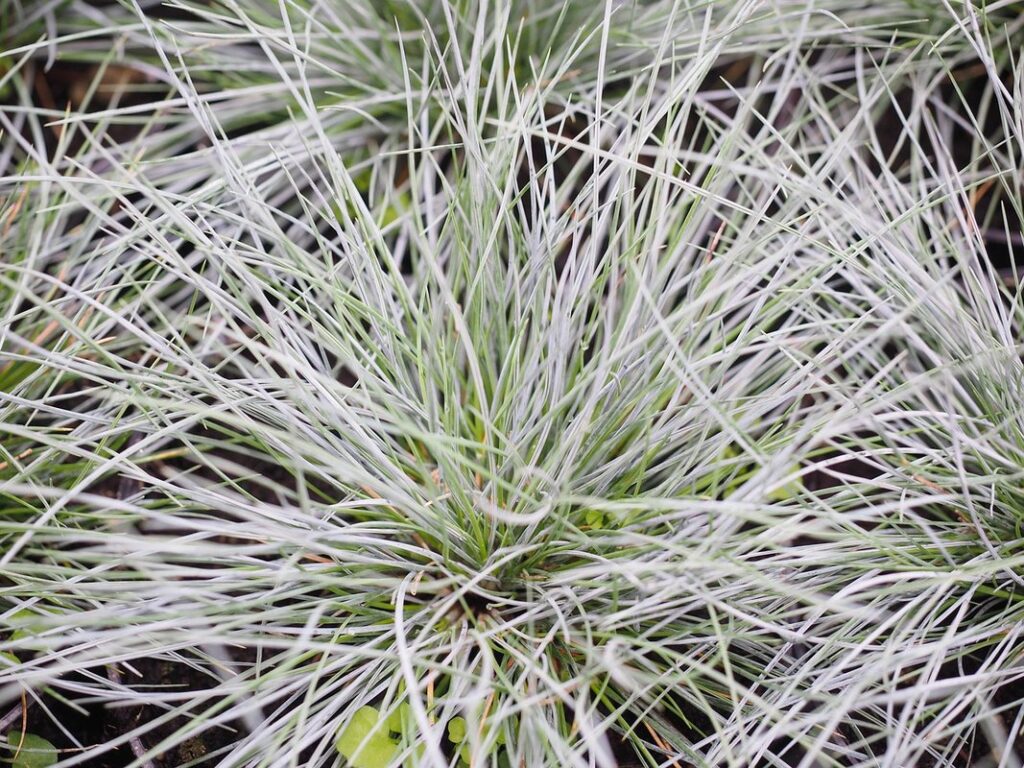
Benefits and Uses of Blue Fescue
Blue fescue offers a variety of benefits that make it an attractive choice for gardeners, from its low water requirements to its decorative appeal. Let’s explore these advantages in more detail.
Ornamental Value
When it comes to adding ornamental value to your landscape, blue fescue grass is an excellent choice. Its unique, silvery-blue foliage creates a striking visual effect that can be used to great effect as a border plant or accent feature. In fact, its compact growth habit and upright blades make it an ideal candidate for edging paths, walkways, or garden beds.
One of the most creative ways to use blue fescue is as a groundcover in areas where you want to suppress weeds while still adding visual interest. Planting it in a pattern or design can create a beautiful mosaic effect that adds depth and texture to your landscape. You can also mix it with other ornamental grasses, like pampas grass or fountain grass, for a dramatic contrast of textures and colors.
When incorporating blue fescue into your landscaping, remember to plant it in well-draining soil and full sun for optimal growth. With proper care, this hardy perennial will thrive and provide years of low-maintenance beauty. By incorporating it as a border, accent feature, or groundcover, you can add a touch of elegance and sophistication to any outdoor space.
Erosion Control and Soil Stabilization
When it comes to erosion control and soil stabilization, blue fescue grass is an excellent choice. One of its key benefits is its ability to prevent soil erosion through its extensive root system. Blue fescue’s deep roots can grow up to 6 feet or more below the surface, anchoring the soil in place and preventing it from washing away.
This makes blue fescue a popular choice for slopes and embankments where soil erosion is a major concern. By planting blue fescue on these areas, you can stabilize the soil and reduce the risk of landslides. In fact, studies have shown that blue fescue can help reduce soil erosion by up to 70% in certain conditions.
In addition to its ability to prevent soil erosion, blue fescue also helps to stabilize slopes by providing a natural barrier against heavy rainfall and strong winds. This makes it an ideal choice for areas prone to landslides or soil instability. To get the most out of your blue fescue’s erosion control capabilities, be sure to plant it in well-draining soil and maintain regular watering schedules.
Wildlife Habitat Creation
Blue fescue grass is not only a stunning addition to your garden’s landscape but also a haven for local wildlife. One of its most valuable benefits is providing a habitat and food source for various species, including insects, birds, and small mammals.
As a low-growing, clump-forming grass, blue fescue creates a dense mat that offers shelter from harsh weather conditions and predators. This makes it an ideal choice for gardeners who want to attract wildlife to their outdoor spaces. By incorporating blue fescue into your landscape design, you can create a haven for local biodiversity.
Insects such as bees, butterflies, and lacewings are drawn to the nectar-rich flowers of blue fescue, which bloom in shades of silvery-blue from June to September. The seeds of this grass also provide an essential food source for birds, including finches and sparrows, during their breeding seasons.
To create a wildlife-friendly habitat with blue fescue, consider the following tips: Plant multiple clumps together to form a large area of cover, as this will attract more species. Leave some areas of your garden unmanicured, allowing native plants to grow naturally. This will provide a food source and shelter for small mammals like hedgehogs and rabbits.
Characteristics and Growth Habits
Blue fescue grass is a low-maintenance gem, but understanding its unique characteristics and growth habits will help you maximize its beauty and benefits in your landscape. Let’s dive into what makes it tick!
Plant Description and Identification
Blue fescue grass is a visually striking ornamental grass that boasts a unique combination of physical characteristics. Its slender leaves are typically 1-2 inches long and feature a sharp point at the tip, giving them a delicate, lacy appearance. The leaves themselves are usually a bright green color, although they may turn golden or bronze during periods of drought or cooler temperatures.
The stems of blue fescue grass are thin and wiry, often growing up to 2-3 feet tall in ideal conditions. As the plant matures, it develops a distinctive clump-forming habit, with new shoots emerging from the base of older growth. This characteristic makes blue fescue an excellent choice for landscaping projects where a low-maintenance, slow-spreading groundcover is desired.
When identifying blue fescue grass, look for its distinctive color and texture. The leaves are often slightly curved and tend to grow in a vertical direction, giving the plant a upright appearance. In comparison to other types of fescue grass, blue fescue has a more compact growth habit and produces smaller flowers than its counterparts. With proper care, including regular watering and fertilization, blue fescue can thrive for many years, providing a striking focal point in any garden or landscape design.
Hardiness and Adaptability
Blue fescue grass is renowned for its remarkable hardiness and adaptability, making it an ideal choice for a variety of environments. This grass species can thrive in conditions where other types would struggle to survive.
When it comes to temperature tolerance, blue fescue grass is surprisingly resilient. It can withstand extreme temperatures, ranging from -30°C to 40°C (-22°F to 104°F), making it an excellent option for regions with fluctuating climates. In fact, it’s not uncommon to see blue fescue grass still thriving in areas that have experienced harsh winters or scorching summers.
In terms of sunlight exposure, blue fescue grass is a full sun to partial shade tolerant species. It can grow well in areas receiving direct sunlight for several hours a day, but it also adapts surprisingly well to areas with limited sunlight. This adaptability makes it an excellent choice for gardens with varying levels of sunlight.
To make the most of your blue fescue grass, ensure you provide it with adequate moisture and nutrients. Water it regularly during dry spells, and fertilize it annually to promote healthy growth and hardiness.
Propagation and Maintenance
Propagation and maintenance are crucial aspects of growing blue fescue grass. To multiply this beautiful ornamental grass, you can divide established clumps or sow seeds. Division is a more reliable method, as it ensures the new growth will retain its desirable traits. Start by digging around the base of the parent plant to loosen the soil, then gently separate the shoots into sections, making sure each section has at least one growing point. Plant these divisions in a well-draining location with full sun, water thoroughly, and mulch to retain moisture.
Alternatively, sow blue fescue seeds in the fall or spring when temperatures are mild. Sow them on the surface of the soil, press gently, and keep the area consistently moist until germination occurs. To maintain your blue fescue grass, provide it with well-draining soil, full sun to partial shade, and moderate watering. Avoid overwatering, which can lead to root rot. Regularly fertilize with a balanced fertilizer in early spring or fall, and prune back foliage after flowering to promote healthy growth and prevent seed production.
Cultivation and Care
To keep your blue fescue grass looking its best, learn how to properly cultivate and care for it with these essential tips and expert advice. Proper maintenance is key to a lush and healthy lawn.
Soil Requirements and pH Tolerance
When it comes to growing blue fescue grass, the soil requirements are crucial for its health and vitality. Blue fescue prefers well-draining soil that is slightly acidic to neutral in pH, ranging from 6.0 to 7.5 on the pH scale. While it can tolerate a wide range of pH levels, extreme acidity or alkalinity can lead to nutrient deficiencies and stunt its growth.
In terms of nutrient requirements, blue fescue prefers soils with moderate levels of nitrogen, phosphorus, and potassium (NPK). A balanced fertilizer with an NPK ratio of 10-10-10 is ideal for promoting healthy growth. It’s also essential to maintain adequate calcium and magnesium levels in the soil, as these nutrients play a critical role in maintaining the grass’s structure and resilience.
To create an optimal growing environment for blue fescue, mix in 2-3 inches of compost or well-rotted manure into the top 6-8 inches of soil before planting. This will help to improve drainage, aeration, and nutrient availability, giving your blue fescue grass the best chance to thrive.
Watering and Irrigation Needs
Watering blue fescue grass requires attention to its specific needs. Unlike other types of grass, blue fescue prefers well-draining soil and can be prone to root rot if the soil is too moist. To avoid overwatering, water your blue fescue deeply but infrequently, allowing the top 1-2 inches of soil to dry out between waterings.
A good rule of thumb is to water blue fescue once or twice a week during hot summer months and less frequently in cooler seasons. It’s also essential to avoid watering in the evening or night, as this can encourage fungal growth. Instead, water your blue fescue in the morning or early afternoon when the sun is not intense.
When installing an irrigation system for your blue fescue lawn, consider using a drip irrigation method or soaker hose to deliver water directly to the roots of the plants. This will help reduce evaporation and runoff, ensuring that the water reaches where it’s needed most. By adopting these proper watering techniques, you’ll be able to maintain a healthy and vibrant blue fescue lawn that thrives in its specific climate conditions.
Pest and Disease Management
As with any grass type, blue fescue is susceptible to various pests and diseases that can damage its health and appearance. One of the most common pests affecting blue fescue is the billbug, which feeds on the plant’s sap, causing yellowing or browning of the leaves. To prevent infestations, make sure your soil has a pH between 6.0 and 7.0, as this helps to repel billbugs.
Diseases such as powdery mildew, rust, and leaf spot can also affect blue fescue. These diseases are often caused by fungal infections that thrive in humid environments. Regular watering can contribute to the development of these issues, so ensure you’re not overwatering your blue fescue. To treat fungal diseases, apply a fungicide as soon as possible after symptoms appear. It’s essential to identify the disease correctly before applying treatment.
Some common signs of pests and diseases include: yellow or brown leaves, distorted growth, white powdery patches on leaves, or actual insects on the plant. Regularly inspect your blue fescue for these signs and take prompt action if you notice any issues.
Comparison with Other Grasses
When it comes to low-maintenance lawns, blue fescue grass often stands out from other popular options. But how does it compare to its closest competitors in terms of growth and appearance?
Similarity and Differences with Kentucky Bluegrass
While blue fescue grass may resemble Kentucky bluegrass due to its dark green color and bunching growth habit, these two species have distinct characteristics that set them apart. Blue fescue is a cool-season grass, whereas Kentucky bluegrass thrives in full sun conditions. This difference makes blue fescue more suitable for areas with partial shade or where drought tolerance is crucial.
Kentucky bluegrass has a finer texture and denser growth habit compared to blue fescue, which can appear coarser. Blue fescue also tends to be less invasive and produces fewer seed heads than Kentucky bluegrass. If you’re looking for a low-maintenance option that doesn’t require frequent mowing or fertilization, blue fescue is an excellent choice.
When choosing between these two grass species, consider your specific climate and lawn requirements. Blue fescue excels in zones 4-8, while Kentucky bluegrass prefers zones 3-9. Additionally, blue fescue can tolerate some salt exposure, whereas Kentucky bluegrass may require more maintenance to withstand similar conditions.
Advantages over Other Ornamental Grasses
Blue fescue grass stands out from other ornamental grasses due to its exceptional drought tolerance and low maintenance requirements. In comparison to popular alternatives like pampas grass and fountain grass, blue fescue excels in withstanding dry conditions without losing its vibrant color or texture.
One of the key advantages of blue fescue is its ability to thrive in poor soil conditions, reducing the need for frequent watering and fertilization. This makes it an ideal choice for gardeners who want a low-maintenance ornamental grass that can still deliver on aesthetics. For instance, a study by the University of California found that blue fescue lost only 10% of its water content during a 30-day drought period, compared to 25% for fountain grass.
When choosing between blue fescue and other ornamental grasses, consider the specific climate and soil conditions in your garden. If you live in an area with limited watering restrictions or have poor soil quality, blue fescue is an excellent option. With proper care, it can provide a stunning display of foliage and flowers for years to come.
Some popular alternatives like pampas grass require regular pruning to maintain their shape and size, whereas blue fescue remains relatively compact and requires minimal maintenance. This makes blue fescue a more practical choice for gardeners who want an ornamental grass that can handle neglect without losing its beauty.
Environmental Considerations and Sustainability
When it comes to blue fescue grass, it’s essential to consider its environmental impact and how you can cultivate a more sustainable lawn. We’ll explore ways to minimize your eco-footprint.
Water Conservation and Drought Tolerance
When it comes to blue fescue grass, one of its most attractive features is its ability to thrive with minimal watering. This makes it an ideal choice for eco-conscious gardeners and landscapers looking to reduce their water consumption. Blue fescue’s deep roots allow it to absorb moisture from deeper soil layers, reducing the need for frequent watering.
In fact, blue fescue requires less water than many other types of grass, making it a great option for areas prone to drought or water restrictions. With proper care, blue fescue can survive with as little as 10-15 gallons of water per month, depending on climate and soil conditions. To further conserve water, consider implementing a smart irrigation system that adjusts watering schedules based on weather patterns.
To get the most out of your blue fescue’s drought tolerance, be sure to plant it in well-draining soil with full sun exposure. Mulching around the base of the plants will also help retain moisture and reduce evaporation. By choosing blue fescue for your lawn or landscape, you can enjoy a beautiful, low-maintenance yard while doing your part for the environment.
Sustainable Landscaping Practices
Blue fescue is an excellent choice for those looking to incorporate sustainable landscaping practices into their outdoor spaces. One of the primary benefits of blue fescue is its low maintenance requirements, making it a great alternative to traditional lawn grasses that demand frequent watering, mowing, and fertilizing. By choosing blue fescue, you can significantly reduce your water consumption, as it’s highly drought-tolerant and requires less watering than many other types of grass.
In fact, a study by the United States Environmental Protection Agency found that lawns are responsible for up to 30% of residential water usage in some areas. By replacing traditional lawn grass with blue fescue, you can not only reduce your water bill but also contribute to conserving this precious resource. Additionally, blue fescue’s natural resistance to pests and diseases eliminates the need for chemical pesticides and fertilizers, making it a healthier choice for both people and the environment.
To integrate blue fescue into your sustainable landscaping plan, consider using it as a groundcover or accent plant in areas where traditional lawn grass would not thrive. With proper care and maintenance, blue fescue can form a beautiful, low-maintenance alternative to traditional lawns that’s perfect for small spaces, slopes, or areas with poor soil quality.
DIY Projects and Decorative Ideas
To take your blue fescue grass game to the next level, we’ll share some creative DIY projects and decorative ideas that will add a personal touch to your outdoor space. From planters to sculptures, get inspired!
Blue Fescue Planters and Containers
Blue fescue’s beautiful silvery-blue foliage makes it an ideal choice for container gardens and planters. Not only does it add a touch of elegance to small spaces, but its versatility allows it to thrive in various environments.
When choosing containers for blue fescue, consider the plant’s mature size – typically around 12-18 inches tall – and select a pot that is at least one to two sizes larger to allow for proper growth. For a stunning contrast, pair blue fescue with flowering plants like petunias or geraniums in a large planter. Alternatively, combine it with other ornamental grasses like pampas grass or fountain grass in a decorative planter.
For a more modern look, use sleek and minimalist planters that showcase the beauty of blue fescue’s foliage. You can also add some decorative rocks or pebbles to create a visually appealing contrast between the container and the surrounding environment.
Keep in mind that containers will require more frequent watering than planted areas, so make sure to check the soil moisture regularly. With proper care and attention, your blue fescue planters will become a beautiful focal point in any outdoor space.
Grass Wreaths and Arrangements
Blue fescue grass is not only stunning as a standalone ornamental plant but also a fantastic material for creating unique and beautiful decorative wreaths, arrangements, and designs. When it comes to crafting with blue fescue, the possibilities are endless. For instance, you can create a gorgeous wreath by bending individual stems into a circular shape and securing them with floral wire or twine.
To make a show-stopping arrangement, start by gathering several bunches of blue fescue grass and tie them together at the base using twine or wire. You can then place this bundle in a vase or container and add decorative items like pinecones, dried flowers, or ribbons to create a stunning centerpiece for your dining table or entryway.
One popular way to use blue fescue is by creating a grass “frame” around a picture or mirror frame. Simply glue the stems to the frame using hot glue, making sure not to cover the main focal point. This adds an elegant and rustic touch to any room in your home.
For a more dramatic look, try making a large-scale blue fescue arrangement by attaching multiple bunches of grass to a wire or wooden framework. You can hang this impressive design on a wall or place it on a console table as a conversation-starting piece.
Frequently Asked Questions
Can I use blue fescue grass for erosion control on a steep slope?
Blue fescue’s extensive root system helps to stabilize soil and prevent erosion, making it an excellent choice for slopes. However, ensure the slope is properly graded before planting to allow water to flow freely and prevent mudslides.
How do I care for blue fescue in areas with extreme weather conditions?
To thrive in extreme temperatures or harsh weather, blue fescue requires regular watering during hot spells and protection from frost damage. Mulching around the base of the plant can also help retain moisture and regulate soil temperature.
Can I propagate blue fescue through division, and what are the steps involved?
Yes, blue fescue can be divided in spring or fall when mature plants start to outgrow their space. Carefully dig up the entire clump, separate the individual blades, and replant them in well-draining soil with adequate sunlight.
Will blue fescue attract pests and diseases if not properly maintained?
While blue fescue is relatively pest- and disease-resistant, poor maintenance practices can increase its susceptibility to infestations. Regularly inspect your plants for signs of stress or damage, and address any issues promptly through proper pruning and fungicide application.
Can I combine blue fescue with other ornamental grasses in a mixed border?
Yes, blue fescue pairs well with other ornamental grasses like pampas grass or fountain grass. However, consider factors like mature size, growth habits, and bloom times to create visually appealing combinations that require minimal maintenance.
How long does it take for blue fescue to establish itself in a new garden bed?
Blue fescue typically takes 6-12 months to establish itself after planting, with noticeable growth occurring within the first 3-4 months. Adequate watering and sunlight will promote healthy establishment and minimize transplant shock.