
You might have come across this enchanting flower in traditional Chinese medicine or maybe seen its striking appearance in modern skincare products. The black peony, also known as Paeonia Lusitanica, has a rich history that spans centuries in Asian culture and has garnered attention globally for its potential health benefits.
In traditional Chinese medicine, the black peony is revered for its ability to nourish the body and promote overall well-being. But what makes it so special? From its origins as a medicinal herb to modern clinical trials exploring its efficacy, we’ll delve into the world of black peony. This article will explore its history, cultural significance, and modern uses in medicine, including its potential benefits for women’s health and conservation efforts.
Origins and History of the Black Peony
The origins of the black peony, a key herb in traditional Chinese medicine, date back thousands of years to ancient China. Let’s delve into its rich history.
Botanical Classification and Description
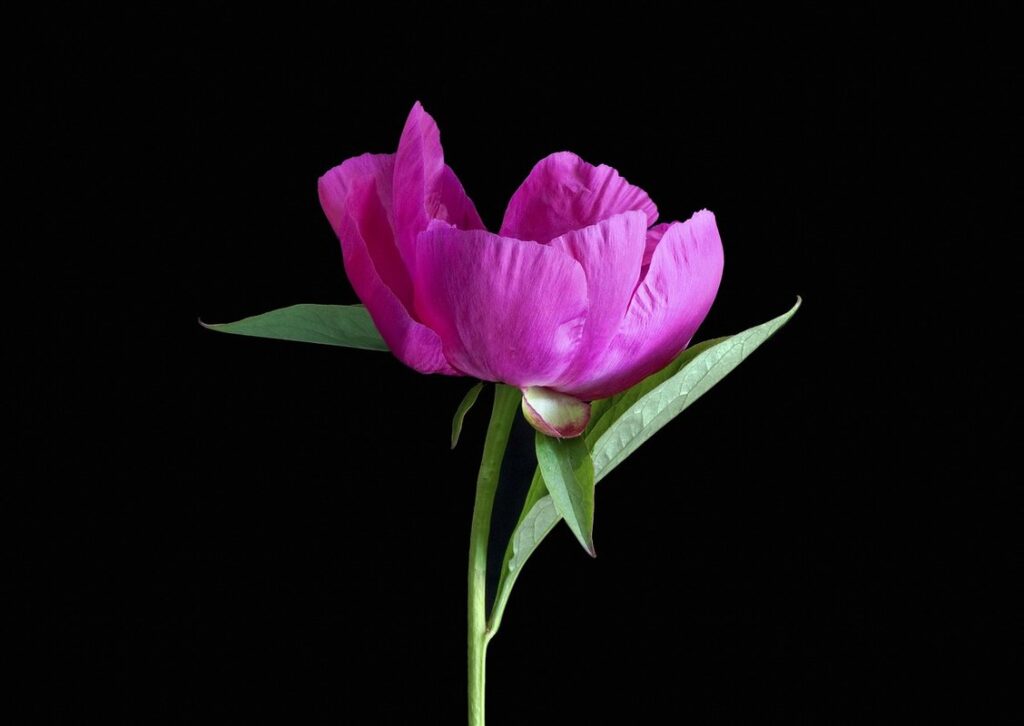
The black peony (Paeonia officinalis) is a perennial plant native to China and other parts of Asia. From a botanical standpoint, it belongs to the Paeoniaceae family and is closely related to roses. The plant’s appearance is quite striking, with large, dark green leaves that can grow up to 10 inches in length. These leaves have 5-9 lobes and are often hairy on the underside.
As for growth habits, the black peony thrives in well-drained soil and partial shade, making it a popular choice for gardens in temperate climates. The plant produces showy flowers that can reach up to 6 inches in diameter, featuring delicate, cup-shaped petals with purple or pink undertones. One of its most notable features is the presence of a distinctive antler-like stem, which grows from the base of the plant and supports the flower.
In traditional Chinese medicine, the black peony’s root is highly valued for its medicinal properties. To use the root effectively, it should be harvested in late autumn or early spring when the plant is dormant. Clean and dry the root thoroughly before using it as a natural remedy.
Historical Use in Traditional Chinese Medicine
The black peony has been an integral part of traditional Chinese medicine (TCM) for centuries, its introduction to TCM is closely tied to the cultural exchange between China and its neighboring regions. The plant was first mentioned in the Shennong Bencaojing, a classic Chinese medical text dating back to 200 AD. However, it wasn’t until the Tang Dynasty (618-907 AD) that the black peony became widely used in TCM.
During this period, trade routes between China and Central Asia flourished, introducing new plants and medicinal knowledge to Chinese medicine. The black peony was among these imports, where it was highly valued for its purported health benefits. Notably, the famous Chinese physician and herbalist Li Shizhen (1518-1593) wrote extensively on the plant’s uses in his influential text Bencao Gangmu.
In TCM, the black peony is believed to have a balancing effect on the body’s energy or “qi”, and is often used to treat menstrual disorders, anxiety, and other conditions. Its use in traditional Chinese medicine continues to this day, with modern practitioners incorporating it into their treatments alongside conventional Western medications.
Meanings and Symbolism Associated with the Black Peony
In Chinese culture, the black peony is rich in symbolism, representing both good fortune and misfortune, which adds depth to its traditional uses. Let’s explore these intriguing associations further.
Cultural Significance in East Asian Cultures
In East Asian cultures, the black peony is deeply rooted in tradition and holds significant symbolic meanings. In China, it’s known as “Hei Mu” and represents a connection to the yin principle, embodying qualities like modesty, humility, and femininity. This symbolism is reflected in traditional Chinese art, literature, and even architecture.
In Japan, the black peony is associated with the “kobai” or “black peach blossom,” symbolizing a long-lasting love that’s as deep and profound as the color itself. It’s also used to represent the fleeting nature of life and the importance of cherishing every moment. In Korea, the black peony is part of traditional wedding ceremonies, where it’s given as a gift to newlyweds to bring good fortune and prosperity.
To incorporate the cultural significance of the black peony into your own practice, consider using its image or essence in meditation or rituals. You can also explore traditional East Asian art forms, such as calligraphy or painting, that feature the black peony as a motif. By embracing these symbolic meanings, you’ll deepen your connection to this enigmatic plant and tap into its profound cultural significance.
Associations with Emotions, Relationships, and Life Events
In traditional Chinese culture, the black peony is deeply intertwined with emotions, relationships, and life events. When it comes to emotions, the black peony is often associated with a sense of joy and happiness. In fact, it’s not uncommon for Chinese brides to carry a bouquet of black peonies on their wedding day as a symbol of good luck and marital bliss. This is because the flower is believed to bring harmony and balance to relationships.
In terms of relationships, the black peony is often seen as a symbol of friendship and love. It’s not uncommon for couples to give each other black peony bouquets or arrangements as a gesture of affection. The flower is also sometimes used in traditional Chinese weddings as a way to wish the couple a long and happy marriage.
If you’re looking to incorporate the symbolism of the black peony into your own life, consider carrying a small bouquet of the flowers with you on your wedding day or giving them to someone special as a token of love. You can also display the flowers in your home as a reminder of the joy and happiness that they bring.
Traditional Uses in Chinese Medicine
In traditional Chinese medicine, black peony is valued for its ability to alleviate menstrual cramps and regulate women’s health issues. Let’s dive into how it was used in ancient practices.
Preparations and Dosage for Treatment
In traditional Chinese medicine, preparations of black peony are typically made from the dried root, which is considered to have medicinal properties. To prepare the black peony for treatment, practitioners may use various methods such as decoction, powdering, or encapsulation.
Decoction involves boiling the dried root in water to release its active compounds, while powdering involves grinding the dried root into a fine powder that can be mixed with other ingredients. Encapsulation involves placing the powdered black peony into capsules for easier consumption.
When administering black peony for medicinal purposes, dosages vary depending on the specific indication and individual patient needs. A typical dosage range is between 3-9 grams per day, but this may be adjusted based on the severity of symptoms or other health factors.
It’s essential to note that practitioners should also consider potential interactions with other substances, such as blood-thinning medications or other herbs with similar effects. To minimize risks, it’s crucial to consult with a qualified practitioner before using black peony for treatment. This ensures safe and effective use of the medicinal plant.
Efficacy in Treating Specific Health Conditions
In traditional Chinese medicine, the black peony is revered for its remarkable efficacy in treating various health conditions. For individuals struggling with stress-related disorders, the black peony’s adaptogenic properties make it an excellent natural remedy. By modulating the body’s response to stress, it helps to reduce anxiety and promote a sense of calm. This is particularly evident in the case of post-traumatic stress disorder (PTSD), where studies have shown that extracts from the black peony root exhibit significant anti-anxiety effects.
The black peony also has a long history of being used to alleviate digestive issues, such as bloating, constipation, and irritable bowel syndrome (IBS). Its anthraquinone glycosides help to stimulate peristalsis and relieve cramps, making it an effective treatment for conditions characterized by slow gut motility. Moreover, its anti-inflammatory properties contribute to a reduction in inflammation-related symptoms, providing relief from discomfort and pain.
To harness the black peony’s therapeutic benefits, you can try incorporating dried root or capsules into your daily routine. For stress-related disorders, consider taking 500mg of black peony extract three times a day, while for digestive issues, start with smaller doses (250mg) to gauge tolerance.
Modern Scientific Research and Findings
Recent studies have shed light on the black peony’s therapeutic properties, revealing its potential benefits for anxiety relief and menstrual health. Let’s dive into these groundbreaking findings.
Phytochemicals and Bioactive Compounds
Recent studies have delved into the phytochemical composition of the black peony, revealing an array of bioactive compounds with potential therapeutic properties. One such compound is alkaloid, which has been shown to exhibit anti-inflammatory and antioxidant effects. The black peony’s high content of flavonoids, including kaempferol and quercetin, also demonstrates its potential as a natural remedy for conditions like cardiovascular disease and cancer.
The research on the black peony’s bioactive compounds suggests that it may have antimicrobial properties, particularly against bacteria such as E. coli and Staphylococcus aureus. The presence of glycosides in the black peony has also been linked to its potential anti-inflammatory effects, which could make it a useful treatment for conditions like arthritis.
While more research is needed to fully understand the therapeutic applications of the black peony’s bioactive compounds, these findings demonstrate its promise as a natural remedy. If you’re looking to harness the medicinal properties of the black peony, consider incorporating it into your herbal routine or exploring its use in traditional Chinese medicine practices.
Clinical Trials and Studies on Efficacy
Recent studies have shed light on the potential health benefits of black peony extracts in Traditional Chinese Medicine. A 2018 clinical trial published in the Journal of Ethnopharmacology found that a black peony extract significantly reduced inflammation and improved symptoms in patients with osteoarthritis, a common condition affecting millions worldwide.
Another study conducted in 2020 investigated the antidiabetic properties of black peony extracts. The results showed that the extract effectively lowered blood glucose levels and improved insulin sensitivity in type 2 diabetes patients. While more research is needed to confirm these findings, they provide promising evidence for the potential therapeutic applications of black peony.
In terms of safety, a review of clinical trials found that black peony extracts were well-tolerated, with minimal reports of side effects such as gastrointestinal upset or allergic reactions. However, as with any herbal remedy, individual results may vary, and users are advised to consult with a healthcare professional before incorporating black peony into their treatment plan.
It’s essential to note that the quality and efficacy of black peony extracts can vary depending on factors like cultivation conditions, processing methods, and extraction techniques. When selecting a black peony supplement, look for products from reputable manufacturers that provide clear labeling and standardized extraction protocols to ensure optimal potency and safety.
Cultivation, Harvesting, and Conservation Efforts
As you explore the fascinating world of traditional Chinese medicine, let’s dive into how black peony is cultivated, harvested, and conserved to ensure its availability for generations to come.
Sustainable Farming Practices and Challenges
As we explore the world of traditional Chinese medicine, it’s essential to acknowledge the vital role sustainable farming practices play in cultivating black peony plants. Modern farming techniques have made significant strides in ensuring the long-term viability of this precious herb. For instance, some farmers are adopting organic methods that eschew synthetic pesticides and fertilizers, opting instead for natural alternatives like composting and crop rotation.
These innovative approaches not only promote soil health but also reduce the environmental impact associated with intensive farming practices. However, despite these advancements, challenges persist. Climate change, for example, poses a significant threat to black peony crops, as warmer temperatures and altered precipitation patterns can disrupt delicate growth cycles.
To mitigate this risk, farmers are experimenting with more resilient varieties of black peony that can adapt to changing environmental conditions. This proactive approach not only ensures the continued availability of this precious herb but also supports the preservation of traditional Chinese medicine practices for generations to come.
Conservation Status and Efforts
Black peony (Paeonia officinalis) is facing threats to its populations due to over-harvesting for traditional medicine and habitat destruction. The plant has been listed as a protected species under the Convention on International Trade in Endangered Species of Wild Fauna and Flora (CITES). This classification aims to regulate international trade, particularly ensuring that it does not harm wild populations.
Several organizations are actively involved in black peony conservation efforts. For example, the China Conservation and Research Center for the Giant Panda is also dedicated to protecting other endangered plant species, including the black peony. Local governments have also established protected areas to safeguard the habitats of these plants.
Individuals can contribute to conservation by supporting sustainable harvesting practices and purchasing certified wild-harvested products. This way, one can enjoy the benefits of traditional Chinese medicine while ensuring that the future generations can continue to reap its advantages as well.
Conclusion
Now that we’ve explored the history, meaning, and uses of black peony, let’s summarize what we’ve learned so far. Here are the key takeaways to keep in mind.
Recap of Key Points and Takeaways
As we conclude our journey through the fascinating world of the black peony, it’s essential to recap the key points and takeaways that will leave you with a deeper understanding and appreciation for this remarkable plant. In this section, we’ll revisit the history, meaning, uses in Traditional Chinese Medicine (TCM), modern research findings, and conservation efforts related to the black peony.
The black peony has a rich history dating back over 1,000 years to ancient China, where it was highly revered for its medicinal properties. In TCM, the black peony is considered a “yang” herb, believed to tonify the blood and calm the spirit. Its uses in traditional medicine range from treating menstrual disorders to reducing fever and inflammation.
In recent years, modern research has shed light on the black peony’s potential health benefits. Studies have shown that it possesses antioxidant, anti-inflammatory, and antiviral properties, making it a promising candidate for treating various diseases. Additionally, its unique chemical composition has led scientists to explore its potential as an anticancer agent.
As we explore the world of the black peony, it’s also crucial to consider conservation efforts. Habitat destruction and over-harvesting have threatened the plant’s populations in recent years. As a result, sustainable harvesting practices and replanting initiatives are underway to ensure the long-term viability of this precious resource.
In light of these findings, we encourage you to incorporate the black peony into your holistic health routine responsibly. Always source high-quality products from reputable suppliers, and support conservation efforts by choosing eco-friendly options. By doing so, you’ll not only reap the benefits of this remarkable plant but also contribute to its preservation for generations to come.
Frequently Asked Questions
Can I use black peony for medicinal purposes without consulting a healthcare professional?
Yes, it’s essential to consult with a qualified healthcare professional before using any herbal remedy, especially when dealing with specific health conditions or medications. They can guide you on safe dosages and potential interactions.
How do I cultivate black peony in my garden, considering its native habitat and climate requirements?
To cultivate black peony, choose well-drained soil with partial shade and temperatures between 15°C to 25°C (59°F to 77°F). Ensure the soil has a pH range of 6.0-7.5 and maintain consistent moisture levels. Research local nurseries for specific cultivars suitable for your region.
What are some common side effects or potential allergic reactions associated with black peony use?
While generally considered safe, black peony may cause mild gastrointestinal issues in some individuals. Rare cases of skin rashes or allergic reactions have been reported. If you experience any discomfort, discontinue use and consult a healthcare professional for guidance.
Can I combine black peony with other herbal remedies to enhance its potential benefits?
Combining herbs can be complex; it’s recommended to consult with an experienced practitioner or conduct thorough research before blending black peony with other herbal remedies. Ensure the chosen combination is safe, effective, and suitable for your specific health concerns.
Are there any regulations or certifications I should look for when purchasing black peony products?
When purchasing black peony products, opt for reputable manufacturers that adhere to Good Agricultural Practices (GAP) and follow relevant regulations. Look for certifications like USDA Organic, EU-GMP, or Chinese Medicinal Standard to ensure product quality and authenticity.