
If you’re like most dogwood enthusiasts, you want to create a thriving garden that showcases these stunning trees in all their glory. But did you know that pairing your dogwoods with the right companion plants can make all the difference? Not only can they improve growth and reduce pests and diseases, but they can also add visual interest and depth to your landscape design. In this article, we’ll explore the best companion plants for dogwoods, including perennials, shrubs, and flowering plants that will complement their beauty while promoting a healthy environment. We’ll share expert tips on how to choose the perfect pairing, and provide guidance on designing a stunning dogwood garden that’s both resilient and breathtakingly beautiful. By the end of this article, you’ll have all the knowledge you need to create a thriving dogwood haven in your own backyard!
Understanding Dogwoods and Their Needs
To get the most out of your dogwood companion plants, it’s essential to understand what makes dogwoods tick and how their needs can be met in harmony with other plants.
What are Dogwoods?
Dogwoods are one of the most beloved and versatile trees or shrubs in gardens worldwide. With over 60 species to choose from, they cater to various climates, soil types, and space constraints. Their popularity stems from their stunning beauty, adaptability, and year-round interest, making them an excellent addition to any landscape.
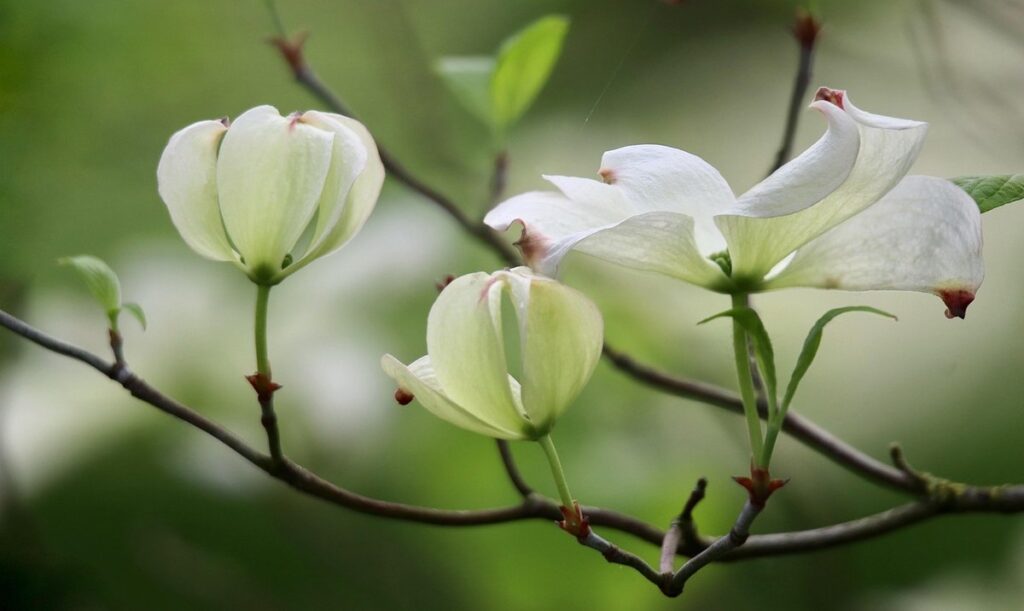
From flowering dogwoods (Cornus florida) that burst with vibrant blooms in spring to the compact Korean dogwood (Cornus kousa), there’s a type of dogwood suitable for every garden. Some popular varieties include the Cornelian cherry (Cornus mas) and the white dogwood (Cornus alba ‘Argenteo-marginata’). These stunning plants thrive in temperate climates, tolerating temperatures from -20°F to 100°F (-28°C to 38°C).
When choosing a dogwood for your garden, consider factors like mature size, growth habits, and flower color. For example, the Cornus florida ‘Rubra’ produces vibrant red flowers, while the Cornus kousa displays white or pink blooms. With proper care and attention, dogwoods can provide years of beauty, structure, and habitat for local wildlife, making them an excellent companion plant choice in your garden.
Choosing the Right Location for Dogwoods
When it comes to choosing the right location for dogwoods, several factors come into play. First and foremost, consider the amount of sunlight the area receives. Dogwoods typically prefer full sun to partial shade, with a minimum of 4-6 hours of direct sunlight per day. However, some varieties like the ‘Appalachian Spring’ can tolerate more shade.
In addition to sunlight, soil requirements are also crucial. Dogwoods thrive in well-draining acidic soils with a pH between 5.5 and 6.5. If your native soil is too alkaline or heavy clay-based, consider amending it before planting. For instance, mix in some peat moss or compost to lower the pH and improve drainage.
When selecting a location, also keep in mind any nearby water sources. Dogwoods don’t like standing water, so ensure the area doesn’t collect excess rainwater or flood during heavy downpours. With these factors in mind, you can choose an ideal spot for your dogwood tree to flourish alongside its companion plants.
Preparing the Soil for Dogwoods
When it comes to growing dogwoods successfully, one of the most crucial steps is preparing the soil. Dogwoods thrive in well-draining acidic soils with a pH range between 5.5 and 6.5. If your soil’s pH level falls outside this range, it may lead to nutrient deficiencies and reduced growth.
To check your soil’s pH level, you can purchase a DIY kit or send a sample to a lab for analysis. Based on the results, you can adjust the pH by adding organic matter like peat moss or sulfur to lower the pH or lime to raise it.
Dogwoods also require adequate nutrients to grow well. Feed them with an acidic fertilizer (pH 4-5) during the growing season to promote healthy growth and flowering. A balanced fertilizer with a ratio of 10-10-10 (nitrogen-phosphorus-potassium) is suitable for dogwoods, but avoid overfertilizing as it can lead to weak roots.
Keep in mind that dogwood varieties like Cornelian cherry and Flowering Dogwood have different nutrient requirements. Research the specific needs of your dogwood variety to ensure you’re providing the right nutrients for optimal growth.
Selecting Companion Plants for Dogwoods
When choosing companion plants for your dogwood, consider factors like growing conditions, maintenance needs, and visual harmony to create a stunning landscape. Let’s explore some beautiful pairing options!
Benefits of Companion Planting
Companion planting is a game-changer for dogwood trees. By strategically pairing your dogwood with other plants, you can create a thriving ecosystem that promotes healthy growth and reduces the risk of pests and diseases.
One of the most significant benefits of companion planting is its impact on soil health. Certain plants, like marigolds and nasturtiums, release chemicals into the soil that repel nematodes and other microscopic pests that can harm your dogwood’s roots. These plants also attract beneficial insects like bees and butterflies, which help pollinate your dogwood flowers.
Companion planting can also help reduce disease susceptibility in dogwoods. For example, planting garlic or chives near your dogwood has been shown to inhibit the growth of fungal diseases like powdery mildew and root rot. By creating a diverse and balanced ecosystem around your dogwood, you’ll be better equipped to fend off pests and diseases that could harm your tree.
By incorporating companion plants into your garden design, you can enjoy improved growth rates, increased fruit production, and reduced maintenance costs over time. So why not give it a try?
Types of Companion Plants for Dogwoods
When it comes to choosing companion plants for dogwoods, you have a wide range of options to consider. Some popular choices include hostas, daylilies, and coneflowers. These plants not only add visual interest to the garden but also provide benefits like shade, groundcover, and attract pollinators.
Hostas are an excellent choice for companion planting with dogwoods. They thrive in shady conditions and can help prevent weeds from growing around your dogwood tree. Plus, their large leaves provide a beautiful contrast to the smaller foliage of dogwood trees. Daylilies, on the other hand, are low-maintenance and drought-tolerant, making them perfect for busy gardeners. Their tall stems also create a striking visual effect when planted alongside dogwoods.
Coneflowers are another great option for companion planting with dogwoods. These flowers attract butterflies and hummingbirds to your garden, adding a touch of whimsy and charm. Plus, their tall stature helps to draw the eye upwards, creating a sense of vertical interest in the garden. When selecting companion plants for your dogwood tree, consider factors like sunlight requirements, watering needs, and growth habits to ensure they thrive alongside your dogwood.
How to Pair Dogwoods with Other Shrubs and Trees
When it comes to pairing dogwoods with other shrubs and trees, the possibilities are endless. However, some combinations work better than others. For instance, hydrangeas make a stunning pair with dogwoods, particularly ‘Cardinal’ or ‘Kousa’ varieties. Their large flowers complement the dogwood’s showy blooms, creating a beautiful contrast in color and texture.
Roses are another excellent choice to pair with dogwoods. Their elegant foliage and fragrant flowers create a romantic ambiance that complements the dogwood’s stately beauty. Consider pairing ‘English Rose’ or ‘Floribunda’ varieties with ‘Kousa’ or ‘Stella’ dogwoods for a stunning combination.
If you want to add some natural grandeur to your garden, consider pairing dogwoods with oaks. The towering oak trees provide a majestic backdrop for the dogwood’s showy blooms, creating a striking visual contrast. For example, pair ‘White Dogwood’ or ‘Redosier Dogwood’ with a majestic English Oak or a Japanese Maple tree.
Remember, when pairing dogwoods with other shrubs and trees, choose varieties that complement each other in terms of color, texture, and growth habits. This will create a harmonious and visually appealing combination that enhances the beauty of both plants.
Designing a Dogwood Garden Bed
When designing a dogwood garden bed, consider adding some companion plants that complement its unique beauty and thrive in similar conditions. Choose plants that provide structural interest and texture to create a visually appealing landscape.
Planning the Layout for a Dogwood Companion Plant Bed
When planning the layout for a dogwood companion plant bed, it’s essential to consider the mature size of each plant and leave enough space for proper growth. A good rule of thumb is to plant companions at least 12-18 inches away from the dogwood tree, depending on their spread.
Consider the sun requirements and growth habits of your chosen companions. For example, if you’re planting shade-loving plants like ferns or astilbe, they can be placed closer together in a more compact area. On the other hand, sun-loving perennials like coneflower or black-eyed Susan require more space to spread out.
To create visual interest and balance, group companion plants by height, texture, and bloom times. For example, plant taller companions towards the north or west side of the bed, while shorter ones can be placed in front. This will also help prevent overcrowding and allow for proper air circulation around each plant. Remember to leave some space for easy maintenance and pruning access.
Consider creating a layered look by mixing tall plants with groundcovers like creeping thyme or sedum. This will add depth and visual interest while preventing weeds from growing up through the bed.
Tips for Watering and Fertilizing Dogwood Companions
When it comes to creating a thriving dogwood garden bed, companion plants play a crucial role in adding texture, color, and interest. However, proper watering and fertilizing techniques are essential for these plants to reach their full potential.
Firstly, when it comes to watering, make sure not to overwater your companion plants. Dogwoods prefer well-draining soil and can be susceptible to root rot if the soil is too moist. Water them deeply once or twice a week, depending on weather conditions, but avoid frequent shallow watering which can lead to weak and leggy growth.
Fertilizing is also essential for healthy companion plants. A balanced fertilizer with a mix of nitrogen, phosphorus, and potassium will provide necessary nutrients for growth and development. You can apply a 10-10-10 NPK fertilizer in early spring or late summer/early fall when new growth begins.
Some excellent options to fertilize your dogwood companions include compost tea or manure tea. These liquid fertilizers release nutrients slowly into the soil, promoting healthy microbial activity and reducing waste disposal issues.
In addition to these methods, be mindful of companion plants’ specific needs, such as preferring acidic soils (like bluebells) or requiring a dry spell between waterings (like succulents). Adjust your care accordingly to ensure a harmonious coexistence with your dogwood trees.
Mulching and Pruning Techniques for a Healthy Dogwood Garden
Mulching and pruning are essential techniques for maintaining a healthy dogwood garden with companion plants. Mulch acts as a barrier between the soil and the air, preventing moisture loss and retaining nutrients. Organic mulches like wood chips or bark help suppress weeds that can compete with your dogwood and companion plants for water and nutrients.
When choosing a mulch, consider its color and texture to ensure it complements your garden’s aesthetic. For example, dark-colored mulch can help hide soil stains and create a uniform appearance. As for pruning, timing is crucial. Prune your dogwoods in late winter or early spring before new growth begins, as this allows the plant to heal quickly.
For companion plants like hostas or ferns that prefer shade, prune them after blooming has finished. This helps control their size and encourages bushy growth. Remember to also remove any dead or diseased branches from both your dogwood and companion plants to prevent the spread of disease and maintain a balanced ecosystem.
When pruning, disinfect your tools between cuts to prevent the transfer of diseases. Also, make clean cuts just above a bud or a lateral branch to promote healthy growth.
Troubleshooting Common Problems in Dogwood Companion Planting
Don’t worry if your dogwood companion planting isn’t thriving – we’ve got solutions for common problems like poor growth and pests. Let’s troubleshoot together!
Identifying Common Pests and Diseases Affecting Dogwoods
When it comes to growing dogwoods, it’s essential to be aware of common pests and diseases that can affect these beautiful trees. One of the most notorious pests is the Japanese beetle, which feeds on dogwood leaves and flowers, causing significant damage. To identify a Japanese beetle infestation, look for small, oval-shaped holes in the leaves or damaged flowers. If you notice these signs, take action immediately by hand-picking the beetles from your dogwood trees.
Another common issue affecting dogwoods is powdery mildew, a fungal disease that causes white powder to form on the leaves. This can be identified by the characteristic white coating and yellowing of the leaves. To prevent powdery mildew, ensure good air circulation around your dogwood trees and water them at the base rather than getting water on the leaves.
Regularly inspect your dogwood trees for these signs and take action promptly to prevent further damage. Regular pruning and maintaining a healthy distance between trees can also help prevent the spread of pests and diseases. By being vigilant, you can enjoy the beauty of your dogwood companion plants without worrying about common problems.
Solutions for Dealing with Unwanted Plants or Weeds in the Dogwood Garden
When it comes to maintaining a dogwood garden bed, one common issue many gardeners face is dealing with unwanted plants or weeds. These unwelcome visitors can steal nutrients and water from your prized dogwoods, causing stress and potentially harming the trees’ overall health.
To identify unwanted plants or weeds in your dogwood garden, look for characteristics such as irregular growth patterns, leaves that are unlike those of your dogwoods, or stems that seem to appear out of nowhere. Some common culprits include English ivy, Japanese knotweed, and bindweed – all notorious for their invasive tendencies.
To remove unwanted plants or weeds, start by carefully hand-pulling them, making sure not to damage nearby dogwood roots. For more established infestations, consider using a systemic herbicide specifically labeled for use in garden beds. Be cautious when choosing an herbicide, as some can harm your dogwoods if not applied correctly.
Keep in mind that prevention is key: create a barrier around your dogwoods with mulch or landscape fabric to prevent weeds from taking hold in the first place. Regularly inspecting your garden bed will also help catch unwanted visitors before they become a major problem.
Tips for Long-Term Success with Your Dogwood Companion Planting
To ensure your beautiful dogwood companion planting remains thriving, follow these essential tips that will help you achieve long-term success in your garden.
Regular Maintenance and Care for Dogwood Companions
To keep your dogwood companion plants thriving, regular maintenance is crucial. Deadheading, for instance, promotes continuous blooming and encourages new flower growth. Remove spent flowers as soon as they fade to prevent seed production and redirect the plant’s energy towards producing more blooms.
Staking may also be necessary, especially if your dogwood companion is a tall variety or is exposed to strong winds. Install sturdy stakes when planting and gently tie the stem to the stake using soft materials like twine or Velcro ties. This will help support the plant’s growth and prevent damage from wind-borne stress.
Regular watering and fertilization are also vital for maintaining healthy dogwood companions. Water plants regularly, but avoid overwatering which can lead to root rot and other problems. Fertilize your companion plants in the spring with a balanced, water-soluble fertilizer following the manufacturer’s instructions. This will provide essential nutrients for optimal growth.
By performing these simple maintenance tasks, you’ll be able to enjoy vibrant blooms and lush foliage from your dogwood companions all season long.
Monitoring for Signs of Stress or Disease in Dogwoods and Their Companions
Monitoring for Signs of Stress or Disease in Dogwoods and Their Companions is crucial to ensure their long-term health and success. As a dogwood companion planting enthusiast, it’s essential to stay vigilant and recognize the early warning signs of stress or disease.
When inspecting your dogwood and its companions, look out for changes in leaf color, droopy branches, or yellowing leaves. These can be indicative of nutrient deficiencies, overwatering, or root damage from nearby plants. For example, if you notice your dogwood’s leaves are turning a light greenish-yellow, it may be a sign that the soil pH is too high.
Keep an eye out for pests like aphids, spider mites, and scale, which can quickly spread disease among companion plants. Regularly inspect the undersides of leaves and stems for signs of infestation. If you notice any unusual growths or discoloration, investigate further to determine the cause.
Monitor your dogwoods’ watering habits, ensuring they receive adequate moisture without overwatering. This will help prevent root rot and other water-borne diseases. Regularly inspect the soil around your plants, checking for signs of fungal growth or root damage. By staying vigilant and recognizing these early warning signs, you can take prompt action to protect your dogwood companion planting from stress and disease.
Encouraging Pollinators and Beneficial Insects to Visit Your Dogwood Garden
To create a haven for pollinators and beneficial insects in your dogwood garden, consider incorporating plants that provide a constant source of nectar and pollen. Bee balm, lavender, and coneflower are excellent choices as they attract a variety of beneficial insects. These flowers come in different shapes, sizes, and bloom times, ensuring a steady supply of food for pollinators throughout the growing season.
Incorporating native plants is also essential for attracting local pollinators. For example, planting native wildflowers like black-eyed susans or cosmos will provide a natural source of nectar and pollen that is tailored to the specific needs of your region’s pollinator population. Additionally, avoid using pesticides, which can harm or kill beneficial insects. Instead, adopt integrated pest management techniques that focus on encouraging beneficial insects and using physical barriers to prevent pests from reaching your dogwood plants.
To take it a step further, consider creating a bug hotel or bee house in your garden. This will provide a cozy habitat for solitary bees and other beneficial insects to nest and lay eggs, further increasing their presence in your dogwood garden.
Frequently Asked Questions
Can I use companion plants with young or newly planted dogwoods?
Yes, companion planting can be beneficial for young or newly planted dogwoods as well. In fact, choosing the right companion plants can help these trees establish themselves quickly and healthily. Consider pairing them with low-maintenance perennials that won’t compete for water and nutrients.
How do I prevent competition between dogwood and companion plants?
To minimize competition, choose companion plants that have different growing requirements than your dogwoods. For example, if you’re planting a flowering dogwood, pair it with groundcovers or low-growing shrubs that prefer full sun and dry soil. Avoid using high-maintenance plants like hydrangeas or azaleas that require regular watering and fertilization.
Can I use companion plants to repel pests naturally?
Yes, certain companion plants are known to repel pests that target dogwoods, such as deer, insects, or diseases. For example, planting lavender or rosemary near your dogwood trees can help deter pests without using chemical pesticides. Research specific companion plants that have pest-repellent properties and incorporate them into your garden design.
What’s the ideal spacing for companion plants around dogwoods?
The ideal spacing for companion plants will depend on their mature size and growth habits. Generally, it’s best to plant companion flowers or shrubs 1-3 feet away from the base of your dogwood trees, allowing enough space for air circulation and sunlight penetration.
Can I use annuals as companion plants for dogwoods?
Yes, annuals can be used as companion plants for dogwoods, especially in areas with poor soil quality. Annuals like marigolds or nasturtiums are low-maintenance and can help improve soil health while adding visual interest to your garden. However, keep in mind that they will need to be replanted every year.