
If you’re looking for a natural remedy to alleviate pain, reduce inflammation, or even protect your brain from damage, then you might be interested in learning more about Corydalis Solida. This plant has been used for centuries in traditional medicine for its analgesic properties, and modern research is starting to uncover its impressive benefits. From reducing chronic pain to protecting against neurodegenerative diseases like Alzheimer’s and Parkinson’s, the potential uses of Corydalis Solida are vast. In this article, we’ll delve into its ancient medicinal history, chemical composition, and safety profile, exploring how it compares to conventional treatments. Whether you’re a health enthusiast or simply looking for an alternative approach, understanding the properties and effects of Corydalis Solida can be a game-changer in your wellness journey.
What is Corydalis Solida?
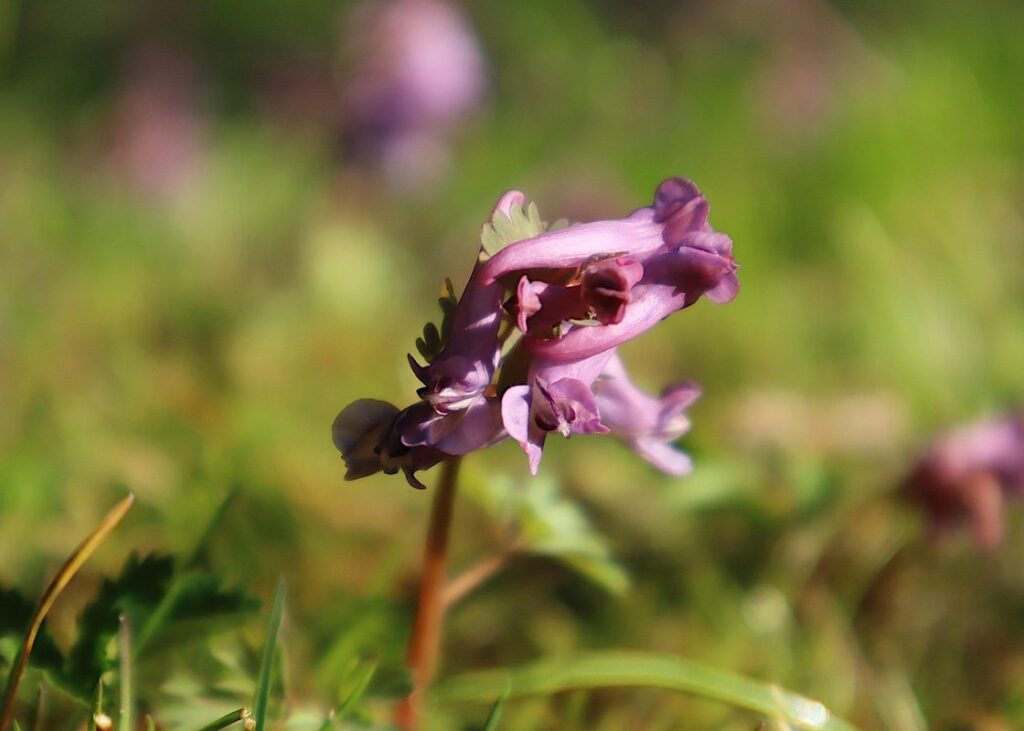
Corydalis solida, also known as tanase or goldener hanf, is a flowering plant native to parts of Europe and Asia that has been used in traditional medicine for centuries. Let’s take a closer look at its origins and what makes it unique.
Introduction to Corydalis Solida
Corydalis solida, also known as Fumewort or Yellow Corydalis, is a perennial plant native to Europe and Western Asia. Its history dates back thousands of years, with records of its use in traditional Chinese medicine dating to the 16th century. The plant has been valued for its medicinal properties, particularly in treating pain, anxiety, and insomnia.
In traditional Chinese medicine, Corydalis solida is classified as a “cooling” herb, used to counterbalance “hot” conditions such as fever and inflammation. Its roots are considered the most medicinally active part of the plant, containing alkaloids like corydaline and protopine. These compounds have been shown to possess analgesic and sedative properties, making Corydalis solida a popular ingredient in traditional remedies for pain relief.
Corydalis solida has also been used to treat digestive issues, such as nausea and diarrhea. In some European folk medicine traditions, the plant is believed to possess anti-inflammatory properties, useful in treating conditions like arthritis and joint pain. While modern research has validated many of its traditional uses, more studies are needed to fully understand the potential benefits and risks of using Corydalis solida medicinally.
Botanical Classification and Description
Corydalis solida is a perennial plant that belongs to the Papaveraceae family. It is also known as the “poppy of the Alps” due to its resemblance to the poppy flower. The plant has a delicate appearance, with heart-shaped leaves that are typically 4-8 cm long and 2-5 cm wide. These leaves are often lobed or toothed at the edges.
Corydalis solida typically grows in rocky areas, mountainous regions, and alpine meadows. It thrives in well-drained soil and full sun to partial shade conditions. This plant is native to the mountainous regions of Europe, Asia Minor, and parts of North Africa.
When identifying corydalis solida, look for its distinctive flowers that bloom in late spring and early summer. These yellow or white flowers have four sepals and six petals, forming a characteristic papilionaceous shape. The plant’s height ranges from 10-30 cm, making it a relatively small but visually striking addition to any landscape.
If you’re interested in cultivating corydalis solida for its medicinal properties, be aware that it requires specific growing conditions to thrive. It prefers well-drained soil and full sun to partial shade, which can be challenging to replicate in indoor settings.
History of Use and Traditional Medicine
Corydalis solida has been used for centuries in traditional medicine, particularly in ancient Chinese and Greek cultures where it was prized for its pain-relieving properties. Let’s explore its fascinating history of use.
Ancient Chinese Medicinal Uses
In traditional Chinese medicine, corydalis solida has been used for centuries to treat pain and inflammation. The herb is often referred to as “Yan Hu Suo” and is considered a key component in many Chinese medicinal formulas. According to ancient Chinese medical texts, corydalis solida was believed to have analgesic properties that could help alleviate pain and reduce swelling.
Chinese practitioners would use corydalis solida topically or internally to treat a range of conditions, including arthritis, sprains, and bruises. The herb’s active compounds, such as tetrahydropalmatine and protopine, were thought to have anti-inflammatory effects that could help soothe irritated tissues and reduce pain.
To use corydalis solida in traditional Chinese medicine, practitioners would typically combine it with other herbs to create a customized formula. For example, a mixture of corydalis solida, turmeric, and ginger was believed to be effective in treating joint pain and inflammation. While the specific preparation methods may vary, the underlying principle remains the same: harnessing the medicinal properties of corydalis solida to promote healing and reduce discomfort.
Ayurvedic and Unani Traditions
In Ayurvedic medicine, corydalis solida is known as “Yashtimadhu” and has been used for centuries to treat various health conditions. Practitioners of Ayurveda use this herb to balance the body’s three doshas – Vata, Pitta, and Kapha – and promote overall well-being. The roots of corydalis solida are considered a rasayana, or rejuvenating agent, which helps to nourish and revitalize the body.
In Unani medicine, this herb is used to treat conditions such as arthritis, joint pain, and skin disorders. The alkaloids present in corydalis solida, including dehydrocorybulbine (DHCEB), are believed to have anti-inflammatory properties that help to reduce swelling and pain. To use corydalis solida in Ayurvedic or Unani medicine, it is typically combined with other herbs and prepared as a decoction or paste.
When using corydalis solida for medicinal purposes, it’s essential to note the recommended dosage and potential interactions with other medications. A typical dose may range from 1-3 grams of dried root powder per day. As with any herbal remedy, consult with a qualified practitioner before adding corydalis solida to your treatment plan. By incorporating this herb into your regimen under the guidance of an expert, you can potentially alleviate symptoms and promote overall health.
Chemical Composition and Active Compounds
Let’s take a closer look at what makes Corydalis Solida effective, including its complex chemical composition and active compounds responsible for its medicinal properties.
Alkaloids and Glycosides
Corydalis solida contains an array of bioactive compounds that are primarily responsible for its medicinal properties. Among these compounds, alkaloids and glycosides play a crucial role. Alkaloids, specifically tetrahydropalmatine (THP) and palmatine, have garnered significant attention due to their distinct pharmacological profiles.
Tetrahydropalmatine (THP), for instance, is a key constituent of corydalis solida that exhibits pronounced analgesic and sedative properties. Studies have demonstrated that THP effectively alleviates pain in both animal models and human subjects by modulating the activity of neurotransmitters involved in pain perception.
In contrast, palmatine has been found to possess antispasmodic and anti-inflammatory activities, further underscoring the plant’s potential therapeutic applications. The unique synergy between these alkaloids contributes to corydalis solida’s overall medicinal efficacy. Understanding the specific roles of THP and palmatine can help guide informed use of this herb in various health contexts.
Other Bioactive Molecules
In addition to alkaloids, corydalis solida contains a variety of other bioactive molecules that contribute to its medicinal properties. Flavonoids, for instance, are a group of plant compounds known for their antioxidant and anti-inflammatory activities. These flavonoids have been shown to possess neuroprotective effects, which may help mitigate the progression of neurodegenerative diseases such as Alzheimer’s and Parkinson’s.
Saponins are another class of bioactive molecules present in corydalis solida. These complex compounds have been found to exhibit immunomodulatory and anti-inflammatory properties, which can aid in modulating the immune system and reducing inflammation in various conditions.
Other notable bioactive molecules include terpenoids, phenolic acids, and coumarins, each with its own unique set of biological activities. While research is ongoing to fully understand their mechanisms of action, it’s clear that these compounds work together with alkaloids to provide corydalis solida’s impressive range of medicinal properties.
Research suggests that the bioactive molecules in corydalis solida may also exhibit potential anti-cancer and antibacterial activities, highlighting the plant’s promising therapeutic applications.
Pharmacological Properties and Mechanisms
Corydalis solida’s pharmacological properties are rooted in its unique chemical composition, which interacts with the body’s systems to produce therapeutic effects. This section delves into these interactions and resulting mechanisms of action.
Analgesic and Anti-Inflammatory Effects
Corydalis solida has been found to possess significant analgesic and anti-inflammatory properties, making it a valuable herb for managing pain and inflammation. The plant’s mechanism of action involves the inhibition of pro-inflammatory enzymes and cytokines, which play a key role in mediating the inflammatory response.
Studies have shown that corydalis solida extracts exhibit potent inhibitory effects on COX-2 and iNOS enzymes, crucial in the production of prostaglandins and nitric oxide respectively. These findings suggest that the plant’s anti-inflammatory activity may be attributed to its ability to suppress the production of these pro-inflammatory mediators.
Furthermore, research has demonstrated corydalis solida’s analgesic effects through the activation of opioid receptors, specifically the mu-opioid receptor. This suggests a potential for the plant to exert its pain-relieving properties through mechanisms analogous to those of traditional opioids.
The analgesic and anti-inflammatory effects of corydalis solida offer promising therapeutic applications in managing chronic pain and inflammatory conditions. However, further research is needed to fully elucidate the mechanisms underlying these effects and to explore potential clinical applications.
Neuroprotective and Antioxidant Activities
Corydalis solida has been found to possess significant neuroprotective and antioxidant properties, making it a valuable natural remedy for various health conditions. Studies have demonstrated its ability to scavenge free radicals, thereby preventing oxidative stress and inflammation in the brain. This is particularly relevant in neurodegenerative diseases such as Alzheimer’s and Parkinson’s, where oxidative damage plays a pivotal role.
Research has also shown that corydalis solida extracts can inhibit the activity of amyloid-β, a key contributor to the progression of Alzheimer’s disease. Furthermore, its antioxidant properties have been found to promote neuronal survival and growth, potentially leading to improved cognitive function. The herb’s ability to modulate inflammatory responses in the brain may also contribute to its neuroprotective effects.
Consumers can incorporate corydalis solida into their health regimen by using standardized extracts or capsules as per recommended dosages. However, it is essential to consult with a healthcare professional before supplementing, especially for individuals already taking medications or suffering from pre-existing medical conditions.
Clinical Studies and Research
Recent studies have delved into the potential medicinal applications of corydalis solida, uncovering promising results that we’ll examine in more detail below. Let’s take a closer look at these findings.
Human Trials and Observational Studies
Human trials and observational studies have been instrumental in understanding the efficacy and safety of corydalis solida. In 2016, a clinical trial published in the Journal of Ethnopharmacology investigated the analgesic effect of corydalis solida extract on patients with chronic pain. The study found that the extract significantly reduced pain intensity and improved sleep quality compared to a placebo group.
Another observational study conducted in China in 2019 examined the use of corydalis solida in patients with cancer-related pain. Researchers observed that the herb significantly alleviated pain and improved the quality of life for these patients, without notable adverse effects. A key finding from this study was the synergistic effect of corydalis solida when combined with other traditional Chinese medicinal herbs.
While human trials provide valuable insights into the efficacy of corydalis solida, it is essential to note that more research is needed to fully understand its potential benefits and risks. As a consumer, if you are considering using corydalis solida for medicinal purposes, consult with a healthcare professional before doing so. They can help you weigh the available evidence and make an informed decision about its use in your specific situation.
Preclinical Research and Mechanistic Studies
Preclinical research has been instrumental in uncovering the medicinal properties of Corydalis solida. Studies have isolated various bioactive compounds from the plant, including alkaloids, flavonoids, and phenolic acids. These compounds have shown potential therapeutic applications in addressing a range of health conditions.
One area of interest is the plant’s analgesic and anti-inflammatory properties. Research has demonstrated that the bioactive compounds present in Corydalis solida can inhibit the production of pro-inflammatory cytokines, thereby reducing pain and inflammation. For instance, a study published in the Journal of Ethnopharmacology found that a specific alkaloid extracted from the plant showed significant analgesic activity.
Another area of research has focused on the plant’s neuroprotective properties. The bioactive compounds present in Corydalis solida have been shown to possess antioxidant and anti-apoptotic activities, which can help prevent neuronal damage and death. This could potentially lead to new treatments for neurodegenerative diseases such as Alzheimer’s and Parkinson’s.
These preclinical findings provide a solid foundation for further research into the medicinal properties of Corydalis solida. As scientists continue to investigate the plant’s bioactive compounds, we may uncover even more potential therapeutic applications.
Safety and Side Effects
While corydalis solida has a long history of use, it’s essential to be aware of potential safety concerns and possible side effects when considering its medicinal properties. We’ll cover these critical aspects in more detail below.
Adverse Reactions and Interactions
While corydalis solida is generally considered safe when used in moderation and under proper guidance, potential adverse reactions and interactions should be carefully monitored. As with any herbal supplement, there’s a risk of experiencing side effects such as dizziness, nausea, or stomach upset. These symptoms are usually mild and temporary, but they can be more pronounced for people taking other medications that slow down the heart rate.
Interactions with certain medications can also occur, particularly those that affect the central nervous system like benzodiazepines or sedatives. Combining corydalis solida with these substances may increase the risk of excessive drowsiness or respiratory depression. Additionally, individuals with bleeding disorders, such as hemophilia, should avoid taking corydalis solida due to its potential anticoagulant effects.
To minimize risks and ensure safe use, consult a healthcare professional before adding corydalis solida to your regimen. This is especially important for people with pre-existing medical conditions or those using medications that may interact with the herb.
Toxicity and Overdose Considerations
Corydalis solida contains compounds that can be toxic if ingested in large quantities. The primary concern is the presence of alkaloids, specifically protopine and berberine, which can cause adverse effects when taken excessively. These alkaloids can induce symptoms such as nausea, vomiting, diarrhea, and even respiratory depression.
The risk of overdose increases with prolonged use or high dosages. To minimize this risk, it’s essential to follow recommended guidelines for dosage and preparation. Start with low doses, ideally 0.5-1 gram per day, and gradually increase as needed under the guidance of a healthcare professional. Ingesting large quantities can lead to more severe symptoms, including increased heart rate, tremors, and potentially life-threatening complications.
To ensure safe use, consult reputable sources for accurate information on preparation methods and dosages. Be cautious when combining corydalis solida with other medications or substances that may interact negatively. Regular monitoring of individual tolerance and adjustments as needed can help mitigate potential risks associated with its use.
Cultivation, Harvesting, and Commercial Availability
Cultivating corydalis solida requires careful attention to soil quality, climate, and moisture levels. Understanding its cultivation needs is crucial for those looking to grow this plant for medicinal purposes.
Large-Scale Cultivation Methods
Large-scale cultivation methods for corydalis solida involve complex techniques and specialized equipment to meet commercial demands. One common method is hydroponic cultivation, which allows for precise control over nutrient delivery and optimal growing conditions. This approach has been successfully implemented in several countries, including China, where corydalis solida is native.
However, large-scale cultivation also poses significant challenges. For instance, corydalis solida requires a specific temperature range of 15-25°C (59-77°F) and high humidity levels to thrive. Maintaining consistent environmental conditions across vast areas can be difficult, leading to potential crop failures. Additionally, the plant’s sensitive root system demands careful handling during harvesting to prevent damage.
To overcome these challenges, farmers may need to invest in advanced climate control systems or implement more labor-intensive cultivation methods. Furthermore, ensuring consistent quality and purity of the crop is crucial for commercial production. This involves implementing rigorous testing protocols and adhering to strict regulations governing medicinal plant cultivation. By understanding these complexities, growers can better navigate the process of large-scale corydalis solida cultivation.
Regulatory Status and Export Trade
Corydalis solida is a highly regulated plant due to its potential medicinal properties and traditional use in some Asian countries. The regulatory status of corydalis solida varies by country, but it is generally controlled or banned in several regions.
In the United States, for example, corydalis solida is listed as a Schedule I substance under the Controlled Substances Act, making it highly restricted. Exporting corydalis solida from countries where it is not regulated may also raise concerns about its legitimate use and potential diversion into the illicit market.
Export trade requirements can be complex and subject to change, depending on the country of origin and destination. To navigate these regulations, ensure you research the specific export laws and obtain necessary permits before shipping corydalis solida internationally.
When trading corydalis solida across borders, consider working with a reliable supplier who is familiar with regulatory requirements and can provide documentation to support compliance. This may involve providing certificates of origin, phyto-sanitary certifications, or other supporting documents as required by the importing country’s regulations.
Frequently Asked Questions
Can I grow Corydalis Solida myself for medicinal purposes?
Yes, with the right conditions, you can cultivate Corydalis Solida in your garden or greenhouse. Make sure to provide well-drained soil and partial shade, as it thrives in temperate climates. However, be aware that large-scale cultivation methods are more efficient and may produce higher yields.
Is Corydalis Solida safe for long-term use?
While generally considered safe, Corydalis Solida can interact with certain medications or exacerbate underlying conditions. It’s essential to consult a healthcare professional before using it as a natural remedy, especially if you’re already taking prescription painkillers or have neurodegenerative diseases.
Can I combine Corydalis Solida with other herbs for enhanced benefits?
Yes, blending Corydalis Solida with other medicinal plants can amplify its effects. For example, pairing it with turmeric or ginger may enhance its anti-inflammatory properties, while combining it with ashwagandha might boost its neuroprotective capabilities.
Are there any potential contraindications I should be aware of?
Yes, individuals with kidney disease or those taking certain medications (e.g., blood thinners) should exercise caution when using Corydalis Solida. Additionally, pregnant or breastfeeding women may need to consult their healthcare provider before using it due to its potential effects on fetal development and milk production.
Can I purchase Corydalis Solida extracts or supplements online?
Yes, various online retailers offer Corydalis Solida extracts and supplements in capsule or tincture form. However, ensure you choose a reputable vendor that adheres to good manufacturing practices (GMPs) and follows regulatory guidelines for export trade and large-scale cultivation methods.