
The Sego Lily is a stunning wildflower that’s steeped in history and cultural significance. Native to the Great Basin region, this beautiful flower has been an integral part of the indigenous peoples’ lives for centuries. Not only does it hold spiritual and medicinal value, but its unique characteristics also make it a prized addition to any garden or natural setting. If you’re interested in growing your own Sego Lily or simply want to learn more about this remarkable plant, you’ve come to the right place. In this article, we’ll delve into the growth habits, care requirements, and cultural significance of the Sego Lily, as well as provide tips on how to successfully cultivate it in your own garden or natural area.
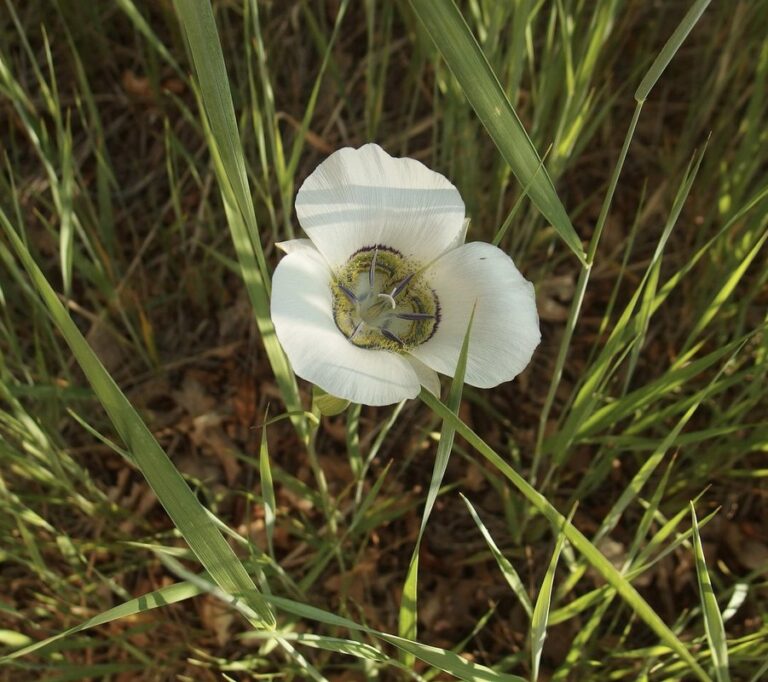
What is a Sego Lily?
The sego lily is often considered Utah’s state flower, but what makes it so special and how did it earn its prestigious title. Let’s start by learning about its unique characteristics.
Definition and Classification
The sego lily (Calochortus nuttallii) is a perennial wildflower native to the western United States and southwestern Canada. To understand this beautiful flower, it’s essential to delve into its botanical definition and classification.
From a botanical standpoint, Calochortus nuttallii belongs to the family Liliaceae, which includes over 600 species of lilies. The genus Calochortus, however, is distinct in that it contains only about 30 species, making sego lily one of the more unique and lesser-known members of this group.
In terms of classification, sego lily is further divided into two main categories: the western or eastern varieties. These subspecies are defined by their geographical distribution and slight variations in appearance. The western variety, for example, tends to have larger flowers with a more vibrant color palette than its eastern counterpart.
Interestingly, sego lily has been recognized as the official state flower of Utah since 1911. This recognition is not only a testament to the flower’s beauty but also its significance within the region’s ecosystem and cultural heritage.
Native Habitat and Distribution
The Sego Lily is native to the western United States, specifically found in the mountainous regions of Arizona, Colorado, Utah, and Wyoming. It typically grows in dry, grassy areas with well-drained soil at elevations ranging from 4,000 to 10,000 feet above sea level.
When searching for the Sego Lily in its natural habitat, look for open spaces with rocky outcroppings or sandy washes. These plants thrive in full sun and can tolerate extreme temperatures, but they prefer areas that receive moderate rainfall, typically between 15-25 inches annually. In these conditions, the Sego Lily blooms from May to July, producing vibrant white flowers with yellow centers.
It’s essential to respect the Sego Lily’s native habitat when searching for it in the wild. Avoid damaging or uprooting these plants, as they are often protected by local laws and regulations. Instead, observe them from a safe distance to appreciate their beauty and admire their unique adaptations to their environment. By doing so, you can help preserve this beautiful wildflower for future generations to enjoy.
Identification and Characteristics
To accurately identify a sego lily, you’ll want to look for its distinctive yellow petals and a cluster of white stamens at the center. Take note of these key characteristics.
Physical Description
The sego lily is a stunning wildflower that boasts a unique and striking appearance. It has three to seven pointed petals, typically ranging from 1-2 inches in length, with six stamens clustered at the center of the flower. The color palette is predominantly white or cream-colored, although some varieties may exhibit subtle yellow or pale pink undertones.
In terms of size, sego lily plants can grow anywhere from 6 to 24 inches tall and 12-18 inches wide. They tend to thrive in areas with full sun to partial shade and well-drained soil, often forming clusters or colonies over time. One distinctive growth habit is the formation of bulbs, which store water and nutrients for the plant’s survival during dry periods.
When growing sego lily plants, it’s essential to provide them with a suitable environment that replicates their natural habitat. This includes maintaining consistent moisture levels and fertilizing lightly during the growing season. With proper care, sego lilies can bloom in late spring, typically from May to July, producing an impressive display of vibrant white flowers that attract pollinators like bees and butterflies.
Leaves and Flowers
The sego lily’s leaves and flowers are just as striking as its reputation. When it comes to identifying this beautiful wildflower, paying attention to the details of its foliage is crucial. The leaves of the sego lily are long and narrow, typically 1-2 inches wide, with a waxy texture that helps conserve moisture in dry environments. They grow in a basal rosette pattern, meaning they sprout from the base of the plant, often forming a compact cluster.
The flowers themselves are highly distinctive, with three sepals (green, leaf-like structures) that resemble small petals. The true petals of the sego lily are yellow and arranged in an umbrella shape above the sepals, creating a striking contrast between colors. Each flower can grow up to 2 inches in diameter, making them a prominent feature on the plant.
When identifying sego lilies, look for these key characteristics: leaves with waxy texture growing in a rosette pattern, and flowers featuring yellow petals under an umbrella-shaped arrangement of green sepals. This will help you distinguish the sego lily from other wildflowers, especially those with similar growth habits.
Roots and Bulbs
The Sego Lily’s root system is surprisingly robust, considering its delicate appearance. Like many wildflowers, it has adapted to store energy and water during times of scarcity. The roots grow deep into the earth, often forming a network that can stretch up to 3 feet or more in diameter. This extensive root system allows the plant to tap into underground water sources and nutrients, making it well-suited for arid environments.
In addition to its impressive root system, the Sego Lily also produces bulb-like structures that store food and energy during the growing season. These bulbs are typically 1-2 inches in diameter and can remain dormant for several months before sprouting new growth. One key adaptation of the Sego Lily is its ability to produce multiple bulbs from a single root system, allowing it to spread quickly through an area.
If you’re trying to cultivate Sego Lilies, understanding their root system is crucial. When transplanting or dividing the plants, be sure to handle the roots gently and avoid damaging them, as this can weaken the plant’s ability to thrive.
Growing Conditions and Care
To ensure your sego lily thrives, it’s essential to understand its specific growing conditions and care requirements, which we’ll cover in detail below. This includes tips on soil, sunlight, and watering needs.
Climate and Soil Requirements
When it comes to growing sego lily in a garden or natural setting, understanding its specific climate and soil requirements is crucial for success. These native North American flowers thrive in areas with well-defined seasons, which means they need a period of cold winter dormancy to bloom healthily in the spring.
Sego lily prefers full sun to partial shade and can tolerate extreme temperatures ranging from -20°F (-29°C) to 90°F (32°C). When choosing a location for your sego lily, ensure it receives at least six hours of direct sunlight daily. As for soil, these drought-tolerant plants prefer alkaline conditions with pH levels between 6.5 and 8.5.
In terms of specific soil requirements, sego lily grows best in dry to moist soils rich in organic matter. A mix of sand, silt, and clay can work well, but be sure the area drains well to prevent waterlogged conditions that may lead to root rot. When planting, avoid overwatering, as this can be detrimental to the plant’s overall health.
It’s also essential to note that sego lily is highly adaptable to different soil types, making it an excellent choice for areas with varying terrain or soil compositions.
Watering and Moisture Needs
When it comes to watering and moisture needs, the Sego Lily is surprisingly adaptable. This drought-tolerant wildflower can thrive with minimal watering, but its roots will appreciate regular hydration during hot summer months. A good rule of thumb is to water the plant once a week during periods of high temperatures (above 85°F) and rainfall is scarce.
To determine if your Sego Lily needs more water, simply stick your finger into the soil up to the first knuckle. If the soil feels dry, it’s time for a drink. Overwatering can be just as detrimental as underwatering, so make sure not to soak the roots. Water thoroughly until you see water seeping from the drainage holes, and then let the soil dry slightly between waterings.
Keep in mind that Sego Lilies prefer well-draining soil and may require more frequent watering if they’re planted in dense or clay-heavy soil. In these cases, be cautious not to overwater, as this can lead to root rot and other issues. By striking a balance between adequate moisture and dry periods, you’ll be able to enjoy your Sego Lily’s stunning blooms all season long.
Fertilization and Pruning
Fertilizing your sego lily regularly will promote healthy growth and vibrant blooms. As this wildflower thrives in well-drained soil with a slightly alkaline pH, choose fertilizers that are specifically formulated for native plants or those with similar needs. Avoid using high-phosphorus fertilizers, as they can lead to weak roots and reduce the plant’s ability to absorb water.
During the growing season (spring and summer), apply a balanced fertilizer (10-10-10 NPK) according to the manufacturer’s instructions. You can also use compost tea or well-rotted manure to provide essential nutrients without over-fertilizing. After fertilizing, gently rake the soil to ensure good contact between the roots and nutrient-rich soil.
Regular pruning is essential for maintaining your sego lily’s shape and promoting new growth. In late winter or early spring, remove any dead or damaged flowers, as well as weak or spindly stems. Cut back the foliage by one-third to encourage bushy growth and prevent the plant from becoming leggy. This will also help prevent the spread of disease and encourage the development of new blooms in the coming season.
Symbolism, Cultural Significance, and Uses
The sego lily holds a rich history and cultural importance beyond its natural beauty, with symbolism that has deep roots in Utah’s heritage. Let’s explore these meanings together.
Historical and Cultural Significance
The Sego Lily has been an integral part of American folklore and cultural heritage for centuries. In the early 19th century, it was adopted as Utah’s state flower due to its resilience and adaptability, earning it a special place in the hearts of locals. The Sego Lily is often associated with hope, renewal, and rebirth, reflecting the themes that resonate deeply with many cultures.
In literature, the Sego Lily has been an inspiration for various writers, including John Muir who described it as “the most beautiful lily I have ever seen”. Its image appears in works of art, such as paintings and etchings by renowned artists. Folklore tells stories of its medicinal properties, with indigenous people using its bulbs to treat a range of ailments.
Today, the Sego Lily remains an important cultural symbol for Native American communities and Utah residents alike, serving as a reminder of their rich history and natural heritage.
Medicinal and Culinary Uses
The sego lily has been utilized by various cultures for its medicinal and culinary properties. In traditional Native American medicine, the plant’s roots were used to treat a variety of ailments, including fever, rheumatism, and even poisoning from other plants. The Cheyenne tribe, in particular, employed the sego lily as a treatment for snake bites.
In modern times, researchers have isolated compounds within the sego lily that exhibit anti-inflammatory properties. These findings suggest potential applications in managing conditions like arthritis and gout. However, it is essential to note that these benefits are largely based on lab studies and more research is needed before drawing conclusive medical uses.
Culinary enthusiasts can also reap rewards from incorporating the sego lily into their cooking repertoire. The plant’s edible flowers can be used as a garnish or added to salads for a burst of flavor. When prepared correctly, the roots are said to have a sweet, vanilla-like taste and can be roasted as a side dish.
Ornamental Value and Landscaping
The Sego Lily’s ornamental value lies in its stunning beauty and versatility as a decorative element. Its elegant white blooms with yellow centers are perfect for adding a touch of sophistication to gardens and landscapes. As a native plant to the American West, it’s an excellent choice for creating a natural and authentic look in your outdoor space.
When used as a landscape feature, the Sego Lily can be planted en masse to create a striking display of color, or interspersed with other wildflowers to add visual interest. Its foliage is also attractive, providing a soft green backdrop that complements other plants throughout the growing season. To maximize its ornamental value, consider planting multiple Sego Lilies together and allowing them to bloom in succession, creating a continuous display of flowers from late spring to early summer.
In addition to its beauty, the Sego Lily is also drought-tolerant, making it an excellent choice for water-conscious gardeners or those living in areas with low rainfall. By incorporating this beautiful wildflower into your landscape design, you can enjoy its aesthetic value while also reducing maintenance and upkeep.
Frequently Asked Questions
Can I grow Sego Lilies in containers or do they require a lot of space?
Yes, you can grow Sego Lilies in containers if you live in a region with suitable climate conditions. However, keep in mind that these plants prefer well-draining soil and full sun to partial shade, which might be challenging to replicate in small spaces. Choose large containers (at least 12-18 inches deep) and use a high-quality potting mix specifically designed for bulbs.
How do I propagate Sego Lilies from seed or division?
Propagation from seeds is possible but can be slow and unpredictable. For more reliable results, consider dividing established clumps in the fall or early spring when new growth begins. Gently separate the offsets, making sure each section has at least one growing point. Plant the divisions immediately in well-draining soil with full sun to partial shade.
Can I use Sego Lily for medicinal purposes without proper training?
While Sego Lily has been used traditionally for its medicinal properties, it’s essential to exercise caution and consult with a qualified healthcare professional before using any plant for treatment. The flowers and roots contain alkaloids that can be toxic in large quantities or when misused. Proceed with extreme care and only under the guidance of an experienced practitioner.
Are Sego Lilies deer-resistant, or will they attract unwanted wildlife to my garden?
Sego Lilies are generally unpalatable to deer and other large mammals, making them a good choice for gardens in areas with browsing animals. However, smaller creatures like rabbits and rodents might still be attracted to the flowers and leaves. Consider using physical barriers or repellents to protect your plants if needed.
Can I use Sego Lily as a cut flower in floral arrangements?
Yes, Sego Lilies make stunning additions to bouquets and arrangements. Their unique shape and delicate petals add an exotic touch to any design. Harvest the flowers when they’re fully open, taking care not to damage the stem or foliage. Use fresh water and a clean vase to ensure the blooms last as long as possible.