
Are you looking for a low-maintenance yet stunning addition to your garden? Look no further than muhly grass, a native North American plant that’s both beautiful and easy to care for. This ornamental grass is a favorite among gardeners due to its striking purple foliage and airy plumes that dance in the breeze. But muhly grass offers more than just visual appeal – it’s also an excellent choice for wildlife gardens, as it provides food and shelter for local birds and insects. In this article, we’ll delve into the benefits of growing muhly grass in your garden, including its care requirements and tips for getting the most out of this stunning native plant. Whether you’re a seasoned gardener or just starting out, learn how to bring the beauty of muhly grass into your outdoor space.
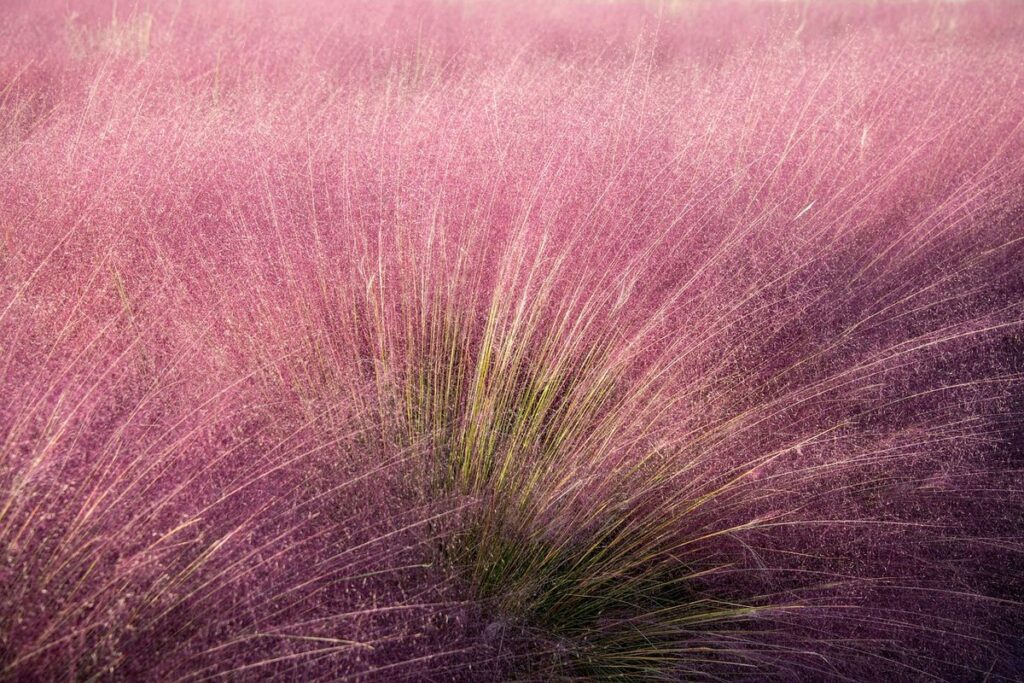
What is Muhly Grass
If you’re new to Muhly Grass, let’s start at the beginning and explore what makes this stunning ornamental grass so unique. You’ll discover its striking characteristics and how it earns its place in gardens everywhere.
Overview of Muhly Grass Species
Muhly grass is a diverse group of ornamental grasses native to North America, offering a range of options for gardeners and landscapers. With several species available, each with its unique characteristics, selecting the right type can be a bit overwhelming. One of the most popular species is Muhlenbergia capillaris, commonly known as Pink Muhly or Hair Grass. Native to the southeastern United States, this species boasts delicate pink plumes that turn a soft white in winter, making it an attractive addition to any landscape.
Other notable species include Muhlenbergia reverchonii and Muhlenbergia rigens. The former is known for its vibrant red foliage and yellow flowers, while the latter features feathery plumes that persist throughout the growing season. When choosing a muhly grass species, consider factors such as hardiness zone, sunlight requirements, and maintenance needs to ensure the best results. For example, Muhlenbergia capillaris prefers full sun to partial shade and can thrive in zones 6-9. By selecting the right type of muhly grass for your climate and conditions, you can enjoy its beauty and benefits all season long.
Types of Muhly Grass Plants
There are several types of muhly grass plants to choose from, each with its unique characteristics and benefits. One of the most popular species is Muhlenbergia reverchonii, also known as Little Bunny Tails Grass. This variety grows up to 3 feet tall and produces pinkish-purple flowers in late summer to early fall. Its foliage is a beautiful blue-green color, making it a stunning addition to any garden.
Another common species is Muhlenbergia capillaris, or Hairawn Muhly. This type of muhly grass grows taller than the Little Bunny Tails Grass, reaching heights of 4-6 feet. It produces a showy display of white flowers in late summer and early fall. The foliage is a light green color with a delicate texture.
When choosing a type of muhly grass for your garden, consider factors such as sunlight exposure, soil type, and desired level of maintenance. For example, if you have full sun and well-draining soil, the Little Bunny Tails Grass may be a good choice. However, if you prefer a taller variety with more dramatic foliage, the Hairawn Muhly may be the better option.
Some popular cultivars to consider include ‘Avalon’, ‘White Cloud’, and ‘Regal Mist’. These varieties offer unique characteristics such as compact growth habits, white or pinkish-purple flowers, and deep purple foliage. When selecting a type of muhly grass, make sure to choose one that fits your specific needs and environment.
Growing Conditions for Muhly Grass
Muhly grass is a versatile and low-maintenance option, but it does require some specific conditions to thrive. Learn how to create an ideal environment for your muhly grass to grow strong and healthy.
Climate and Soil Requirements
Muhly grass is incredibly adaptable to various climates, but it does have its preferences when it comes to soil and temperature conditions. To ensure your muhly grass thrives, you’ll want to provide it with well-draining soil that’s rich in organic matter.
In terms of climate, muhly grass can tolerate a wide range of temperatures, from USDA zones 5-9. It does best in full sun to partial shade, but be mindful of extreme heat or cold snaps. If your region experiences frequent droughts, make sure to provide supplemental watering to prevent stress on the plant.
Soil pH is another crucial factor for muhly grass growth. It prefers slightly acidic to neutral soil with a pH between 6.0 and 7.5. If your soil tends towards the alkaline side, consider adding sulfur or peat moss to adjust the pH levels. Muhly grass also requires good drainage, so avoid planting it in areas prone to waterlogging or where the soil is heavy clay.
To get a head start on creating the perfect growing conditions for your muhly grass, test your soil’s pH and take corrective action if necessary. Mulch around the base of the plant to retain moisture and suppress weeds, ensuring that your muhly grass stays healthy and resilient throughout the seasons.
Sunlight and Watering Needs
Muhly grass is a drought-tolerant grass that can thrive in a variety of lighting conditions. However, it does require adequate sunlight to maintain its vibrant color and vigor. Ideally, muhly grass should receive at least 6 hours of direct sunlight per day. If your lawn receives partial shade, don’t worry – the plants will still grow well, but they may not reach their full height.
When it comes to watering, consistency is key. Muhly grass needs about 1-2 inches of water per week, either from rain or irrigation. To avoid overwatering, which can lead to root rot and other issues, make sure the soil drains properly before watering again. During hot summer months, you may need to increase your watering schedule to ensure your plants receive enough moisture.
A good rule of thumb is to check the soil moisture by inserting your finger into the soil up to the knuckle. If the soil feels dry, it’s time to water. Avoid frequent shallow watering, which can lead to weak roots and increased susceptibility to disease. By striking a balance between sunlight and watering, you’ll be well on your way to growing healthy, vibrant muhly grass.
Benefits of Planting Muhly Grass
One of the most significant advantages of incorporating muhly grass into your landscape is its impressive list of benefits, starting with improved air quality. By planting this lovely ornamental, you can enjoy a healthier environment and more vibrant surroundings.
Ornamental Value and Landscape Design
Muhly grass is a versatile ornamental grass that can add texture, movement, and visual interest to gardens and landscapes. Its delicate plumes dance in the breeze, creating a mesmerizing display of movement and rhythm. This unique characteristic makes it an ideal choice for landscape designers looking to create dynamic and engaging spaces.
In terms of design, Muhly grass can be used as a focal point or incorporated into larger plantings to add depth and interest. Its soft pink to purple hues complement a wide range of colors, from vibrant flowers like sunflowers and dahlias to bold foliage plants like coleus and cannas. When paired with natural elements like stone, wood, and water features, Muhly grass creates a harmonious balance between hard and soft landscaping.
To incorporate Muhly grass into your landscape design, consider the following tips: plant it in groups or masses for maximum impact; combine it with low-maintenance groundcovers to reduce maintenance needs; and experiment with different colors by mixing it with other ornamental grasses. By incorporating Muhly grass into your garden or landscape, you can add a unique and dynamic element that will draw attention and delight visitors all season long.
Wildlife Attraction and Erosion Control
Muhly grass is not only a stunning addition to any landscape, but it also provides numerous benefits for wildlife and the environment. When it comes to attracting birds, butterflies, and pollinators, muhly grass is an excellent choice. Its feathery plumes and delicate flowers create a haven for these creatures, drawing them in with its abundant nectar and seeds.
But what’s truly remarkable about muhly grass is its ability to prevent soil erosion. With its extensive root system, it helps hold the soil in place, preventing landslides and soil loss due to heavy rainfall or wind. This makes it an ideal plant for sloping areas or banks that are prone to erosion. In fact, studies have shown that perennial grasses like muhly grass can reduce soil erosion by up to 75% compared to bare ground.
To make the most of muhly grass’s wildlife-friendly features and erosion control capabilities, simply plant it in a location where it will receive full sun and well-drained soil. Avoid compacting the soil when planting, as this can damage the delicate roots. With proper care, your muhly grass will thrive, providing a beautiful haven for local wildlife while also protecting your landscape from erosion.
Care and Maintenance Tips
To keep your muhly grass looking its best, it’s essential to follow some simple care and maintenance tips, which we’ll cover below. Regular upkeep will ensure a healthy and thriving plant all growing season long.
Pruning and Deadheading Muhly Grass
Pruning and deadheading are essential tasks to maintain the shape, promote healthy growth, and encourage blooming in muhly grass plants. As a carefree perennial, muhly grass is relatively low-maintenance, but regular pruning will help keep it looking its best.
When pruning, remove any dead or damaged foliage to prevent the spread of disease and encourage new growth. Use sharp, clean scissors or clippers to cut back any brown or yellow tips, making sure not to damage the surrounding healthy tissue. For more extensive pruning, cut back one-third to one-half of the plant in late winter or early spring before new growth begins.
To deadhead flowers, simply snip off spent blooms with a pair of scissors or pinch them off by hand. This will encourage the plant to focus its energy on producing new flowers and maintain a tidy appearance. Remove any seed heads after blooming has finished to prevent self-seeding and promote bushy growth. Regular pruning and deadheading will help your muhly grass thrive and provide beautiful foliage year-round.
Pest and Disease Management
As a muhly grass owner, it’s essential to be aware of the common pests and diseases that can affect this beautiful ornamental grass. Muhly grass is generally low-maintenance, but regular monitoring can help prevent infestations and infections.
Some common pests that target muhly grass include aphids, spider mites, and scale insects. Signs of infestation include curled or distorted leaves, white cottony patches on stems, or sticky honeydew droplets on plant surfaces. To control these pests, use neem oil or insecticidal soap to prevent re-infestation.
Diseases such as powdery mildew, rust, and leaf spot can also impact muhly grass. Look for yellowing leaves, black spots, or a white powdery coating on foliage. Fungal diseases often thrive in humid environments, so ensure good air circulation by pruning nearby plants or providing adequate space.
Prevention is key: maintain healthy soil with proper drainage, water carefully to avoid overhydration, and fertilize sparingly to promote robust plant growth. Regularly inspect your muhly grass for signs of infestation or infection, and take prompt action to prevent further damage.
Propagation Methods for Muhly Grass
When it comes to growing more muhly grass, you’ll want to know the best methods for propagation. We’ll walk through the most effective ways to spread this beautiful plant around your garden or yard.
Division and Transplanting
Dividing and transplanting established muhly grass plants is a fantastic way to share this stunning ornamental with friends and family, or expand your garden’s beauty. With its clump-forming habit and ability to naturalize over time, it’s no wonder many gardeners want to multiply their muhly grass stock.
To divide and transplant successfully, start by selecting a healthy, mature plant with visible rhizomes or underground stems. Water the plant thoroughly a day or two before division to make it easier to separate the sections. Use a sharp knife or spade to cut through the roots, aiming for a section with at least one “eye” (a small cluster of leaves and stems). This will increase your chances of producing new growth.
Gently remove any dead or damaged leaves and trim the new divisions to about 6-8 inches tall. Plant them in well-draining soil, and water thoroughly to settle the roots. To minimize stress during propagation, keep the soil consistently moist but not waterlogged, as this can lead to rot and other issues.
Seed Germination and Sowing
Starting new muhly grass plants from seed can be a rewarding experience, especially when done correctly. The optimal time to sow muhly grass seeds is during the fall season, about 8-10 weeks before the first frost. This allows the young seedlings to establish themselves before winter sets in.
To ensure successful germination and growth, choose a location with full sun and well-draining soil that is rich in organic matter. Sow the seeds about 1/4 inch deep and 6-8 inches apart, either directly into the ground or in a nursery bed. Water gently but thoroughly after sowing, and keep the soil consistently moist during the first few weeks.
Aftercare is crucial for successful seed germination and growth. Keep the area free from weeds by mulching around the seedlings, and avoid overwatering, which can lead to root rot and other problems. With proper care and attention, your new muhly grass plants should be thriving in no time, providing a lush and beautiful display of purple flowers come autumn.
Challenges and Troubleshooting
Don’t worry, we’ve all been there: your muhly grass looks beautiful one day, but then it starts to decline. Let’s troubleshoot some common issues you might encounter.
Common Issues with Muhly Grass
Muhly grass is a beautiful addition to any garden, but like all plants, it’s not immune to problems. As you enjoy the stunning purple flowers and delicate foliage of this ornamental grass, be aware of potential issues that may arise.
Fungal diseases are common pests for muhly grass, particularly in warm and humid climates. Recognize powdery mildew by its white, dusty coating on leaves, or rust’s orange spores on stems. To prevent fungal infections, ensure good air circulation around your plants, water judiciously, and remove any dead foliage.
Pests like aphids, spider mites, and caterpillars can also harm muhly grass. Inspect your plants regularly for these unwanted visitors, and use neem oil or insecticidal soap to control infestations. Regular pruning and division of the plant can help promote healthy growth and prevent pests from taking hold.
Inadequate care is often the root cause of problems with muhly grass. Be sure to provide it with well-draining soil and full sun, as it prefers these conditions. Avoid overwatering, which can lead to root rot and other issues. By being mindful of potential problems and taking prompt action when needed, you can enjoy the beauty and benefits of your muhly grass for years to come.
Problem-Solving Strategies for Muhly Grass Growers
Growing muhly grass can be a rewarding experience, but it’s not without its challenges. To help you overcome common issues and achieve healthy, vibrant plants, we’ll dive into problem-solving strategies tailored to the needs of muhly grass growers.
When it comes to basic plant care, one of the most critical factors is watering. Overwatering is a common mistake that can lead to root rot and kill your plants. To avoid this, ensure you’re not providing too much moisture, especially during the dormant season. Aim for about 1 inch of water per week, either through rainfall or irrigation.
Another issue many growers face is pest and disease management. Regular inspections will help you catch problems early on. Inspect your plants for signs of aphids, whiteflies, and spider mites, as well as fungal diseases like powdery mildew. Use integrated pest management techniques, such as introducing beneficial insects or practicing good sanitation, to minimize chemical use.
In extreme weather conditions, muhly grass may struggle to thrive. If you’re dealing with intense heat, provide shade for your plants during the hottest part of the day. In areas prone to frost, protect your plants by applying a layer of mulch or covering them with a frost blanket.
Frequently Asked Questions
How Do I Choose the Right Type of Muhly Grass for My Garden?
Muhly grass is a diverse group, with several species to choose from. Consider your garden’s climate, soil type, and level of sunlight when selecting a type. For example, Pink Muhly (Muhlenbergia capillaris) thrives in the southeastern United States’ warm weather and well-drained soils.
Can I Grow Muhly Grass In Containers?
Yes, you can grow muhly grass in containers. Make sure to choose a large enough pot with good drainage and use a well-draining potting mix. Keep in mind that container-grown plants may require more frequent watering than those planted directly in the ground.
How Do I Control Erosion with Muhly Grass?
Muhly grass is an excellent choice for erosion control due to its deep roots, which help hold soil in place. To maximize its effectiveness, plant it on slopes or areas prone to erosion and maintain a healthy watering schedule to encourage root growth.
Can I Divide and Transplant Established Muhly Grass Plants?
Yes, you can divide and transplant established muhly grass plants. The best time for division is during the dormant season (winter or early spring), when the plant’s energy reserves are low. Use a sharp, sterile tool to separate rhizomes, and replant in well-draining soil with adequate moisture.
How Do I Protect Muhly Grass from Pests and Diseases?
Regular maintenance, such as removing dead foliage and debris, can help prevent pest and disease issues. For specific problems, consider using organic or integrated pest management methods, like introducing beneficial insects or applying targeted fungicides. Monitor your plants regularly to catch potential issues early on.