
Are you looking to add some beauty and vibrancy to your garden or yard? Look no further than flowering trees! These stunning plants bring not only visual appeal but also numerous benefits, from providing shade and improving air quality to attracting pollinators and adding value to your property. With so many types of flowering trees to choose from, it can be overwhelming to decide which one is right for you. In this article, we’ll delve into the world of flowering trees, covering their various types, benefits, and care requirements. We’ll also provide expert tips on pruning, training, and troubleshooting common issues, ensuring your tree thrives and blooms beautifully year after year. Whether you’re a seasoned gardener or just starting out, this guide will help you make the most of these lovely plants.
Types of Flowering Trees
From majestic cherry blossoms to vibrant orange blooms, there are countless types of flowering trees that bring beauty and life to our surroundings. Let’s take a closer look at some of the most stunning varieties.
Deciduous vs. Evergreen: Understanding the Difference
When it comes to flowering trees, one of the most noticeable differences is between deciduous and evergreen varieties. These two categories may seem similar at first glance, but they have distinct characteristics that set them apart.
Deciduous flowering trees are those that shed their leaves seasonally, typically in autumn or winter. This allows them to conserve water and energy during periods of dormancy. Examples include the beautiful cherry blossom tree (Prunus serrulata) and the vibrant dogwood (Cornus florida). These trees often produce show-stopping flowers in spring, making them a popular choice for landscaping.
Evergreen flowering trees, on the other hand, retain their leaves year-round. They tend to grow more slowly than deciduous varieties but offer consistent foliage and often more frequent blooming periods. The camellia (Camellia japonica) and the magnolia (Magnolia × soulangeana) are excellent examples of evergreen flowering trees.
When choosing between these types, consider your climate, available space, and desired aesthetic. Deciduous trees may be a better fit for areas with cold winters, while evergreens thrive in warmer regions or provide consistent color in cooler climates. By understanding the unique characteristics of each type, you can select the perfect flowering tree to enhance your garden’s beauty and significance.
Popular Flowering Tree Species
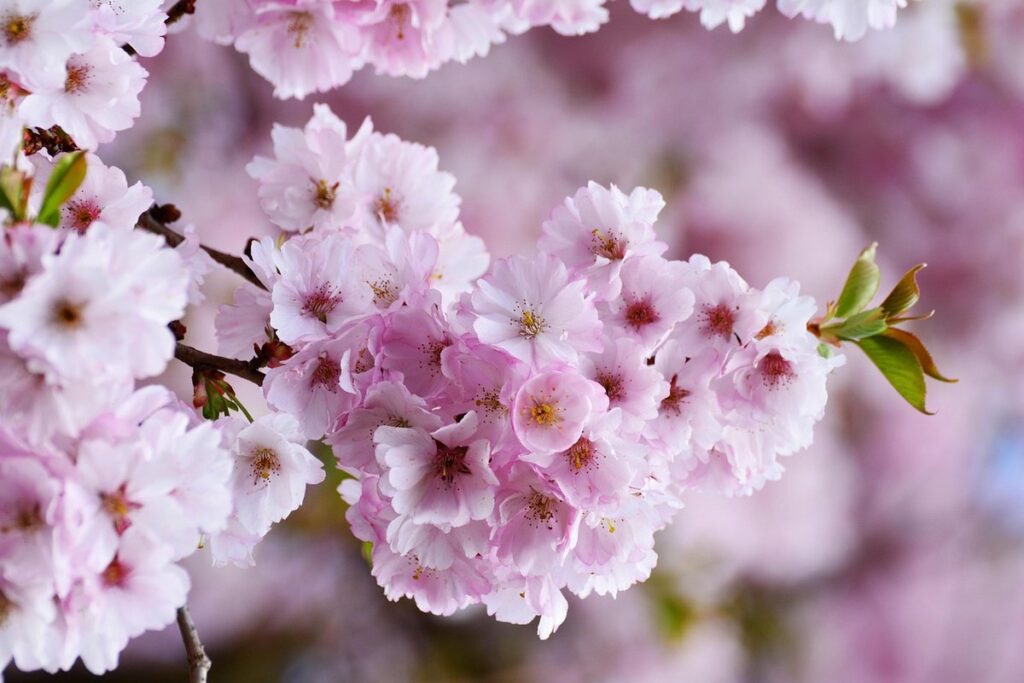
When it comes to flowering trees, some species have become synonymous with beauty and wonder. Among these is the cherry blossom tree (Prunus serrulata), a Japanese native that has captured the hearts of many with its stunning pink blooms. These delicate flowers bloom for just two weeks in spring but create an unforgettable spectacle. Dogwood trees (Cornus florida) are another popular choice, admired for their white or pink bracts that surround small yellow flowers.
Crabapple trees (Malus spp.) also join this exclusive club, known for their vibrant colors and compact growth habit. These hardy trees thrive in USDA zones 3-8 and produce show-stopping blossoms in shades of pink, red, and white. Their ability to adapt to various climates has made them a favorite among gardeners worldwide. For those interested in cultivating these trees, consider planting multiple species for a prolonged blooming period or choosing disease-resistant varieties to minimize maintenance.
The key to enjoying the full beauty of these flowering trees lies in selecting a suitable location with sufficient sunlight and well-draining soil. Regular pruning can also help promote healthy growth and maintain desired shapes.
Choosing the Right Flowering Tree for Your Garden
When selecting a flowering tree for your garden, there are many factors to consider beyond just its beauty, such as space and climate. This is where knowing what type of tree will thrive in your yard comes into play.
Factors to Consider When Selecting a Flowering Tree
When selecting a flowering tree for your garden, there are several key factors to consider. First and foremost, you’ll want to think about your local climate. Different trees thrive in different conditions, so make sure to choose one that’s well-suited to the temperatures and weather patterns in your area.
Next, consider the type of soil in your yard. Some flowering trees prefer acidic soils, while others can tolerate a range of pH levels. Take note of the soil composition and adjust your tree choice accordingly.
Sunlight requirements are also essential to consider. Some trees love full sun, while others do best in partial shade. Be sure to choose a tree that will receive the right amount of sunlight for optimal blooming.
Finally, think about maintenance needs. Some flowering trees require regular pruning or fertilization, which can be time-consuming and costly. Choose a low-maintenance option if you don’t want to devote a lot of time to caring for your tree.
By considering these factors, you’ll be able to find the perfect flowering tree for your garden. This will ensure that it thrives and brings beauty and significance to your outdoor space for years to come.
Tips for Planting and Caring for Flowering Trees
When planting and caring for flowering trees, it’s essential to get the basics right. Start by choosing a location with full sun to partial shade, depending on the tree species’ requirements. Dig a hole twice as wide and just as deep as the root ball, mixing in compost or well-rotted manure to improve soil fertility. Water thoroughly after planting and maintain consistent moisture levels throughout the growing season.
Pruning is crucial for maintaining shape, promoting healthy growth, and encouraging blooming. Prune flowering trees immediately after their main bloom period, removing any dead, diseased, or damaged branches. Remove no more than 25% of the tree’s foliage at one time to prevent shock. For species like cherry blossoms and crabapples, prune in late winter or early spring before new growth begins.
Watering schedules vary depending on climate and soil type, but as a general rule, water flowering trees regularly during their first year after planting. Once established, most flowering trees require less frequent watering. Fertilize annually with a balanced, slow-release fertilizer to promote healthy growth and blooming. Avoid over-fertilizing, which can lead to weak growth and fewer flowers.
Benefits of Planting Flowering Trees
Planting flowering trees can bring a multitude of benefits to your property, from attracting pollinators to boosting curb appeal and even increasing property value. Let’s dive into some of these advantages!
Environmental Benefits of Flowering Trees
Planting flowering trees is not only aesthetically pleasing but also provides numerous environmental benefits. One of the most significant advantages is the improvement of air quality. Flowering trees absorb pollutants and produce oxygen through photosynthesis, which can help reduce particulate matter and nitrogen dioxide levels in urban areas. For instance, a study by the US Environmental Protection Agency found that planting trees in cities can decrease air pollution by up to 25%.
Flowering trees also play a crucial role in soil conservation. Their deep roots hold soil in place, preventing erosion and landslides. This is particularly important in areas prone to heavy rainfall or floods. In addition, the leaves and branches of flowering trees provide shade, reducing soil temperature and preventing water evaporation.
Moreover, flowering trees serve as a vital source of food and shelter for wildlife, creating habitats that support local biodiversity. By planting native species, you can attract birds, bees, and other pollinators to your area. This not only enhances the beauty of your surroundings but also supports the local ecosystem.
Aesthetic Appeal and Property Value
Flowering trees are not only breathtakingly beautiful, but they also have the power to transform the aesthetic appeal of your garden or property. When carefully selected and planted, these trees can become a stunning focal point that adds visual interest and personality to your outdoor space.
Not only do flowering trees enhance the beauty of your property, but they also have a profound impact on its value. According to a study by the National Association of Landscape Professionals, landscaping with flowering plants, including trees, can increase a home’s sale price by up to 28%. Additionally, a survey by the American Society of Landscape Architects found that more than 75% of homeowners believe that well-designed landscaping is essential for making a good first impression.
To maximize the aesthetic appeal and property value-enhancing potential of your flowering tree, choose varieties that are suitable for your climate and soil type. Consider factors such as bloom time, color palette, and mature size to ensure a harmonious and visually appealing display.
Maintenance and Troubleshooting for Flowering Trees
To keep your flowering trees healthy and thriving, it’s essential to understand the regular maintenance and troubleshooting tasks that will ensure they continue to flourish. Regular care can make all the difference in their beauty and longevity.
Common Pests and Diseases That Affect Flowering Trees
Flowering trees are a delight to behold, but they’re not immune to pests and diseases that can damage their beauty and impact their health. One of the most common pests that affect flowering trees is the bagworm, a caterpillar that feeds on the leaves and stems of the tree, causing significant damage. To prevent infestations, regular monitoring is essential – inspect your tree’s foliage regularly for signs of bagworms, such as torn leaves or web-like structures.
Other common pests include aphids, which can weaken the tree by sucking sap from its leaves and stems. These tiny insects are often found in clusters on new growth, so keep an eye out for them during the spring growing season. Fungal infections like powdery mildew, root rot, and leaf spot can also wreak havoc on flowering trees. To prevent these issues, ensure good air circulation around your tree, water it properly, and avoid over-fertilizing.
Keep in mind that early detection is key to preventing pest and disease damage. Regular pruning, proper watering habits, and a balanced fertilizer regimen can go a long way in keeping your flowering tree healthy and thriving.
Tips for Pruning and Training Flowering Trees
When it comes to maintaining flowering trees, pruning and training are essential techniques that promote healthy growth, maximize blooming potential, and maintain a desired shape or size. Pruning involves cutting branches to remove dead, diseased, or damaged wood, while training helps guide the tree’s natural shape and structure.
To prune flowering trees, identify the main branches and remove any crossing or rubbing limbs. Cut just above a bud or lateral branch, making clean cuts at a 45-degree angle to prevent water from collecting. Remove any weak growth, as this will direct energy towards more vigorous shoots. Don’t over-prune, as this can reduce blooming potential.
Training flowering trees involves guiding the main branches upwards and outwards, promoting an open shape that allows sunlight to reach inner leaves. Use stakes or trellises to support young trees or those with a strong growth habit. For more compact varieties, prune regularly to maintain size while encouraging blooms. By pruning and training your flowering tree, you’ll ensure a thriving plant that showcases its beauty for years to come.
Cultural and Historical Significance of Flowering Trees
Flowering trees have been a vital part of human culture and history, often symbolizing love, hope, and renewal in various traditions around the world. Let’s explore their fascinating stories and meanings.
Symbolism and Cultural Associations with Flowering Trees
Flowering trees have long been imbued with symbolic meaning and cultural significance across various cultures. In Japan, cherry blossoms (sakura) are a profound symbol of the fleeting nature of life, representing the ephemeral beauty that is savored before it’s gone. The blooming of these delicate flowers marks the arrival of spring and is often celebrated with festivals and picnics under their branches.
In Europe, apple blossoms hold a special place in the hearts of locals, representing love, fertility, and abundance. In some cultures, apple blossoms are even associated with the arrival of summer. The vibrant colors and intoxicating scents of these flowers have captivated artists, poets, and romantics for centuries.
When interpreting the symbolism behind flowering trees, consider your own cultural context and personal associations. For example, if you’re planning a wedding, choosing a tree with romantic connotations like cherry blossoms or apple blossoms can add an extra layer of meaning to your celebration. By acknowledging and respecting the symbolic significance of these trees, we can deepen our appreciation for their beauty and the connections they inspire in us.
Historical Use of Flowering Trees in Landscaping and Gardening
Flowering trees have been an integral part of landscaping and gardening for centuries. In traditional garden design, they were often used to add a touch of elegance and beauty to gardens, parks, and estates. Historical examples include the use of flowering trees like cherry blossoms in Japanese gardens and crape myrtles in Southern-style gardens.
In terms of architectural styles, flowering trees have been incorporated into various designs throughout history. For instance, the French Renaissance style often featured flowering trees like magnolias and azaleas in grand estates’ gardens. Similarly, English country gardens frequently used flowering trees like apple blossoms and lilacs to create a romantic atmosphere.
When selecting flowering trees for your garden or landscape design, consider the architectural style you’re aiming for. Choose trees with flowers that complement the existing colors and textures of your surroundings. For example, pair a bold-colored tree like a crabapple with neutral-toned hardscapes and foliage. This approach will create a harmonious and visually appealing space that reflects your personal taste and garden style.
Frequently Asked Questions
What are the best conditions for flowering trees to thrive?
Flowering trees prefer well-draining soil and full sun to partial shade, depending on their specific needs. Make sure to research your tree’s requirements and plant it in a location that provides optimal growing conditions. Regular watering, fertilization, and pruning will also help ensure its health and blooming success.
How often should I prune my flowering tree?
The frequency of pruning depends on the type of tree and its growth habits. Generally, flowering trees require regular maintenance to promote healthy growth, encourage blooming, and remove dead or diseased branches. Prune your tree at least once a year, but ideally twice during the growing season for optimal results.
Can I plant multiple types of flowering trees together?
Yes! Planting multiple species can create a beautiful and diverse landscape. Consider the mature size, growth habits, and bloom times of each tree to ensure they complement each other rather than competing for resources. Some popular combinations include pairing early-blooming trees with late-bloomers or mixing deciduous and evergreen varieties.
What are some common pests or diseases that affect flowering trees?
Flowering trees can be susceptible to various pests, such as aphids, spider mites, and scale insects. Fungal diseases like powdery mildew and leaf spot may also occur due to overwatering or poor air circulation. Regularly inspect your tree for signs of infestation or infection and take prompt action with integrated pest management techniques.
How long does it typically take for a flowering tree to mature?
The maturation time varies depending on the species, climate, and growing conditions. Some flowering trees can bloom within 2-5 years after planting, while others may take 10-20 years or more to reach their full potential. Be patient and provide proper care, as these beautiful plants will reward you with stunning blooms over time.