
Aronia berries have been gaining popularity in recent years due to their incredible nutritional value and potential health benefits. These tiny, dark purple berries are packed with antioxidants, vitamins, and minerals that can boost your immune system, improve heart health, and even support weight management. But what’s truly exciting about aronia berries is the versatility of using them – from adding them to smoothies and baked goods to making jams and preserves. If you’re looking for a natural way to supercharge your diet or want to try growing your own bushes, this article will guide you through everything you need to know about aronia berries. We’ll explore their nutritional profile, share delicious recipe ideas, and provide expert tips on how to cultivate them at home.
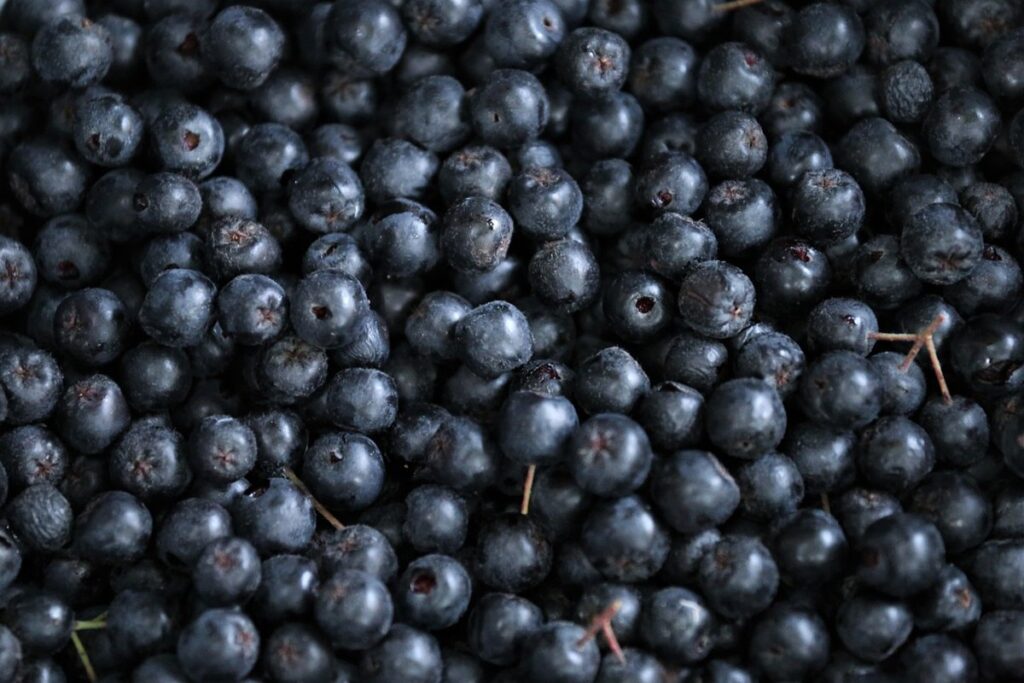
What are Aronia Berries?
Let’s dive into what these tiny, yet mighty berries are all about. Aronia berries are a type of superfood that’s rich in nutrients and antioxidants.
Introduction to Aronia Fruit
Aronia berries have been growing for centuries, but their popularity has only recently gained momentum. Native to Eastern Europe and Asia, these small, dark purple fruits are part of the rose family (Rosaceae), which also includes apples, pears, and plums. In fact, aronia berries share many similarities with blueberries – both are rich in antioxidants, have a similar size and texture, and are packed with nutrients.
But what sets aronia berries apart is their unique genetic makeup. They contain an impressive array of anthocyanins, powerful pigments responsible for the berry’s deep purple color. These compounds are renowned for their health benefits, which include reducing inflammation and protecting against chronic diseases like heart disease, diabetes, and certain types of cancer.
Aronia berries have been used in traditional medicine for generations, with many cultures valuing them for their medicinal properties. Today, they’re increasingly being incorporated into modern recipes and supplements due to their incredible nutritional profile and versatility. Whether you choose to eat aronia berries fresh or use them as a powder, they can add an impressive boost of antioxidants to your diet.
Aronia Berry Nutrition Facts
Aronia berries are packed with an impressive array of vitamins, minerals, antioxidants, and fiber that make them a nutritional powerhouse. One cup of aronia berries provides a whopping 157% of the daily recommended intake of vitamin C, making them one of the richest sources of this essential nutrient. They are also an excellent source of dietary fiber, containing both soluble and insoluble fiber that can help regulate digestion and promote satiety.
In terms of antioxidants, aronia berries contain anthocyanins and other polyphenols that have been shown to have anti-inflammatory properties and protect against cell damage. In fact, a single serving of aronia berries contains more than 10 times the amount of antioxidants found in blueberries! This is likely due to their high content of ellagic acid, an antioxidant that has been shown to inhibit cancer cell growth.
To incorporate aronia berries into your diet, try adding them to oatmeal or yogurt for a boost of fiber and antioxidants. You can also use them as a topping for salads or blend them into smoothies for a quick and easy way to reap their nutritional benefits.
Health Benefits of Eating Aronia Berries
Aronia berries have been shown to offer numerous health benefits, including reducing inflammation and improving cardiovascular health, making them a nutritious addition to your diet.
Antioxidant Properties and Anti-Inflammatory Effects
Aronia berries are packed with antioxidants that play a crucial role in reducing inflammation within the body. Research has shown that consuming aronia berries can lead to significant reductions in inflammatory markers, such as C-reactive protein (CRP) and interleukin-6 (IL-6). This is because the high levels of anthocyanins and other polyphenols present in these berries have potent anti-inflammatory properties.
One study published in the Journal of Agricultural and Food Chemistry found that aronia berry extract significantly reduced inflammation in mice with induced arthritis. The researchers noted a substantial decrease in inflammatory markers, as well as improvements in joint health.
Consuming aronia berries can help mitigate chronic inflammation by:
• Reducing oxidative stress: Antioxidants in aronia berries neutralize free radicals, which contribute to inflammation.
• Inhibiting pro-inflammatory enzymes: Anthocyanins and other polyphenols in aronia berries block the activity of enzymes that promote inflammation.
• Activating anti-inflammatory pathways: The unique combination of antioxidants and polyphenols in aronia berries triggers protective mechanisms within the body.
To harness the anti-inflammatory effects of aronia berries, consider incorporating them into your diet as a supplement or adding fresh or frozen berries to smoothies and salads.
Cardiovascular Health and Blood Pressure Management
Aronia berries have been found to have a significant impact on cardiovascular health, making them an excellent addition to a heart-healthy diet. Rich in antioxidants and polyphenols, these tiny fruits have been shown to improve blood lipid profiles, reducing the risk of heart disease. Studies have demonstrated that aronia berry consumption can lower systolic blood pressure by up to 8% within just six weeks.
This is largely due to the berries’ high content of anthocyanins and cyanidin-3-glucoside, powerful compounds that work together to prevent the formation of plaque in arteries. This process, known as atherosclerosis, can lead to cardiovascular disease if left unchecked. By incorporating aronia berries into your diet, you can help mitigate this risk.
To reap these benefits, try adding fresh or frozen aronia berries to your oatmeal or yogurt in the morning, or blending them into a smoothie for a refreshing pick-me-up. With their sweet-tart flavor and versatility, there’s no excuse not to give these tiny superfruits a try!
Culinary Uses and Recipes Featuring Aronia Berries
Now that you know the amazing health benefits of aronia berries, let’s get creative in the kitchen! Here are some delicious and innovative recipes to feature these superberries as a main ingredient.
Incorporating Aronia into Baked Goods and Desserts
Aronia berries are an incredibly versatile ingredient that can add natural sweetness, depth of flavor, and a burst of antioxidants to your baked goods. When it comes to incorporating aronia into your desserts, the possibilities are endless. Start by substituting some of the sugar called for in your favorite recipes with aronia puree or jam – this will not only reduce the overall sugar content but also intensify the berry flavor.
When using fresh aronia berries in baked goods, be sure to add them towards the end of mixing, as their delicate skin can break down and release their juices too quickly. A simple muffin recipe can become a masterpiece with the addition of aronia – try adding a handful of frozen or fresh berries to your favorite blueberry muffin mix.
For more complex desserts like tarts and pies, use a combination of aronia puree and sugar to create a rich filling that’s both sweet and tangy. Aronia berries pair particularly well with citrus flavors, so don’t be afraid to get creative and combine them with lemon or orange zest for added depth. With these tips, you’ll be baking your way to better health in no time – so go ahead, give aronia a try!
Savory Dishes and Juicing with Aronia Berries
Aronia berries are an incredibly versatile ingredient that can elevate a variety of savory dishes beyond sweet recipes. One of the simplest ways to incorporate aronia into your meals is by adding it to salads. The tart flavor and deep purple color make them a natural pairing with leafy greens, citrus, and nuts.
When using aronia in savory dishes, consider blending it into marinades or sauces for grilled meats, fish, or vegetables. This not only adds a burst of flavor but also provides the health benefits associated with aronia berries. For instance, you can make an Aronia berry BBQ sauce by pureeing frozen aronia berries with apple cider vinegar, olive oil, and spices.
Aronia berries can also be used to create unique wine recipes. You can infuse homemade wine or even store-bought wine with aronia juice for a fruity twist on traditional wine flavors. When experimenting with new recipes, remember that aronia’s strong flavor should be balanced with other ingredients, so don’t be afraid to experiment and adjust seasoning accordingly.
In smoothies, use 1-2 tablespoons of frozen aronia berries along with your favorite fruits, yogurt, or milk for a nutrient-packed beverage.
How to Grow Your Own Aronia Berry Bushes
If you’re eager to harness the incredible nutritional benefits of aronia berries, growing your own bushes is a wonderful way to have a constant supply. In this section, we’ll walk you through the process step by step.
Choosing the Right Variety and Climate
When it comes to growing your own Aronia berry bushes, choosing the right variety and climate is crucial for success. With over 10 species of Aronia to choose from, selecting the best one for your region can be overwhelming. Here are some tips to help you narrow down the options.
First, consider the climate in your area. Aronia berries thrive in temperate climates with cold winters and warm summers. They are hardy in USDA zones 3-8, so if you live in a warmer or cooler region, you may need to choose a different variety. For example, ‘Mitten’ is a popular variety that is more heat-tolerant and can thrive in warmer climates.
Next, think about the mature size of the bush. Some varieties can grow quite large, while others remain compact. If you have limited space, consider choosing a dwarf or semi-dwarf variety like ‘Iowa Purple’. These bushes produce smaller berries but are easier to manage in small spaces.
Ultimately, choose a variety that fits your climate and growing conditions. With proper care, an Aronia berry bush can provide you with a bounty of nutritious fruit for years to come.
Planting and Caring for Aronia Berry Bushes
When planting aronia berry bushes, it’s essential to choose a location with full sun and well-drained soil. Aronia berries prefer slightly acidic to neutral soil pH between 6.0 and 7.0. Dig a hole that is twice as wide and just as deep as the root ball of your bush. Gently remove the plant from its container and place it in the hole, making sure the crown (where the roots meet the stem) is at soil level.
After planting, water thoroughly to settle the soil around the roots. During the first growing season, water regularly, but avoid overwatering which can lead to disease. Prune your aronia berry bush annually to promote healthy growth and maximize fruit production. Remove any dead or damaged branches in late winter or early spring, making clean cuts just above a bud.
Fertilize your aronia berry bushes lightly in the early growing season with a balanced fertilizer. Mulch around the base of the plant to retain moisture and suppress weeds. By following these simple steps, you’ll be well on your way to growing healthy and productive aronia berry bushes that will provide you with an abundance of nutritious berries for years to come.
It’s also crucial to control pests and diseases as they can have a significant impact on the health and yield of your aronia berry bush. Regularly inspect your plant for signs of trouble, such as aphids or powdery mildew, and take action promptly if you notice any issues.
Side Effects and Precautions When Consuming Aronia Berries
While aronia berries are considered generally safe, it’s essential to be aware of some potential side effects and precautions when incorporating them into your diet. Some individuals may experience mild reactions or interactions with medications.
Potential Interactions with Medications
When consuming aronia berries, it’s essential to be aware of potential interactions with certain medications. Aronia berries are known to have blood-thinning properties due to their high content of anthocyanins and other polyphenols. If you’re taking blood thinners such as warfarin or aspirin, eating large amounts of aronia berries may increase the risk of bleeding complications.
Similarly, if you’re managing diabetes with medications like metformin or insulin, aronia berries may lower your blood sugar levels even further, potentially leading to hypoglycemia. However, it’s worth noting that moderate consumption of aronia berries (about 1-2 cups per day) is unlikely to cause significant interactions.
To minimize potential risks, consult with your healthcare provider before making aronia berries a regular part of your diet, especially if you’re taking any medications. They can help you determine a safe dosage and monitor your body’s response. By being mindful of these interactions, you can safely enjoy the numerous health benefits that aronia berries have to offer.
Allergies and Sensitivities to Aronia Berries
While aronia berries are rich in nutrients and offer numerous health benefits, some individuals may experience allergies or sensitivities to them. If you’re new to consuming aronia berries, it’s essential to be aware of the potential risks.
Symptoms of an allergy or sensitivity can range from mild discomfort to severe reactions. Common signs include hives, itching, swelling, stomach cramps, diarrhea, and nausea. In rare cases, anaphylaxis can occur, requiring immediate medical attention.
To identify a potential allergy or sensitivity, pay attention to how your body reacts after consuming aronia berries. If you experience any of the mentioned symptoms, discontinue consumption immediately. Consult with a healthcare professional for guidance on next steps.
If you’re unsure whether you have an allergy or sensitivity, consider starting with small amounts and monitor your body’s response. You can also try alternative ways to incorporate aronia berries into your diet, such as taking supplements or using them in skincare products.
The Future of Aronia Berry Research and Development
As we continue to explore the incredible health benefits of aronia berries, let’s take a closer look at what the future holds for these nutrient-packed superfruits in terms of research and development. Exciting advancements are on the horizon!
Emerging Trends in Aronia Berry Product Development
As interest in aronia berry’s health benefits continues to grow, product developers are increasingly incorporating its extracts into innovative products. From supplements to cosmetics, the versatility of aronia berry is being leveraged across various industries.
One notable trend is the emergence of functional beverages, such as juices and smoothies, enriched with aronia berry extract. These products tap into consumers’ desire for healthy drinks that not only taste great but also offer a boost of antioxidants and other beneficial compounds.
Another area seeing significant growth is in the development of skincare products containing aronia berry extracts. Its high levels of anthocyanins are believed to have anti-inflammatory properties, which can help reduce the appearance of fine lines and wrinkles. Many manufacturers are now incorporating aronia berry into their moisturizers and serums, capitalizing on its potential to combat skin aging.
In addition, the supplement industry is also recognizing the value of aronia berry extracts. They are being added to various products, including capsules, tablets, and powders, often in combination with other ingredients for enhanced health benefits. As consumers become more aware of the importance of antioxidants and other phytonutrients, the demand for aronia berry-based supplements will likely continue to rise.
To tap into this growing interest, manufacturers should consider using high-quality aronia berry extracts that have been carefully processed to preserve their nutritional content. They should also be prepared to communicate the unique benefits and advantages of incorporating aronia berry into their products.
Collaborations between Industry and Academia
As we continue to explore the vast potential of aronia berries, it’s essential to acknowledge the pivotal role collaborations between industry and academia play in advancing our understanding of these incredible fruits. These partnerships not only accelerate research but also pave the way for innovative applications that benefit both industries.
Take, for instance, the joint effort between a leading food technology company and a university’s nutrition department. Together, they developed an aronia berry-based supplement that not only showcased impressive antioxidant properties but also met the highest standards of quality and safety. This collaboration not only resulted in a commercially viable product but also contributed significantly to the body of knowledge on aronia berries.
Such partnerships can be fostered through open communication, mutual respect for each other’s expertise, and a shared vision for creating impactful outcomes. For those looking to initiate similar collaborations, consider joining industry-specific conferences or networking events where you can connect with potential partners. By embracing this spirit of cooperation, we can unlock even more of the aronia berry’s secrets and reap its full benefits for human health.
Frequently Asked Questions
Can I grow aronia berries indoors, or do they require a specific climate?
Yes, you can grow aronia berry bushes indoors, but they still need proper lighting and temperature conditions to thrive. They prefer full sun to partial shade and well-drained soil with a pH between 6.0 and 7.0. If you live in an area with harsh winters, consider growing them in containers that can be moved indoors during the cold season.
How do I incorporate aronia berries into my daily diet if I’m not fond of their strong flavor?
Aronia berries have a distinct taste, but you can balance it out by combining them with sweeter ingredients. Try adding them to smoothies or yogurt parfaits, or use them as a topping for oatmeal or salads. You can also blend them into homemade jams and preserves to mask the flavor.
Can I eat aronia berries raw, or do they need to be cooked or processed?
Aronia berries are safe to eat raw, but their seeds contain small amounts of amygdalin, a compound that releases cyanide when ingested in large quantities. However, the amount of cyanide is negligible, and eating a handful of raw aronia berries is unlikely to cause harm.
How long do aronia berry bushes take to mature, and what kind of maintenance do they require?
Aronia berry bushes typically take 2-3 years to mature after planting, but some varieties can produce fruit in as little as 1 year. They require regular watering, fertilization, and pruning to promote healthy growth and maximize yields.
Can I use aronia berries for skin care or beauty treatments, in addition to consuming them?
Yes, aronia berries are rich in antioxidants that can help protect the skin from damage caused by free radicals. You can use them as a face mask or add them to homemade skincare products to reap their benefits. However, be sure to do a patch test before applying any new skincare treatment to ensure you don’t have any sensitivities.