
When you’re working hard to cultivate a lush and thriving pumpkin patch, one bad seed can seem like a major setback. But here’s the good news: having just one rotten apple in the bunch won’t necessarily ruin the entire harvest. In fact, crop diversity is key to ensuring that your garden or farm remains robust and resilient in the face of pests and diseases.
By planting multiple varieties of pumpkins, you can create a more balanced ecosystem that’s less susceptible to damage from any single bad seed. This simple yet effective strategy can help you avoid losing an entire crop due to one problematic plant. In this article, we’ll explore practical strategies for maintaining diversity in your garden or farm and discover the benefits of cultivating multiple varieties of crops.
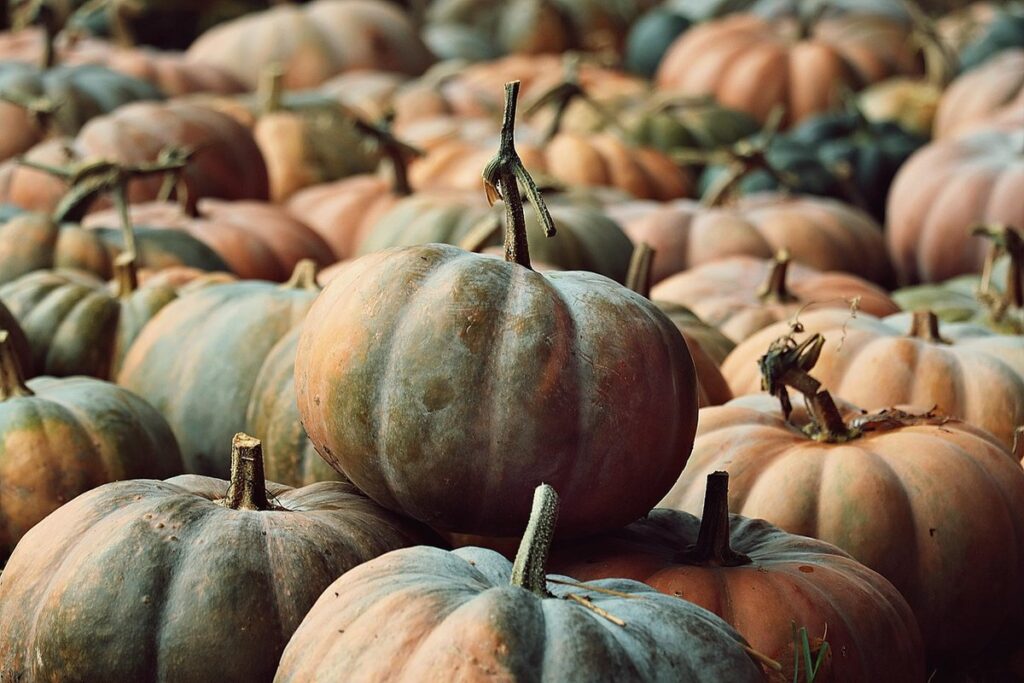
The Importance of Diversity in Planting
Planting a diverse range of seeds ensures that even if one doesn’t thrive, others will still produce a bountiful harvest for you to enjoy. This section highlights why this approach is crucial in gardening success.
Understanding Crop Variation
When you plant multiple seeds of the same crop, it’s natural to wonder if one bad seed can bring down the entire harvest. But the truth is, having diverse varieties within a single crop can actually make it more resilient and robust. This concept is known as “within-crop diversity.” By growing different types of pumpkins or other crops alongside each other, you’re creating a safety net that protects your yield from potential losses.
Think of it like this: if one seed germinates slowly or has some sort of defect, the surrounding varieties will still thrive. This diversity within a crop also allows for better adaptation to environmental factors such as temperature fluctuations and pests. For example, some pumpkin varieties are more resistant to powdery mildew, while others are better suited to cooler temperatures. By growing multiple types together, you’re leveraging these natural differences to create a stronger, healthier harvest overall.
By incorporating within-crop diversity into your planting strategy, you’ll be building a more resilient and adaptable crop that can withstand the challenges of nature.
How Crop Rotation Impacts Variety
Crop rotation is a simple yet powerful tool for introducing new seeds to your garden and reducing genetic uniformity. By changing what you grow each season, you create opportunities for beneficial plant varieties to emerge, even if not all of them are from the initial seed stock.
When you grow the same crop in the same spot year after year, it can lead to soil depletion and a buildup of pests and diseases specific to that crop. Crop rotation helps mitigate these issues by breaking up disease cycles and replenishing nutrients in the soil. But it also serves another purpose: it introduces new genetic material into your garden.
As seeds adapt to their environment through natural selection, they may become more susceptible to pests or less resilient to environmental stresses. By introducing new varieties through crop rotation, you ensure that your plants continue to evolve and improve over time. This is why it’s essential to rotate your crops regularly, aiming for at least 3-4 different types of crops in a given growing season.
Understanding the Risks of Monoculture Farming
Monoculture farming can have devastating consequences, including reduced biodiversity and increased reliance on chemical pesticides. We’ll explore these risks in more detail below.
The Dangers of Total Genetic Homogeneity
When you plant an entire patch of identical crops, it’s like setting up a massive buffet for pests and diseases. With every single plant being genetically the same, it’s only a matter of time before one becomes infected with a pathogen or gets munched on by a hungry insect.
This is known as total genetic homogeneity, and it poses a significant risk to your entire crop. When all plants are identical, they share the same vulnerabilities. If one plant contracts a disease, the likelihood of others getting infected increases exponentially because their genetics make them equally susceptible.
For instance, if you grow a monoculture of corn with a specific gene that makes it more resistant to certain pests, but not more resistant to other types of diseases, your entire patch is still at risk. The moment one plant falls ill, the disease can easily spread from plant to plant through fungal spores or insect vectors.
To avoid this problem, consider incorporating genetically diverse crops into your patch. This could be as simple as planting a few rows of heirloom varieties alongside your standard crop. Not only will this create a more resilient ecosystem, but it’ll also give you a chance to experiment with different growing techniques and see what works best for your specific climate and soil conditions.
Consequences for Ecosystem Balance
When we focus on a single crop or variety for an extended period, it can have far-reaching consequences for our ecosystems. Monoculture farming disrupts the delicate balance of nature by reducing biodiversity and altering the local food chain. This loss of diversity leads to a decline in beneficial organisms that were once present in the ecosystem.
For example, when corn is planted repeatedly on the same land, it depletes the soil’s nutrient levels and pushes out native grasses and wildflowers. As these plants disappear, so do the pollinators like bees and butterflies that depend on them for food. This has a ripple effect throughout the entire ecosystem, making it more vulnerable to pests, diseases, and extreme weather conditions.
To mitigate this risk, farmers can adopt agroecological practices that promote soil health and biodiversity. They can plant cover crops between rotations, use crop rotation techniques, or integrate perennial crops into their farming systems. By doing so, they can create a more resilient ecosystem that is better equipped to withstand the challenges of climate change.
Case Studies: Real-World Examples of Resilience
Let’s take a closer look at how individual bad seeds can coexist with the rest of a thriving pumpkin patch, and what we can learn from these real-world examples. We’ll explore three compelling case studies that showcase resilience in action.
Pumpkin Patches with Diverse Genetics
Many gardeners and farmers have successfully incorporated diverse seed varieties into their pumpkin patches, resulting in healthier crops. One notable example is the pumpkin patch at the University of Illinois’ Experimental Farm, which tested over 20 different seed varieties in a single season. The results showed that introducing diversity into the patch led to improved yields, resistance to disease, and increased overall resilience.
In fact, studies have consistently shown that diverse plant populations are more likely to survive extreme weather conditions and pests than those with limited genetic variation. This is because genetically diverse crops can adapt and respond to changing environmental pressures in a variety of ways, increasing their chances of survival.
If you’re looking to integrate diverse seed varieties into your pumpkin patch, consider the following tips: start by selecting 3-5 different varieties that are well-suited to your climate and growing conditions. Plant them alongside your existing crops, and observe how they perform over time. You may be surprised at the benefits of introducing diversity into your patch!
Farming Communities Promoting Crop Diversity
In farming communities around the world, crop diversity is being preserved and promoted through innovative initiatives that encourage collaboration and sustainable practices. Take, for instance, the example of the High Mowing Seeds community in Vermont, USA. This cooperative farm allows growers to pool their resources and expertise to develop and maintain a diverse range of heirloom varieties.
One of the key strategies employed by these farming communities is crop rotation. By rotating crops seasonally, farmers can reduce soil degradation, minimize pest and disease pressure, and promote biodiversity. For example, planting cover crops between cash crop rotations can help replenish soil nutrients, suppress weeds, and attract beneficial insects.
In addition to crop rotation, many farming communities are also implementing agroecological practices such as permaculture design and regenerative agriculture. These approaches prioritize the use of local, organic resources and minimize external inputs like synthetic fertilizers and pesticides. By adopting these methods, farmers can build resilience into their systems and promote ecosystem services that benefit both people and the planet.
In your own garden or farm, you can start promoting crop diversity by experimenting with new varieties, planting cover crops, and incorporating agroecological practices.
How One Bad Seed Doesn’t Ruin a Whole Pumpkin Patch
We’ve all heard the old adage about one bad apple spoiling the bunch, but what about pumpkin patches? Does one bad seed really ruin the whole harvest?
The Science Behind Resilience
At its core, resilience is not just a human trait, but also a fundamental aspect of plant biology. A diverse seed population possesses an inherent ability to protect itself against disease and pests through a combination of genetic diversity and ecological interactions.
When you plant multiple seeds with varying genetics, it creates a sort of built-in immune system within the patch. This means that if one or two seeds are susceptible to a particular pest or disease, the rest of the population can continue to thrive without being compromised. In fact, studies have shown that genetically diverse crops are less likely to be affected by pests and diseases.
This phenomenon is often referred to as “ecological resistance.” By planting multiple varieties with different traits, farmers can create an environment where no single pest or disease has a dominant foothold. As a result, the entire patch remains resilient even if one seed fails.
Strategies for Maintaining Diversity in Your Own Garden or Farm
To bring the principles of crop rotation and genetic diversity to your own garden or farm, start by identifying areas where you can diversify. This might involve introducing new plant species alongside your existing crops, incorporating companion planting strategies, or experimenting with different varieties within a single crop family.
For example, if you have a pumpkin patch, consider adding some corn and squash plants nearby. These “Three Sisters” combinations are more resilient to pests and diseases due to the complex relationships between their root systems and growth habits. Alternatively, try growing several types of pumpkins or squash together – this can help spread out any potential issues that might arise from a single bad seed.
Ultimately, it’s about embracing flexibility and being willing to adapt as needed. Keep an eye on your crops’ performance and be prepared to make adjustments if you notice any signs of trouble. By building in these layers of protection and diversification, you can create a more robust and resilient garden or farm that’s better equipped to handle the occasional bad seed.
Lessons from Nature: Observations on Adaptation and Survival
When we look at the natural world, we can learn valuable lessons about resilience and perseverance, like how a single weak seed doesn’t compromise an entire pumpkin patch.
Observations of Natural Systems
In nature, you’ll often find that one bad seed doesn’t ruin an entire pumpkin patch. Similarly, when examining natural systems like forests and meadows, it’s fascinating to observe how they maintain diversity and adapt to changing conditions.
Consider a forest ecosystem, where multiple species of trees coexist alongside various types of undergrowth. What might seem like chaos is actually a delicate balance. Trees with weak roots can’t compete with stronger ones for water and nutrients, but they also don’t overshadow the smaller plants that provide vital nutrients through nitrogen fixation. This diversity allows the entire system to adapt to shifting weather patterns, disease outbreaks, or pest infestations.
In meadows, you’ll find a mix of annuals and perennials, each contributing to the community’s resilience. Annuals may struggle in drought years, but they also provide quick cover and nutrients for the perennial seeds that follow. This cycle creates a vibrant tapestry where no single component dominates. Nature shows us that diversity is key to survival: it buffers against threats, promotes adaptability, and fosters growth.
Note how these natural systems operate without being overly dependent on a single dominant element? By embracing this diversity within our own lives – whether in gardening, business, or personal relationships – we can learn valuable lessons from nature’s approach.
Applying These Principles to Agriculture
As we’ve explored the resilience and adaptability of natural systems, it’s clear that these principles can be applied to improve crop resilience in agriculture. In fact, farmers are already using nature-inspired techniques to enhance their yields and reduce losses.
For instance, polyculture farming – growing multiple crops together – mimics the diversity found in forests. By doing so, farmers can reduce pests and diseases by creating a more balanced ecosystem. This approach not only promotes biodiversity but also increases soil health, leading to more robust crops.
Another example is crop rotation, which echoes the cyclical patterns seen in nature. By rotating crops, farmers can break disease cycles, improve soil fertility, and reduce chemical use. This practice not only benefits crops but also conserves water and reduces erosion.
These techniques may seem simple, but they hold immense potential for improving agricultural resilience. By adopting such practices, farmers can create more robust and sustainable food systems – one that can withstand the challenges of climate change, pests, and diseases.
Promoting Diversity in Farming Practices
Embracing diverse farming practices not only helps prevent monoculture problems but also promotes long-term sustainability and healthier crops for your family to enjoy.
Initiatives Supporting Crop Diversity
Crop diversity is not just about preserving old varieties, but also about promoting new ones. That’s why organizations like the Open Source Seed Initiative (OSSI) are working towards making seeds available to farmers and gardeners without restrictive licenses or royalties. This initiative allows growers to save and share seeds freely, fostering a culture of collaboration and innovation.
Another notable example is the “Save the Bees” campaign by the Non-Hybrid Biodiversity Project. By promoting bee-friendly crops like squash, pumpkins, and sunflowers, this project aims to preserve pollinator populations while also supporting crop diversity. The organization works with farmers to plant diverse varieties in their fields, creating a network of seed-savers and -sharers.
If you’re interested in supporting crop diversity initiatives, consider planting heirloom varieties in your garden or joining local seed-saving groups. By doing so, you’ll not only be promoting biodiversity but also contributing to the preservation of unique crop traits that could hold the key to future food security. Remember, one bad seed might ruin a particular harvest, but with diverse crops and collaborative efforts, we can build resilient agricultural systems that thrive despite setbacks.
Encouraging Sustainable Agricultural Practices
Encouraging sustainable agricultural practices is not only beneficial for the environment but also fosters diversity within farming communities. When supporting local farmers who adopt eco-friendly methods, you’re contributing to a larger movement that promotes soil health, conserves water, and reduces waste.
Consider the impact of your purchasing decisions: when buying produce from certified organic farms or Community Supported Agriculture (CSA) programs, you’re voting with your dollars for sustainable agriculture. This approach encourages farmers to adopt environmentally conscious practices, such as crop rotation and composting, which enrich soil quality and minimize chemical use.
To promote diversity within your community, explore opportunities to collaborate with local farmers’ markets, gardening clubs, or urban agriculture initiatives. These organizations often provide resources, workshops, and mentorship programs that help individuals get started with sustainable gardening practices. By engaging with these groups, you can learn from experienced growers and share knowledge with others, creating a ripple effect of positive change in your neighborhood.
Frequently Asked Questions
Can I still save the rest of my pumpkin crop if one seed is rotten?
Yes, having a single bad seed won’t necessarily ruin your entire harvest. By understanding crop variation and diversity, you can create a robust ecosystem that’s less susceptible to damage from problematic plants.
How do I know which varieties of pumpkins are best for promoting within-crop diversity in my garden or farm?
Research different types of pumpkins and select those with varying characteristics such as maturity dates, growth habits, and disease resistance. This will help create a balanced ecosystem that’s more resilient to pests and diseases.
What if I’m short on space? Can I still achieve crop diversity with limited resources?
Yes, you can still promote diversity even in small spaces by choosing compact or dwarf varieties of pumpkins. This way, you can grow multiple types together without sacrificing valuable garden real estate.
How do I prevent the spread of disease from one bad seed to other plants in my pumpkin patch?
To minimize the risk of disease transmission, maintain good hygiene practices when handling seeds and avoid overcrowding your plants. Regularly inspect your crop for signs of disease and take prompt action if you notice any issues.
Can I use this principle of diversity not just for pumpkins but also with other crops like tomatoes or squash?
Absolutely! The concept of within-crop diversity applies to a wide range of crops, including fruits and vegetables. By planting multiple varieties together, you can create a more resilient ecosystem that’s better equipped to handle pests and diseases.