
Are you tired of throwing away food scraps and yard waste, only to see them end up in landfills? Upcycling old materials is a great way to reduce your environmental impact, and making a compost bin out of wooden pallets is a fantastic place to start. Not only will this DIY project save you money on gardening supplies, but it’ll also help turn kitchen scraps into nutrient-rich soil for your garden.
In this article, we’ll take you through the simple steps to create a functional and effective compost bin using reclaimed wood pallets. You’ll learn how to assemble the pallet frame, add ventilation and drainage, and optimize the decomposition process. By following our step-by-step guide, you’ll be able to start reducing waste today and enjoy the benefits of homegrown produce with minimal effort. Let’s get started on upcycling those old pallets into a thriving compost bin!
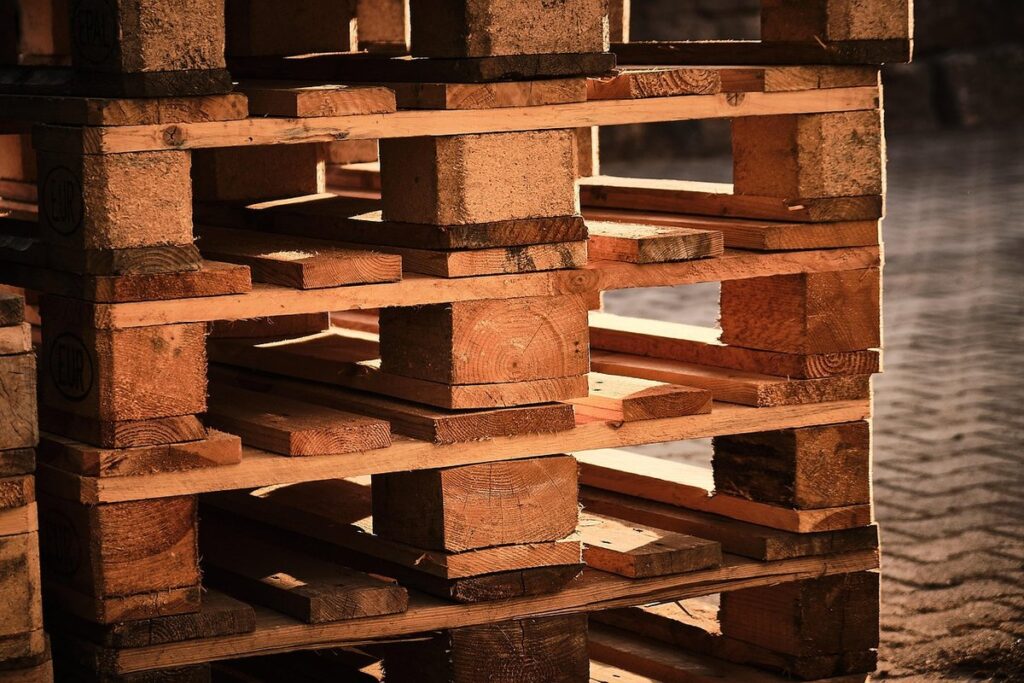
Planning Your Project
Before diving into the upcycling process, take a few minutes to plan out your project by gathering materials and considering the size and design of your compost bin. This will ensure a smooth build from start to finish.
Gathering Materials and Tools
To create a sturdy and functional compost bin out of wooden pallets, you’ll need to gather the right materials. Start by collecting a few wooden pallets that are free from damage and rot. You can usually find these at local hardware stores or ask friends and family if they have any spare pallets.
In addition to the pallets, you’ll also need some screws, nails, and wire mesh to secure everything in place. A hammer, screwdriver, and tape measure will come in handy for assembling the bin. Don’t forget to grab some weather-resistant wood glue to reinforce any joints or weak spots.
When selecting materials, prioritize durability and sturdiness to ensure your compost bin can withstand outdoor conditions. You don’t want it to fall apart or leak after a heavy rain shower. For example, using wire mesh instead of regular wire will provide better protection against pests and rodents that might be attracted to the compost.
As you gather these materials, consider how many pallets you’ll need to create your desired bin size. Two or three pallets should suffice for a small to medium-sized bin, while larger bins may require additional pallets.
Designing Your Compost Bin
When it comes to designing your compost bin from pallets, you have a wide range of options. The size and shape of your bin will largely depend on the space where it’ll be placed and the type of materials you plan to compost.
Consider starting with a basic rectangular design, perfect for small spaces. This can be achieved by stacking four pallets side by side, creating a compact 4′ x 2′ unit. Alternatively, you could go for a larger square or round bin, ideal for bigger gardens. For instance, you can build an octagonal compost bin using eight pallets, providing ample space to add food scraps and yard waste.
Think about the functionality of your bin too – do you need easy access points? Consider adding doors made from old pallet wood to create a simple, hinged design. You could also incorporate a removable tray at the bottom for effortless waste collection. Don’t be afraid to get creative; with some basic tools and imagination, you can transform your upcycled pallets into a unique and efficient composting system that will help reduce waste in your community.
When deciding on the layout of your bin, consider how you’ll be adding and mixing materials. Some designs might benefit from multiple tiers or compartments to separate ‘green’ (nitrogen-rich) and ‘brown’ (carbon-rich) waste. Keep your design flexible to accommodate changing composting needs – remember, this is a dynamic process that requires regular maintenance.
As an example of a unique pallet compost bin, you could create a spiral-shaped design using reclaimed wood to create a visually striking feature in any garden. This would not only serve as a functional recycling system but also add a decorative element to your outdoor space.
Preparing the Pallets
Before we start building our compost bin, let’s make sure our pallets are clean and ready for upcycling by following these essential steps. This involves disassembling the pallets, removing any debris, and prepping them for assembly.
Disassembling and Cleaning Pallets
Disassembling wooden pallets is an essential step before you can start using them for your compost bin. Begin by inspecting each pallet carefully and identifying the types of fasteners used to hold it together, such as nails or screws. You’ll want to use a pry bar or a hammer to gently pry off any loose boards or dislodge stuck parts.
Once you’ve removed all the boards from the pallet, sort them according to their condition and size. This will make it easier for you to assemble the pallets later on. Next, inspect each board thoroughly to remove any nails or screws. You can use a pair of pliers or a screwdriver to carefully pry out any remaining fasteners.
Cleaning your disassembled pallets is also crucial to prevent contamination in your compost bin. Use a wire brush or a scrubber to sweep away any debris, dirt, and dust that may have accumulated on the boards. Rinse each board thoroughly with water, then let them dry completely before assembling your compost bin. This will ensure that your finished product is free from contaminants and ready for use.
Cutting and Shaping Pallet Wood
When cutting and shaping pallet wood for your compost bin, precision is key. Uniform pieces are crucial to ensure that your bin’s walls and bottom fit snugly together without gaps, which can compromise the integrity of the structure.
To achieve this, start by measuring each pallet carefully, taking note of any variations in thickness or width. Use a tape measure to record these measurements and plan accordingly. You’ll want to cut each piece to the same dimensions, so you can easily assemble your bin.
Use a miter saw or circular saw to make precise cuts, and consider investing in a marking gauge for more accurate markings. When cutting, work slowly and carefully to avoid mistakes that can be costly in terms of wasted material and time. For example, if you’re creating the bin’s sides, cut four pieces to 18 inches long by 6 inches wide. This will give your compost bin a sturdy foundation.
Remember to check your measurements twice before making any cuts, as this will save you from having to redo work that may not fit together properly.
Building the Compost Bin Frame
Now that you’ve got all your pallets sorted, let’s start building the frame of our compost bin by assembling the pallet pieces into a sturdy base structure.
Assembling the Base Frame
Now that we have prepared the pallet wood for our compost bin frame, it’s time to start assembling the base frame. This is a crucial step as it will provide the foundation for our entire project. Think of it like building a house – you can’t put up walls and roof without a solid ground.
To assemble the base frame, you’ll need four pallet boards. Place two parallel to each other on the ground, ensuring they are level and evenly spaced. These will be the sides of your compost bin’s base. Next, place the remaining two pallet boards perpendicularly across the sides, creating a rectangular shape. Make sure all corners are secure and sturdy.
The base frame should be roughly 3-4 feet square, depending on the size you prefer for your compost bin. Use screws to attach the pallet boards together, making sure they are tight and even. A sturdy foundation is essential for supporting the weight of soil, compost, and any additional materials you’ll add later. Don’t worry if it’s not perfect – we can always adjust or add more supports as needed in future steps.
Adding Side Panels and Supports
Now that we have our pallet frame assembled, it’s time to add some side panels and supports to create the structure’s framework. This is a crucial step, as it will provide stability and protection for our compost bin.
Begin by measuring and marking the location of the side panels on each pallet frame piece. Make sure to space them evenly apart – about 2-3 inches should be sufficient. Use your drill or screwdriver to attach the side panels using screws or nails. It’s essential to secure them firmly, as this will help prevent any potential sagging or collapse.
To add extra support, you can insert small wooden planks or slats between the pallet frames and side panels. This will not only provide additional stability but also create a sturdy base for our compost bin. Use your hammer to tap the supports into place, making sure they’re secure and evenly spaced. Remember, even spacing is key – it’s what will keep your compost bin standing tall and prevent any potential damage.
Adding Wire Mesh and Lid
Now that you’ve constructed the pallet frame, it’s time to add a layer of protection with wire mesh and secure it with a durable lid. This crucial step will keep pests out while allowing airflow in.
Securing Wire Mesh
When it comes to securing wire mesh on your pallet compost bin, you want to ensure that it’s evenly spaced and securely fastened to prevent rodents from accessing the pile. To do this, start by cutting a piece of wire mesh slightly larger than the top opening of your bin. Next, use some sturdy wire or twine to tie the mesh to the frame of the pallets, making sure it’s taut and evenly spaced.
You can also use some heavy-duty staples or screws to secure the mesh in place. This will not only prevent rodents from getting into the pile but also help keep larger debris out. For added protection, consider wrapping a layer of chicken wire around the entire bin to cover any gaps or openings. Make sure to overlap the edges of the mesh by at least 6 inches to ensure complete coverage.
By securing your wire mesh correctly, you’ll be able to enjoy a rodent-free composting experience and keep your pile healthy and thriving.
Crafting a Compost Bin Lid
When it comes to crafting a compost bin lid using pallet wood and wire mesh, you’ll want to focus on creating something that’s not only functional but also easily removable. This is where the lid comes in – its purpose is to allow for easy access to the compost without having to dig through the entire pile.
To create your lid, start by gathering a few more pallet boards than you think you’ll need. You’ll want them to be slightly larger than the top opening of the bin so that they can fit over it securely. Cut these boards to size and arrange them in a square or rectangular shape, depending on your design preference.
Next, attach wire mesh to the underside of the lid using a sturdy wire or rod. This will provide airflow and allow for easy removal when you need to turn the compost. To make this process even easier, consider adding a simple latch system to keep the lid securely in place.
By having an easily removable lid, you’ll be able to maintain your compost pile with minimal effort – simply lift off the lid, add or remove materials as needed, and replace it when you’re done. This will also help prevent pests from getting into your compost, which can be a major issue if you don’t have proper ventilation in place.
Keep in mind that the size of your lid will depend on the size of your compost bin – make sure to measure carefully before cutting any boards or attaching wire mesh.
Finishing Touches
Now that you’ve assembled and framed your pallet compost bin, let’s focus on adding a lid to complete the project. This simple touch will help keep pests out and make turning your compost a breeze.
Adding a Hinged Door (Optional)
If you’re looking for an extra layer of convenience when it comes to accessing your compost pile, consider adding a hinged door to your pallet compost bin. This will allow you to easily open and close the bin without having to lift or remove the entire structure.
To install a hinged door, start by cutting two rectangular pieces from a single pallet plank, slightly larger than the opening of your compost bin. These pieces will serve as the door’s frame and hinges. Attach them together using screws, making sure they’re secure enough to support the weight of the door when it’s in use.
Next, attach the door frame to the main body of the compost bin, ensuring that the hinges are sturdy enough to hold the door in place. You can add a latch or handle for easy opening and closing. This feature may require some extra planning and design, but it will make maintaining your compost pile significantly easier.
Final Inspection and Maintenance
As you’ve completed your upcycled pallet compost bin, it’s essential to maintain its functionality and efficiency. Regular cleaning and monitoring are crucial to ensure the bin remains a productive part of your sustainable garden.
Firstly, set aside time each week to inspect your compost bin. Check for any signs of pest infestation, such as ants or rodents, and take action promptly if necessary. You can use natural deterrents like cinnamon or cayenne pepper to keep pests at bay. Additionally, inspect the pallets for any damage or rotting wood, replacing them as needed.
Regular cleaning is also vital. Remove any finished compost from the bin and discard it in your garden beds. Then, scoop out any loose debris, like leaves or branches, and replace with new materials. Finally, ensure the bin’s lid closes properly to prevent pests and moisture from entering.
By dedicating a few minutes each week to maintenance, you’ll extend the lifespan of your upcycled pallet compost bin and keep it functioning optimally for years to come.
Tips and Variations
Want to take your upcycled pallet compost bin to the next level? This section shares creative ideas for customizing your design and overcoming common challenges.
Using Alternative Materials (e.g., Plastic or Metal)
If you’re looking for an alternative to traditional wooden pallets for your compost bin, consider using plastic or metal materials. These options offer durability and resistance to rot, decay, and pests. For instance, a plastic compost bin can withstand harsh weather conditions and is easy to clean. However, it may not provide the same aesthetic appeal as a wooden pallet compost bin.
On the other hand, metal compost bins are incredibly durable and resistant to corrosion. They can be made from recycled materials and are often more affordable than traditional wooden pallets. However, they can conduct heat and may require additional insulation to keep your compost pile at optimal temperatures.
When using alternative materials, ensure you choose options that align with local regulations and waste management guidelines. For example, some areas may prohibit the use of metal or plastic materials for outdoor projects due to environmental concerns. Always research and comply with any relevant rules before starting your project.
Adding Features (e.g., Tumbler or Aeration System)
If you want to take your compost bin to the next level, consider adding some innovative features that will make the process of decomposition easier and more efficient. One great idea is to incorporate a tumbler mechanism into your design. A tumbler allows for easy rotation of the contents, making it simpler to mix and aerate the compost pile. This can be especially helpful if you’re working with large quantities of organic waste.
To implement a tumbler system, simply attach two sets of wheels or rollers to opposite sides of the pallet bin. Make sure they’re sturdy enough to support the weight of your compost pile, but still easy to rotate. You can also add a manual crank handle for added ease of use.
Another feature you might want to consider is an aeration system. This can be as simple as drilling some holes in the sides or bottom of the pallet bin to allow air to flow through. Alternatively, you could create a more complex system using PVC pipes or tubes to introduce oxygen and facilitate decomposition. Whichever method you choose, just remember to balance airflow with moisture levels to keep your compost pile healthy and thriving.
Conclusion
In conclusion, upcycling pallets to create a compost bin is a fun and rewarding project that’s perfect for DIY enthusiasts. By following these simple steps, you can transform discarded pallets into a functional and eco-friendly way to manage your household waste. Remember to always disassemble and clean the pallets thoroughly before starting your project, and don’t hesitate to get creative with your design – add some decorative touches or use different materials to make it truly unique. With a little patience and elbow grease, you’ll be composting like a pro in no time. And as an added bonus, you’ll be reducing waste and doing your part for the environment – not bad for a simple pallet project!
Frequently Asked Questions
What if I don’t have access to wooden pallets for my compost bin?
If you can’t find free or low-cost pallets, consider purchasing them from a local supplier or reusing old wood from your garden or home renovation projects. You can also explore alternative materials like plastic or metal bins, which may be more convenient but still offer composting benefits.
How do I keep pests out of my compost bin?
To deter pests like rodents and insects, make sure to secure wire mesh on all sides and the lid of your compost bin. Add a 1-2 inch layer of finished compost at the bottom of the bin to create an inhospitable environment for pests. Keep your bin clean by turning materials regularly.
Can I use my compost bin in colder climates?
Yes, you can still use a wooden pallet compost bin in colder climates. Just make sure to add extra insulation like straw or shredded leaves around the base and sides of the bin to maintain temperature levels. You may also want to consider using a tumbler or aeration system to aid decomposition.
How often should I turn my compost pile?
Turn your compost pile every 7-10 days, especially during hot summer months when materials break down quickly. This ensures efficient decomposition and prevents matting or anaerobic conditions. Use a pitchfork or shovel to gently mix the materials, working from the bottom up.
What if I notice mold or unpleasant odors in my compost bin?
Mold and odors often indicate overwatering or poor ventilation. Check that your bin has adequate drainage holes and that you’re not adding too many “green” materials like food scraps. Balance out the mix with more brown materials like dried leaves or straw, and turn the pile regularly to aerate it.