
As the temperatures drop and the days get shorter, many of us worry that our precious vegetable gardens are doomed for the season. But fear not! With the right cold-hardy vegetables, some careful soil preparation, and a few clever techniques to protect against frost, you can keep your garden thriving through even the chilliest winter months.
In this article, we’ll share expert tips on how to extend the life of your vegetable garden well into winter. We’ll show you which hardy veggies are perfect for the season, how to get your soil ready for cold weather, and some ingenious ways to shield your crops from frost damage. Whether you’re a seasoned gardener or just starting out, our advice will help you enjoy a bountiful harvest even in the depths of winter. By following these simple steps, you’ll be well on your way to growing delicious veggies all year round!
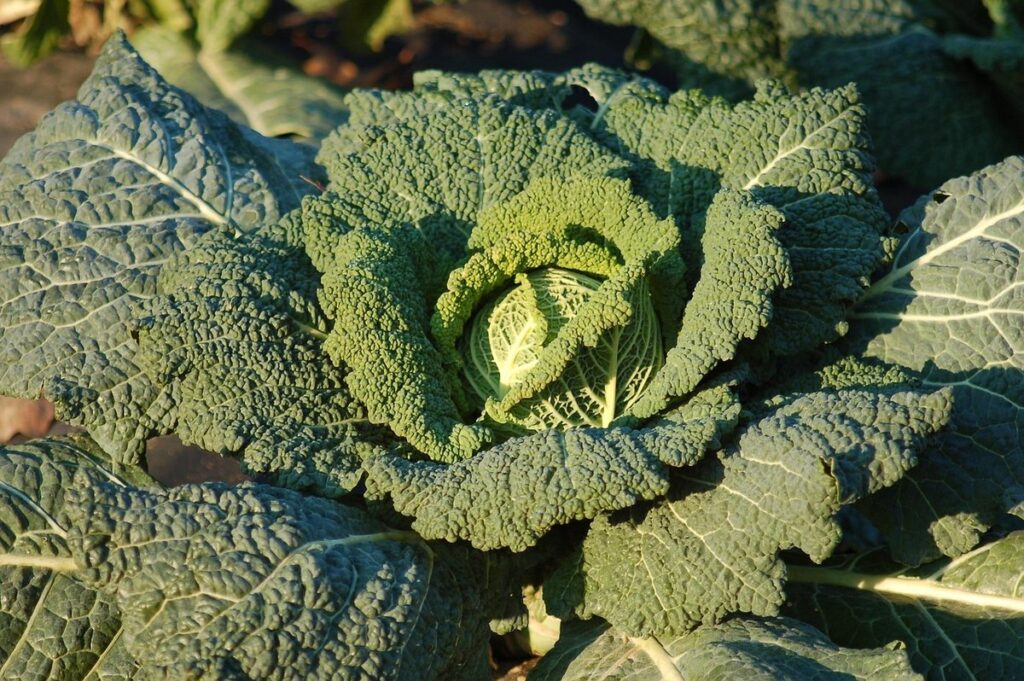
Choosing Cold-Hardy Vegetables
When selecting vegetables for your winter garden, consider choosing varieties that are naturally cold-hardy and can tolerate frost, ensuring a successful harvest even in chilly temperatures.
Selecting Vegetables for Winter Production
When selecting vegetables for winter production, it’s essential to choose varieties that can tolerate frost and cold temperatures. Some hardy options include kale, spinach, Brussels sprouts, broccoli, and cauliflower. These vegetables typically thrive in cooler conditions between 40°F (4°C) and 70°F (21°C).
For example, kale is a cool-season crop that can withstand light frosts and can even be harvested when the temperatures drop to around 25°F (-4°C). Spinach is another hardy green that prefers temperatures between 35°F (2°C) and 60°F (15°C). Brussels sprouts are also a good choice for winter production, as they can tolerate temperatures as low as 20°F (-7°C).
When selecting varieties, look for keywords such as ‘cold-hardy,’ ‘frost-tolerant,’ or ‘winter-harvest.’ These vegetables will be more resilient to the harsh winter conditions and will continue to produce throughout the season. By choosing the right varieties, you can enjoy a bountiful harvest even in the dead of winter.
Understanding Plant Hardiness Zones
When it comes to growing vegetables during the winter months, understanding plant hardiness zones is crucial for success. Essentially, these zones are a way to categorize regions based on their average annual extreme minimum temperature, which determines the types of plants that can thrive in each area. In the United States, the USDA Plant Hardiness Zone Map divides the country into 11 distinct zones, ranging from zone 1 (extremely cold) to zone 11 (tropical).
To determine your hardiness zone, simply enter your zip code on the USDA’s website or consult a local nursery or gardening expert. Once you know your zone, choose vegetables that are specifically bred for your area’s climate and frost tolerance. For example, Brussels sprouts and kale are excellent choices for zones 3-5, while warmer regions in zones 8-10 can enjoy broccoli, cauliflower, and spinach.
Keep in mind that even if a vegetable is hardy enough to tolerate light frosts, prolonged exposure to cold temperatures can still cause damage or kill the plant. Be sure to check the specific frost tolerance of each variety you choose, as well as any additional care requirements for optimal growth.
Preparing Your Garden for Winter
As winter approaches, it’s essential to prepare your garden for the cold months ahead by protecting plants from frost and moisture damage. Here are some key steps to take.
Cleaning Up the Garden
Cleaning up your garden after the main growing season is an essential step to prepare it for winter crops. It’s time to remove dead plants, debris, and weeds that can harbor pests and diseases, making it easier for new growth to emerge.
Start by clearing out any dead or dying plants, taking care not to damage nearby healthy ones. Remove spent vegetable stalks, trim back perennials, and dispose of weeds that have gone to seed. Don’t forget to clear paths and walkways, as well as any debris from tools and equipment.
Next, focus on preparing the soil for winter crops. Add organic matter like compost or well-rotted manure to improve soil structure and fertility. Till the soil to a depth of about 8-10 inches to loosen compacted layers and aerate it. This will help water penetrate more evenly, reducing erosion and runoff.
Aim to complete this process before the first frost, usually around late October or early November in most regions. By doing so, you’ll create an ideal environment for winter crops to thrive.
Mulching and Cover Cropping
As winter approaches, it’s essential to protect your vegetable garden from harsh weather conditions. Mulching and cover cropping are two strategies that can help maintain soil health, suppress weeds, and even aid in pest control. Organic mulches like straw or wood chips can be applied 2-3 inches thick to the top of the soil bed. These materials not only conserve moisture but also regulate soil temperature, reducing the need for frost blankets.
When choosing a cover crop, select species that are hardy and can thrive during winter months. Some beneficial options include rye, oats, and clover. These crops help to retain soil moisture, suppress weed growth, and even provide nutrients as they decompose. For example, hairy vetch is an excellent choice for its ability to fix nitrogen in the soil, making it available for future crops.
To incorporate these strategies into your winter garden, consider adding a cover crop to your planting plan 6-8 weeks before the first frost. This will give them time to establish themselves and begin providing benefits by the time winter sets in. By implementing mulching and cover cropping techniques, you’ll be well-prepared for a healthy and thriving vegetable garden come springtime.
Planting Winter Vegetables
Now that you’ve chosen the perfect winter vegetables, it’s time to get planting. This section will guide you through the process of selecting and preparing a successful winter crop.
Timing is Everything: When to Plant Winter Crops
When planting winter crops, timing is everything. The ideal time to plant varies depending on your region and climate. In temperate zones, it’s best to start sowing cool-season crops like broccoli, kale, and carrots 8-10 weeks before the first frost date. This allows them to mature before the cold weather sets in.
In areas with mild winters, you can continue planting warm-season crops like spinach, lettuce, and peas throughout the winter months. These crops thrive in cooler temperatures and can tolerate light frosts. In regions with harsh winters, it’s best to plant cool-season crops as soon as the soil can be worked in early spring.
One key consideration when planting winter vegetables is taking advantage of cooler temperatures for optimal growth and flavor. Many winter crops bolt or become bitter when exposed to excessive heat or sunlight. By planting at the right time, you’ll enjoy a bountiful harvest with maximum flavor and nutritional value.
Keep in mind that even in warmer climates, there may be periods of frost or freezing temperatures. Be sure to monitor weather forecasts and adjust your planting schedule accordingly.
Companion Planting for Winter Crops
Companion planting is an age-old technique that can greatly benefit winter vegetable gardens. By strategically pairing plants together, you can enhance growth, deter pests, and even improve the flavor of your crops. In a typical winter garden, garlic is a natural companion for many cool-season vegetables like kale and spinach. Planting them together will not only repel pests but also encourage each other’s growth.
Other beneficial pairings include planting carrots with spinach or lettuce. The broad leaves of these plants provide shade for the carrot tops, preventing them from becoming bitter in the cold weather. Similarly, radishes can be paired with cucumbers to deter cucumber beetles and improve soil health. When selecting companion plants, consider their growth habits, maturity dates, and space requirements.
To implement this technique effectively, choose plants that have different growing periods so they don’t compete for resources like light and water. You can also use marigolds or nasturtiums as repellents to deter pests from your winter crops. By carefully selecting companion plants, you can create a thriving and resilient winter garden that requires less maintenance and produces more abundant harvests.
Protecting Your Garden from Frost
Now that you’ve got your winter vegetable garden up and running, let’s talk about how to protect it from frost damage: choosing the right coverings is key. From row covers to cold frames, we’ll show you what works best.
Understanding Frost Types and Damage
When it comes to protecting your winter vegetable garden from frost, understanding the different types of frost and their effects is crucial. There are several types of frost that can damage your crops, including radiation frost, advection fog frost, black frost, hoarfrost, and ice fog.
Radiation frost occurs when clear skies allow the earth’s surface to rapidly cool overnight, causing water in plant cells to freeze. Advection fog frost happens when warm air moves over a cold surface, creating fog that can freeze crops. Black frost is a type of radiation frost that occurs when the atmosphere above the earth remains calm and clear, allowing for extreme cooling. Hoarfrost forms when supercooled water droplets are deposited onto plants, causing them to become encased in ice crystals. Ice fog, also known as freezefog or whiteout, occurs when water vapor in the air freezes into tiny ice crystals.
Extreme cold snaps can be particularly damaging to vulnerable crops such as lettuce, spinach, and broccoli. To protect your garden from frost damage, consider using row covers, frost blankets, or sprinklers to raise the temperature around your plants.
Using Row Covers and Other Protective Methods
When the first frost of winter hits, it can be devastating to see your carefully cultivated vegetables succumb to the cold. However, with some planning and preparation, you can protect your garden from frost and continue to enjoy a bountiful harvest well into the winter months. One effective method for doing so is through the use of row covers.
Row covers are lightweight, breathable fabrics that allow sunlight and water to reach your plants while keeping frost out. They come in various weights and thicknesses, allowing you to choose the right one for your specific needs. To effectively use a row cover, drape it over your garden bed, securing it with rocks or soil. Leave enough room between each plant for easy watering and maintenance.
In addition to row covers, there are other protective methods to consider. Cold frames, for example, can be built using reclaimed wood and glass to create an insulating layer that traps warmth from the sun. Hoop houses, made of metal or PVC pipes, provide a more substantial structure to protect your plants from wind and frost damage.
Maintaining a Healthy Winter Garden
Now that we’ve covered how to prepare your garden for winter, let’s dive into some essential tips on maintaining a healthy and thriving vegetable garden during this chilliest of seasons. Regular care will ensure your plants stay robust and continue producing delicious harvests.
Monitoring Soil Temperature and Moisture Levels
Monitoring soil temperature and moisture levels is crucial for maintaining a healthy winter garden. As temperatures drop, plants’ growth slows down, and their sensitivity to extreme conditions increases. Soil temperature can make or break your winter harvest, with optimal ranges varying between 40°F (4°C) and 70°F (21°C), depending on the crop.
To monitor soil temperature, you can invest in a soil thermometer or use an app that integrates data from nearby weather stations. For instance, the ‘Soil Temperature’ feature in apps like Weather Underground allows you to track temperatures at various depths. As for moisture levels, stick your finger into the soil up to the knuckle; if it feels dry, it’s time to water.
Maintain optimal conditions by adjusting irrigation schedules according to temperature and moisture readings. For example, during periods of cold weather, reduce watering frequency while increasing it when temperatures rise. Also, mulch around plants to retain moisture and regulate soil temperature. Regularly checking these factors will help you identify potential issues before they become major problems.
Dealing with Pests and Diseases in Winter Gardens
Winter gardens are just as susceptible to pests and diseases as their summer counterparts. Slugs and snails, for example, thrive in cool, moist conditions and can decimate a winter garden overnight. To identify these pesky critters, look for holes in leaves or stems, especially on tender shoots and seedlings.
Root rot is another common issue that arises from overwatering and poor soil drainage. This fungal disease causes roots to decay, leading to yellowing leaves and stunted growth. To manage root rot, ensure good air circulation around plants and avoid watering during the coolest part of the day.
When it comes to organic management methods, copper tape or mesh can deter slugs and snails. Hand-picking is also an effective method, especially for small infestations. For root rot, remove affected roots and repot the plant in fresh, well-draining soil. Regularly inspect your plants, and catch problems early on to prevent them from getting out of hand.
Tips for Year-Round Vegetable Production
To keep your garden thriving year-round, you’ll need some special tips and tricks to coax veggies from the ground even when winter sets in. These secrets will make all the difference.
Extending the Growing Season with Cold Frames and Hoop Houses
Cold frames and hoop houses are two of the most effective tools for extending the growing season and maintaining a year-round vegetable garden. By providing protection from harsh winter conditions, these structures allow you to grow a wider variety of vegetables during the colder months.
To design and build a cold frame, start by selecting a location with good sunlight and drainage. Choose materials such as wood, metal, or recycled plastic for the frame, and cover it with clear glass or polycarbonate panels. The size will depend on your available space, but aim for at least 4-6 feet wide to accommodate multiple beds.
Hoop houses are more permanent structures that can be built around an existing bed. Use sturdy steel or PVC pipes to create a frame, and cover it with greenhouse plastic or poly film. Both cold frames and hoop houses are designed to allow for air circulation, which is essential for preventing disease and promoting healthy growth.
By using these structures, you can enjoy a wide range of vegetables year-round, including lettuce, spinach, kale, and even tomatoes in some cases. With proper planning and design, your garden will be thriving well into the winter months.
Planning Ahead: Preparing Your Garden for Future Seasons
As you wrap up this winter’s garden season, it’s essential to start thinking ahead and planning for future seasons. This might seem counterintuitive when the snow is still falling outside, but trust us, it’ll make all the difference come next year.
Take some time to reflect on what worked well in your winter garden. Which crops performed exceptionally? What were their growth habits like? Did you encounter any issues with pests or diseases? Make a note of these observations and insights so you can build upon them for the upcoming seasons. This will not only save you from making the same mistakes but also help you identify areas where you need to improve.
Consider introducing new varieties that have proven themselves in your climate zone or region. This could be a new breed of broccoli, kale, or even a type of cold-hardy strawberry that’ll thrive in the coming seasons. Research online, talk to fellow gardeners, and visit local nurseries to discover what’s new and exciting.
To further prepare for next year, think about crop rotation. Identify areas where you can switch up the types of plants you’re growing to maintain soil health and prevent pests from becoming too comfortable on your land. You might need to remove some non-edible cover crops or incorporate organic matter to rejuvenate the soil.
This planning stage will also give you a chance to update your garden layout and consider new features that’ll make your winter gardening experience even more enjoyable and productive. Think about installing a cold frame, hoop house, or creating a designated area for overwintering plants like garlic or onions.
Frequently Asked Questions
What if I don’t know my plant hardiness zone? How can I determine it?
To find your plant hardiness zone, consult a reliable online resource like the USDA Plant Hardiness Zone Map or check with your local nursery or extension office. This will help you choose cold-hardy vegetables suitable for your specific climate.
Can I use row covers in place of other protective methods? What’s the difference between them?
Row covers are a versatile solution for protecting your winter crops from frost, but they’re not always a substitute for other methods like mulching or cold frames. Row covers provide a physical barrier against wind and cold, while others focus on regulating soil temperature or moisture levels.
How do I maintain a healthy winter garden when dealing with limited sunlight?
While winter gardens often receive less direct sunlight, there are still ways to optimize your plants’ health. Make sure to prune any overgrown branches, water carefully to avoid moisture stress, and consider using supplemental lighting if necessary.
Can I plant multiple varieties of cold-hardy vegetables together? Are there any companion planting considerations for winter crops?
Yes, you can combine multiple varieties of cold-hardy veggies in the same bed. When choosing companions, prioritize plants with similar growing requirements and space needs. Some beneficial pairs include kale and spinach (which repel pests) or broccoli and carrots (which improve soil health).
How do I know if my garden is at risk for frost damage? What are some early signs to look out for?
Monitor your local weather forecast and be aware of the following indicators: sudden drops in temperature, frost advisories, or visible signs like blackened leaves or frozen soil. Take action promptly by covering plants with row covers or bringing potted ones indoors if possible.