
Are you ready to grow the juiciest, most delicious tomatoes straight from your own garden? Learning how to grow tomatoes from seed is an essential skill for any gardener, and with this guide, we’ll walk you through every step of the process. Whether you’re a seasoned pro or just starting out, growing tomatoes from seed can be a fun and rewarding experience.
In this comprehensive guide, we’ll cover everything you need to know to get started, from preparing your soil to sowing your seeds and troubleshooting common issues that might arise along the way. We’ll also share some expert tips on how to ensure your tomato plants thrive and produce an abundance of tasty fruit. So, let’s get growing!
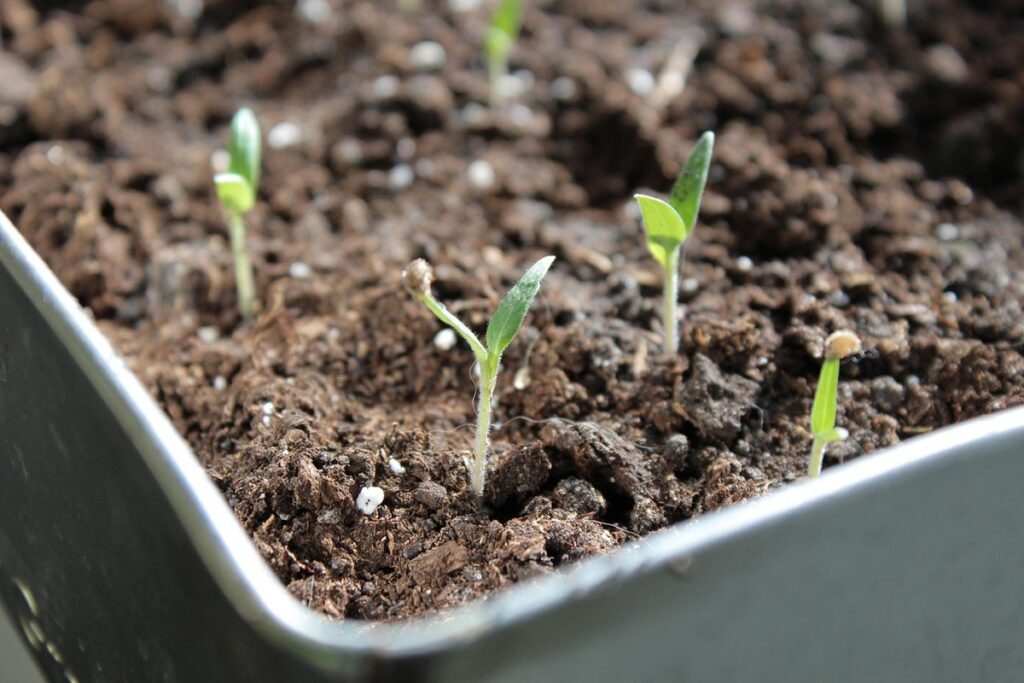
Preparing the Soil and Equipment
Before you begin planting those tomato seeds, let’s make sure your soil is ready for them to thrive. This includes preparing a suitable potting mix and ensuring all necessary equipment is clean and sanitized.
Choosing the Right Potting Mix
When it comes to growing tomatoes from seed, choosing the right potting mix is crucial for their health and productivity. A well-draining potting mix specifically designed for tomatoes will provide the necessary nutrients and support for strong growth.
Look for a potting mix with a pH level between 6.0 and 7.0, as this is ideal for tomato plants. Avoid mixes that are too alkaline or acidic, as they can stunt growth or cause nutrient deficiencies. A good potting mix should also contain a balanced blend of nutrients, including nitrogen, phosphorus, and potassium.
Water retention capacity is another essential characteristic to consider. Tomatoes need consistent moisture, but overwatering can lead to root rot. A good potting mix will retain just the right amount of water to keep your tomatoes hydrated without becoming waterlogged. Consider using a mix that contains perlite or vermiculite for improved drainage.
When selecting a potting mix, read the label carefully and look for mixes specifically formulated for vegetables like tomatoes. Some popular options include Miracle-Gro Potting Mix and Black Kow All Purpose Potting Mix. By choosing the right potting mix, you’ll set your seedlings up for success and ensure a bountiful harvest of juicy, flavorful tomatoes.
Selecting the Perfect Containers
When it comes to growing tomatoes from seed, selecting the perfect containers is crucial for their healthy development. You’ll want to choose containers that provide adequate space for the roots to grow, are made of a suitable material, and have proper drainage holes to prevent waterlogged soil.
For tomato seeds, you’ll need containers with a minimum depth of 6-8 inches to accommodate the taproot that will develop as the plant grows. Consider using pots or planters made from materials like ceramic, terracotta, or plastic. These are durable, easy to clean, and can retain moisture well. Grow bags, on the other hand, offer excellent drainage and aeration for roots.
When selecting containers, also consider the size of the seeds you’re planting. Larger varieties will require more space than smaller ones. A good rule of thumb is to start with smaller containers (around 6-8 inches deep) and transplant the seedlings into larger ones as they grow. This will give them plenty of room to develop a robust root system without becoming waterlogged.
Sowing Tomato Seeds
Let’s get started on sowing those tomato seeds! This is where you’ll learn how to carefully plant your seeds in a pot, giving them the best chance at germinating and thriving.
Understanding Seed Starting Basics
When starting tomato seeds indoors or directly in the garden, it’s essential to grasp the fundamentals of seed sowing. The depth at which you sow your seeds is crucial for optimal germination. As a general rule, seeds should be planted 2-3 times deeper than their thickness. For example, if you’re using cherry tomato seeds that are about 1/8 inch thick, plant them 1/4 to 3/8 inch deep.
Proper spacing between seeds is also vital for healthy growth and development. If starting indoors in seed trays or small pots, sow the seeds 1-2 inches apart. When transplanting seedlings into larger containers or directly into the garden, ensure they are spaced about 18-24 inches apart to allow for proper air circulation and sunlight penetration.
Temperature requirements are another critical aspect of seed sowing. Most tomato varieties prefer daytime temperatures between 65°F (18°C) and 75°F (24°C), while nighttime temperatures should be around 55°F (13°C). Maintaining these temperature fluctuations will help your seeds germinate quickly and evenly, setting the stage for a strong start to your tomato plant’s growth cycle.
Creating a Seed-Starting Mix
When starting seeds for your tomato plants, it’s essential to use a high-quality seed-starting mix that’s specifically designed to promote healthy root development and prevent transplant shock. These specialized mixes are formulated with the right balance of nutrients and moisture-holding properties to give your seedlings a strong start.
But you don’t necessarily need to purchase a commercial seed-starting mix. You can create your own custom blend using ingredients like peat moss, vermiculite, or perlite, which provide excellent drainage and aeration for young roots. A general recipe might include 2/3 peat moss, 1/3 vermiculite, and a small amount of fertilizer specifically designed for seed starting.
When selecting your ingredients, look for products that are free of weed seeds and other contaminants. You can also add a little bit of compost or worm castings to enrich the mix with beneficial microbes. By creating your own seed-starting mix, you’ll save money and have more control over the ingredients that go into it. Just be sure to sterilize your equipment and workspace to prevent any potential diseases or pests from affecting your young seedlings.
Germinating and Transplanting Tomato Seeds
Now that you’ve started your tomato seeds, it’s time to germinate them successfully. This section will walk you through the process of getting those tiny seeds to sprout and preparing them for transplanting outside.
Optimizing Germination Conditions
When it comes to germinating tomato seeds, providing optimal conditions is crucial for successful growth. The ideal temperature range for germination is between 65°F (18°C) and 75°F (24°C), with the sweet spot being around 72°F (22°C). Keep in mind that temperatures above 80°F (27°C) can slow down or even inhibit germination.
Maintaining high humidity, ideally 80-90%, during the germination phase is also essential. You can achieve this by covering the seed tray with a clear plastic bag or cloche, ensuring the seeds receive adequate moisture without drying out.
Avoid placing the seed tray under direct sunlight as it can cause overheating and inhibit germination. Instead, provide indirect light or use grow lights to ensure consistent illumination. Some common mistakes that can hinder germination include inadequate water, extreme temperatures, and excessive light exposure. To avoid these pitfalls, make sure to monitor your seeds’ progress closely and adjust the conditions accordingly.
By providing optimal temperature, humidity, and light requirements, you’ll be giving your tomato seeds a strong start towards healthy growth.
Hardening Off Seedlings for Outdoor Transplantation
As you prepare to transplant your tomato seedlings outdoors, it’s essential to harden them off to ensure they can thrive in their new environment. This process, called acclimation or hardening off, helps seedlings gradually adjust to outdoor conditions, reducing the risk of shock and stress.
To begin hardening off, start by moving your seedlings from their indoor location to a shaded outdoor area for 1-2 hours a day. Gradually increase their exposure over the course of 7-10 days, ensuring they receive direct sunlight for short periods each day. For example, if you’re starting with 30 minutes of direct sun, aim to increase this by 15-minute increments every few days.
It’s also crucial to acclimate your seedlings to temperature fluctuations and wind. On particularly windy or cold days, bring them back under cover until the conditions improve. This will help prevent damage from sudden changes in weather. By following this process, you’ll give your tomato seedlings the best chance of success as they transition from indoor to outdoor life.
Providing Optimal Care After Transplantation
Once you’ve successfully transplanted your seedlings, it’s essential to provide them with optimal care to ensure they continue growing strong and healthy. We’ll walk you through what to focus on during this critical stage of growth.
Watering and Fertilizing Tomato Plants
As you begin to care for your newly transplanted tomato seedlings, it’s essential to understand their specific watering and fertilization needs. Tomatoes are heavy feeders and require consistent moisture, especially during the first few weeks after transplanting. Water them thoroughly, making sure the soil is moist but not waterlogged. Aim to provide about 1-2 inches of water per week, either through rainfall or irrigation.
As for fertilizing, start with a balanced fertilizer (10-10-10 NPK) and apply it once a month. You can also use a high-phosphorus fertilizer (15-30-15 NPK) to promote fruiting and flowering. It’s crucial to avoid over-fertilizing, as this can lead to weak growth and reduced yields.
When choosing fertilizers, opt for organic or slow-release options that provide a steady supply of nutrients. For example, fish emulsion or compost tea are excellent choices for tomato plants. Remember to follow the manufacturer’s instructions and apply fertilizers during the growing season, avoiding any times when the plant is under stress or producing fruit.
Some key tips to keep in mind: avoid getting water on the leaves to prevent fungal diseases, and never overwater, as this can lead to root rot. By providing your tomato plants with the right balance of moisture and nutrients, you’ll be well on your way to a bountiful harvest.
Supporting Tomatoes as They Grow
As your tomato plants grow and develop, it’s essential to provide them with the right support to ensure they reach their full potential. Indeterminate varieties, which account for most commercial tomato types, need sturdy structures to hold up against the weight of their fruit.
Trellising is a popular method for supporting indeterminate tomatoes. You can use a trellis or cage specifically designed for this purpose, or even create your own using wire mesh and stakes. The goal is to provide support from the base of the plant, about 12-18 inches above the soil level, and gently tie the main stem to it with twine or clips.
Staking can also be an effective method for supporting indeterminate tomatoes. This involves driving a sturdy stake directly into the ground near the plant, then tying the stem to it using a soft material like cloth or rubber. Regular pruning is another crucial aspect of supporting your tomato plants – aim to remove lower leaves and weak growth to prevent disease and direct energy towards fruiting.
If you notice yellowing leaves, black spots, or other unusual symptoms, inspect the plant carefully for signs of pests or diseases. Remove any affected areas promptly to prevent the issue from spreading, and consider consulting with a gardening expert if the problem persists.
Troubleshooting Common Issues
Don’t worry if things don’t go as planned, we’ve got you covered with solutions to common issues that might arise when growing tomatoes from seed. We’ll address the most frequent problems and provide fixes to get your tomato plants back on track.
Identifying Pests and Diseases
As you nurture your tomato seedlings, be on the lookout for common pests and diseases that can quickly take hold. Among the most prevalent are aphids, whiteflies, and hornworms, which feed on sap, causing curled or distorted leaves. These tiny insects can multiply rapidly, especially in warm weather.
Tomato blight is another major concern, caused by fungal pathogens like late blight (Phytophthora infestans) and early blight (Septoria lycopersici). Symptoms include yellowing leaves, black spots, and a white powdery coating on the undersides of leaves. Blight thrives in humid conditions, making it essential to provide good air circulation and avoid overhead watering.
Prevention is key: keep your seedlings clean by removing weeds that can harbor pests, and use physical barriers like fine mesh or row covers to prevent insects from reaching them. Regularly inspect your plants for signs of infestation or disease, and take prompt action with neem oil, insecticidal soap, or fungicides as needed.
Some tomato varieties are naturally more resistant to certain diseases, so be sure to choose seed types that have built-in resistance or tolerance. By staying vigilant and taking preventive measures, you’ll minimize the risk of infestations and infections, giving your tomatoes the best chance to thrive.
Addressing Nutrient Deficiencies and Other Problems
Tomato plants can be susceptible to various nutrient deficiencies and issues that may impact their growth. Iron chlorosis is a common problem caused by an iron deficiency in the soil, resulting in yellowing leaves with green veins. To diagnose this issue, inspect the plant’s leaves for discoloration and consider testing the pH level of your soil. Iron chlorosis can be corrected by adding iron-rich fertilizers or adjusting the pH to a more acidic range.
Blossom end rot is another common issue that affects tomato plants, characterized by a brown or black spot on the fruit near the stem. This condition is often caused by calcium deficiency, fluctuations in water supply, or extreme temperatures. To prevent blossom end rot, maintain consistent soil moisture and fertilize with calcium-rich products. Monitor your plant’s temperature exposure and ensure it receives sufficient calcium.
Regularly inspecting your plants for signs of nutrient deficiencies and taking corrective measures can help prevent these issues from affecting their growth. Keep in mind that different regions may have varying climate conditions that impact tomato plant health.
Harvesting and Enjoying Your Tomatoes
Now that your tomato plants are thriving, it’s time to reap what you’ve sown – literally! Learn how to harvest and enjoy your homegrown tomatoes in their freshest form.
Knowing When Tomatoes Are Ready to Harvest
Knowing when to harvest tomatoes can be a bit tricky, but don’t worry, we’ve got you covered. The indicators of ripeness vary depending on the type of tomato, so let’s break it down.
For cherry and grape tomatoes, look for a vibrant red color with no green shoulders. They’re ready to pick when they’re slightly soft to the touch. For beefsteak and Roma tomatoes, wait until the skin has a deep red or yellow color, depending on the variety. Avoid squeezing them too hard, as this can cause damage.
The flavor profile is another indicator of ripeness. Heirloom varieties will have a more complex flavor when fully ripe, while hybrid tomatoes tend to be sweeter. Taste one before harvesting the entire crop to ensure you’re picking at the right time.
To handle and store harvested tomatoes for optimal freshness, gently wash them with cool water, then pat dry with a clean towel. Store them in a breathable container or bag to maintain humidity. Don’t refrigerate them – this can cause chilling injuries that affect flavor and texture.
Tips for Preserving Tomatoes Throughout the Year
Preserving fresh tomatoes is an excellent way to enjoy their flavor year-round. With a little planning and equipment, you can store them through various methods such as canning, freezing, or dehydrating.
Canning involves filling clean, sterilized jars with tomato puree or chunks, leaving space for expansion during processing. Next, process the sealed jars in a boiling water bath to create a vacuum seal and kill off bacteria. This method is ideal for sauces, soups, or cooked tomatoes.
Freezing is another popular option, where you can either puree the tomatoes and freeze them in ice cube trays or chop them up and store them in airtight containers or freezer bags. Frozen tomatoes are perfect for adding to soups, stews, or casseroles during winter months.
Dehydrating removes excess moisture from the tomatoes, allowing you to store them in airtight containers as dried fruit. Simply slice or dice the tomatoes and place them on a food dehydrator tray at 135-140°F (57-60°C) for 6-12 hours. Dried tomatoes can be stored for up to six months.
Frequently Asked Questions
What’s the ideal temperature range for germinating tomato seeds?
The ideal temperature range for germinating tomato seeds is between 70°F to 80°F (21°C to 27°C). This allows for optimal seed germination and growth. If your environment is cooler, consider using a heat mat or placing the seeds near a warm location.
Can I grow tomatoes from saved seeds from last year’s harvest?
While it’s technically possible to save tomato seeds from last year’s harvest, the resulting plants may not produce the same quality or flavor as store-bought seeds. Tomato varieties can be unstable and may hybridize, leading to inconsistent results. For best results, purchase fresh seeds from a reputable supplier.
How do I prevent seedlings from becoming leggy when growing tomatoes indoors?
To prevent seedlings from becoming leggy, ensure they receive adequate light. Use grow lights or place them near a sunny window. Also, avoid overwatering, which can cause weak stems and promote legginess. Keep the soil consistently moist but not waterlogged.
Can I grow multiple varieties of tomatoes in the same container?
Yes, you can grow multiple varieties of tomatoes in the same container, but make sure to choose compact or dwarf varieties that have similar growing requirements. This can help maximize space and create a diverse tomato selection.
How do I know if my tomato plants are getting enough light indoors?
If your tomato plants are not producing fruit or are becoming leggy, it may indicate they’re not receiving sufficient light. Check the plant’s growth habits and adjust lighting accordingly. Aim for at least 12-14 hours of direct sunlight or supplemental grow lights per day.