
As the last wisps of summer fade away, our outdoor spaces can start to feel a bit…well, dull. But don’t worry, friend! Fall is the perfect opportunity to inject some new life into your yard and make it cozy and inviting for the cooler months ahead. With the right gardening ideas, you can transform your patio or garden into a warm and welcoming haven that’s perfect for snuggling up with a cup of hot cider on a crisp autumn evening.
In this article, we’ll explore inspiring fall gardening ideas to bring seasonal color, texture, and interest to your outdoor space. From DIY decor projects to clever uses for leaves and branches, we’ll cover it all! Whether you’re looking to add some dramatic fall foliage or create a warm ambiance with string lights, we’ll help you make the most of the season and turn your yard into a cozy retreat that’s perfect for the autumn months.
Planning Your Fall Garden
Now that you’ve got a sense of what fall gardening is all about, let’s dive into planning your own garden for the season. We’ll cover the essentials to get started.
Choosing the Right Vegetables
When it comes to choosing the right vegetables for your fall garden, there are several factors to consider. Climate and soil type play a significant role in determining which crops will thrive during this time. Cool-season crops, such as broccoli, cauliflower, and kale, tend to do well in temperatures between 40°F and 70°F (4°C and 21°C). These vegetables typically mature within 50 to 60 days and require consistent moisture.
In regions with a long growing season, you can also plant warm-season crops like spinach, carrots, and beets. These take longer to mature, often requiring 70 to 100 days. Make sure to choose varieties that are resistant to frost, as temperatures can drop quickly in the fall. Some popular examples of cool-season vegetables include:
* Leafy greens: lettuce, kale, and collard greens
* Brassicas: broccoli, cauliflower, and cabbage
* Root vegetables: carrots, beets, and turnips
When selecting varieties, consider factors like maturity dates, soil requirements, and disease resistance. By choosing the right vegetables for your fall garden, you can enjoy a bountiful harvest well into the winter months.
Determining the Best Planting Time
Determining the optimal planting time for your fall garden is crucial to ensure a bountiful harvest. One of the most critical factors to consider is the last frost date for your region. This date varies depending on where you live, but it’s essential to check the average temperature and historical climate data for your area.
To determine the best planting time, start by checking the average first fall frost date for your location. You can find this information online or through local nurseries. In general, most regions experience their last frost between September 15th and October 31st. For example, in USDA Hardiness Zone 5, the average last frost date is around September 20th.
Consider planting cool-season crops like broccoli, kale, and spinach about 8 to 10 weeks before the first fall frost date. These crops thrive in cooler temperatures and can tolerate light frosts. On the other hand, warm-season crops like tomatoes and peppers may not do well in the cooler weather of fall. Plant them earlier in the season or consider using row covers to extend their harvest period.
Remember to also check the average temperature for your area during this time. Most plants require temperatures between 40°F and 70°F (4°C and 21°C) to grow optimally. By considering these factors, you’ll be able to plan a successful fall garden that yields delicious results.
Designing Your Fall Garden
As we dive into fall, it’s time to think about what will thrive in your garden during these cooler months. Here are some key considerations for designing a beautiful and low-maintenance fall garden.
Incorporating Seasonal Color
As fall sets in, many of us tend to focus on preparing our gardens for winter’s chill. But why let the season’s color palette be limited to just a few remaining blooms? Incorporating seasonal color into your fall garden is easier than you think, and it can add depth, texture, and vibrancy to your outdoor space.
Consider incorporating ornamental grasses like pampas grass or fountain grass, which offer stunning fall foliage in shades of gold, orange, and burgundy. These versatile plants are low-maintenance and can add a dramatic touch to any garden bed. Perennials with vibrant foliage, such as asters, sedum, and chrysanthemums, also come into their own during the fall season.
Flowering shrubs like burning bush, witch hazel, and viburnum burst into colorful bloom in shades of crimson, coral, and purple. Plant them near walkways or entrance points to create a striking display. To maximize their impact, plant multiple varieties that offer different textures and colors, creating a dynamic layering effect.
Creating a Cozy Atmosphere
As the days grow shorter and the nights cooler, it’s time to transform your fall garden into a cozy retreat. Creating a warm and inviting atmosphere is essential to making the most of this season. One way to achieve this is by using soft lighting to highlight the beauty of your garden. String lights, lanterns, or solar-powered candles can add a magical touch to your outdoor space.
Consider creating a seating area where you can relax and enjoy the fall scenery. Add comfortable cushions and throws in warm autumnal colors to create a snug and inviting spot. You could also set up a fire pit or chiminea for chilly evenings, perfect for sipping hot cider or apple juice while taking in the sights and sounds of nature.
Decorative elements like scarecrows, hay bales, and autumn-themed decor can add a playful touch to your garden. Don’t forget to incorporate natural elements like fallen leaves, pinecones, and branches into your design. With a little creativity, you can create a cozy atmosphere that invites relaxation and enjoyment of the fall season.
Tips for Fall Garden Maintenance
As you prepare your garden for the changing seasons, it’s essential to keep a few key tips in mind to ensure everything stays healthy and thriving. Let’s dive into some expert advice on fall garden maintenance.
Soil Preparation and Fertilization
As fall arrives, it’s essential to prepare your soil for the next gardening season. This involves adding organic matter, testing pH levels, and applying necessary fertilizers. Start by assessing your soil’s condition through a simple test kit or consulting with a local nursery expert.
Add compost, well-rotted manure, or peat moss to enrich the soil structure and improve its water retention capacity. Aim for 2-3 inches of organic matter spread evenly across the bed. You can also create your own compost using kitchen scraps and yard waste.
Test pH levels to ensure they’re within the optimal range (5.5-6.5) for most vegetables, fruits, and flowers. If your soil is too acidic or alkaline, adjust it with lime or sulfur accordingly.
Apply a balanced fertilizer in early fall (around September) to provide essential nutrients for winter crops like broccoli, kale, and spinach. For specific nutrient deficiencies, use targeted fertilizers containing nitrogen, phosphorus, or potassium.
Managing Pests and Diseases
As fall sets in, many gardeners are aware that their beautiful gardens can be vulnerable to pests and diseases. Powdery mildew, aphids, slugs, and other unwanted critters can quickly ruin a gardener’s hard work. To prevent this from happening, it’s essential to take proactive measures.
Start by inspecting your plants regularly for any signs of infestation or infection. For example, powdery mildew often appears as a white, cottony coating on leaves. If you catch it early, treat affected areas with a mixture of baking soda and water. However, if the infestation is widespread, consider using fungicides specifically designed to target this problem.
To control aphids, introduce natural predators like ladybugs or lacewings into your garden. For slugs, use copper tape around plant stems or set up beer traps – they can’t resist getting drunk on the fermented liquid! These simple measures will help keep pests and diseases at bay, ensuring your fall garden remains healthy and thriving.
Incorporating Fall-Themed Decor
As we dive into fall, let’s talk decor – incorporating natural elements and cozy touches will elevate your outdoor space. Consider adding warm-toned vases, lanterns, and pumpkins to set the mood.
Using Seasonal Materials
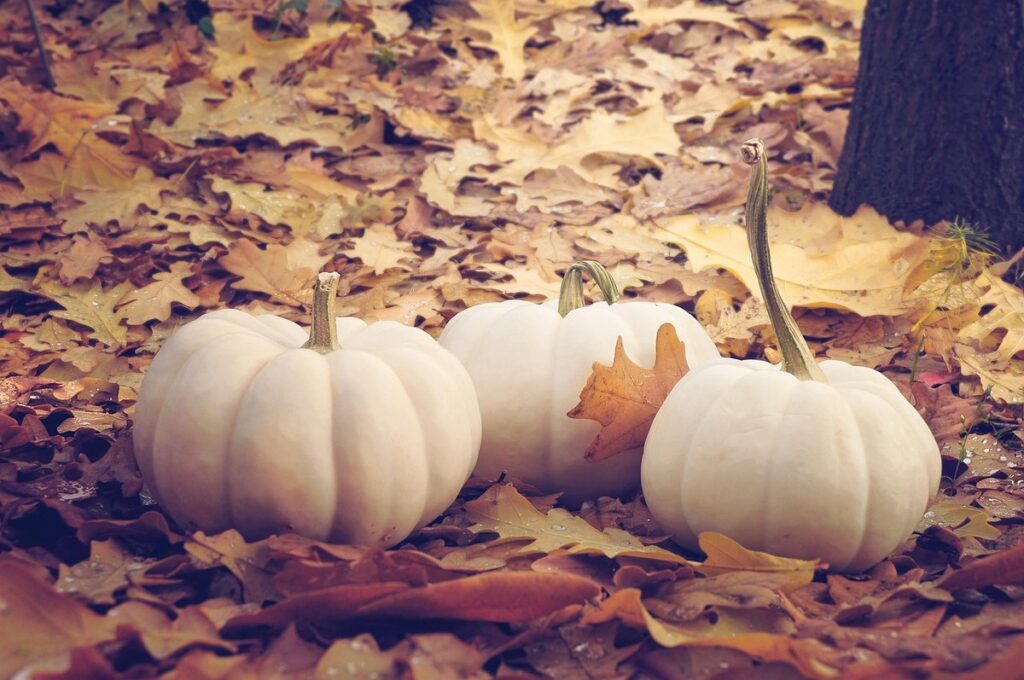
As the fall season approaches, our gardens transform into a kaleidoscope of warm colors and textures. To add an extra layer of autumnal charm to your outdoor space, consider incorporating seasonal materials like pumpkins, gourds, and fallen leaves into your garden decor.
Pumpkins and gourds are not only a staple of fall decorations but also make great DIY projects for your garden. Paint or stencil them with vibrant colors and patterns to create unique planters or vases that add a pop of color to your garden beds. You can also use them as a decorative element on your front porch or patio.
Fallen leaves, on the other hand, are a beautiful reminder of the season’s transformation. Collect them in large bowls or vases and place them near your garden entrance or along pathways to create a warm and inviting atmosphere. You can also use them to create a natural mulch for your plants by layering them around your garden beds.
To take your seasonal decor to the next level, consider combining these materials with other fall-themed elements like corn stalks, sunflowers, and berries. By incorporating these simple yet effective touches, you’ll be able to enjoy the beauty of autumn in your own backyard all season long.
Creating a Welcoming Entrance
A welcoming entrance sets the tone for your fall garden, drawing visitors in with its warm and inviting atmosphere. To create a stunning autumnal entrance, start by selecting decorative elements that evoke the season’s cozy spirit.
Consider hanging a wreath made from natural materials like pinecones, twigs, or dried flowers at your garden’s entrance. This will immediately signal to guests that they’re entering a seasonal wonderland. Alternatively, opt for lanterns in autumnal hues like orange, yellow, and red to add warmth and ambiance.
Autumn-themed planters are another great way to create a welcoming entrance. Fill large pots with mums, asters, or sedum, which bloom beautifully during the fall season. You can also use smaller planters to tuck in some hardy perennials like pansies or violas for added color and texture.
Remember, the key is to keep your decorative elements balanced and harmonious with your garden’s overall aesthetic. Mix and match these ideas to create a unique entrance that reflects your personal style and invites guests to explore your fall garden.
DIY Projects for Fall Gardens
As we head into fall, why not take advantage of the season’s crisp air and mild temperatures to tackle some fun DIY projects that’ll enhance your garden’s beauty and functionality this autumn. Get creative!
Building a Garden Bridge
When designing a garden bridge, consider repurposing materials like reclaimed wood and metal to create a one-of-a-kind feature that complements your fall garden. Start by selecting sturdy beams from reclaimed wood for the base and sides of the bridge. Use metal pipes or repurposed metal rods to provide structural support and create a unique design element.
To add a touch of warmth, stain the wooden planks with an earthy tone that blends seamlessly into the surrounding foliage. For a more dramatic effect, paint the metal supports in a contrasting color to create visual interest. Install a series of wooden slats or steel grating for a walkable surface. Secure the bridge’s sides and base using weather-resistant screws or bolts.
To incorporate fall-themed elements, add some seasonal decorations like pumpkins, corn stalks, or dried leaves around the bridge’s pillars. You can also plant trailing vines like clematis or ivy along the bridge’s edges to create a lush canopy during the winter months. By repurposing materials and adding seasonal accents, you’ll create a charming garden bridge that celebrates the beauty of fall.
Creating a Fairy Garden
As the weather cools down, why not create a whimsical fairy garden in your fall landscape? This enchanting feature is sure to delight both children and adults alike. To get started, choose a spot with partial shade and well-draining soil, as fairies prefer their homes to be dry and cozy.
When selecting miniature furniture for your fairy garden, consider using natural materials like twigs, pinecones, and river rocks. You can also repurpose items from your own home, such as an old teapot or a tiny chair. For instance, you can use a small wooden bench as a seating area or a ceramic mushroom as a whimsical planter.
Some popular fairy garden accessories include miniature doors, bridges, and pathways made of stone or wood. Don’t forget to add some soft, lush foliage like moss or succulents to create a soothing atmosphere. To make your fairy garden truly magical, incorporate a few hidden surprises, such as a tiny treasure chest or a fairy-sized bell that rings when touched.
With these simple tips, you can create a charming and inviting fairy garden that will be the perfect addition to your fall landscape.
Enjoying Your Fall Garden
As you wrap up the growing season, it’s time to reap the rewards of your hard work and enjoy the beauty of your fall garden. Let’s explore ways to make the most of this lovely season!
Hosting a Harvest Party
As the fall season comes to a close, what better way to celebrate the harvest than by hosting a party in your very own garden? A harvest-themed event is the perfect excuse to invite friends and family over to enjoy the fruits of your labor – literally. With some careful planning, you can create an unforgettable experience for all who attend.
For the menu, consider dishes that feature seasonal produce in abundance. Think pumpkin soup, apple crisp, or roasted vegetables like squash and Brussels sprouts. You could also set up a DIY station where guests can make their own harvest-inspired cocktails using ingredients like apple cider, cinnamon sticks, and citrus fruits. Don’t forget to incorporate plenty of warm, comforting treats like hot cocoa, donuts, or fresh-baked bread.
Entertainment-wise, think autumnal activities that bring people together. Set up a pumpkin-carving station, host a bonfire with s’mores and spooky stories, or have a friendly game of cornhole or horseshoes in the garden. Whatever you choose, be sure to incorporate plenty of cozy touches like twinkling lights, warm blankets, and a crackling fire pit to create an inviting atmosphere that invites guests to linger long after dinner’s done.
Exploring the Season with Family and Friends
As fall settles in, there’s no better time to share your garden with loved ones. Invite family and friends over for a fun-filled day of exploration and discovery in the great outdoors. One activity that’s sure to delight both kids and adults is a nature walk or scavenger hunt through your garden.
Create a list of items to find, such as specific types of leaves, fruits, or flowers, and see who can spot the most. This not only encourages physical activity but also fosters teamwork and friendly competition. You could also set up a “fall-themed” photo booth using props like scarves, hats, and fake pumpkins.
To take it to the next level, consider hosting a potluck dinner or picnic in your garden. Invite everyone to bring their favorite fall-inspired dish, and enjoy the fruits of your labor together. As you dine under the autumn foliage, reflect on the beauty and bounty of the season, and cherish the memories made with those closest to you.
Remember to make it a sensory experience by incorporating warm drinks like apple cider or hot chocolate into the celebration.
Frequently Asked Questions
What are the best vegetables to plant for a fall harvest, considering my region’s climate and soil type?
Cool-season crops like broccoli, cauliflower, kale, and carrots tend to thrive in temperatures between 40°F (4°C) and 70°F (21°C). Be sure to choose varieties that mature within 50-60 days or less, as the growing season is typically shorter in fall. You can also consider planting garlic, onions, and potatoes for a bountiful harvest.
How do I incorporate seasonal color into my garden without breaking the bank?
You don’t need to spend a fortune to add vibrant colors to your fall garden! Consider using natural elements like leaves, branches, and pinecones to create a warm and inviting atmosphere. You can also repurpose items like mason jars, twine, and candles to create DIY decorations that fit your autumnal theme.
Can I still use my summer garden beds for a fall garden, or do I need to start from scratch?
While it’s true that some vegetables prefer fresh soil, you can still reuse your summer garden beds for a fall harvest. Just make sure to add a layer of compost or well-rotted manure to replenish the soil’s nutrients and improve drainage.
How do I protect my plants from pests and diseases in the cooler months?
As temperatures drop, pests like aphids, slugs, and snails become more active. To keep them at bay, use row covers or fine mesh to prevent damage, and consider introducing beneficial insects like ladybugs or lacewings to your garden. Regularly inspect your plants for signs of disease, and treat fungal infections promptly with organic fungicides.
Can I still host a harvest party in my small backyard, even if it’s just for close friends?
Absolutely! Even the smallest space can be transformed into a cozy gathering spot with some creativity and planning. Consider setting up a fire pit or string lights to create ambiance, and use natural materials like hay bales, pumpkins, and cornstalks to add visual interest.