
Do you love the tangy crunch of homemade pickles, but want to try something new? Look no further than our dill seed pickle recipe guide! For centuries, dill seeds have been used to add a unique flavor and aroma to traditional pickling recipes. Not only do they offer a distinct twist on classic dill pickle flavors, but they’re also packed with nutrients and easy to incorporate into your favorite recipes.
In this article, we’ll take you through the history of using dill seeds in pickling, share our expert tips for success, and provide two delicious recipes to get you started. From the basics of pickling to advanced techniques, we’ve got everything you need to become a pickle-making pro. Whether you’re a seasoned chef or just starting out, our guide will walk you through every step of making mouth-watering dill seed pickles that are sure to impress friends and family alike!
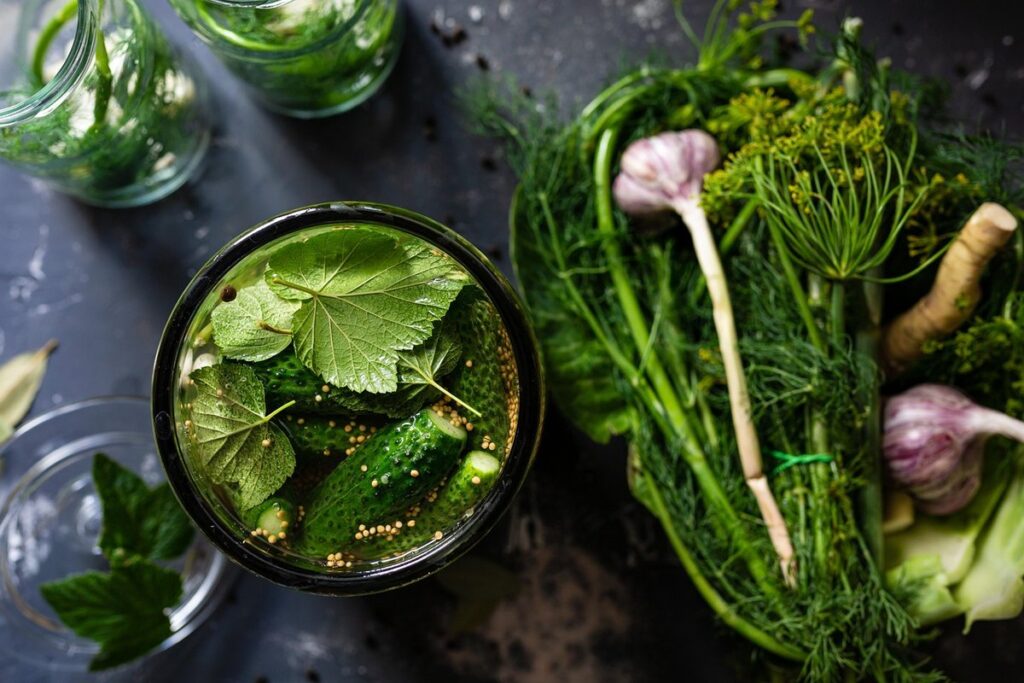
What are Dill Seed Pickles and Why You’ll Love Them
So, you’re curious about dill seed pickles and why they’ve become a favorite among pickle enthusiasts. Here’s what sets them apart from other types of pickles.
Benefits of Using Dill Seeds in Pickling
When it comes to adding that extra oomph to your pickling game, dill seeds are a great place to start. Not only do they bring a unique flavor profile to the table, but they also pack some serious health benefits.
The flavor of dill seeds is often described as more subtle and less pungent than fresh dill, making them perfect for those who want to add depth without overwhelming their pickles. To get the most out of your dill seeds, be sure to toast them lightly before adding them to your jar – this will bring out their natural oils and intensify their flavor.
In terms of health benefits, dill seeds are a rich source of antioxidants and have been shown to have anti-inflammatory properties. They also contain vitamins A and C, as well as minerals like potassium and manganese. When used in pickling, dill seeds can help to preserve your vegetables while adding nutrients and flavor. Some studies even suggest that the compounds found in dill seeds may have antibacterial properties, making them a great addition to any homemade pickle recipe.
Types of Dill Seeds for Pickling
When it comes to making delicious dill seed pickles, the type of dill seeds you use can greatly impact their flavor and texture. There are three main types of dill seeds: brown, white, and yellow. Each has its own unique characteristics that set it apart from the others.
Brown dill seeds have a slightly sweeter and nuttier flavor compared to white dill seeds. They’re also larger in size, which can affect the overall texture of your pickles. If you prefer a milder pickle flavor, brown dill seeds might be the way to go. On the other hand, if you like a more robust flavor, white dill seeds are the better choice.
Yellow dill seeds have a distinctive citrusy flavor and aroma that pairs well with many types of vegetables. They’re also smaller in size than brown or white dill seeds, which can result in a slightly crunchier pickle texture.
To get the most out of your dill seed pickles, it’s essential to choose high-quality dill seeds that are fresh and aromatic. You can find these at most grocery stores or online. When substituting different types of dill seeds, keep in mind that the flavor profile will change, so adjust your seasoning accordingly. For example, if you’re using yellow dill seeds, you may want to add a bit more salt or sugar to balance out the citrusy taste. Experiment with different types and find the perfect combination for your taste buds.
History of Dill Seed Pickles: A Journey Through Time
Let’s take a walk through the fascinating history of dill seed pickles, from ancient recipes to modern twists and traditions that continue to influence pickle-making today.
Origins of Dill Seed Pickling in Eastern Europe
Dill seed pickling has a rich history in Eastern European cuisine, particularly in countries like Poland, Russia, and Ukraine. This traditional method of preserving vegetables dates back to the Middle Ages, when it was used as a way to store food for the long winter months. Dill seeds were valued not only for their flavor but also for their medicinal properties.
In these cultures, pickling was an art form that required patience, skill, and attention to detail. Women would spend hours preparing vegetables, carefully selecting the freshest produce and creating unique blends of spices and herbs. The use of dill seeds was particularly significant in Polish cuisine, where they were used to make traditional dishes like sauerkraut and pickled cucumbers.
To replicate this traditional method at home, try using a ratio of 1:1 for dill seeds to water, allowing the mixture to steep for several hours before adding your vegetables. This will infuse them with the characteristic flavor and aroma that Eastern Europeans love. Experiment with different combinations of spices and herbs, like garlic or mustard seeds, to create unique flavors that reflect your personal taste. By mastering this traditional method, you’ll be able to craft delicious dill seed pickles that are reminiscent of Eastern Europe’s rich culinary heritage.
Evolution of Dill Seed Pickle Recipes Over Time
As we delve into the history of dill seed pickles, it’s fascinating to see how recipes have evolved over time while still maintaining their traditional essence. From our ancestors’ simple yet effective methods to modern-day twists and experimentation, dill seed pickle recipes have undergone significant transformations.
One key aspect of this evolution is the incorporation of new ingredients and techniques. For instance, in the early 20th century, pickling became a popular method for preserving food during times of scarcity. Home cooks began experimenting with various combinations of spices and seasonings to create unique flavor profiles. Today, we see the inclusion of ingredients like garlic, mustard seeds, and coriander in traditional dill seed pickle recipes.
Another notable trend is the rise of modern techniques such as quick pickling, where vegetables are submerged in a brine solution for just 30 minutes to an hour before serving. This method has opened up new possibilities for creative flavor combinations and textures. To adapt these trends into your own recipe, consider adding fresh herbs like parsley or dill sprigs to create a bright, summery taste experience.
The evolution of dill seed pickle recipes not only reflects changing tastes and culinary techniques but also the cultural exchange that occurs through food. As people from diverse backgrounds share their unique traditions and flavor profiles, our understanding of pickling expands. By embracing this rich history and adapting it to your own palate, you’ll unlock new possibilities for creating delicious and authentic dill seed pickles.
Preparing for Success: Essential Tools and Ingredients
To make the perfect dill pickles, you’ll need a few essential tools and ingredients that will help you get started on your preservation journey. Let’s take a look at what you should have on hand.
Choosing the Right Cucumbers for Pickling
When it comes to making delicious dill seed pickles, the quality of the cucumbers is crucial. You want to choose cukes that are specifically suited for pickling, as they’ll yield the best flavor and texture.
First, consider the size and shape of the cucumbers. For traditional dill seed pickles, look for slender, long cukes with a narrow shoulder and a pointed end. These varieties will hold their shape well during the pickling process and have just the right amount of crunch.
Next, examine the skin quality of the cucumbers. A smooth, thin skin is ideal as it will help the pickling liquid penetrate evenly and prevent any bitterness from seeping in. Look for cukes with a light green or pale yellow color – these will be less bitter than their darker counterparts.
When selecting your cucumbers, choose ones that are firm but not hard, as they’ll retain their texture after pickling. Avoid any cukes with visible blemishes, soft spots, or signs of mold, as these can impact the flavor and safety of your pickles.
Must-Have Equipment for Home Picklers
When it comes to making delicious dill seed pickles at home, having the right equipment is crucial. I know it can be overwhelming to navigate the world of canning and preserving, but don’t worry, we’ve got you covered. To get started, you’ll need some essential tools that will help you achieve perfect pickles every time.
First and foremost, you’ll need clean glass jars with tight-fitting lids. Look for jars specifically designed for canning or pickling, as they’re made to withstand the acidity of the pickling liquid. You’ll also need a jar lifter to make it easier to handle hot jars. This is a must-have tool that will save you from burning your hands.
In addition to jars and lids, you’ll need some basic utensils like a large pot for boiling water, a strainer or colander for packing the pickles, and a clean cloth or paper towels for wiping down surfaces. Don’t forget a set of measuring cups and spoons, as accuracy is key when it comes to canning.
When shopping for equipment, consider investing in a canner or a large pot with a rack. These will make the process much easier and safer. Remember, practice makes perfect, so don’t be discouraged if your first batch doesn’t turn out exactly as you hoped. With time and patience, you’ll master the art of making delicious dill seed pickles at home!
The Art of Dill Seed Pickling: A Step-by-Step Guide
To get started, let’s dive into the nitty-gritty of making dill seed pickles, covering essential steps and techniques for achieving perfectly preserved flavor and crunch. Follow along to master this simple process.
Preparing the Brine for Dill Seed Pickles
To create the perfect brine for your dill seed pickles, you’ll need to combine vinegar, salt, sugar, and spices. The standard ratio is 1 cup of water to 1 tablespoon of kosher salt, which helps draw out moisture from the vegetables. You can also add 1 tablespoon of granulated sugar to balance the flavors.
For a more flavorful brine, use white wine vinegar or apple cider vinegar instead of regular white vinegar. These types of vinegar will give your pickles a slightly sweeter and more complex taste. You can also add aromatics like garlic cloves or whole spices such as black peppercorns or coriander seeds to the brine for added depth.
When it comes to personalizing your brine, feel free to experiment with different spice combinations. Some ideas include adding a pinch of red pepper flakes for heat or a few sprigs of fresh dill for an extra burst of flavor.
Adding Fresh Dill Seeds to the Brine
Adding fresh dill seeds to the brine is a crucial step in creating the perfect dill seed pickles. To maximize their flavor and aroma, it’s essential to use the right amount of fresh dill seeds and incorporate them at the right time.
For optimal results, add 1/4 cup of fresh dill seeds to your brine mixture for every quart of water used. You can adjust this quantity based on personal preference, but this is a good starting point. Fresh dill seeds have a more delicate flavor than dried ones, so use them sparingly to avoid overpowering the pickles.
When adding the fresh dill seeds, make sure they’re completely submerged in the brine. This will help release their oils and flavors into the liquid. To ensure even distribution, let the mixture sit for at least 30 minutes before transferring it to a jar or container with the cucumbers. This will allow the flavors to meld together and create that perfect balance of tangy and fresh.
By incorporating fresh dill seeds in this way, you’ll unlock the full potential of their flavor and aroma, resulting in pickles that are truly irresistible.
Tips and Variations: Taking Your Dill Seed Pickles to the Next Level
Now that you’ve mastered the art of making classic dill seed pickles, let’s get creative and explore some exciting variations to take your recipe to the next level.
Experimenting with Spices and Herbs for Added Flavor
When it comes to creating unique dill seed pickle flavors, experimenting with different spices and herbs is where the magic happens. You can try adding a pungency boost with minced garlic, but be mindful of the amount as it can quickly overpower the delicate flavor of dill. A small teaspoon of garlic added during the pickling process will give your dill seeds a nice depth without overwhelming them.
Mustard seeds are another great addition to explore. They add a subtle nutty and slightly spicy kick that complements dill beautifully. Start with a small amount, about 1/4 teaspoon per jar, as mustard seeds can be quite potent.
Coriander is also an excellent herb to pair with dill, offering a citrusy freshness that will elevate your pickles. Use the ground version for a more pronounced flavor or opt for whole coriander seeds if you prefer a milder taste. Experimenting with different spice and herb combinations allows you to create distinctive flavors that set your dill seed pickles apart. So don’t be afraid to get creative and adjust quantities based on personal preference – it’s all about finding the perfect balance of flavors!
Using Dill Seed Pickles in Creative Ways Beyond Sandwiches
Dill seed pickles are incredibly versatile and can add a tangy burst of flavor to a wide range of dishes beyond traditional sandwiches. One way to get creative with dill seed pickles is by using them as a topping for salads, soups, or main courses.
For example, try adding thinly sliced dill seed pickles on top of a classic Greek salad or a bowl of creamy tomato soup. The tangy flavor of the pickles pairs perfectly with the richness of feta cheese and olives in the salad, while adding a nice acidity to the soups. You can also use dill seed pickles as an ingredient in main courses like grilled meats or fish.
Some ideas for using dill seed pickles in creative ways include:
* Adding diced dill seed pickles to your favorite pasta sauce or salsa for a burst of flavor
* Using them as a topping for burgers, hot dogs, or sausages for added crunch and tang
* Mixing chopped dill seed pickles into Greek yogurt or sour cream for a tasty dip or spread
* Adding sliced dill seed pickles to your breakfast plate with scrambled eggs, bacon, or hash browns
Storage and Shelf Life: Keeping Your Dill Seed Pickles Fresh
To keep your dill seed pickles fresh for a longer period, it’s essential to understand how to store them properly and extend their shelf life. Proper storage techniques will help maintain their flavor and texture.
Proper Storage Techniques for Pickled Cucumbers
To maintain the crunchy texture and tangy flavor of your dill seed pickles, proper storage is crucial. When it comes to storing your pickles, there are two main options: refrigerator storage and shelf storage.
For optimal freshness, store your pickles in the refrigerator as soon as possible after canning or processing. Keep them away from strong-smelling foods like onions and fish, as they can absorb odors easily. Store jars with their lids loosely twisted to allow for air circulation and prevent the buildup of pressure.
If you need to store pickles on a shelf, ensure that the area is cool, dry, and dark. Avoid storing them near direct sunlight or heat sources, as this can cause the pickling liquid to break down and affect flavor. Check on your stored pickles regularly for any signs of spoilage, such as mold, slime, or an off smell.
It’s essential to note that shelf storage is only recommended for short-term storage (up to 3 months) and should be transferred to the refrigerator once opened. Regularly check the lids for any signs of leakage or swelling, which can indicate spoilage.
Signs of Spoilage and How to Prevent It
As you store your freshly made dill seed pickles, it’s essential to keep an eye out for signs of spoilage. Moldy or slimy texture, off-putting odors, and color changes are all indicators that something has gone wrong. Check for any visible mold, which can appear as white or greenish patches on the surface of the pickles.
If you notice these warning signs, it’s crucial to discard the affected jars immediately to prevent the spoilage from spreading to other pickles. Regularly inspect your storage area, especially after a few weeks, when the risk of contamination increases due to warmer temperatures and higher humidity.
To prevent spoilage altogether, maintain proper storage conditions: keep them away from direct sunlight, heat sources, and moisture. Store jars in a cool, dark place with consistent temperatures between 32°F and 40°F (0°C and 4°C). Ensure that the lids are tightly sealed to prevent air from entering the jar and promoting bacterial growth.
By being vigilant about storage conditions and regularly inspecting your pickles, you can enjoy your delicious homemade dill seed pickles for several months.
Frequently Asked Questions: Common Concerns Addressed
We’ve received many questions from enthusiastic pickle makers, so we’re addressing some common concerns to ensure your dill seed pickles turn out perfectly every time. Let’s tackle them together!
Troubleshooting Common Issues with Dill Seed Pickling
One of the most frustrating things that can happen when making dill seed pickles is encountering cloudy brine. This can be caused by a variety of factors, including inadequate salt content, contamination, or even using old or low-quality vinegar. To troubleshoot this issue, check the recipe’s salt and acidity levels to ensure they’re within the recommended ranges. If you suspect contamination, discard the affected batch and start again with fresh ingredients.
If your cucumbers are looking unripe, it may be due to factors like inconsistent soil temperature, watering issues, or even harvesting too early. To avoid this problem, choose cucumbers that are firm but slightly yielding to pressure – they should snap easily when bent in half. Regularly inspect the plants for signs of nutrient deficiencies, pests, or diseases that could impact fruit quality.
To prevent cloudy brine and unripe cucumbers, maintain a consistent harvesting schedule, monitor soil conditions closely, and ensure proper storage and handling practices are followed from the moment they’re picked until the final jar is sealed.
Best Practices for Scaling Up Your Dill Seed Pickle Recipe
Scaling up your small-batch dill seed pickle recipe requires some adjustments to ensure that your pickles remain crunchy and flavorful. When tripling or quadrupling the recipe, it’s essential to maintain a balance between ingredients and liquid proportions. To achieve this, increase the brine volume by about 25% for every doubling of the recipe size.
Another crucial aspect is ensuring that your large batch of dill seed pickles cools quickly after processing. This can be achieved by using smaller jars or containers, allowing for more surface area exposure to air. Additionally, you may need to adjust the cooling time based on the quantity and thickness of the pickle slices.
When working with larger batches, it’s also vital to maintain consistent temperatures throughout the entire process. Monitor your equipment and make adjustments as needed to prevent temperature fluctuations that could compromise the quality of your pickles.
To avoid over-processing or under-salting in large quantities, consider using a thermometer to monitor brine temperature and salinity levels. This will help you achieve optimal conditions for preserving and flavor development.
Frequently Asked Questions
Can I use dill seed pickle recipe with different types of cucumbers?
You can experiment with various cucumber varieties, but for the best results, choose a pickling-type cucumber like Kirby or Cornichon. These compact cucumbers have a higher water content and thinner skin, making them perfect for quick pickling.
How long does it take for dill seed pickles to be ready after preparing the brine?
The wait is worth it! After preparing the brine with fresh dill seeds, allow your pickles to sit at room temperature (about 70°F to 75°F) for 24-48 hours before refrigerating. This step allows the flavors to meld together.
What’s the ideal storage method for dill seed pickles to maintain their crunch and flavor?
To keep your dill seed pickles crunchy, store them in a clean glass jar with a tight-fitting lid, leaving about 1 inch of space at the top. Keep the jar refrigerated and consume within 6-8 weeks.
Can I use dried or ground dill seeds instead of fresh ones for my pickle recipe?
While dried dill seeds can work in a pinch, fresh dill seeds offer a more vibrant flavor and aroma. If you only have dried dill seeds, use about half the amount called for in the recipe and toast them lightly before adding to enhance their flavor.
How do I prevent spoilage and maintain food safety when making dill seed pickles?
To ensure your pickles stay fresh and safe to eat, always use a clean environment, wash your hands thoroughly, and follow proper canning procedures (if you choose to can). Regularly inspect your pickles for signs of spoilage, such as mold or sliminess.