
If you’re like most container gardeners, you know that the right soil can make all the difference between a bountiful harvest and a disappointing yield. But with so many options available, it’s easy to get overwhelmed. Whether you’re a seasoned pro or just starting out, choosing the best soil for your container vegetables is crucial. In this article, we’ll take a closer look at some top-performing soil mixes for container vegetable gardening, including both organic and inorganic options. We’ll also share DIY recipes for making your own soil mix from scratch, as well as expert tips on how to properly maintain and test your soil for optimal results. Whether you’re growing lettuce, tomatoes, or peppers, we’ve got you covered with the insider knowledge you need to succeed.
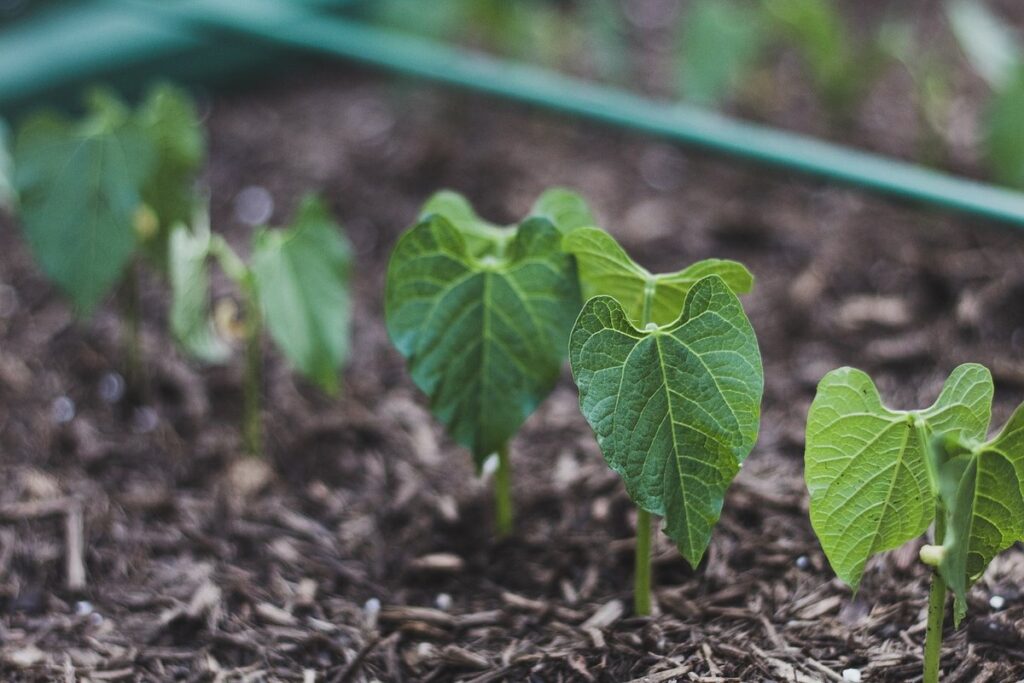
Choosing the Right Soil Type
When selecting soil for container vegetable gardening, it’s essential to choose a type that provides optimal drainage and nutrient retention, supporting healthy plant growth. This decision is crucial for a thriving garden.
Importance of Soil in Container Gardening
When it comes to container vegetable gardening, soil is often overlooked as a crucial component. However, it plays a vital role in determining the success of your plants. Soil provides nutrients, structure, and water-holding capacity that directly affect plant growth.
The right type of soil can make all the difference between a thriving harvest and struggling plants. For example, using a well-draining potting mix can prevent root rot, which is common in containers where water tends to collect. On the other hand, using garden soil straight from your yard can compact and prevent roots from growing.
The benefits of using the right type of soil are numerous. It improves nutrient availability, reduces the risk of plant diseases, and promotes healthy microbial activity. This, in turn, leads to stronger, more robust plants that can better withstand pests and environmental stressors.
In addition to choosing the right potting mix, consider adding organic matter like compost or worm castings to enhance soil fertility and structure. These amendments can help adjust pH levels, improve water retention, and support beneficial microorganisms. By selecting the best soil for your container garden, you’ll be setting yourself up for a bountiful harvest and happy, healthy plants.
Common Types of Potting Soils
When it comes to choosing the right potting soil for container vegetable gardening, understanding the different types of soils available is crucial. There are three primary categories: organic, inorganic, and specialty soils.
Organic potting soils are made from natural ingredients such as peat moss, compost, and worm castings. These soils are ideal for vegetable gardens because they retain moisture well, suppress diseases, and support beneficial microbial activity. However, they can be more expensive than their inorganic counterparts.
Inorganic potting soils, on the other hand, are made from synthetic materials like perlite, vermiculite, and sand. They provide excellent drainage and aeration but may lack nutrients and organic matter. Inorganic soils are often used for seed starting and cuttings but can be less suitable for long-term vegetable gardening.
Specialty potting soils cater to specific needs, such as hydroponic or succulent gardens. These soils usually contain unique ingredients that enhance water retention, suppress weeds, or provide specific nutrients. For container vegetable gardening, a balanced mix of organic and inorganic materials is often the best choice.
Selecting a Soil for Specific Vegetables
When it comes to growing vegetables in containers, selecting the right soil is crucial for optimal results. Different vegetables have unique requirements when it comes to pH levels, nutrient needs, and drainage considerations. For instance, tomatoes thrive in slightly acidic to neutral soil with a pH range of 6.0-7.0. On the other hand, leafy greens like lettuce and kale prefer well-draining soil with a pH between 6.1-6.5.
Root vegetables such as carrots and beets require a deeper depth of soil to accommodate their taproots. In this case, a loam or sandy loam mix is ideal for good drainage and root development. It’s essential to note that some vegetables like broccoli and cauliflower can tolerate slightly acidic soil, but high levels of nitrogen can lead to overgrowth.
To choose the right soil for your specific vegetable, consider the following factors:
• Check the seed package or research online for recommended pH ranges
• Select a potting mix specifically designed for containers with good drainage properties
• Consider adding organic matter like compost or worm castings to enhance nutrient levels and improve soil structure
By taking these factors into account, you can create an optimal growing environment that supports your vegetables’ unique needs.
Organic vs. Inorganic Soils
When choosing the best soil for container vegetable gardening, understanding the difference between organic and inorganic soils is crucial to selecting a suitable option for your plants. Let’s take a closer look at both types.
Benefits of Organic Potting Soils
When it comes to container vegetable gardening, choosing the right potting soil is crucial for healthy plant growth and optimal yields. One of the best options for gardeners looking to create a thriving environment for their veggies is organic potting soil.
One of the primary benefits of using organic potting soils is their natural ingredients. Unlike inorganic soils that may contain synthetic fertilizers, herbicides, or pesticides, organic soils are made from natural materials such as peat moss, coconut coir, and worm castings. These ingredients not only promote healthy microbial activity but also improve soil structure and drainage.
Organic potting soils are also biodegradable, making them a more environmentally friendly choice for gardeners. As they break down, these soils become part of the nutrient-rich ecosystem in your container garden, providing ongoing benefits to your plants without creating waste or contributing to pollution.
By using organic potting soils, you can create a balanced and sustainable growing environment that supports healthy plant growth and promotes soil fertility. This can be especially beneficial for container vegetable gardens, where soil quality can quickly become depleted due to intensive cultivation.
Characteristics of Inorganic Potting Soils
Inorganic potting soils are often preferred by gardeners who want to replicate the benefits of soilless cultivation. These soils typically have a higher water-holding capacity compared to their organic counterparts. This is due to the presence of ingredients like vermiculite, perlite, and peat moss that help retain moisture within the mix. However, this also means inorganic potting soils tend to dry out faster when not used regularly.
In addition to improved water retention, some inorganic potting soils contain added fertilizers that provide a boost of essential nutrients for plants. These can include macronutrients like nitrogen, phosphorus, and potassium as well as micronutrients such as iron, magnesium, and calcium. The inclusion of fertilizers is often seen as an advantage, especially among novice gardeners who may not have the time or knowledge to create their own potting mixes.
Despite these benefits, inorganic potting soils can also be more expensive than organic alternatives. This needs to be taken into account when deciding which type of soil best suits your gardening needs and budget.
When to Use Each Type of Soil
When deciding between organic and inorganic soils for container vegetable gardening, it’s essential to consider the specific needs of your plants. If you’re starting seeds indoors, a high-quality seed starting mix is crucial. This type of soil should be sterile, prevent fungal diseases, and promote healthy root growth.
For seedlings that need to develop strong roots before transplanting outdoors, organic potting mixes with added beneficial microbes can provide the necessary boost. These soils tend to retain moisture better than inorganic options, reducing watering frequency for young plants.
Plants like tomatoes and peppers require high nutrient levels to thrive. In this case, an inorganic soil mix specifically formulated for fruiting vegetables can be a good choice. These mixes are designed to meet the nutrient demands of heavy-producing plants and often contain added fertilizers that promote optimal growth.
Ultimately, consider your specific gardening needs when deciding between organic or inorganic soils.
DIY Soil Mixes for Container Gardening
Let’s get creative and mix up our own soil blends specifically tailored to container gardens, where space is limited but flavor counts! This section shares easy recipes to make your own DIY soil mixes.
How to Make a Basic Potting Soil Mix
To make a basic potting soil mix for container vegetable gardening, you’ll need a few simple ingredients. Start with 40% peat moss or coconut coir, which provides excellent water retention and structure to the mix. Next, add 20% compost, rich in nutrients and beneficial microbes that will help your vegetables thrive. Perlite or vermiculite make up another 20%, helping to improve drainage and prevent waterlogged soil.
You can also add a small amount of worm castings or well-rotted manure for extra fertilizer value. Just be sure to mix them well with the other ingredients to avoid clumping. If you’re looking to optimize your mix for specific plants, consider adding 1-2% dolomitic limestone for acid-loving vegetables like tomatoes and peppers.
Remember, the key to a great potting soil mix is balance. You want it to retain moisture but also drain excess water quickly. Aim for a mix that’s roughly 40-50% solids, with the rest made up of air pockets and water. With these simple ingredients and a bit of know-how, you can create your own effective potting soil mix at home.
Customizing Your DIY Soil Mix
When creating your own DIY soil mix for container vegetable gardening, it’s essential to consider the unique needs of each plant variety. For example, seedlings require a more delicate balance of nutrients and moisture than established plants. To accommodate this, you can add a balanced fertilizer like fish emulsion or compost tea at a rate of 1-2 tablespoons per gallon of water.
Another crucial factor is pH level adjustment. Most vegetables prefer a slightly acidic to neutral soil pH between 6.0 and 7.0. You can incorporate materials like peat moss, perlite, or vermiculite to adjust the pH. For instance, adding 10-20% of perlite to your mix will help lower the pH, while incorporating more peat moss will raise it.
Some plants, such as tomatoes and peppers, benefit from a slightly higher potassium content in their soil. You can achieve this by adding more organic matter like compost or well-rotted manure. On the other hand, leafy greens like lettuce and spinach prefer a lower nitrogen level to prevent excessive vegetative growth. By tailoring your DIY soil mix with these considerations in mind, you’ll be able to provide each plant with the optimal conditions for healthy growth and development.
To further customize your mix, consider the specific microclimates within your container garden. For example, if a particular area is consistently hot or dry, you may need to add more moisture-retentive materials like coconut coir or use mulch to reduce soil temperature fluctuations.
Soil Testing and Maintenance
To ensure your container garden thrives, it’s essential to test and maintain optimal soil conditions, which we’ll break down for you next.
The Importance of Regular Soil Testing
When it comes to container vegetable gardening, soil testing is often an afterthought. However, it’s crucial for optimal plant growth and high yields. Think of regular soil testing as a health check-up for your garden’s roots. By monitoring the nutrient levels and pH, you can adjust your fertilization and maintenance routine accordingly.
Here are some key things to look out for during your soil test: Nutrient deficiencies, such as nitrogen, phosphorus, or potassium, can be identified through a basic analysis. Soil pH is also crucial; if it’s too high (alkaline) or low (acidic), it may affect nutrient availability and root growth.
To collect a representative sample, mix the top 6-8 inches of soil from different areas of your container garden in equal parts. Send this blend to a lab for analysis. Most gardening stores offer DIY testing kits as well, but be aware that these might not provide detailed information like a professional analysis would.
Remember, a single test is not enough; aim for regular checks every 2-3 months during the growing season. This will help you catch any issues early and adjust your care routine on time.
Strategies for Maintaining Healthy Soil
Maintaining healthy soil in container gardens is crucial for optimal vegetable growth. Repotting is an essential technique to refresh the soil and prevent nutrient depletion. When repotting, use a pot that’s 1-2 sizes larger than the original one, as this allows for better root expansion. This process should be done every 6-12 months, depending on the plant’s growth rate.
To promote healthy root development, prune roots regularly to prevent them from becoming pot-bound. Gently tease apart the roots with your fingers or a blunt instrument, making sure not to damage any of the delicate hairs. This will encourage new growth and increase the plant’s ability to absorb nutrients.
Beneficial microbes play a vital role in soil health, so incorporating them into your container garden is essential. You can purchase beneficial microbe products at most gardening stores or online. These products contain natural bacteria that help break down organic matter, fix nitrogen, and solubilize phosphorus – all of which are essential for plant growth.
Some examples of beneficial microbes include mycorrhizal fungi, Trichoderma harzianum, and Bacillus subtilis. When adding these microorganisms to your soil, make sure to follow the product’s instructions carefully to avoid overloading the system.
Additional Tips for Successful Container Gardening
Now that you’ve chosen your ideal container gardening soil, here are some additional tips to help ensure a thriving and productive harvest from your veggie garden.
How to Improve Drainage in Containers
When it comes to container gardening, ensuring good drainage is crucial to prevent waterlogged soil and root rot. This can be particularly challenging when growing vegetables that require a lot of moisture, like tomatoes or cucumbers.
To improve drainage in containers, start by choosing the right pot size. A larger pot allows for more soil volume, which can help excess water drain out faster. However, make sure it’s not so large that it becomes unwieldy and difficult to move around.
The type of material your container is made from also plays a role in drainage. Unglazed terracotta pots are excellent choices as they allow excess moisture to escape through their porous surface. Avoid using containers with narrow mouths or those made from materials like plastic or metal, which can trap water.
Incorporating materials into your soil mix can also enhance drainage. Perlite and vermiculite are popular additives that improve aeration and water penetration while reducing the likelihood of waterlogging. Add 10-20% perlite to your potting mix to help it breathe and drain excess moisture quickly.
Managing pH Levels in Your Soil Mix
Managing pH Levels in Your Soil Mix is crucial for healthy plant growth and optimal vegetable production. Most plants prefer a slightly acidic to neutral soil pH, ranging from 6.0 to 7.0. However, some vegetables like broccoli, cauliflower, and kale thrive in more alkaline conditions, while others like blueberries and strawberries prefer acidic soils.
To adjust the pH of your potting mix, you can use additives such as peat moss or elemental sulfur to lower the pH, or lime to raise it. It’s essential to monitor your soil’s pH levels regularly by using a soil testing kit or sending samples to a lab for analysis. Aim to maintain an optimal pH range for each specific plant in your container garden.
For instance, if you’re growing leafy greens like lettuce and spinach, aim for a pH between 6.0 and 7.0. For more acidic-loving plants like blueberries, target a pH between 5.5 and 6.5. Regularly monitoring and adjusting the pH of your potting mix will ensure that your vegetables receive the optimal growing conditions to thrive in their containers.
Frequently Asked Questions
How do I know if my container garden is suffering from nutrient deficiencies?
Conduct a soil test to determine the pH level and nutrient content of your soil mix. This will help you identify any deficiencies and make informed decisions about amendments or fertilizers.
Can I use leftover potting soil from an old plant for new vegetable containers?
While it’s tempting to reuse existing soil, this can spread diseases and pests to your new plants. It’s best to start with fresh, sterilized soil mix each time to ensure optimal health and growth.
What are some common mistakes to avoid when making a DIY potting soil mix?
Be cautious of over-amending or under-balancing the pH levels in your custom mix. Regularly test the pH and adjust as necessary to prevent nutrient lockout or toxicity issues.
How often should I re-pot my container vegetables, and what signs indicate they need it?
Typically, repot every 4-6 weeks when plants outgrow their containers. Monitor for signs like root bound, reduced growth, and yellowing leaves, which all indicate the need for fresh potting soil and a larger vessel.
Can I grow sensitive vegetables like lettuce and tomatoes in the same container using different types of soil?
Yes, you can use separate compartments or layers with varying soil mixes to accommodate plants with distinct requirements. This allows for optimal growing conditions while minimizing space.