
Creating your own DIY succulent planter can be a fun and rewarding experience, especially when you’re able to customize it to your taste. However, one of the biggest challenges many people face is knowing exactly how much to spend on supplies or where to start designing their perfect terrarium.
In this guide, we’ll walk you through each step of creating your own DIY succulent planter from scratch, including choosing the right materials and learning some expert tips for designing a visually stunning space. You can expect a comprehensive overview of everything you need to get started, including estimates on the costs involved so that you can budget accordingly. Whether you’re a seasoned crafter or just looking for a new hobby, this DIY project is perfect for anyone who wants to bring a touch of greenery into their home without breaking the bank.
Choosing the Perfect Supplies
When it comes to building your succulent planter, selecting the right supplies is crucial – and we’re about to walk you through what you’ll need. Let’s start by covering the essentials.
Understanding the Basics of Succulent Care
When it comes to creating your own DIY succulent planter, understanding the basics of succulent care is essential. Succulents are incredibly hardy plants that can thrive with minimal maintenance, but they still require some specific conditions to do so.
First and foremost, succulents need bright, indirect light to photosynthesize and stay healthy. Direct sunlight can be too intense for most succulents, especially during the hottest part of the day. East- or west-facing windows are ideal, as they provide gentle, filtered light. If you don’t have a sunny window, you can also use grow lights to supplement your succulent’s lighting needs.
In terms of watering, it’s essential to water your succulents sparingly but thoroughly. Overwatering is the most common cause of death in succulents, so make sure to check the soil moisture before watering. Water your succulents when the top inch of soil feels dry to the touch, and avoid getting water on the leaves or crown to prevent rot.
Temperature-wise, most succulents prefer daytime temperatures between 65-75°F (18-24°C) and nighttime temperatures around 55-65°F (13-18°C). Avoid placing your succulent planter near heating vents, radiators, or drafty windows.
Selecting the Right Container
When it comes to selecting the right container for your succulent planter, there are several options to consider. Glass containers, such as jars or vases, are a popular choice due to their transparency and ability to allow for maximum light penetration. However, they can be prone to water spots and may not be suitable for extreme temperature changes. On the other hand, ceramic containers offer a more rustic, earthy look and can withstand varying temperatures.
Another consideration is the material’s breathability. Succulents need good air circulation to thrive, so choose a container with drainage holes to prevent waterlogged soil. Some glass containers come with built-in drainage systems or can be adapted with inserts. Ceramic containers often have pre-drilled holes for drainage. For example, apothecary jars are a stylish option that frequently include built-in drainage systems.
Ultimately, the right choice will depend on your personal style and the specific needs of your succulent. If you’re looking for a low-maintenance option, consider a glass container with good air circulation. If you prefer a more rustic look, ceramic is a great alternative.
Gathering Essential Tools and Materials
To create a stunning DIY succulent planter, you’ll need to gather some essential tools and materials. Don’t worry; we’ve got you covered with this comprehensive list.
First and foremost, you’ll need some basic gardening tools like scissors or pruning shears to trim the succulent roots and leaves. A small shovel or trowel will also come in handy for digging and planting the succulents. Make sure your tools are clean and sanitized before using them to avoid any potential harm to your plants.
When it comes to materials, you’ll need a clear glass container or jar with a wide mouth to provide enough space for your succulent roots to grow. You can choose from various shapes and sizes, but keep in mind that the bigger the container, the more space you’ll have to work with. Next, grab some high-quality potting soil specifically designed for cacti and succulents – it’s usually free-draining and contains essential nutrients.
For decorative purposes, consider adding a layer of small rocks or pebbles at the bottom of your container to help with drainage. This will prevent water from accumulating in the soil and causing root rot. You can also use activated charcoal or perlite to improve soil structure and prevent moisture buildup.
Don’t forget to have some sphagnum moss on hand, which will act as a barrier between the soil and the container walls, preventing water from seeping through. Finally, choose your succulent species wisely – they come in various shapes, sizes, and colors, so pick ones that fit your planter’s theme.
To add some visual interest to your planter, you can include decorative items like shells, pinecones, or even miniature figurines. Just be sure not to overcrowd the container, as this can lead to poor air circulation and increased risk of fungal diseases.
Designing Your Succulent Planter
Now it’s time to design your succulent planter! Choose a container that complements your home decor and consider the size of your plants when selecting a vessel.
Considering the Size and Shape of Your Container
When selecting a container for your succulent planter, it’s essential to consider both its size and shape. The right fit will not only ensure that your plants have enough room to thrive but also complement the aesthetic of your space.
Think about the area where your planter will reside – a sunny windowsill or a cozy corner in your bedroom. Choose a container that fits comfortably into the nook, leaving sufficient space for growth and maintenance. A general rule of thumb is to select a planter that’s at least 6-8 inches deep, allowing for proper drainage and root development.
Consider the shape of your container as well. For example, if you have trailing succulents like string of pearls or burro’s tail, a wider, shallower planter will provide ample room for their stems to cascade over the edges. Conversely, compact plants like aloe or echeveria prefer a more upright shape and can thrive in taller, narrower containers.
Ultimately, choose a container that harmonizes with your space and accommodates your plant selection’s unique needs.
Selecting the Perfect Succulents for Your Planter
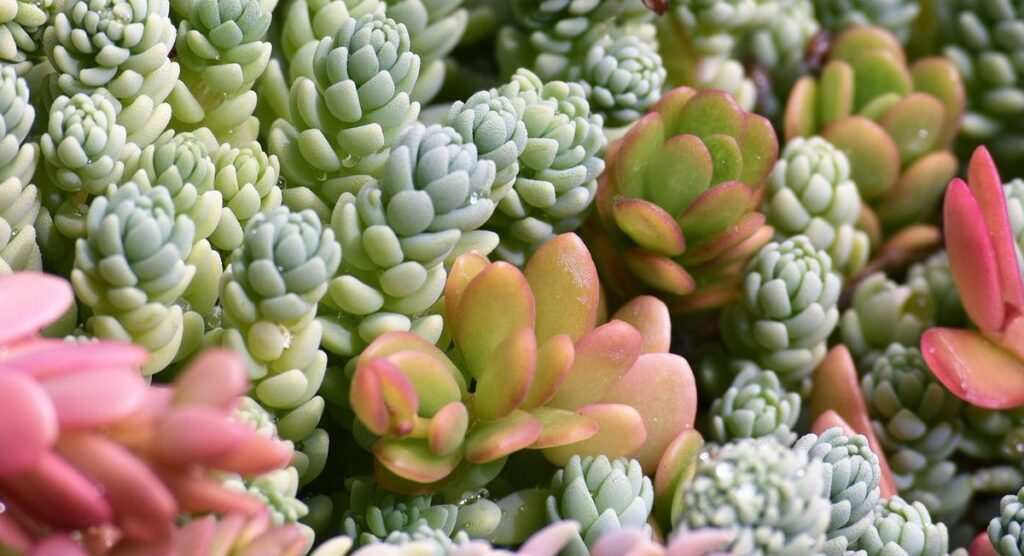
When selecting succulents for your planter, it’s essential to consider their texture, color, and growth habits. A mix of textures will add depth and visual interest to your terrarium. For example, combine a smooth-leaved Echeveria with the fuzzy leaves of a Peperomia or the waxy texture of an Aloe.
Think about the colors you want to feature in your planter. Stick to a monochromatic scheme for a cohesive look or mix bold and pastel shades for a playful vibe. For instance, pair the vibrant purple of a Gasteria with the soft pink of a Graptoveria.
Consider the growth habits of your succulents as well. Choose species that have similar light requirements to ensure they thrive together. Some succulents, like Aloe and Agave, prefer direct sunlight, while others, such as Crassula and Echeveria, tolerate partial shade. Balance these differences by selecting a mix of sun-lovers and shade-tolerant plants.
When in doubt, remember that succulents are forgiving and can adapt to different conditions. With a little experimentation, you’ll discover the perfect combination for your unique planter.
Adding Decorative Touches
Now that you’ve assembled all the components of your DIY succulent planter, it’s time to add some decorative touches. This is where you can get creative and make your terrarium truly unique. The addition of decorative rocks, moss, or other embellishments will not only enhance the visual appeal but also create a harmonious balance with the plants.
When choosing decorative rocks, consider the color palette of your planter and the type of succulents you’re using. For instance, if you have brightly colored succulents, choose rocks that complement their hues. You can use crushed stone, pebbles, or even small ceramic tiles to add texture and depth. Simply arrange them in a decorative pattern or create a layered effect for added visual interest.
Moss is another excellent option for adding a touch of whimsy to your terrarium. Choose between sphagnum moss, which thrives in humid environments, or air moss, which prefers dry conditions. To incorporate moss into your planter, gently place it around the succulents’ roots or create a miniature “garden” within the rocks.
Lastly, consider adding other embellishments like seashells, pinecones, or small figurines to give your terrarium personality. Just be mindful of their size and placement to avoid overwhelming the space.
Creating the Soil Mix
Now that we’ve chosen our plants, let’s create a well-balanced soil mix that will provide them with the perfect blend of drainage and moisture retention. This essential step ensures your succulents thrive in their new home.
Understanding the Importance of a Well-Draining Soil Mix
When it comes to creating a thriving terrarium for your succulents, one of the most crucial aspects is ensuring that the soil mix can handle excess moisture. Succulents are adapted to dry environments and can quickly suffer from root rot if the soil doesn’t drain properly.
A well-draining soil mix is essential because it prevents waterlogged conditions that can lead to fungal diseases and kill your plants. To create a perfect blend, combine one part of perlite or sand with two parts of peat moss or coconut coir. This ratio allows for excellent drainage while retaining just the right amount of moisture.
You can also add some pumice or vermiculite to further enhance drainage properties. Avoid using regular potting soil as it will only retain too much water and cause more harm than good. By mixing your own blend, you’ll have complete control over the composition and ensure that your succulent’s roots are safe from excess moisture.
Mixing the Right Proportions
When mixing the perfect blend of potting soil, sand, and perlite or other drainage materials, it’s essential to get the proportions right. A general rule of thumb is to use 2/3 potting soil, 1/6 sand, and 1/6 perlite or other drainage material. However, this ratio can be adjusted based on your specific succulent’s needs.
For example, if you’re using a succulent that prefers well-draining soil, you may want to increase the proportion of perlite to 1/4 or even 1/2. On the other hand, if you’re working with a more sensitive succulent that requires extra moisture retention, you can reduce the amount of perlite and increase the potting soil.
To ensure proper drainage, it’s crucial to avoid overmixing the ingredients, as this can lead to compacted soil. Instead, gently fold in the sand and perlite into the potting soil using a small trowel or spoon until they’re evenly distributed. This will create a smooth, even texture that allows for optimal water absorption and drainage.
Assembling Your Succulent Planter
Now that you have your planter base and decorative elements, it’s time to start assembling your succulent planter. This is where the magic happens!
Planting Your Succulents
When planting your succulents, gently remove them from their pots and carefully separate the roots if they’ve become tangled. This will give you a better idea of the root system and allow for even growth. You can use a fork or a blunt instrument to gently tease apart any stubborn roots.
Begin by placing a layer of small rocks or pebbles at the bottom of your planter, followed by a thin layer of soil. Arrange the succulents in the container, leaving enough space between each plant for proper air circulation and growth. Don’t overcrowd the planter, as this can lead to root rot and other issues.
Water your plants sparingly after planting, allowing the soil to dry slightly between waterings. This will help prevent any rot from developing in the roots. You can also place a small layer of decorative rocks or sand on top of the soil for added visual interest.
Adding Decorative Elements
Now that you’ve assembled your planter, it’s time to add some decorative elements to make it truly unique and visually appealing. This is where the fun part begins – adding textures, colors, and interest to create a stunning miniature landscape.
Start by adding a layer of small rocks or pebbles at the base of the planter. These tiny stones help with drainage and prevent water from accumulating in the soil. You can also use them as a base for other decorative elements. For example, you could place a few sprigs of dried lavender on top of the rocks to add a pop of color.
Next, consider adding some moss or lichen to the planter. This will not only provide additional texture and interest but also help to create a sense of depth. You can use a small amount of potting soil to anchor the moss in place, making sure it’s secure and won’t fall over time.
Some other decorative elements you might want to consider include shells, pinecones, or even miniature figurines. Just be mindful of the scale and balance – too many objects can make the planter look cluttered and overwhelming. Remember, the goal is to create a visually appealing mini-ecosystem that showcases your succulent plants.
Tips for Success and Maintenance
Now that you’ve created your beautiful DIY succulent planter, here’s how to keep it thriving with a few simple tips and tricks to ensure its long-term health.
Providing Optimal Care for Your Succulent Planter
To ensure your succulent planter thrives, it’s essential to develop a regular maintenance routine. When it comes to watering, remember that succulents are drought-tolerant but still require some moisture. Check the soil by sticking your finger into the soil up to the first knuckle; if it feels dry, it’s time for a drink. Water sparingly, as overwatering can lead to root rot.
Fertilization is also crucial for healthy growth. Use a balanced, water-soluble fertilizer during the growing season (spring and summer) at half the recommended strength. This will promote vibrant color and robust development without burning your succulents’ roots.
Pruning involves removing dead or damaged leaves to maintain appearance and encourage new growth. Use clean scissors or pruning shears to cut off any affected areas, making sure not to damage surrounding plants. By following these simple steps, you’ll be able to provide optimal care for your succulent planter and enjoy its beauty for months to come.
For example, the aloe vera plant can grow quite large if left unpruned; regular trimming keeps it compact and encourages new offsets to form.
Troubleshooting Common Issues
As you enjoy your newly created succulent planter, you may encounter some common issues that can affect the health and appearance of your plants. Don’t worry, these problems are easy to resolve with a little knowledge and care.
One common issue is overwatering, which can lead to root rot and kill your succulents. To prevent this, make sure to check the moisture level in the soil by sticking your finger into the soil up to the first knuckle. If it feels dry, it’s time to water. Water sparingly, as succulents are prone to root rot if the soil is too wet.
Another issue is pests, such as mealybugs and spider mites, that can infest your plants. To get rid of them, use a gentle insecticidal soap or neem oil according to the product’s instructions. You can also prevent pest infestations by spraying the planter with water regularly.
Finally, you may notice that your succulents are not receiving enough light, which can cause them to become leggy and weak. Move the planter to a brighter location or supplement with grow lights to provide the necessary illumination.
By addressing these common issues, you’ll be able to keep your succulent planter thriving and healthy for years to come.
Conclusion and Inspiration
Now that you’ve successfully created your own DIY succulent planter, let’s explore ways to take your terrarium game to the next level.
Showcase of Beautiful DIY Succulent Planters
As you’ve successfully created your own DIY succulent planter, it’s time to get inspired by the creativity of others. Take a look at these stunning examples of beautiful DIY succulent planters that are sure to spark your imagination.
One of the most striking features of a well-crafted terrarium is its unique container choice. Check out this gorgeous glass bottle planter adorned with sea glass and shells, creating a beachy vibe perfect for a coastal-themed room. On the other hand, a wooden planter like this rustic wooden box planter adds warmth and texture to any space.
To create your own visually appealing DIY succulent planter, consider adding some decorative elements such as pebbles, small stones, or even seashells. Not only do they add visual interest, but they also help with drainage and prevent the roots from rotting. Don’t be afraid to experiment with different colors, textures, and materials – after all, that’s what makes DIY so fun!
Final Tips and Encouragement to Get Creative
Now that you’ve made it through our step-by-step guide to creating your own DIY succulent planter, we hope you’re as excited as we are about the possibilities of bringing a touch of nature indoors. Don’t be afraid to think outside the box and get creative with your terrarium design! Consider adding unique elements like seashells, pebbles, or even small figurines to give your planter a one-of-a-kind personality.
Remember, the beauty of DIY projects lies in their imperfections, so don’t worry if things don’t turn out exactly as planned. In fact, it’s often the little mistakes that lead to the most interesting and unexpected results. So go ahead, experiment with different combinations of plants, materials, and textures – you never know what hidden gem you might discover.
If you’re feeling stuck or need a little inspiration, try searching for DIY succulent planter ideas online or take a look at some beautiful examples in local nurseries or home decor stores. With a little patience and practice, you’ll be well on your way to becoming a master terrarium creator in no time!
Frequently Asked Questions
How Can I Adapt This DIY Project for a Small or Large Space?
You can adapt this project to fit any space by considering the size and shape of your container, as well as the number of succulents you choose. For small spaces, use compact containers and select smaller succulent varieties. For larger areas, opt for bigger containers and add more succulents.
What If I Don’t Have a Green Thumb? Can Succulents Still Thrive?
Succulents are incredibly hardy plants that can thrive with minimal maintenance. They require infrequent watering, bright indirect light, and well-draining soil. With proper care, even novice gardeners can keep succulents alive and thriving.
How Often Should I Water My Succulent Planter in a Low-Light Environment?
In low-light environments, succulents may not photosynthesize as efficiently, requiring less water. Check the soil moisture by sticking your finger into the soil up to the first knuckle. If it feels dry, water sparingly until the next watering session.
Can I Use Pre-Made Soil Mix or Make My Own?
While pre-made mixes can be convenient, creating your own mix with a combination of perlite, vermiculite, and sand offers better drainage and aeration for succulent roots. If you choose to make your own, follow the recommended proportions in our guide.
How Do I Prevent Pests from Infesting My Succulent Planter?
To prevent pests, regularly inspect your plants for signs of infestation, such as white powdery patches or tiny insects. Use neem oil or insecticidal soap to treat affected areas, and isolate the planter to prevent cross-contamination with other plants.