
Drying your own mint at home is a game-changer for tea enthusiasts. Not only does it save you money, but it also ensures that you have a constant supply of fresh, high-quality leaves to brew with. However, drying mint can be a bit tricky if you’re new to herbalism. If you’ve struggled with preserving your mint or want to learn how to dry it effectively for tea, this guide is for you.
We’ll walk you through the preparation and drying methods you need to know to successfully dry mint at home. From air-drying to oven-drying, we’ll cover all the popular techniques and share some creative recipe ideas to get you started. Whether you’re a seasoned gardener or just starting out with herbal tea, this comprehensive guide will help you unlock the full potential of your mint plants and enjoy delicious, homemade tea all year round.
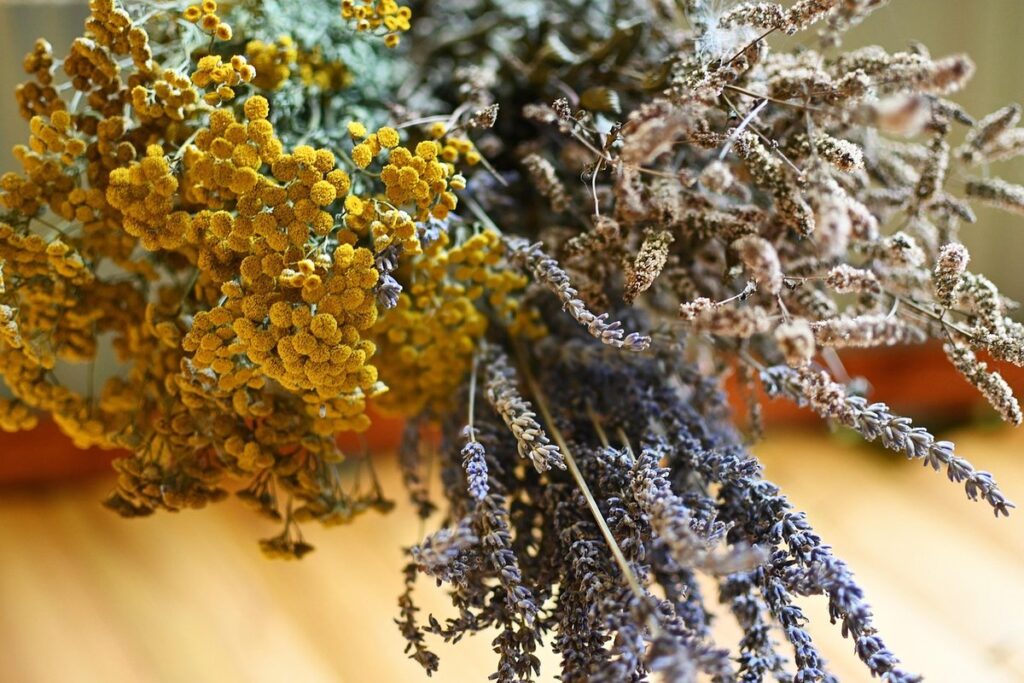
Choosing the Right Type of Mint
With so many varieties of mint, it can be overwhelming to decide which one to use for tea. Let’s take a closer look at some popular types of mint that work well for drying and infusing.
Selecting Fresh Mint Leaves
When it comes to drying mint for tea, choosing the right type of mint is crucial. You may be wondering which variety to use: peppermint, spearmint, or chocolate mint? Each type has its unique characteristics that affect the flavor and aroma of your dried mint.
Peppermint (Mentha piperita) is a popular choice for drying due to its high oil content, which makes it easier to preserve. Its cooling menthol properties also make it ideal for digestive issues. If you’re looking for a classic, refreshing tea flavor, peppermint is an excellent option.
Spearmint (Mentha spicata), on the other hand, has a milder and sweeter taste than peppermint. It’s perfect for those who prefer a less intense mint flavor or want to create a more subtle tea blend. Spearmint is also known for its antioxidant properties, making it a great choice for those seeking a healthier tea option.
Chocolate mint (Mentha x piperita f. citrata ‘Chocolate Mint’), as its name suggests, has a distinct chocolate-like aroma and flavor. It’s a more unusual variety but adds an exciting twist to your dried mint collection. If you’re feeling adventurous or want to create a unique tea blend, give chocolate mint a try.
When selecting fresh mint leaves for drying, choose those with no signs of wilting or browning. Opt for leaves with a vibrant green color and a fragrant aroma to ensure the best flavor and quality after drying.
Factors to Consider When Harvesting
When harvesting fresh mint leaves for drying and tea-making, timing is everything. The ideal time to harvest is just before the plant blooms, as this ensures the leaves are at their peak flavor and aroma. Try to pluck the leaves early in the morning after the dew has evaporated but before the heat of the day.
Check the color and texture of the leaves for optimal harvesting. Choose leaves that are a vibrant green color with no signs of wilting or discoloration. Avoid harvesting during the hottest part of the day, as this can cause the leaves to become brittle and prone to spoilage.
It’s also essential to consider the humidity and temperature conditions when harvesting. A warm, dry climate is ideal for mint growth, but it’s not always possible to control these factors in your garden or growing environment. If you’re harvesting in a humid or rainy climate, be sure to dry the leaves quickly to prevent mold and bacterial growth.
Harvesting at the right time and under optimal conditions will result in fresher, more flavorful leaves that are perfect for drying and using in tea blends.
Preparation is Key: Cleaning and Preparing Mint for Drying
Before moving on to drying your mint, it’s essential to clean and prepare the leaves properly to ensure they dry evenly and retain their flavor. This step is crucial in preserving the quality of your dried mint.
Cleaning Fresh Mint Leaves
Cleaning fresh mint leaves before drying is an essential step to remove dirt, bacteria, and other impurities that can affect their flavor and aroma. To clean fresh mint leaves, start by gently rinsing them under cold running water to dislodge any loose debris. You can also soak the leaves in a bowl of cold water for about 10-15 minutes to help loosen up dirt and contaminants.
Next, use a soft-bristled brush or your fingertips to gently scrub the leaves, making sure to clean both sides evenly. Be gentle, as mint leaves are delicate and can easily bruise or tear. Rinse the leaves thoroughly with cold water to remove any soap residue or remaining debris. To dry the leaves further, you can use a salad spinner or paper towels to blot excess moisture.
Properly cleaning your fresh mint leaves will help preserve their flavor and aroma during the drying process. By taking this extra step, you’ll end up with high-quality dried mint that’s perfect for making tea, infusions, or other herbal concoctions.
Removing Excess Moisture
Removing excess moisture from mint leaves is crucial to ensure that they dry evenly and retain their flavor. To do this, start by gently washing the mint leaves with cold water to remove any dirt or debris. Next, use a salad spinner to remove as much moisture as possible. Simply place the mint leaves in the spinner basket and spin until the excess water is removed.
Alternatively, you can also use paper towels to absorb the moisture. Place a few mint leaves between two sheets of paper towel and gently squeeze out any excess moisture. Repeat this process for all the mint leaves. Be careful not to press too hard, as this can damage the delicate leaves.
It’s essential to remove as much moisture as possible at this stage, as it will help prevent mold from growing during the drying process. If you’re using a salad spinner or paper towels, make sure to check the mint leaves periodically to ensure they’re not retaining too much moisture. With the excess moisture removed, your mint is now ready for the next step: drying!
Drying Methods for Mint: A Comprehensive Overview
Now that you’ve got your mint leaves harvested, it’s time to focus on drying them to perfection – let’s explore the various methods that suit different needs and preferences. We’ll break down each technique in detail next.
Air Drying Method
Air drying mint is a simple and effective method for preserving its flavor and aroma. To air dry mint successfully, you’ll need to choose a location with good airflow and indirect sunlight. Avoid areas with direct sunlight as it can cause the leaves to wilt or become discolored.
Choose a clean and dry surface such as a wire rack or paper bags lined with parchment paper. Spread out the fresh mint leaves in a single layer, making sure they don’t overlap. You can also tie the stems together to facilitate even drying.
Ensure good airflow by placing the mint in an area with a gentle breeze or using a fan to circulate the air. Keep the temperature between 50-70°F (10-21°C) and humidity levels below 60%. Check on the mint every few days, gently turning the leaves to promote uniform drying. It’s essential to dry mint slowly and patiently to preserve its delicate oils.
Air dried mint is ready when it becomes brittle and crumbles easily. Store it in airtight containers to maintain its flavor and aroma for an extended period.
Oven Drying Method
Drying mint in the oven is a straightforward method that requires minimal equipment and effort. To get started, preheat your oven to its lowest temperature setting, usually around 150-200°F (65-90°C). Line a baking sheet with parchment paper or a silicone mat to prevent the mint leaves from sticking. Place the fresh mint leaves in a single layer on the prepared baking sheet.
Monitor the mint’s dryness by checking on it every 15-20 minutes. You can do this by removing a few leaves and letting them cool before touching them. If they still feel damp or flexible, return them to the oven for another 10-15 minutes. It’s essential to avoid over-drying the mint, as this can cause it to become brittle and lose its flavor.
Once the mint is dry and crumbly, remove it from the oven and let it cool completely on the baking sheet. Then, you can transfer the dried mint leaves to an airtight container for storage. This method works particularly well for delicate varieties of mint, such as peppermint or spearmint.
Dehydrator Drying Method
Using a dehydrator is an efficient way to dry mint quickly and with minimal effort. This method is ideal for those who want to preserve large quantities of mint for tea. To start, preheat the dehydrator to its lowest temperature setting (usually around 95°F to 105°F). Next, prepare your fresh mint leaves by washing them gently and patting them dry with a clean towel.
Place the mint leaves in a single layer on the dehydrator trays, making sure not to overlap them. You can also use a food dehydrator sheet to prevent any leaves from sticking together during the drying process. Set the timer according to the manufacturer’s instructions, typically 2-4 hours for small batches of mint. As the mint dries, you’ll notice it will start to shrink and lose its vibrant green color.
Keep an eye on your dehydrator to ensure even drying and prevent over-drying, which can cause the mint to become brittle or develop off-flavors. Once the mint is dry, you can store it in airtight containers for later use.
Tips for Ensuring Proper Dryness
Now that you’ve learned how to dry your mint, it’s time to focus on ensuring it reaches a perfect level of dryness. This is crucial for long-term storage and optimal flavor in your tea.
Monitoring Moisture Levels
To ensure that your dried mint is perfectly dry and ready for tea, it’s crucial to monitor moisture levels. One way to do this is by using a food thermometer. Simply insert the probe into the mint leaves, and you’ll get an accurate reading of the internal temperature. The ideal temperature for drying mint is between 135°F and 140°F (57°C to 60°C). If the temperature exceeds this range, it can lead to a loss of flavor or even fermentation.
Another effective method for checking moisture levels is by using a hygrometer. This device measures the relative humidity in the air, which is essential for drying mint. Aim for a relative humidity level between 30% and 50%. If the humidity is too high, it can slow down the drying process, while low humidity can cause the mint to become brittle.
It’s also important to check on your mint regularly during the drying process. Look for signs of moisture, such as sticky leaves or a musty smell. By monitoring these factors and adjusting your drying time accordingly, you’ll end up with perfectly dry and flavorful mint for tea.
Storage of Dried Mint
Proper storage of dried mint is crucial to preserve its flavor and aroma. Dried mint can be stored for up to 6 months when kept in a cool, dry place away from direct sunlight.
To maintain the potency of dried mint, store it in an airtight container such as glass jars or metal containers with tight-fitting lids. You can also use cloth bags or paper bags lined with parchment paper to store small quantities. Place the container or bag in a dark cupboard or pantry to prevent exposure to light.
If you live in a humid climate, consider storing dried mint in the refrigerator to slow down oxidation and preserve its flavor. However, make sure to check on it periodically to ensure that moisture doesn’t accumulate inside the container.
When storing dried mint, keep it separate from other herbs and spices as their strong scents can transfer to the mint. Label the containers or bags with the date you dried the mint so you can easily track how long it’s been stored. This will help you determine when to use up the stored supply and prevent old mint from being used in tea blends.
Using Dried Mint in Tea: Creative Recipes and Ideas
Now that you have your dried mint, let’s get creative! This section shares unique recipes and ideas for using dried mint in tea to add flavor and excitement to your daily brew.
Basic Dried Mint Tea Recipe
Now that you have dried your mint leaves and stored them properly, it’s time to brew a refreshing cup of tea. Here’s a simple recipe to get you started:
To make a basic dried mint tea, you’ll need the following ingredients:
* 1 teaspoon of dried mint leaves (about 10-15 leaves)
* 1 cup of boiling water
* Honey or sugar (optional)
Instructions are straightforward: simply add one teaspoon of dried mint leaves to a teapot or infuser and pour in boiling water. Let it steep for 5-7 minutes, depending on your desired strength of flavor. Strain the tea into a cup using a tea strainer or by removing the infuser.
You can enjoy this tea as is or add honey or sugar to taste. If you prefer a stronger mint flavor, you can increase the amount of dried mint leaves or steep it for a longer time.
This recipe makes one serving, but feel free to scale up or down depending on your needs. Experiment with different brewing times and flavors to find your perfect cup of dried mint tea!
Infused Water and Teas Blends
Dried mint is an incredibly versatile ingredient that can be used in many ways beyond just steeping it in hot water. One of my favorite things to do with dried mint is infuse it into water for a refreshing and flavorful drink. Not only does infused water add a subtle hint of minty flavor, but it’s also great for digestion and can even help curb sugar cravings.
To make infused water, simply place 1-2 tablespoons of dried mint leaves in a pitcher or jug filled with cold water. Let it sit in the refrigerator for at least 30 minutes to allow the flavors to meld together. You can adjust the amount of mint to your taste, but be careful not to overpower the water.
Another creative way to use dried mint is by blending teas. Try combining dried mint with other herbs like lemon balm or chamomile for a soothing and relaxing tea blend. You can also add a few sprigs of dried rosemary or thyme to create a unique and invigorating flavor profile. Experiment with different combinations to find your perfect cup!
Troubleshooting Common Issues with Drying Mint
Don’t get discouraged if your dried mint doesn’t turn out as planned – common issues like uneven drying and mold can happen to anyone. Let’s troubleshoot some of these problems together.
Over-Drying vs. Under-Drying
When drying mint for tea, it’s easy to fall into common mistakes that can affect the flavor and aroma of your final product. Two major pitfalls are over-drying and under-drying. Signs of over-drying include brittle or fragile leaves, a lack of moisture, and a loss of aroma. This is often due to drying the mint for too long or at too high a temperature.
On the other hand, under-dried mint can be identified by its dampness, sliminess, and mildewy smell. This typically occurs when the mint isn’t dried for long enough or in an environment with inadequate air circulation. Both scenarios are detrimental to your tea’s quality. To avoid over-drying, monitor the temperature and drying time closely, aiming for a balance between moisture loss and preservation of flavor.
To prevent under-drying, ensure good airflow and check on the mint regularly. A general rule is to dry mint until it reaches 10-15% moisture content. This can be measured using a hygrometer or by observing its color change from bright green to pale yellow. Remember that over-dried mint will not improve with storage, so take note of any mistakes and adjust your technique accordingly.
Preserving Freshness and Flavor
Preserving Freshness and Flavor is crucial when it comes to drying mint for tea. You’ve worked hard to harvest those lovely leaves, and you want them to retain their fragrance and potency until they’re brewed into a soothing cup of tea. To achieve this, consider the following tips.
Firstly, store your dried mint in airtight containers, such as glass jars or ziplock bags, to keep moisture out. You can also use paper bags with tight-fitting lids or even vacuum-sealable pouches for extra protection. This will prevent reabsorption of moisture and maintain the delicate flavors.
Another tip is to freeze your dried mint. Freezing is an excellent way to preserve flavor and aroma, as it prevents degradation due to heat and light exposure. Simply store the dried leaves in a freezer-safe bag or container, and use them as needed. When you’re ready to brew, simply add the frozen mint to your tea and let it steep.
When it comes to incorporating dried mint into teas, be mindful of the quantities used. A general rule is to start with small amounts (about 1/4 teaspoon per cup) and adjust to taste. Overpowering the other flavors in your blend can result in an unbalanced brew.
It’s also essential to use high-quality drying methods that preserve the essential oils responsible for mint’s signature flavor and aroma. If you’re using a dehydrator, ensure it’s set at a low temperature (around 95°F) to avoid losing delicate compounds. Alternatively, consider air-drying or shade-drying – both of these methods allow for more control over the drying process and can yield better results.
Lastly, when selecting dried mint for your teas, opt for products that are labeled as “culinary-grade” or “tea-quality.” These varieties have been specifically bred to retain their flavor and aroma, making them ideal for brewing. Avoid using poor-quality or overly dry leaves, as they may not provide the desired taste experience.
By following these simple tips, you can enjoy your dried mint tea with the full richness of its original flavors and aromas.
Frequently Asked Questions
Can I dry mint indoors if my outdoor space is limited?
Yes, you can dry mint indoors using a dehydrator or oven method. If using a dehydrator, follow the manufacturer’s guidelines for temperature and time settings. For oven drying, preheat to 95°F (35°C) with the door slightly ajar to maintain air circulation.
How do I know if my dried mint is too dry?
Over-drying can result in brittle leaves that lose flavor and aroma. Check your dried mint regularly by gently flexing a leaf; if it cracks or breaks easily, it’s likely over-dried. Aim for a moisture level between 10-15% to preserve the herb’s potency.
Can I mix different types of mint when drying?
Yes, you can combine various mint varieties, like peppermint and spearmint, for a unique flavor profile. Just be aware that stronger-tasting mints (like chocolate mint) may overpower others. Start with small batches and adjust to taste, as dried mint blends can be unpredictable.
How long does it take for mint to dry completely?
Drying time depends on the method and environmental conditions. Air-drying can take 1-2 weeks, while oven drying typically takes 1-3 hours at low temperatures. Monitor moisture levels and check your mint regularly to avoid over-drying or under-drying.
Can I store dried mint in airtight containers for an extended period?
Yes, but ensure the containers are clean and dry before storing. Airtight containers can help preserve freshness and flavor for up to 6 months. Store them in a cool, dark place to maintain optimal potency. Regularly check on your stored dried mint and transfer it to smaller containers if necessary to prevent moisture buildup.