
Are you looking for a natural solution to soothe skin irritations, reduce inflammation, or boost your garden’s fertility? You’re in luck! Calendula seed is a tiny powerhouse that packs a big punch. These small seeds are packed with anti-inflammatory and antimicrobial properties, making them a game-changer for skincare enthusiasts and farmers alike. But what exactly makes calendula seed so special, and how can you harness its benefits? In this article, we’ll explore the numerous uses of calendula seed, from creating homemade skincare products to improving crop yields. We’ll delve into the science behind its remarkable properties and provide practical tips on how to incorporate it into your daily routine or agricultural practices. Whether you’re a seasoned gardener or a beauty aficionado, get ready to discover the wonders of calendula seed!
Introduction to Calendula Seed
Let’s take a closer look at calendula seed, a natural treasure that offers numerous benefits for your skin and overall well-being. We’ll explore its unique properties and uses.
What is Calendula Seed?
Calendula seed is derived from the calendula flower, also known as pot marigold (Calendula officinalis). This daisy-like herb has been used for centuries in traditional medicine and herbalism. Native to the Mediterranean region, calendula flowers have been cultivated for their vibrant petals and therapeutic properties.
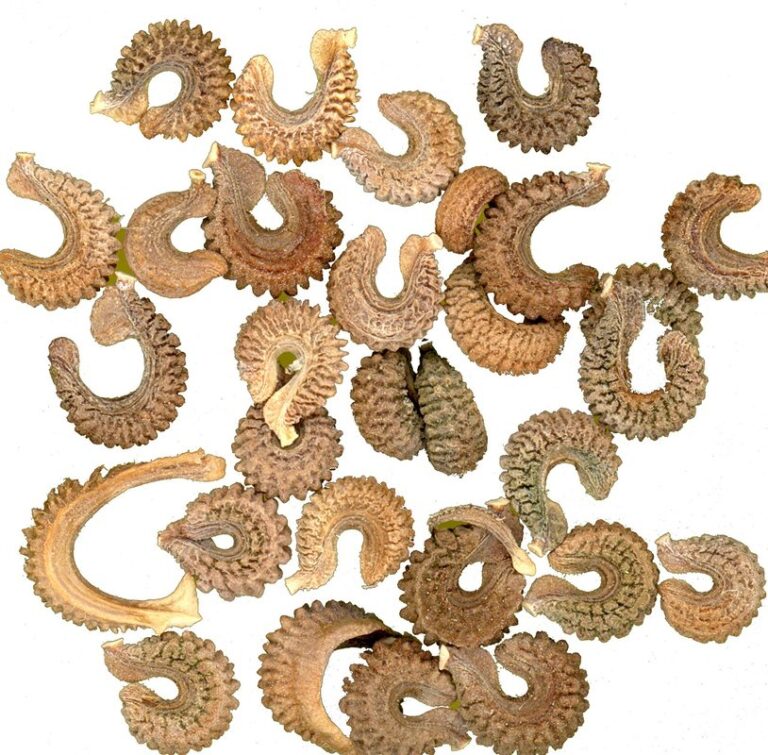
The seeds of the calendula plant are harvested from the flower’s center after it has bloomed and gone to seed. They resemble small, dark brown or black dots with a subtle ridged texture. Calendula seeds are rich in bioactive compounds, including flavonoids, triterpenes, and carotenoids, which contribute to their medicinal properties.
When purchasing calendula seeds, look for those that are organic and sustainably sourced from reputable suppliers. These high-quality seeds will yield better results when used for medicinal purposes or as a natural remedy in your garden. To use calendula seeds, simply plant them directly into well-draining soil, following the same care instructions as the mother plant.
Note: Calendula seeds can be tricky to germinate, so it’s essential to provide them with the right conditions and patience.
History of Calendula Use
Calendula has been a cherished plant for centuries, with its use spanning across traditional medicine, cosmetics, and even agriculture. The ancient Egyptians, Greeks, and Romans prized calendula for its remarkable healing properties, using it to treat a variety of ailments from wounds and skin conditions to eye infections.
In traditional Chinese medicine, calendula is still used today to stimulate the immune system and reduce inflammation. Ayurvedic practitioners in India have also long employed calendula’s therapeutic benefits to promote wound healing and alleviate digestive issues.
Calendula’s uses extend beyond healthcare as well. In cosmetics, its petals are often infused into lotions, creams, and salves to soothe dry skin and promote collagen production. The plant’s ability to repel pests has also made it a valuable addition to organic farming practices, where calendula seeds can be used to create natural pest deterrents.
Today, many herbalists and gardeners continue to cultivate and utilize calendula for its remarkable versatility and benefits. By incorporating this ancient plant into your daily routine or gardening practice, you too can experience the many advantages of calendula seed firsthand.
Health Benefits of Calendula Seed
Calendula seed has been prized for its incredible healing properties, and we’re excited to dive into the specific health benefits that make it so valuable. From soothing skin irritations to boosting immunity.
Anti-Inflammatory Properties
Calendula seed oil is rich in anti-inflammatory compounds that have been shown to provide significant benefits for skin health. These compounds work by reducing inflammation and promoting healing in the body. One of the main anti-inflammatory agents found in calendula seed oil is triterpenoid saponins, which have been proven to inhibit pro-inflammatory enzymes.
The anti-inflammatory properties of calendula seed oil make it an effective treatment for soothing burns and wounds. When applied topically, it can help reduce redness and swelling, promoting faster healing times and minimizing scarring. To use calendula seed oil for this purpose, simply apply a few drops directly to the affected area after cleaning and drying the skin.
Studies have also shown that calendula seed oil has potent anti-inflammatory activity, making it a potential treatment for conditions such as eczema and acne. Its ability to reduce inflammation and promote healing makes it an excellent addition to any skincare routine. By incorporating calendula seed oil into your daily care, you can enjoy the numerous benefits of this natural ingredient.
Antimicrobial Properties
Calendula seed oil has been found to possess remarkable antimicrobial properties, making it an effective natural remedy for various health concerns. Research has shown that this oil is capable of inhibiting the growth of a wide range of bacteria, including MRSA and E. coli, as well as certain viruses and fungi. This makes calendula seed oil an excellent addition to wound care routines.
One of the key benefits of calendula seed oil’s antimicrobial properties is its ability to prevent infection and promote healing in wounds. Studies have demonstrated that applying calendula seed oil topically can reduce inflammation and promote tissue repair, leading to faster recovery times. This natural remedy has also been shown to be effective against antibiotic-resistant bacteria, making it a valuable alternative for those looking to avoid harsh chemicals.
When using calendula seed oil for wound care, it’s essential to apply a thin layer directly to the affected area, ideally after cleaning and drying the skin. You can also add it to your favorite carrier oil or use it in a compress to enhance its benefits. Remember to always perform a patch test before using any new skincare product, including calendula seed oil, to ensure you don’t have any sensitivity.
Cosmetics and Skincare Uses of Calendula Seed
Calendula seed is a versatile ingredient that can be used to create a range of skincare products, from soothing balms to nourishing creams. It’s also a popular choice for DIY cosmetics recipes.
Skincare Formulations
When it comes to skincare, calendula seed oil is a treasure trove of benefits. Not only does it promote hydration and reduce inflammation, but it also improves skin elasticity, leaving you with a smoother, more radiant complexion. So, how can we harness the power of calendula seed oil in our skincare products?
One way to do this is by incorporating it into moisturizers or serums. Calendula seed oil is rich in linoleic acid, an omega-6 fatty acid that helps lock in moisture and soothe dry skin. It’s also packed with antioxidants, which combat free radicals and reduce the appearance of fine lines and wrinkles. To get the most out of calendula seed oil, look for products that use it as a key ingredient or consider making your own calendula-infused oil at home.
In addition to its moisturizing properties, calendula seed oil also has anti-inflammatory compounds that can help calm redness and irritation. This makes it an excellent addition to products designed to tackle acne, rosacea, or other skin issues. By combining calendula seed oil with other natural ingredients, you can create a skincare routine that’s both effective and gentle on your skin. So why not give calendula seed oil a try? Your skin will thank you!
Haircare Benefits
Calendula seed oil has been gaining attention for its versatility, and one of its most exciting applications is in haircare. The benefits of using calendula seed oil for hair are numerous, making it a great addition to your beauty routine.
This oil is rich in antioxidants, which help to nourish and condition the hair, leaving it soft and manageable. Regular use can also improve scalp health by reducing inflammation and promoting healthy blood flow. As a result, calendula seed oil can help to reduce dandruff, itchiness, and other scalp irritations. To incorporate calendula seed oil into your haircare routine, try mixing a few drops with your regular shampoo or conditioner for an added moisturizing boost.
Additionally, calendula seed oil’s anti-inflammatory properties can also help to soothe dry, itchy scalps and promote healthy hair growth. Some people even use it as a pre-shampoo treatment to deep condition their locks. With its gentle yet effective properties, calendula seed oil is an excellent natural alternative for those looking to address hair concerns without harsh chemicals.
Agriculture and Gardening Uses of Calendula Seed
Calendula seed is a versatile ingredient that can be used to grow beautiful flowers, but it also has practical applications in agriculture and gardening. Let’s explore some of its uses for gardeners.
Companion Planting
Calendula seeds can play a crucial role in maintaining a balanced and healthy garden ecosystem when used as companion plants. These versatile flowers have natural pest-repelling properties that make them an excellent addition to many garden beds. For example, calendula’s strong scent can deter aphids, whiteflies, and other pests from nearby plants.
To utilize calendula seeds for companion planting, simply sow them around the perimeter of your garden or intersperse them among other flowers. This will not only attract beneficial insects like bees and butterflies but also create a barrier against pests. Additionally, calendula’s tall stature can provide shade for smaller plants, reducing stress caused by intense sunlight.
Some popular companion plant pairings include pairing calendula with tomatoes to repel nematodes or combining it with marigolds to deter nematodes and other pests. By incorporating calendula seeds into your garden, you’ll not only enjoy the beauty of these vibrant flowers but also reap the benefits of a healthier and more resilient garden ecosystem.
When selecting companion plants, keep in mind that some plants can inhibit growth or compete for resources. Calendula is generally easy to grow and won’t outcompete other plants for water or nutrients.
Soil Health Improvement
Calendula seed meal is often overlooked as a valuable resource for improving soil health. However, this nutrient-rich byproduct of oil extraction can significantly enhance the structure and fertility of your garden’s soil.
When added to the soil, calendula seed meal acts as a natural fertilizer, providing essential micronutrients like iron, zinc, and potassium. These nutrients are crucial for promoting healthy plant growth and development. Calendula seed meal is also high in humus, which improves soil’s water-holding capacity and promotes beneficial microbial activity.
To incorporate calendula seed meal into your gardening routine, start by mixing it with compost or well-rotted manure to create a nutrient-rich amendment. Apply this mixture at a rate of 1-2% of the total soil volume, depending on your soil type and needs. For example, if you’re working with a raised bed containing 100 square feet of soil, mix in 1-2 pounds of calendula seed meal.
Regular application of calendula seed meal can lead to improved soil structure, increased fertility, and enhanced plant resilience. This, in turn, will translate into healthier plants, more vibrant blooms, and higher yields.
Preparing and Using Calendula Seeds
To successfully grow calendula from seed, you’ll need to properly prepare and store them before planting, which we’ll walk through in the next steps.
Harvesting and Drying
Harvesting calendula seeds requires patience and care to ensure they remain viable for use. To begin harvesting, wait until the seed heads are fully dry and brittle, which is usually around 6-8 weeks after blooming. Gently remove the seed heads from the plant by cutting them off with scissors or a small pruning tool.
Next, carefully separate the seeds from the dried flower head by gently rubbing it between your hands or using a small brush to dislodge them. You can also use a small bowl or container to catch any loose seeds as you work. Store the harvested seeds in an airtight container, such as a glass jar or envelope, to maintain their viability.
For optimal drying and storage, keep the seeds away from direct sunlight, moisture, and heat sources. This will help prevent spoilage and ensure they remain potent for use in teas, infusions, and other applications. Consider investing in a desiccant pack or silica gel to absorb any excess moisture in the container.
Infusion Methods
When it comes to harnessing the potential of calendula seeds, infusion is a popular method for extracting their beneficial compounds. There are several ways to infuse calendula seeds, and each has its own advantages and applications.
Steeping is one common method, where the seeds are submerged in a solvent such as water or oil for an extended period. This process allows the active ingredients to seep into the liquid, creating a potent extract that can be used topically or taken internally. For instance, steeping calendula seeds in olive oil can produce a rich moisturizer for skin irritations.
Decocting involves boiling the seeds in water to release their compounds, then straining and discarding the solids. This method is often used for medicinal applications where high concentrations of active ingredients are required. Cold infusion, on the other hand, involves steeping the seeds in a cold solvent over several hours or days. This gentle process helps preserve delicate compounds that may be lost through heat.
Experiment with these different methods to find what works best for you, and consider combining them for optimal results. By mastering various infusion techniques, you can unlock the full potential of calendula seeds and create personalized remedies tailored to your needs.
Safety Considerations and Precautions
When working with calendula seed, it’s essential to be aware of some important safety considerations to ensure a safe and enjoyable experience for you and your family. Please take note of these key precautions below.
Allergic Reactions
While calendula seed oil is generally considered safe for use on the skin, it’s not entirely allergy-proof. Some individuals may experience an allergic reaction to calendula seed oil, which can manifest as redness, itching, or swelling.
If you’re new to using calendula seed oil, start with a patch test: apply a small amount of the oil to a discreet area of your skin and wait 24-48 hours to observe any adverse reactions. Be aware that even if you’ve used calendula products in the past without issue, a reaction can still occur due to differences in product formulations or individual sensitivities.
To identify an allergic reaction, watch for signs such as increased redness, itching, burning sensations, or swelling around the application area. If you experience any of these symptoms, discontinue use immediately and consult with a healthcare professional for guidance on managing your skin’s sensitivity. It’s also essential to note that calendula seed oil may not be suitable for individuals with sensitive skin, eczema, or other pre-existing skin conditions.
Interactions with Medications
When using calendula seed oil, it’s essential to be aware of potential interactions with certain medications. Calendula has a long history of use in traditional medicine, and while generally considered safe, its active compounds can affect how the body processes various drugs.
One area of concern is the impact on blood thinners such as warfarin or aspirin. The flavonoids present in calendula may enhance their effects, increasing the risk of bleeding complications. If you’re taking either of these medications, it’s crucial to consult with your healthcare provider before using calendula seed oil.
Additionally, calendula may interact with diabetes medications like metformin or insulin. The plant’s anti-inflammatory properties can potentially lower blood sugar levels, causing hypoglycemia in some individuals. Monitor your blood glucose levels closely if you’re taking these medications and consider adjusting dosages as needed.
Certain antidepressants, such as SSRIs (selective serotonin reuptake inhibitors), may interact with calendula’s bioactive compounds, affecting their efficacy or increasing the risk of side effects. If you’re prescribed any of these medications, inform your healthcare provider about your intention to use calendula seed oil and discuss possible alternatives.
To minimize potential interactions, start with small amounts and monitor your body’s response. Be aware that individual reactions may vary, and some people might experience adverse effects even at low concentrations. It’s always better to err on the side of caution and consult with a healthcare professional before using calendula seed oil, especially if you’re already taking prescription medications.
Frequently Asked Questions
Can I use calendula seed for pets with skin issues?
Yes, calendula seed’s anti-inflammatory and antimicrobial properties make it a great natural remedy for pet skin irritations. You can add dried or infused calendula seeds to your pet’s bath water or mix them into their shampoo for soothing benefits.
How long does it take for calendula seed to show its effects on plant growth?
Calendula seed typically starts showing its fertility-boosting effects within 2-3 weeks of planting. However, optimal results may take longer – usually around 6-8 weeks – depending on factors like soil quality and climate conditions.
Are there any specific skincare recipes that feature calendula seed?
You can create a simple calendula face mask by mixing 1 tablespoon of dried calendula seeds with 2 tablespoons of coconut oil and applying it to your skin for 15-20 minutes before rinsing off. This soothing blend helps reduce inflammation and moisturize dry skin.
Can I use calendula seed as a natural pest repellent in my garden?
Yes, calendula seed has been shown to repel certain pests like nematodes and aphids due to its antimicrobial properties. You can plant calendula seeds alongside your crops or mix dried calendula seeds into your compost pile to create a natural pest control solution.
How do I store and preserve calendula seeds for future use?
To keep calendula seeds fresh, store them in an airtight container away from direct sunlight and moisture. You can also dry and infuse the seeds in oil or vinegar for long-term preservation, allowing you to enjoy their benefits throughout the year.