
Creating a pallet compost is one of the most eco-friendly and cost-effective ways to reduce waste at home. Not only does it help minimize your environmental footprint, but it also provides you with nutrient-rich soil for your garden. With a little creativity and some basic materials, you can transform old pallets into a valuable resource. In this article, we’ll cover the benefits of using pallet compost, show you how to choose the right type of pallets, guide you through preparation and setup, and provide expert tips on maintaining a healthy compost pile at home. We’ll also explore the different types of pallet compost and share some creative ideas for repurposing old pallets. Whether you’re a seasoned gardener or just starting out, this comprehensive guide will walk you through everything you need to know about making the most of your pallet compost.
Understanding Pallet Composting: What You Need to Know
Pallet composting can be a bit confusing at first, especially if you’re new to composting, so let’s break down what you need to know. This section will cover the basics of pallet composting and how it works.
Introduction to Pallet Composting
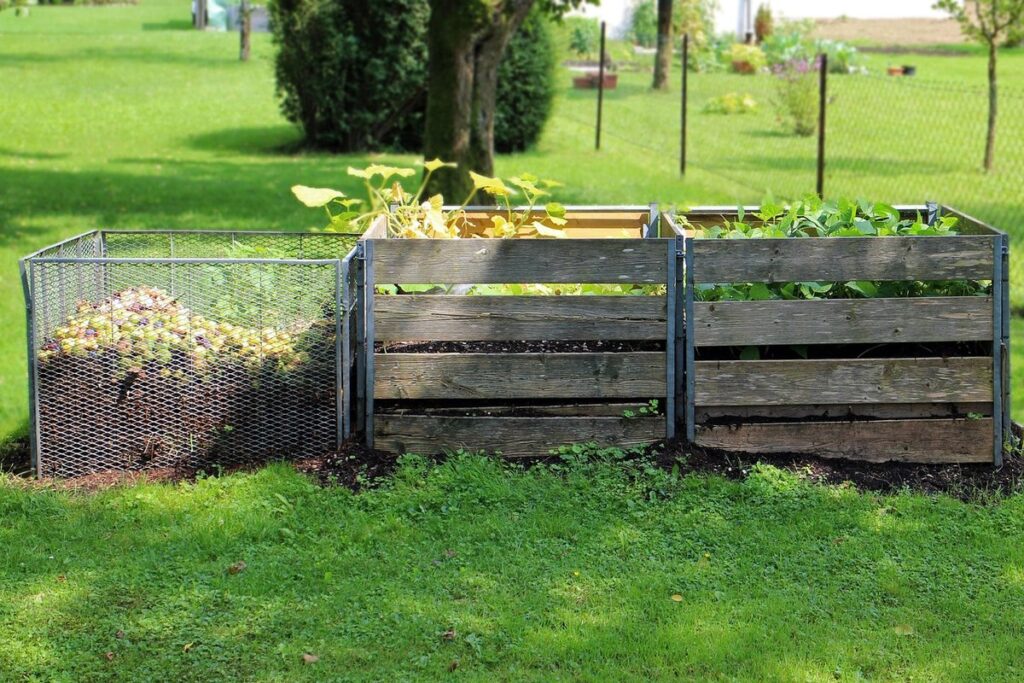
Pallet composting is an innovative approach to waste management that’s gaining popularity among gardeners and environmentalists alike. At its core, pallet composting involves using reclaimed wood from pallets to create a unique and efficient composting system. This method has several benefits over traditional composting methods.
One of the main advantages of pallet composting is its space-saving design. By repurposing old pallets as a framework for your compost pile, you can maximize your yard’s available space while minimizing waste disposal costs. For instance, consider using pallets to create a vertical compost bin that takes up minimal floor space but still allows for optimal air circulation and moisture control.
Pallet composting also encourages a more hands-on approach to composting, allowing individuals to actively participate in the decomposition process. This interactive nature of pallet composting fosters a deeper understanding of the composting process and helps identify any potential issues before they become major problems. By incorporating pallets into your composting routine, you can enjoy a more productive and environmentally friendly gardening experience.
Types of Pallets Suitable for Composting
When it comes to composting with pallets, not all pallet types are created equal. You’ll want to focus on wooden pallets for composting, as they’re biodegradable and can break down easily. These pallets can be found at most hardware stores or online, and many are made from untreated wood.
Wooden pallets work well because they’re typically made from softwoods like pine or fir, which are rich in nitrogen and carbon. This balance is essential for creating a nutrient-rich compost pile. As you add the pallet to your compost heap, it will start to break down quickly due to its high carbon content.
Plastic pallets, on the other hand, aren’t suitable for composting. They won’t decompose easily and can even leach chemicals into your soil. If you have a large quantity of plastic pallets, consider repurposing them for another project or recycling them instead.
To make the most of wooden pallets in your compost, aim to use one or two per week. This will help maintain a balance of carbon and nitrogen in your pile, ensuring it breaks down efficiently.
Preparing Pallets for Composting
Preparing pallets for composting is a crucial step in creating a nutrient-rich pallet compost. To begin, start by collecting and cleaning the pallets thoroughly. Remove any nails, screws, or metal straps to prevent them from rusting during the composting process. Then, scrub the wood surfaces with a stiff brush to dislodge dirt and debris.
Next, deconstruct the pallets into individual planks or boards. This will make it easier for microorganisms to break down the organic matter. If your pallets are particularly large or heavy, consider using a saw or a pry bar to help dismantle them safely. Once you have separated the boards, sort them by size and type of wood.
Finally, consider chipping the larger pieces into smaller fragments. This will increase their surface area, allowing for faster decomposition. You can use a chipper or a shredder for this step, or simply cut the wood into manageable sizes using a saw. By taking these steps to prepare your pallets, you’ll be well on your way to creating a compost that’s rich in nutrients and ready to support healthy plant growth.
Setting Up Your Pallet Compost
Now that you have your pallets, let’s get started on preparing them for composting by gathering materials and creating a designated area for decomposition to occur.
Choosing a Location for Your Pallet Compost
When choosing a location for your pallet compost, it’s essential to consider accessibility, sunlight, and drainage. These factors will significantly impact the health and productivity of your compost pile.
Start by selecting an area that is easily accessible, preferably close to a water source and within walking distance from your kitchen or garden. This will make it convenient to add food scraps and yard trimmings as needed. Avoid choosing a location with standing water or where rainwater tends to collect, as this can lead to anaerobic conditions and unpleasant odors.
Sunlight is also crucial for the decomposition process. Aim for a spot that receives at least 6 hours of direct sunlight per day, but be cautious not to place your compost pile in full sun, especially during hot summer months. This can cause temperatures to rise too high, potentially killing off beneficial microorganisms.
Lastly, ensure good drainage by selecting a slightly sloping area or creating a slight incline using gravel or sand. Proper airflow and moisture balance are key to maintaining a healthy compost pile.
Building Your Pallet Compost Structure
Building your pallet compost structure is an exciting step towards creating a sustainable and eco-friendly way to manage your kitchen scraps and yard waste. To get started, you’ll need some basic materials, including wooden pallets, wire mesh or hardware cloth, and screws or nails for assembly.
Begin by collecting and arranging the pallets in a rectangular shape. You can use four pallets as the base, three on each side, and then add two more pallets on top for additional support. Make sure to leave enough space between each pallet for airflow and easy maintenance.
Next, cover the frame with wire mesh or hardware cloth to keep pests out and prevent materials from falling through. Secure it with screws or nails, making sure not to puncture any of the pallets in the process. Finally, consider adding a lid or cover made from an old pallet or wooden board to maintain moisture levels and keep rain out.
By following these steps, you’ll be well on your way to creating a functional and efficient pallet compost structure that will help turn your kitchen scraps into nutrient-rich soil for your garden.
Tips for Maintaining a Healthy Pallet Compost
Maintaining a healthy pallet compost is crucial for its success and efficiency. Regular monitoring of temperature, moisture levels, and pests will ensure that your compost stays on track.
Temperature plays a significant role in the decomposition process. Aim for temperatures between 130°F to 140°F (54°C to 60°C) for optimal microbial activity. If the temperature exceeds 160°F (71°C), it can kill off beneficial microbes and create unpleasant odors. To regulate temperature, turn your compost pile regularly or add brown materials like leaves or straw.
Moisture levels should be kept at around 50-60% to facilitate decomposition without attracting pests. Check moisture by squeezing a handful of compost – if it crumbles easily, it’s too dry; if it sticks together, it’s too wet. Add more browns if the pile is too wet or greens if it’s too dry.
Regularly inspect your compost for signs of pests like rodents, flies, and ants. If you notice any, take action promptly by adding pest-repellent materials like diatomaceous earth or cayenne pepper to deter them. By monitoring these factors, you’ll create an optimal environment for your pallet compost to thrive.
What to Compost in Your Pallet Compost
When it comes to creating a thriving pallet compost, knowing what materials to include is crucial for success. Let’s dive into the best items to add to your compost pile.
Food Waste Composting
When it comes to composting food waste in your pallet compost, there’s a lot of goodness you can add to the mix. Let’s face it – we all generate a significant amount of fruit and vegetable scraps, bread, and grains daily. Composting these items not only reduces household waste but also produces a nutrient-rich soil amendment for your garden.
Fruit and veggie scraps make up about 20% of municipal solid waste in many cities. That’s a staggering amount considering how easily they can be composted. Bread and grains are also high in carbon content, which is essential for maintaining the optimal C:N ratio in your compost pile.
To include food waste in your pallet compost, start by mixing green materials like these with brown materials like dried leaves or shredded newspaper to create a balanced composition. Chop or tear larger pieces into smaller ones before adding them to the mix. The microbes will break down the organic matter, creating a valuable resource for your garden.
Remember to add food waste in moderation – about 10-20% of the total material added to the compost pile. This ensures that it doesn’t become too wet and smelly or attract pests.
Yard Waste Composting
Yard waste can be a significant contributor to compost piles, and it’s essential to know what types of yard waste are suitable for composting. Leaves, grass clippings, and branches are all great additions to your pallet compost. When it comes to leaves, they’re rich in carbon and can help balance out the nitrogen levels in your compost. Simply shred or chop them before adding them to your pile.
Grass clippings are another excellent option for yard waste composting. They’re high in nitrogen and can be added fresh to your pallet compost. However, be mindful of the amount you add, as excessive grass clippings can create anaerobic conditions. To avoid this, mix them with other carbon-rich materials like leaves or shredded newspaper.
Branches may seem like a waste product, but they’re actually an excellent addition to compost piles. Cut them into smaller pieces and add them to your pallet compost. As the branches break down, they’ll provide valuable structure and help speed up the decomposition process.
Other Materials to Consider Composting
When it comes to creating nutrient-rich compost for your garden using pallets, you may wonder what materials can be added beyond the usual suspects like food scraps and yard waste. The good news is that there are plenty of other materials that can be composted, each bringing their unique benefits to the mix.
Consider adding paper products like newspaper, cardboard, or paper towels to your compost pile. These absorbent materials help soak up excess moisture, reducing odors and preventing mold growth. You can also include coffee grounds, which are rich in nitrogen and phosphorus – essential nutrients for plant growth. Eggshells, another often-overlooked material, provide calcium and other micronutrients, as well as a slow release of magnesium.
When adding these materials to your compost pile, be sure to mix them in with the “green” materials (like food scraps) and “brown” materials (like leaves or straw). Aim for a balance of 2/3 brown materials and 1/3 green materials. This ratio will help create an optimal environment for decomposition. Don’t forget to maintain adequate moisture, turning your compost regularly, and keeping it covered to retain heat and prevent pests.
Processing Pallet Compost for Gardening
Now that you’ve created your pallet compost, it’s time to turn it into a nutrient-rich soil amendment perfect for gardening. This section will guide you through processing and preparing your pallet compost for use in your garden beds.
Turning Your Pallet Compost
Turning your pallet compost is an essential step to ensure it breaks down efficiently and effectively. This process involves aerating the pile, which helps to speed up decomposition and prevent anaerobic conditions that can lead to unpleasant odors.
To turn your pallet compost, you should aim to do so every 7-10 days during the active decomposition phase. You’ll know it’s time when you notice a decrease in moisture levels or if the pile starts to smell sour. As you turn the compost, use a pitchfork or shovel to gently mix the materials, aiming for a balance of “brown” (dried leaves, straw) and “green” (food scraps, grass clippings) components.
During this process, inspect your compost pile regularly for signs of excessive moisture, temperature fluctuations, or pests. Be prepared to add more brown materials if you notice any of these issues. Keep in mind that turning your pallet compost is not a one-time task; it’s an ongoing process that requires regular maintenance to achieve optimal results. By following this routine, you’ll be able to create a nutrient-rich compost for your garden in no time.
Removing Finished Pallet Compost from the Structure
Now that your pallet compost is finished, it’s time to remove it from the structure and put it to good use in your garden. Removing the compost is a straightforward process, but it requires some care to avoid contamination and maintain its quality.
Start by gently tilting the compost bin or container, allowing the finished compost to slide out onto a tarp or old sheet of cardboard. If the compost is particularly dense or difficult to remove, you may need to use a shovel or spade to carefully loosen it from the sides of the structure. Be sure to wear gloves and work in a well-ventilated area to avoid exposure to any potential pathogens.
Once you’ve removed the finished compost, inspect it for any remaining debris or contaminants. If it’s free of twigs, roots, and other unwanted materials, congratulations – your pallet compost is ready to use! You can add it directly to your garden beds, mix it into potting soil, or even use it as a mulch around plants.
When using finished pallet compost in gardening, keep the following tips in mind:
* Start with a small amount (about 1-2 inches deep) and gradually increase as needed
* Mix it well with existing soil to avoid any potential pH imbalances
* Consider adding other organic amendments like manure or peat moss for added nutrient and moisture retention
Adding Pallet Compost to Your Soil
Adding pallet compost to your soil is one of the most significant steps towards creating a thriving garden ecosystem. By incorporating this nutrient-rich material into your soil, you’ll be improving its structure and fertility in no time. The benefits are numerous, but let’s focus on two key advantages: improved soil structure and enhanced fertility.
Improved soil structure is a result of pallet compost breaking down and reorganizing the existing soil particles. This process creates a more balanced mixture of sand, silt, and clay, allowing for better water retention and aeration. Your plants will thank you for it, as they’ll be able to grow stronger roots and develop deeper root systems.
On the other hand, pallet compost is packed with nutrients that replenish the soil’s fertility. As it breaks down, it releases essential micronutrients like nitrogen, phosphorus, and potassium, which are vital for plant growth and development. To get the most out of your pallet compost, be sure to mix it into the top 6-8 inches of your soil before planting. A general rule of thumb is to add a 2-inch layer of pallet compost and then cover it with a 4-inch layer of existing soil.
Troubleshooting Common Issues with Pallet Composting
Don’t worry if you hit a snag with your pallet composting project – we’ve got some common issues to tackle and solutions to share, so you can get back on track. Let’s dive into troubleshooting together.
Managing Odors in Your Pallet Compost
Managing odors in your pallet compost is crucial to maintain a healthy and pleasant environment. One of the primary reasons for unpleasant smells is an imbalance of carbon-to-nitrogen (C:N) ratios. To avoid this, make sure you’re adding the right mix of “green” materials like kitchen scraps, grass clippings, and manure, which are high in nitrogen, to your compost pile.
On the other hand, add plenty of “brown” materials such as dried leaves, shredded newspaper, or cardboard, which are rich in carbon. Aim for a mix that’s roughly two-thirds brown materials to one-third green materials. This balance will help speed up decomposition and minimize odors. Regularly monitoring your compost pile’s temperature is also essential.
As the process breaks down organic matter, it can get hot – typically between 130°F and 140°F. If you notice temperatures rising above this range or if you smell ammonia, it may indicate an imbalance. Check and adjust the C:N ratio to bring the mixture back into balance and reduce odors.
Dealing with Pests or Diseases in Your Pallet Compost
One of the most frustrating aspects of creating a pallet compost is dealing with pests and diseases that can quickly ruin your hard work. Unfortunately, it’s not uncommon for pests like fruit flies, ants, and rodents to be attracted to the food waste in your compost pile. These unwanted visitors can spread disease and attract even more pests, making it challenging to maintain a healthy compost.
Some common pests you may encounter include:
• Fruit flies: these tiny insects are drawn to sweet or fermented materials
• Ants: they’re often attracted to protein-rich foods like meat and dairy
• Rodents: mice and rats can chew through pallets and contaminate your compost
Diseases that can affect your pallet compost include fungal infections, mold growth, and bacterial overgrowth. To address these issues, make sure to:
• Regularly turn the pile to aerate it and speed up decomposition
• Balance carbon-rich materials like leaves with nitrogen-rich materials like food waste
• Keep the pile moist but not waterlogged
• Monitor for pests regularly and take action promptly if you spot any
By taking these precautions, you can minimize the risk of pests and diseases in your pallet compost.
Overcoming Moisture Issues in Your Pallet Compost
Maintaining optimal moisture levels is crucial for the health and efficiency of your pallet compost. Monitoring and adjusting these levels can be a challenge, but with the right techniques, you’ll be able to overcome potential issues.
To ensure proper moisture, start by checking the dampness of your pile regularly. Stick your hand into the compost about 2-3 feet deep – if it feels dry or crumbly, it’s time for an adjustment. On the other hand, if it feels too wet and soggy, you may need to add some airflow.
Aim for a consistency similar to a damp sponge, neither too dry nor too saturated. To achieve this balance, introduce brown materials (dry leaves, shredded newspaper) to absorb excess moisture or green materials (fresh grass clippings, fruit scraps) to bring in more moisture.
Be cautious of overwatering – it can lead to anaerobic conditions, resulting in unpleasant odors and reduced compost efficiency. Conversely, under-watering may slow down decomposition processes. Monitor your pile’s moisture levels frequently to make adjustments accordingly, ensuring optimal results from your pallet compost.
Frequently Asked Questions
Can I use pallet compost as a standalone soil amendment, or does it need to be mixed with other ingredients?
You can definitely use pallet compost as a standalone soil amendment, but mixing it with other ingredients like peat moss or perlite can improve its drainage and structure. It’s also worth noting that using pallet compost in combination with other natural amendments can enhance its nutrient-rich properties.
How do I handle excessive moisture in my pallet compost, especially during rainy seasons?
Managing excess moisture is crucial to prevent anaerobic conditions and unwanted pests. To minimize this issue, ensure your pallet compost structure has adequate drainage holes, use a tarp or plastic sheeting to protect the pile from direct rainfall, and regularly turn the compost to maintain airflow.
Can I compost meat and dairy products in my pallet compost, or will they attract pests?
Composting meat and dairy products is generally not recommended due to their high nitrogen content and potential for attracting pests. Sticking to vegetable scraps, fruit peels, and other carbon-rich materials will help maintain a balanced mix of “green” and “brown” materials.
How often should I turn my pallet compost pile to ensure optimal decomposition?
Turning your pallet compost regularly is essential for maintaining a healthy decomposition process. Aim to turn the pile every 1-2 weeks during the active decomposition phase, which usually lasts several months. This will help maintain oxygen levels, prevent matting, and promote even decomposition.
Can I use pallet compost in containers or do I need to integrate it into my garden beds?
Yes, you can definitely use pallet compost in containers! In fact, this method is ideal for small-space gardening or container gardens. Simply mix the finished compost into your potting soil, or use it as a top dressing around your plants to provide essential nutrients and improve soil structure.