
Making rose water at home is an art that requires minimal equipment, yet yields incredible benefits. Not only does homemade rose water allow you to control the purity of your product, but it’s also surprisingly cost-effective compared to buying bottled varieties. With its numerous uses in skincare, haircare, and even culinary applications, this versatile liquid has captured the hearts of many natural enthusiasts.
In this comprehensive guide, we’ll walk you through a simple step-by-step distillation process that will show you how to make rose water at home like a pro. We’ll cover not just the basic benefits and uses of rose water, but also share some expert tips on how to extract its full potential. By the end of this article, you’ll be equipped with all the knowledge necessary to start making your own high-quality rose water from scratch.
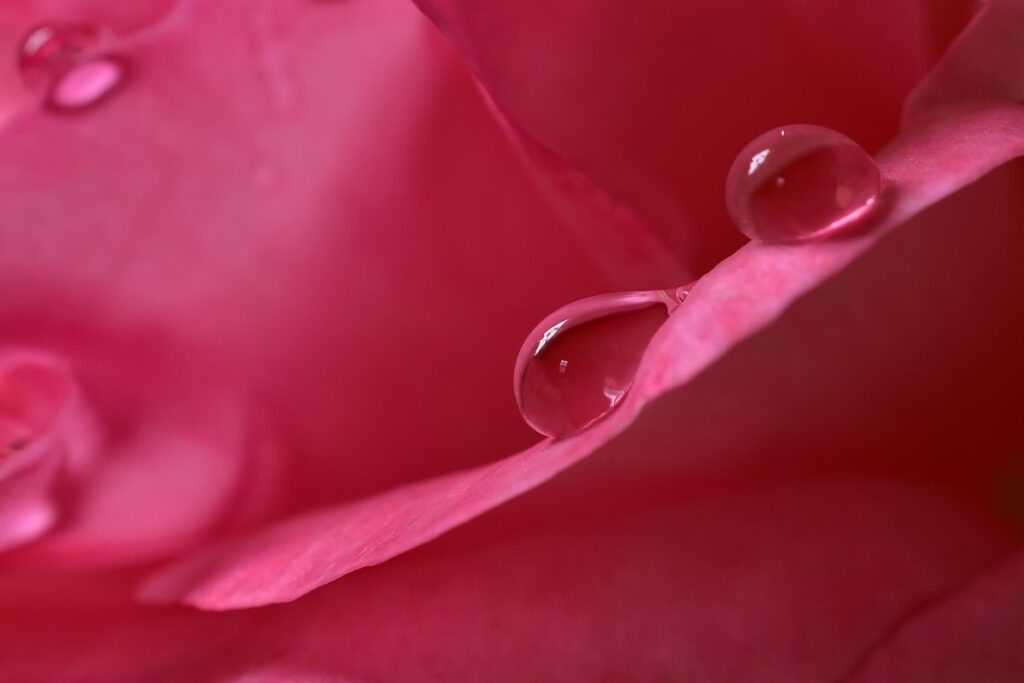
Benefits and Uses of Rose Water
Now that you’ve made your own rose water at home, let’s explore its numerous benefits and uses, from skincare to culinary delights.
What is Rose Water?
Rose water is a fragrant and versatile liquid derived from rose petals, with a rich history that spans thousands of years. Its popularity transcends cultures, with ancient civilizations such as the Egyptians, Greeks, and Romans using it for various purposes. In modern times, rose water remains a staple in many cuisines, particularly in Middle Eastern, Indian, and Persian cooking.
It’s not just its culinary uses that have made rose water so enduring; its medicinal properties have also been recognized and utilized for centuries. Rose water is used to soothe skin irritations, calm anxiety, and even help with digestion. Its cosmetic applications are equally impressive, with many skincare products incorporating it due to its natural astringent and anti-inflammatory properties.
In the world of perfumery, rose water is highly prized for its delicate fragrance, which can add depth and character to any blend. With its adaptability and numerous benefits, it’s no wonder that rose water has become an essential ingredient in many cultures around the globe.
Health Benefits of Rose Water
When made and used properly, rose water can offer numerous health benefits. One of its most significant advantages is its high antioxidant content, which helps protect the body from free radicals that cause cell damage and contribute to aging. This makes rose water a great addition to skincare routines and may even help reduce fine lines and wrinkles.
Rose water also has anti-inflammatory properties, which can be beneficial for people suffering from acne, eczema, or other skin irritations. It’s often used as a natural remedy to soothe sunburns and minor burns due to its cooling effects. Additionally, rose water has been traditionally used to ease digestive issues like indigestion and heartburn.
You can use rose water as a mouthwash to reduce plaque buildup and freshen breath or mix it with a carrier oil for a calming skin toner. When consumed in small amounts, rose water may help alleviate stomach ulcers and improve overall gut health. As you’ll see later, making rose water at home allows you to reap these benefits while avoiding harsh chemicals found in store-bought products.
Culinary Uses of Rose Water
Rose water is a versatile ingredient that adds a delicate floral flavor to various dishes. In Middle Eastern cuisine, rose water is used to make traditional desserts like baklava and ma’amoul, where it’s mixed with honey and nuts. In Indian cuisine, it’s often combined with cardamom and saffron in sweet treats like gulab jamun and kulfi.
To incorporate rose water into your baking, try substituting a portion of the liquid ingredients with rose water in recipes for cakes, cookies, or muffins. For example, you can add 1-2 tablespoons of rose water to your favorite vanilla cake recipe to give it an exotic twist. When using rose water in savory dishes, start with a small amount (about 1/4 teaspoon) and adjust to taste, as its flavor can quickly overpower other ingredients.
In Mediterranean cuisine, rose water is often used to make refreshing drinks like lemonade or infused water. You can also use it to marinate fruits like strawberries or oranges for a unique dessert topping. With its delicate flavor and versatility, the possibilities for using rose water in cooking are endless, making it an essential ingredient to have on hand when experimenting with new recipes.
Choosing the Right Roses for Distillation
When it comes to making rose water, selecting the right roses is crucial for achieving the best results. Look for varieties that are specifically bred for distillation and have a higher petal-to-pulp ratio.
Types of Roses Suitable for Distillation
When it comes to making rose water at home, not all roses are created equal. Some types of roses are more suitable for distillation than others due to their fragrance, petal quality, and resistance to moisture loss during the distillation process.
Damask roses (Rosa damascena) are a popular choice for making rose water because of their intense fragrance and delicate petals. Their oil content is relatively high, which makes them ideal for extracting essential oils through steam distillation. In fact, damask roses have been used for centuries in traditional perfumery and aromatherapy practices.
Pink roses (Rosa spp.) are another popular option for making rose water at home. They have a slightly sweeter fragrance than damask roses and their petals are often larger and more delicate. Red roses (Rosa spp.) can also be used, but they may require a longer distillation time to extract the desired amount of essential oils.
When selecting roses for distillation, look for varieties with high oil content, delicate petals, and a strong fragrance. This will ensure that your rose water has a rich, intense aroma and is free from impurities.
Factors to Consider When Selecting Roses
When it comes to making rose water at home through distillation, selecting the right roses is crucial for achieving the best results. You want to choose flowers that are not only fragrant but also rich in essential oils. These oils are responsible for the aroma and medicinal properties of rose water.
To ensure you’re using high-quality roses, look for varieties with a high oil content, such as Damask or Moroccan roses. These types of roses typically have an oil content of around 1-3%, which is ideal for distillation. Avoid roses that have been sprayed with pesticides or grown in areas with poor soil quality, as these can affect the final product’s flavor and aroma.
When selecting roses, also consider their fragrance intensity. A good rule of thumb is to choose roses that have a strong scent when freshly picked. This will help you achieve a more potent rose water. Always use fresh flowers for distillation, as wilted or dried-out roses will not yield the best results.
Equipment Needed for Rose Water Distillation
To successfully make rose water at home, you’ll need a few essential pieces of equipment that can help you achieve the perfect distillate. This includes your basic still and some additional tools.
A Brief History of Distillation Methods
Rose water production has been an art form for centuries, with traditional methods still employed today. One of the earliest recorded methods is steam distillation, which involves boiling rose petals with water to produce a vapor that’s then condensed into a fragrant oil. This method was popularized in ancient Persia and later adopted by European perfumers.
Another traditional method is solvent extraction, where rose petals are infused in a solvent like ethanol or glycerin to extract the essential oils. This technique was widely used during the 18th century, particularly in France, where rose water was highly prized for its fragrance and medicinal properties.
While these methods have been largely replaced by modern techniques, they remain relevant today as a way to create high-quality rose water at home. For instance, steam distillation can be adapted using a simple setup consisting of a pot, condenser, and collection vessel. Solvent extraction can also be done on a small scale using a basic infusion kit.
Keep in mind that both methods require attention to detail and careful monitoring to ensure the best results. With practice and patience, you can create beautiful rose water using traditional techniques that evoke the past while still meeting modern standards of quality.
Essential Equipment for Distillation at Home
To distill rose water effectively at home, you’ll need some specialized equipment. A still is the most crucial piece of equipment for this process. You can either purchase a dedicated rose water distillation apparatus or use a homemade setup consisting of a stainless steel pot and an attached condenser coil.
A condenser is essential to cool down the steam emitted during the distillation process, allowing you to collect pure water vapor as droplets in your collection vessel. This piece of equipment typically consists of coiled copper tubing submerged in cold water. You can either purchase or make one at home using copper pipes and a container for holding ice.
Collection vessels come in various shapes and sizes, but you should choose ones made from food-grade materials to store the final product safely. Some common options include glass jars with tight-fitting lids or stainless steel containers with secure caps.
The Distillation Process
Now that you’ve prepared your rose petals and equipment, it’s time to learn how distill them into fragrant, concentrated rose water using a steam distiller. This process is crucial for capturing the essence of roses.
Setting Up the Still and Heating System
To set up your still and heating system for successful distillation, you’ll need to carefully follow these steps. First, ensure that your copper still is thoroughly cleaned and free of any residue. This is crucial for preventing contamination and ensuring the quality of your rose water.
Next, attach the condenser to the top of the still, making sure it’s securely connected with a tight seal. The condenser plays a vital role in cooling the vapor and converting it back into liquid form, so it’s essential that it’s properly attached.
Now, connect the heating system to the bottom of the still. You can use a gas stove or electric heater for this purpose. Make sure the heat source is set at a medium-low temperature (around 200-250°F) to prevent overheating and scorching the rose petals.
Finally, place the pot with the rose petals under the condenser, ensuring that the vapor from the heating system flows freely into the condenser. This marks the beginning of the distillation process, where the essential oils from the rose petals are extracted and converted into rose water.
Monitoring Temperature and Pressure
Monitoring temperature and pressure during distillation is crucial to achieve optimal results when making rose water at home. If the temperature and pressure are not within the correct range, it can lead to a lower quality final product or even damage your equipment.
When distilling rose petals, the ideal temperature range for vaporization is between 70°C to 90°C (158°F to 194°F). This temperature range allows for efficient separation of water from the rose petal extract without breaking down the delicate essential oils. If the temperature is too high, it can cause the water to evaporate too quickly, resulting in a weak or bitter-tasting final product.
To monitor temperature and pressure during distillation, you’ll need a thermometer and a pressure gauge attached to your still. Make sure to calibrate them before use to ensure accurate readings. Some distillers also recommend using a hydrometer to measure the specific gravity of the rose water as it’s being distilled, which can help you adjust the temperature and pressure settings accordingly.
By monitoring temperature and pressure, you’ll be able to produce high-quality rose water with the desired flavor and aroma, making your homemade rose water-making experience more successful.
Collecting and Storing Rose Water
Now that you’ve harvested your rose water, it’s essential to store it properly to maintain its delicate flavor and aroma. Learn how to collect and store rose water effectively in this section.
Filtering and Purifying Rose Water
After collecting and storing rose water, it’s essential to filter and purify it to remove any impurities or sediment that may have developed during the process. This step is crucial in maintaining the water’s quality and ensuring its effectiveness as a skincare ingredient.
You can use various methods to filter and purify rose water, depending on your preference and availability of equipment. One common method is using a coffee filter or a fine-mesh sieve to strain out any visible sediment. Simply place the rose water in the filter or sieve and let it drip through slowly into another container.
Another method is using activated charcoal, which can absorb impurities and odors. You can add a small amount of activated charcoal powder to the rose water and stir well before straining it through a coffee filter or fine-mesh sieve.
It’s also possible to use distillation or reverse osmosis methods for more thorough purification, but these require specialized equipment and may not be feasible at home. Regardless of the method used, make sure to store the purified rose water in an airtight container to preserve its quality and shelf life.
Storage Tips and Shelf Life
When storing rose water, it’s essential to maintain its quality and aroma. To do this, store the liquid in airtight containers, such as glass bottles with tight-fitting lids or plastic containers specifically designed for storing liquids. Avoid using metal containers, as they can react with the rose water and cause contamination.
Rose water typically lasts for 6-12 months when stored properly in a cool, dark place. However, it’s best to use it within 3-4 months for optimal flavor and aroma. If you notice any changes in color, odor, or texture, discard the rose water immediately.
When using your homemade rose water, remember that it can be diluted with water according to your preference. For skincare products or culinary uses, a ratio of 1:2 (one part rose water to two parts water) is often recommended. Always check the product label for specific instructions on usage and concentration levels. By following these storage tips and guidelines, you’ll be able to enjoy your homemade rose water for an extended period while preserving its unique qualities.
Troubleshooting Common Issues
If you encounter any problems during the rose water-making process, don’t worry – we’ve got you covered. This section addresses common issues and their easy solutions to get your homemade rose water just right.
Identifying Common Problems During Distillation
During distillation, you may encounter several common problems that can affect the quality and quantity of your rose water. One issue to watch out for is low yields. This can be caused by insufficient heat, inadequate steam generation, or incorrect condensation settings. To prevent this, ensure that your equipment is properly calibrated and that you’re using the right amount of heat.
Contamination is another potential problem during distillation. This can occur when moisture-laden air enters the system, causing impurities to contaminate the distilled water. Regularly inspect your equipment for signs of wear or damage, and always clean and sanitize it before use. Additionally, ensure that your distillation setup is well-maintained, with tight seals and proper ventilation.
Equipment failure can also be a concern during distillation. A faulty condenser, for example, can lead to improper cooling, causing the vapor to overheat and potentially damage the equipment or produce poor-quality rose water. Regular maintenance, such as cleaning and replacing worn-out parts, can help prevent this issue.
To mitigate these problems, always follow proper safety protocols, including wearing protective gear and ensuring that your distillation setup is well-ventilated. By being aware of potential issues and taking preventative measures, you can ensure a successful distillation process and produce high-quality rose water at home.
Solutions to Common Problems
One common problem when making rose water at home is over-extraction of the flowers’ oils, resulting in an overpowering scent and potential bitterness. To avoid this issue, it’s essential to monitor the distillation process closely. As a general rule, distill the roses for 10-15 minutes initially, then gradually increase or decrease the time based on the desired strength of the rose water.
Another common problem is under-extraction, which can lead to a weak or pale-colored rose water. To address this issue, ensure that you’re using fresh and high-quality rose petals. Also, adjust the ratio of roses to water according to your needs – typically 1:2 (one part roses to two parts water) is recommended for optimal results.
Clogged condenser coils can also hinder the distillation process. Regularly clean the coils with a soft brush or replace them if necessary to maintain efficient heat transfer and prevent damage to your equipment.
Frequently Asked Questions
Can I use any type of rose for making rose water at home?
When choosing roses for distillation, it’s essential to select varieties that are high in oil content, as this will yield a more potent and fragrant rose water. Look for species like Rosa damascena, Rosa centifolia, or Rosa rugosa, which are commonly used for perfumery and distillation.
How long does homemade rose water typically last when stored properly?
When stored in an airtight container in the refrigerator, homemade rose water can last up to 6 months. However, it’s essential to check the liquid regularly for any signs of spoilage or mold. If you notice any off odors or sediment, discard the rose water and make a fresh batch.
Can I use rose water as a substitute for other ingredients in recipes?
Yes, rose water can be used as a substitute for other fragrant liquids like vanilla extract or almond extract in some recipes. However, keep in mind that rose water has a distinct flavor profile, so it’s best to start with small amounts and adjust to taste.
How do I know if my homemade rose water is of high quality?
To ensure your homemade rose water is of high quality, look for the following characteristics: a clear or pale yellow color, a sweet fragrance, and no visible sediment. You can also perform a simple test by mixing a few drops with water – if it doesn’t separate or become cloudy, it’s likely of good quality.
Can I make rose water at home without any distillation equipment?
While traditional distillation methods are ideal for making high-quality rose water, you can still extract the essence from rose petals using a simple solvent method. Combine rose petals with a carrier oil like coconut or jojoba oil and let it infuse for several hours or days. Strain and discard the solids to obtain a fragrant oil that can be used in skincare recipes or as a perfume.