
Basil lovers, rejoice! There’s nothing quite like the taste and aroma of fresh basil in your kitchen. But let’s face it – keeping this fragrant herb alive can be a challenge, especially for beginners. Whether you’re growing a few sprigs on your windowsill or cultivating a lush basil garden, knowing how to care for these delicate plants is essential.
In this article, we’ll dive into the world of basil maintenance, covering everything from choosing the right variety and preparing the perfect soil to troubleshooting common issues like pests and diseases. You’ll learn expert tips on watering, pruning, and managing those pesky whiteflies that can decimate your basil crop in no time. By the end of this post, you’ll be well-equipped to grow healthy, thriving basil plants that will add a burst of flavor and fragrance to your favorite dishes all season long!
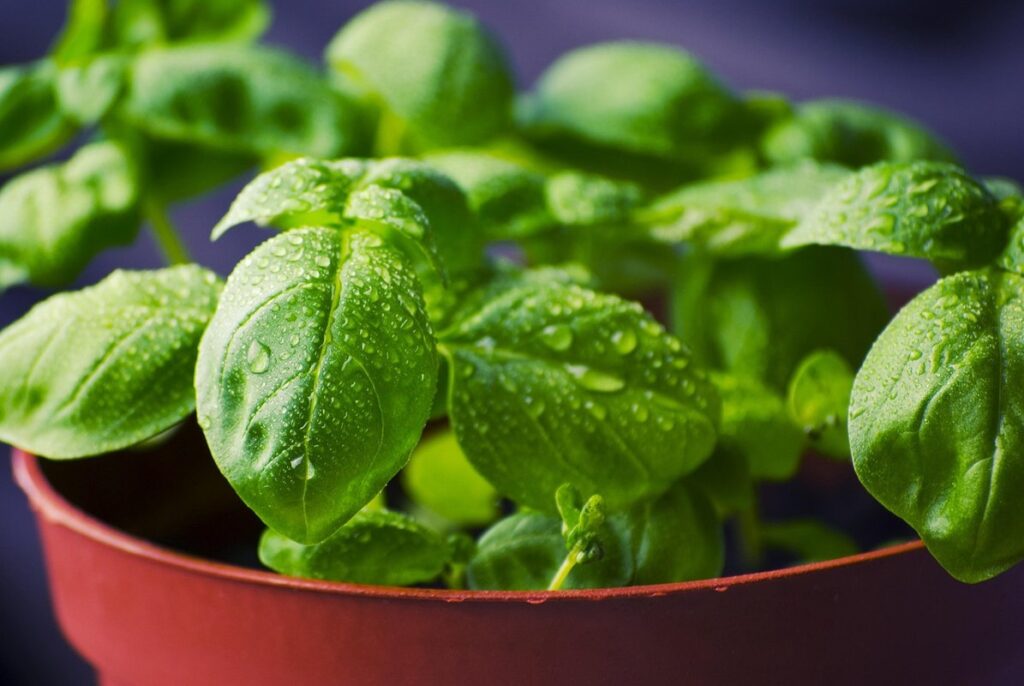
Choosing the Right Variety
When it comes to growing healthy and resilient basil, selecting the right variety for your climate and needs is a crucial step. Let’s explore the key factors to consider in choosing a thriving basil plant.
Selecting a Hardy Variety
When it comes to keeping basil alive, selecting a hardy variety is crucial. Not all basils are created equal when it comes to withstanding different environmental conditions. Look for varieties like ‘Genovese’, ‘Thai Basil’, or ‘African Blue’ which are known for their robust growth and ability to thrive in various environments.
These varieties can tolerate temperature fluctuations, humidity levels, and soil types that might be challenging for other basil types. For instance, ‘Genovese’ is a popular choice for its ability to grow well in cooler temperatures and moist soils, making it perfect for gardeners in northern regions or those who tend to overwater their plants.
When selecting a hardy variety, consider the climate you’re in. If you live in an area with hot summers, choose a basil that can handle high temperatures like ‘Thai Basil’. On the other hand, if you have cooler winters, opt for a variety like ‘African Blue’ that can tolerate frost and continue to grow.
In terms of soil type, some basils prefer well-draining soils while others can thrive in moist conditions. Research the specific needs of your chosen basil variety and ensure you provide the right environment for it to flourish. By selecting a hardy variety and providing the necessary care, you’ll be well on your way to keeping your basil alive and thriving all season long.
Understanding Basil’s Growing Requirements
Basil’s growth is heavily influenced by its environment. To keep your basil plants thriving, ensure they receive sufficient light. Basil loves full sun to partial shade, but be cautious not to overexpose it to direct sunlight, especially during peak hours when the sun’s rays can become too intense. East- or west-facing windows are ideal for indoor growing.
Temperature is another crucial factor in basil’s growth. Most varieties prefer daytime temperatures between 65°F and 75°F (18°C and 24°C) and nighttime temperatures around 55°F to 65°F (13°C to 18°C). Be wary of extreme temperature fluctuations, as this can lead to bolting or stunted growth.
Watering is also essential for basil’s survival. Keep the soil consistently moist but not waterlogged. Aim to provide about 1-2 inches of water per week, either through rainfall or irrigation. Avoid getting water on the leaves themselves, as this can promote fungal diseases. Instead, pour it at the base of the plant, allowing the roots to absorb the moisture.
Preparing the Soil
Before you start planting, it’s essential to prepare your soil for basil growth by loosening and aerating the earth to promote healthy root development. This step sets the foundation for a thriving basil plant.
Testing Your Soil pH Level
When growing basil, it’s essential to consider the soil pH level as it can greatly impact the plant’s growth and health. Basil prefers a slightly acidic to neutral soil pH, ranging from 6.0 to 7.0. If the pH is too high or too low, it can lead to nutrient deficiencies and affect the plant’s ability to absorb essential micronutrients.
To test your soil pH level, you’ll need a soil testing kit or send a sample to a laboratory for analysis. If using a DIY kit, follow the instructions carefully, as inaccurate readings can occur if not calibrated correctly. For example, if you’re growing basil in containers, use a small amount of potting mix and add it to the testing solution.
For indoor spaces, consider purchasing a digital soil pH meter for accurate readings. These meters are relatively affordable and provide quick results. If your soil pH is outside the ideal range, make adjustments by adding organic matter such as compost or peat moss to lower the pH, or lime to raise it.
Amending the Soil with Organic Matter
Adding organic matter to the soil is one of the most effective ways to improve its structure and fertility. When it comes to growing basil, a well-balanced soil with excellent drainage is crucial for healthy root development and nutrient uptake. Compost or well-rotted manure can work wonders in amending the soil.
Compost, in particular, is a rich source of nutrients that support microbial activity in the soil. As microorganisms break down organic matter, they release essential micronutrients like iron, magnesium, and sulfur that basil plants need to thrive. Regularly adding compost can also help regulate the pH level of your soil, which is vital for basil growth.
To incorporate organic matter into your soil mix, simply dig in 2-3 inches of compost or well-rotted manure when transplanting your basil seedlings. Alternatively, you can create a compost pile and let it break down over several weeks before mixing it with your existing soil.
Planting Basil
When planting basil, it’s crucial to choose a location that receives plenty of sunlight and has well-draining soil to prevent root rot. Select a spot with full sun for optimal growth.
When to Plant Basil
When it comes to planting basil, timing is everything. In most regions, spring and summer are ideal times for planting basil, but you’ll need to consider the frost dates and temperature fluctuations specific to your area.
In temperate climates with moderate winters (USDA zones 4-7), wait until after the last frost date, usually around late May or early June, to plant basil. This allows the soil to warm up, reducing the risk of root rot and promoting healthy growth. For warmer regions (USDA zones 8-10), you can start planting in early spring or even late winter, provided the temperature remains above 50°F (10°C).
In areas with mild winters (USDA zones 11-12), such as Southern California or Hawaii, you can plant basil year-round. However, be mindful of extreme heat waves and provide your plants with sufficient shade and water to prevent scorching.
When selecting a planting date, also consider the temperature fluctuations in your area. Basil prefers daytime temperatures between 65°F (18°C) and 75°F (24°C), while nighttime temperatures should not drop below 55°F (13°C).
Sowing Seeds vs. Transplanting Seedlings
When it comes to planting basil, one of the most crucial decisions you’ll make is whether to sow seeds directly into the ground or transplant seedlings from pots or trays. Each method has its pros and cons, and understanding these will help you choose the best approach for your specific situation.
Sowing seeds directly into the ground allows for a head start on the growing season. You can plant as soon as the weather permits, giving your basil plants an early start on their growth cycle. This method also eliminates the risk of seedlings getting root-bound in small pots. However, direct sowing requires more precise soil conditions and a consistent moisture level to ensure proper germination.
On the other hand, transplanting seedlings from pots or trays provides a more controlled environment for young plants. Seedlings are typically grown in a nursery setting, where they receive optimal care and attention before being transferred to their final location. This method can be beneficial if you’re planting in areas with poor soil quality or unpredictable weather conditions. However, it requires more time and effort to harden off the seedlings and ensure a smooth transition.
Ultimately, the choice between sowing seeds directly into the ground or transplanting seedlings from pots or trays depends on your specific needs and circumstances. Consider factors such as climate, soil quality, and available space when making your decision. With proper care and attention, either method can yield healthy, thriving basil plants.
Watering and Humidity
To keep your basil thriving, it’s essential to understand how much water and humidity it needs. This section will walk you through the ideal watering and humidity levels for a healthy basil plant.
Understanding Basil’s Water Requirements
Basil’s water requirements can be a bit tricky, but with the right schedule, you’ll be on your way to growing lush and healthy basil. Overwatering is one of the most common mistakes people make when it comes to caring for basil, so let’s dive into how often to water this popular herb.
To determine the optimal watering schedule for your basil, consider the climate and soil type. If you live in a hot and dry region, you’ll need to water your basil more frequently than someone living in a cooler, more humid environment. In general, it’s best to water your basil when the top inch of soil feels dry to the touch. You can also check by gently sticking your finger into the soil – if it feels damp, wait another day or two before watering again.
As a rough guide, water your basil once or twice a week during the spring and summer months when it’s actively growing. During the fall and winter months, you can reduce watering to about once every 10-14 days. Remember to also check for signs of overwatering, such as yellowing leaves or a soft, mushy stem – these are usually a sign that your basil is getting too much water.
Maintaining Proper Humidity Levels
Maintaining high humidity levels around basil plants is crucial, especially if you live in a dry climate or experience hot summer months. Basil thrives in humid environments, typically between 40-60% relative humidity. When the air is too dry, the plant’s leaves may start to wilt, turn yellow, and drop off prematurely.
In areas with low humidity, consider using a humidifier near your basil plant to maintain an optimal environment. You can also place the pot on a tray filled with water and pebbles to create a microclimate around the roots. As the water evaporates, it will increase the surrounding humidity levels.
Monitor your basil’s response to humidity levels by checking its leaves regularly. If you notice wilting or discoloration, adjust the humidifier or move the plant to a more humid area. In cooler months, reduce humidity slightly to prevent fungal diseases from developing. By keeping an eye on humidity levels and making adjustments as needed, you can help your basil thrive year-round.
Pest and Disease Management
To keep your basil thriving, it’s essential to address common pests and diseases that can harm your plants. We’ll discuss simple yet effective methods for prevention and treatment.
Identifying Common Pests and Diseases
When it comes to keeping basil alive, there are several common pests and diseases that you should be aware of. One of the most prevalent pests is aphids, tiny sap-sucking insects that can cause curled or distorted leaves. To spot aphids, look for a sticky substance called honeydew on your plant’s leaves or stems.
Spider mites are another common pest that can weaken basil plants. These microscopic arachnids spin fine webs and feed on the plant’s sap, causing yellowing or bronzing of the leaves. Check for spider mite damage by gently tapping a leaf over a white sheet of paper – if you see tiny moving dots, it could be an infestation.
Diseases like powdery mildew and downy mildew can also affect basil plants. Powdery mildew appears as a white or grayish coating on the leaves, while downy mildew causes yellowing leaves with black spots. To prevent these diseases, ensure good air circulation around your plant and avoid overhead watering.
Regularly inspect your basil plant for signs of pests or disease, and take action promptly if you notice any issues. Isolate infected plants to prevent the problem from spreading, and consider using organic pest control methods like neem oil or insecticidal soap to manage infestations.
Organic and Chemical Controls for Basil Pests and Diseases
Basil is a delicate herb that’s prone to various pests and diseases. To keep your basil alive, you’ll need to manage these issues effectively. One approach is Integrated Pest Management (IPM), which involves using a combination of techniques to minimize harm to the environment.
For organic controls, consider introducing beneficial insects like ladybugs or lacewings, which prey on common basil pests like aphids and whiteflies. You can also use neem oil or insecticidal soap to control infestations without harming beneficial insects.
Chemical controls are an option when problems persist. However, always follow label instructions carefully and take necessary precautions to minimize exposure. Examples of chemical controls include permethrin for aphid control and imidacloprid for whitefly management.
To prevent diseases like powdery mildew or downy mildew, ensure good air circulation around your basil plants. You can also use fungicides if the problem persists. To avoid overusing chemicals, consider implementing IPM strategies that combine multiple techniques, such as removing infected leaves and practicing crop rotation.
Some key points to keep in mind:
* Regularly inspect your basil for signs of pests or diseases
* Use a combination of organic and chemical controls as needed
* Practice good hygiene when handling plants to minimize the spread of disease
* Keep records of what you’ve applied and when to avoid overusing chemicals
Tips for Long-Term Care and Propagation
Now that you’ve got your basil thriving, it’s time to think about long-term care and how to propagate more plants so you can enjoy this flavorful herb all year round.
Pruning and Pinching to Encourage Growth
Pruning and pinching are essential techniques for keeping basil plants healthy and thriving. By regularly removing flower buds and encouraging bushy growth, you can promote leaf production and prevent the plant from flowering prematurely. This not only improves the appearance of your basil but also encourages it to focus its energy on producing flavorful leaves.
When pruning basil, simply pinch or cut off any flower buds that appear at the tips of the stems. This will redirect the plant’s energy towards developing more leaves rather than seeds. You can also trim back long stems by about a third to encourage branching and promote a bushy shape. For pinching, use your fingers or a pair of tweezers to gently pinch off the top sets of leaves, leaving two or three pairs intact.
By adopting these simple pruning and pinching techniques, you’ll be rewarded with a more compact, robust basil plant that produces an abundance of fragrant leaves. Regular maintenance like this will also help prevent pest and disease issues, keeping your basil healthy for a longer period. Remember to prune and pinch regularly to maintain the optimal shape and promote continued growth.
Propagating Basil through Cuttings or Division
Propagating basil through cuttings or division is an excellent way to keep this fragrant herb alive and thriving. Not only does it save you money on buying new plants, but it also ensures a continuous supply of fresh basil leaves throughout the growing season.
To propagate basil through cuttings, start by selecting healthy stems with at least two nodes (the small joints where leaves meet the stem). Cut off these sections using a sharp knife or pruning shears, making sure each cutting has at least one node. Remove lower leaves to prevent them from sitting in water and promote healthy root growth.
For division, wait until your mature basil plant has outgrown its container. Gently dig it up, taking care not to damage the roots. Use a fork to separate the roots into sections, making sure each section has at least one set of leaves. Plant these divisions in well-draining soil and water thoroughly.
Aftercare is crucial for successful propagation. Water your new cuttings or divisions regularly but avoid overwatering, which can lead to root rot. Provide plenty of indirect sunlight and maintain a consistent temperature between 65°F to 70°F (18°C to 21°C) for optimal growth. With proper care, you’ll have new basil plants thriving in no time!
Troubleshooting Common Issues
Even seasoned gardeners can encounter problems keeping basil alive, but don’t worry, we’ve got you covered. This section addresses common issues and their easy-to-execute solutions.
Identifying and Addressing Nutrient Deficiencies
As you tend to your basil plants, it’s not uncommon for them to develop nutrient deficiencies that can hinder their growth and overall health. One of the most common issues is nitrogen deficiency, which can cause yellowing leaves and stunted growth. To address this, you can apply a balanced fertilizer rich in nitrogen during the growing season.
Another common deficiency is potassium shortage, often referred to as “yellow tip” disease. This can be identified by yellow or white tips on the leaves, and can be corrected with a fertilizer that’s high in potassium. On the other hand, if your basil plants are suffering from magnesium deficiency, you may notice interveinal chlorosis, where the veins of the leaves remain green but the surrounding tissue turns yellow.
To avoid these deficiencies altogether, consider using a well-balanced fertilizer and rotating your plants regularly to prevent soil depletion. It’s also essential to water them consistently, as overwatering can lead to nutrient deficiencies by washing away beneficial nutrients from the soil. Regularly monitoring your plant’s health will help you catch any issues early on, allowing for timely intervention and correction.
Solving Water-Related Problems
Basil plants are notoriously sensitive to watering, and improper hydration can lead to some serious problems. Overwatering is one of the most common mistakes gardeners make when it comes to keeping basil alive. If you notice yellow leaves or soft stems on your basil plant, it’s likely a sign that it’s getting too much water. To address this issue, repot your basil in well-draining soil and make sure the pot has sufficient drainage holes to prevent waterlogged soil.
On the other hand, underwatering can also be detrimental to your basil plant. If you notice crispy leaves or a wilted appearance, it may be time to give your plant a good soaking. To avoid overcorrection, start by watering your plant thoroughly and then allowing the top 1-2 inches of soil to dry out between waterings.
Regularly inspecting your basil plant’s roots can also help prevent root rot, which occurs when excess moisture causes the roots to break down. If you notice any soft or mushy areas on the roots, it’s best to trim them off and repot your basil in fresh, well-draining soil.
Frequently Asked Questions
How do I know if my basil plant is getting enough light?
Basil needs at least 4-6 hours of direct sunlight per day to thrive. If you’re growing indoors, consider moving the pot to a brighter location or supplementing with grow lights. Monitor your plant’s growth and adjust its position accordingly.
What happens if I forget to water my basil for a few days?
While basil is relatively drought-tolerant, prolonged neglect can cause damage. Yes, it will recover from short periods of underwatering, but continuous dry spells can lead to root rot and pest infestations. Monitor your plant’s watering needs and adjust accordingly.
Can I grow multiple varieties of basil together in the same pot?
While basil plants can be grown in close proximity, different varieties may have competing growth habits or require distinct care. To ensure harmonious coexistence, research compatible pairings (like Genovese and Thai Basil) and maintain separate pots for each variety.
How do I deal with whiteflies on my basil plant?
Whiteflies are pesky pests that can decimate your basil crop quickly. Yes, they’re attracted to stressed plants, so focus on maintaining optimal care, including proper watering and pruning practices. Consider using organic or chemical controls (like neem oil or insecticidal soap) to control infestations.
Can I propagate basil through division in the fall, or should I wait until spring?
Basil can be propagated through division at any time when new growth appears. While it’s true that dividing in spring can yield more robust results, you can still successfully divide and replant in the fall for a head start on the next growing season. Monitor your plant’s condition and timing to ensure optimal propagation success.