
If you’re an aloe vera enthusiast or just starting to cultivate these beautiful plants, you know how essential proper care is for their growth. But did you know that soil plays a crucial role in your aloe’s health? The right soil can make all the difference between a thriving plant and one struggling with common issues like root rot, yellowing leaves, and poor water absorption. In this article, we’ll explore the best soil options for aloe vera, including tips on achieving optimal pH balance, ensuring proper drainage, and incorporating organic amendments to create an ideal environment for your plants to flourish. We’ll also discuss common problems and solutions for healthy growth, so you can say goodbye to pests and hello to vibrant, happy aloes!
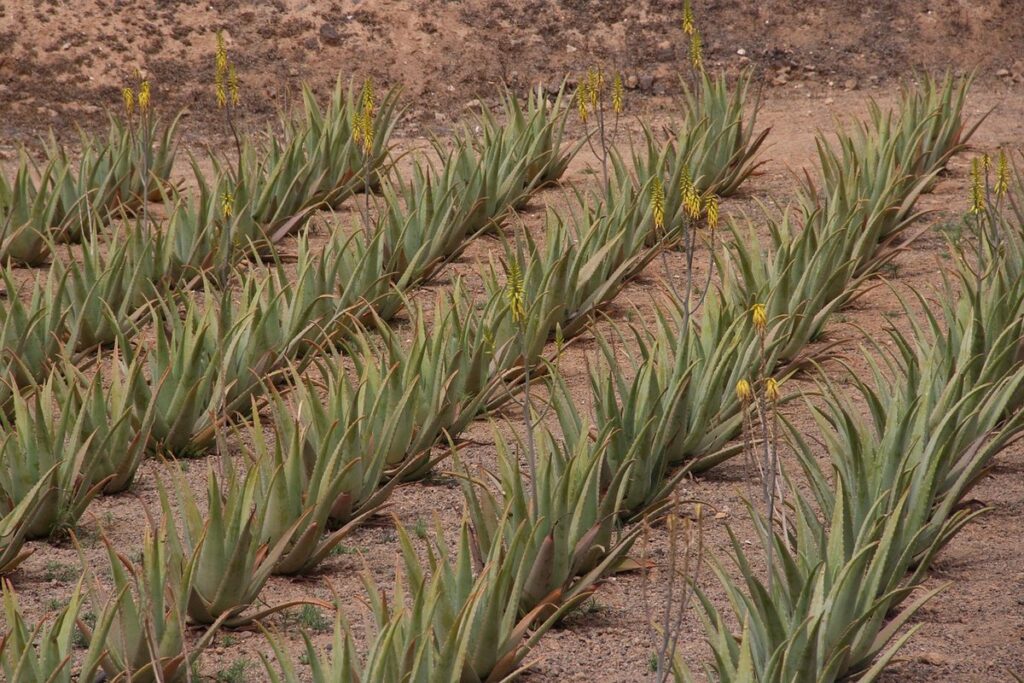
Understanding Aloe Vera’s Soils Requirements
To grow thriving aloe vera plants, it’s essential to understand their specific soil needs, including pH level and nutrient requirements that ensure optimal growth. Let’s dive into what makes aloe vera happy in its roots.
The Importance of Well-Draining Soil
Aloe vera plants are notorious for being sensitive to waterlogged soils, which can lead to root rot and other devastating consequences. To prevent this from happening, it’s essential to provide your aloe vera with well-draining soil that allows excess moisture to escape quickly.
Ideal draining soil should have good aeration, meaning it should be loose and porous enough to allow roots to breathe easily. This can be achieved by mixing in organic matter such as compost or perlite, which will help break up clay particles and improve the overall structure of the soil. You can also repurpose materials like broken pottery or even sand to enhance drainage.
When choosing a potting mix for your aloe vera, look for products specifically designed with drainage in mind. These mixes usually contain ingredients like coconut coir, pine bark, or other organic matter that promote healthy root growth while preventing waterlogged conditions. By giving your aloe vera the right soil, you’ll be able to enjoy its benefits without worrying about common problems associated with poor soil quality.
pH Balance and Aloe Vera
Aloe vera prefers to thrive in slightly acidic to neutral soil pH, ranging from 6.0 to 7.5. While this range might seem narrow, it’s crucial for the plant’s optimal growth and health.
If the soil pH drops below 6.0, aloe vera may start to experience nutrient deficiencies, leading to weakened roots and reduced water uptake. Conversely, if the pH exceeds 7.5, the plant may become susceptible to root rot and other diseases. To give you a better understanding of this delicate balance, consider that most commercial potting mixes have a neutral pH between 6.3 and 6.8.
One way to achieve an optimal pH is by incorporating organic matter like compost or peat moss into your soil mix. These additives help buffer the soil’s pH, making it more stable for aloe vera growth. For instance, adding a 20% compost mixture to your potting soil can ensure a slightly acidic to neutral pH, ideal for healthy aloe vera development.
When working with aloe vera, it’s essential to regularly check and adjust the soil pH as needed. This might involve re-potting the plant in fresh soil or using pH-adjusting fertilizers. By maintaining an optimal pH balance, you’ll be providing your aloe vera with the best chance to thrive and produce its renowned medicinal benefits.
Types of Soil for Aloe Vera Cultivation
When it comes to choosing the right soil for your aloe vera plant, understanding the different types is crucial for optimal growth and health. We’ll explore three primary categories of soil suitable for aloe vera cultivation.
Sandy Soils: Pros and Cons
Aloevera enthusiasts often debate about using sandy soils for their plants, and it’s not hard to see why. On one hand, sandy soils have excellent drainage properties that can prevent waterlogged soil conditions, a common issue with many aloe vera varieties. This is especially beneficial for plants grown in areas prone to heavy rainfall or overwatering. Imagine being able to repot your aloe vera in a well-draining mix and never having to worry about root rot again!
However, there’s a catch: sandy soils often lack essential nutrients that aloe vera needs to thrive. These nutrient-poor conditions can lead to stunted growth, weakened roots, and lower yields. To overcome this limitation, you’ll need to supplement your soil with fertilizers or add organic matter like compost to enrich its nutritional profile.
If you still want to use sandy soils for your aloe vera, consider blending it with other types of soil that are nutrient-rich. This will give you the best of both worlds: excellent drainage and adequate nutrition.
Clay Soils: Suitable for Aloe Vera?
When it comes to growing aloe vera, clay soils may be worth considering due to their high water-holding capacity. These types of soils can retain moisture for an extended period, reducing the need for frequent watering. In fact, studies have shown that plants grown in clay soils experience less stress from drought conditions compared to those in sandy or loamy soils.
However, it’s essential to exercise caution when using clay soils for aloe vera cultivation. Clay soils can also lead to waterlogging issues if not managed properly. This occurs when the soil becomes too saturated with water, causing roots to rot and leading to root diseases. To avoid this, ensure good drainage by incorporating organic matter like compost or perlite into your potting mix.
If you do decide to use clay soils for aloe vera cultivation, make sure to monitor the moisture levels closely. Water your plants sparingly during their dormant season, allowing the soil to dry slightly between waterings. By being mindful of these potential drawbacks and taking steps to mitigate them, you can successfully grow aloe vera in clay soils.
Organic Amendments for Improved Soil Quality
To achieve optimal soil quality for your aloe vera, consider incorporating natural and organic amendments that not only nourish but also protect the environment. Effective choices include composted manure and worm casting.
Compost: Enhancing Nutrient Availability
When it comes to creating an optimal environment for aloe vera growth, incorporating compost into your soil is essential. Compost can enrich the soil with a wide range of nutrients that are vital for plant development. By improving the soil’s structure and fertility, you’ll be providing your aloe vera plants with everything they need to thrive.
Composting benefits aloe vera growth in several ways: it increases water retention, reduces soil erosion, and promotes healthy microbial activity. This, in turn, enhances nutrient availability, which is particularly important for aloe vera as it’s prone to nutrient deficiencies. For example, compost-rich soils are known to improve aloe vera’s resistance to pests and diseases by boosting its immune system.
To make the most of composting, start by creating your own compost heap using kitchen scraps, leaves, and other organic materials. You can also purchase pre-made compost from local nurseries or gardening stores. Aim to mix 2-3 inches of compost into the top layer of soil when planting aloe vera, and continue adding it as needed throughout the growing season.
Manure Tea: A Natural Fertilizer
Manure tea is an excellent natural fertilizer that promotes beneficial microbes in the soil, improving nutrient availability for your aloe vera plants. By brewing manure and then steeping it as a liquid solution, you create a rich source of nutrients that will feed your aloe’s roots without burning them.
To make manure tea, collect 5-10 gallons of composted animal manure (such as chicken or cow dung) in a bucket. Allow it to sit for 24-48 hours before straining and diluting the liquid with water at a ratio of 1:10. This diluted solution can then be applied directly to the soil around your aloe vera plants.
When using manure tea, apply it as a foliar spray or add it to the watering can to provide an extra boost of nutrients to your aloe vera’s roots. A general rule of thumb is to use 1-2 cups of manure tea per gallon of water. This will not only improve soil health but also create an environment that promotes beneficial microbes and improves nutrient uptake for healthy plant growth.
Soil Testing and Maintenance
When it comes to growing healthy aloe vera, understanding your soil is crucial. In this next step, we’ll cover essential soil testing and maintenance techniques for optimal plant growth.
Why Soil Testing Matters for Aloe Vera
When it comes to growing aloe vera, having the right soil is just the beginning. You also need to ensure that your plant’s soil environment is conducive to healthy growth and development. This is where regular soil testing comes into play. By regularly testing your soil, you can identify potential issues that might be hindering your aloe vera’s progress.
Soil testing can help you determine if your soil is too alkaline or acidic, which can affect the plant’s ability to absorb nutrients. For instance, aloe vera prefers slightly acidic to neutral soil pH, ranging from 6.0 to 7.5. If your soil is too alkaline, it may lead to nutrient deficiencies and other problems.
To get started with regular soil testing, you’ll need a soil testing kit or consult with a local nursery or gardening expert. They can help you collect a sample of your soil and provide guidance on how to interpret the results. By making adjustments based on your test results, you can create an optimal growing environment for your aloe vera plant, ensuring it stays healthy and thrives in its pot.
Tips for Maintaining Healthy Soil
To keep your aloe vera plants thriving, it’s essential to maintain healthy soil. Healthy soil is the foundation of a healthy plant, and regular maintenance will ensure that your aloe vera stays happy and produces plenty of gel-filled leaves. One of the most critical aspects of maintaining healthy soil is monitoring its pH levels. Most aloe vera species prefer a slightly acidic to neutral soil pH, ranging from 6.0 to 7.5.
To check the pH level of your soil, you can purchase a DIY soil testing kit or send a sample to a lab for analysis. Once you know your soil’s pH level, you can take steps to adjust it if necessary. Adding lime will increase the pH, while sulfur or aluminum sulfate will decrease it. Regularly testing and adjusting the pH level of your soil will prevent nutrient deficiencies and promote healthy root growth.
Adequate moisture is also crucial for maintaining healthy aloe vera plants. Soil that’s too dry can lead to dehydration, while overwatering can cause root rot. To maintain optimal soil moisture levels, make sure the top 1-2 inches of soil are moist but not waterlogged. Use a drip irrigation system or soaker hose to deliver water directly to the roots, reducing evaporation and runoff.
Another essential aspect of maintaining healthy soil is adding organic matter. Compost or well-rotted manure will enrich your soil with beneficial microbes, nutrients, and minerals. Mix 1-2 inches of compost into the top 6-8 inches of soil to create a nutrient-rich environment for your aloe vera plants. By following these simple tips, you’ll be on your way to growing thriving, healthy aloe vera in no time.
Common Soil-Related Problems and Solutions
When growing aloe vera, it’s not just about choosing the right soil, but also knowing how to address common problems that can arise, such as drainage issues.
Root Rot: A Common Issue in Overwatering
Overwatering is one of the most common mistakes aloe vera enthusiasts make. While it’s natural to water your plants regularly, excessive moisture can be detrimental to their health. Root rot, a condition caused by overwatering, occurs when the roots of your aloe vera plant become too saturated with water, leading to root decay and potentially even death.
To prevent root rot, ensure that you’re not watering your aloe vera plant more frequently than necessary. Check the soil moisture by inserting your finger into the soil up to the first knuckle. If the soil feels dry, it’s time for watering. Avoid getting water on the leaves or crown of the plant, as this can lead to rot and other issues.
A good rule of thumb is to water your aloe vera only when the top inch of soil feels dry. This allows for some flexibility in case you forget to water from time to time. Additionally, make sure your pot has proper drainage holes to prevent waterlogged soil. By being mindful of watering schedules and providing adequate drainage, you can significantly reduce the risk of root rot and keep your aloe vera plant thriving.
Waterlogging: How to Identify and Correct It
Waterlogging is a common issue that can be detrimental to your aloe vera plants. Poor drainage in the soil leads to water accumulation, causing roots to rot and increasing the risk of fungal diseases. To identify waterlogging issues, look for signs such as yellowing leaves, soft stems, or a soggy appearance.
If you suspect waterlogging, check the soil’s moisture levels by inserting your finger into the soil up to the first knuckle. If it feels wet or squelchy, it’s likely too moist. Avoid watering your aloe vera during this time and instead focus on improving drainage in the pot. You can achieve this by adding a layer of perlite, grit, or sand at the bottom of the container to allow excess water to escape.
Monitor your aloe vera’s behavior closely after making these adjustments. If you continue to notice signs of waterlogging, consider repotting your plant into a well-draining mix specifically designed for cacti and succulents. By addressing this issue promptly, you can ensure your aloe vera stays healthy and thrives in its optimal environment.
Conclusion and Final Tips
Now that you’ve learned about the best soil for your aloe vera plant, it’s time to put it into action. Remember, the key is to create an environment that mimics its natural habitat as closely as possible. If you’re planting in a pot, use a well-draining potting mix specifically designed for cacti and succulents. Avoid using regular garden soil, as it can retain too much water and cause root rot.
When repotting your aloe vera, gently remove the plant from its old pot and inspect the roots. If they’re circling or growing out of the container, trim them back to encourage healthy growth. Finally, keep in mind that even with the best soil, aloe vera plants can be sensitive to overwatering. Check the soil moisture regularly and only water when necessary to avoid drowning your plant.
Frequently Asked Questions
Can I use regular potting soil for my aloe vera plants, or do I need to buy specialized aloe vera soil?
You can start with regular potting soil, but it’s worth noting that most commercial potting soils are formulated for general-purpose plants and may not provide the optimal environment for aloe vera. If you notice issues like poor drainage or nutrient deficiencies, consider switching to a more specialized soil mix.
How do I know if my aloe vera is getting too much water due to poorly draining soil?
Keep an eye out for yellowing leaves, soft spots on the stem, or an unpleasant odor from the plant. If you suspect overwatering, check the drainage holes in your pot and ensure they’re not clogged. Consider repotting your aloe vera in well-draining soil to prevent root rot.
What’s the best way to maintain healthy soil pH for my aloe vera?
To achieve optimal growth, aim for a slightly acidic to neutral pH range (around 6.0-7.0). You can use a DIY pH test kit or consult with a local nursery expert to determine your water and soil quality. Adjustments may be needed based on your specific climate and region.
Can I mix organic amendments like compost and manure tea into my existing potting soil?
Yes, incorporating these amendments can enhance nutrient availability for your aloe vera. Mix in 1-2 inches of compost or use 1 cup of manure tea per gallon of water as a foliar spray. However, be cautious not to over-fertilize, as this can cause more harm than good.
How often should I repot my mature aloe vera plant, and what are the signs it needs re-potting?
Aloes typically don’t require frequent repotting, but older plants may need fresh soil every 2-3 years. Look for signs like slowed growth, weak roots, or visible nutrient deficiencies in the old soil. Repot your aloe vera in spring or summer when it’s actively growing, and make sure to choose well-draining soil and a slightly larger pot to accommodate its mature root system.