
Are you ready to unlock your full potential as an urban gardener? Or maybe you’re just looking for a way to add some fresh flavor to your cooking routine? Either way, designing and maintaining a thriving herb garden is easier than you think. With a little creativity and the right guidance, you can create a stunning outdoor space that’s not only visually appealing but also functional.
In this article, we’ll share over 10 inspiring ideas for herb garden design, from simple layouts to more complex themes. We’ll cover everything from choosing the perfect herbs to incorporating them into your cooking routine. Whether you’re a seasoned gardener or just starting out, our expert guide will walk you through the process of designing and maintaining a beautiful and productive herb garden that brings joy to your life.
Understanding Your Herb Garden Needs
To create a thriving herb garden, it’s essential to consider your specific climate, soil type, and personal preferences for cooking. Let’s dive into understanding these needs together.
Choosing the Right Location
When choosing the right location for your herb garden, sunlight is one of the most critical factors to consider. Most herbs require at least 4-6 hours of direct sunlight per day, with some varieties needing as much as 8 hours. For example, basil and mint thrive in full sun, while delicate herbs like parsley and cilantro prefer partial shade.
The soil type is another essential consideration. Herbs generally prefer well-draining soil that’s rich in organic matter. If your garden has heavy clay or sandy soil, it may be necessary to amend the soil with compost or other additives. For instance, if you’re growing Mediterranean herbs like rosemary and thyme, which are drought-tolerant, a south-facing location with good drainage will suit them perfectly.
Wind direction is also important, as strong gusts can damage or dry out your plants. A location that provides some protection from prevailing winds will help maintain the moisture levels in the soil.
Planning Your Herb Garden Size
When planning your herb garden size, it’s essential to consider the space constraints you have available and the potential uses for each size. Small herb gardens are perfect for tiny balconies, patios, or even indoor spaces. They require minimal maintenance and can produce a significant amount of herbs for cooking. For instance, a 2×4 foot bed can yield up to 20 different herbs.
Medium-sized herb gardens offer more flexibility and allow for a diverse selection of herbs. These gardens are ideal for small yards or larger balconies, and they provide ample space for companion planting. A 4×8 foot bed can accommodate multiple herbs, such as basil, mint, and rosemary, which thrive in different conditions.
Large herb gardens, typically measuring over 6 feet by 10 feet, offer the ultimate flexibility and opportunities for creative design. These expansive spaces enable you to grow a wide variety of herbs, including those that require more space, like lemongrass or thyme. They also provide room for decorative features, such as pathways and trellises, making them perfect for both functional and aesthetic purposes.
Ultimately, the size of your herb garden will depend on your available space and personal preferences. Consider what types of herbs you want to grow, how much time you can dedicate to maintenance, and whether you need additional features like seating or lighting.
Herb Garden Themes and Styles
When it comes to designing a unique herb garden, exploring different themes and styles can add an extra layer of depth and personality. Let’s dive into some popular options that will inspire your outdoor space.
Whimsical Herb Gardens
Create a whimsical herb garden that transports you to an enchanted world. Inspired by fantasy and fairy tales, these designs add visual interest and personality to your outdoor space.
When incorporating elements of fantasy into your herb garden design, consider what sparks your imagination. Are you drawn to magical creatures like unicorns or dragons? Perhaps you’re inspired by mythical realms like Narnia or Wonderland. Whichever theme resonates with you, use it as a starting point for planning your whimsical garden.
To bring the magic to life, think about incorporating design elements that evoke fantasy and wonder. Use planters and trellises shaped like castles, flowers, or animals to add visual interest. Consider using colored glass or stained wood accents to give your herb garden an otherworldly feel. And don’t be afraid to get creative with your plant selection – choose herbs and flowers in unusual colors or shapes to create a truly unique and enchanting space.
By embracing whimsy in your design, you’ll not only add visual appeal but also create a sense of wonder and magic in your herb garden.
Rustic and Cottage-Style Herb Gardens
When it comes to creating a rustic and cottage-style herb garden, incorporating natural materials into your design is key. Think stone, wood, and brick – these elements will give your garden a cozy, country feel that’s perfect for a tranquil retreat.
To start, consider using stone or brick as the base material for your raised beds or pathways. Not only are they durable and low-maintenance, but they also add warmth and texture to your space. For example, flagstone or bluestone can be used to create a meandering path that invites you to wander through the garden.
Wooden planters, trellises, and benches are another great way to bring natural materials into your design. Look for reclaimed wood or weathered cedar for a distressed, vintage look that adds character to your space. You can also use wooden crates or old pallets to create a whimsical herb planter or display shelf.
When combining these materials, remember to balance texture and scale to avoid overwhelming the senses. Mix large stone slabs with smaller brick planters, or pair weathered wood with a few strategic splashes of bright greenery. The result will be a charming, rustic herb garden that’s perfect for snipping fresh herbs and enjoying the beauty of nature.
Selecting the Right Herbs for Your Garden
When designing your herb garden, choosing the right herbs is crucial to its success and functionality. Let’s explore some tips on selecting a diverse yet harmonious mix of herbs that thrive in your climate.
Culinary Herbs
When it comes to selecting culinary herbs for your garden, there are several popular varieties that are staples in many kitchens. Three of the most common and versatile herbs used in cooking are basil, rosemary, and thyme.
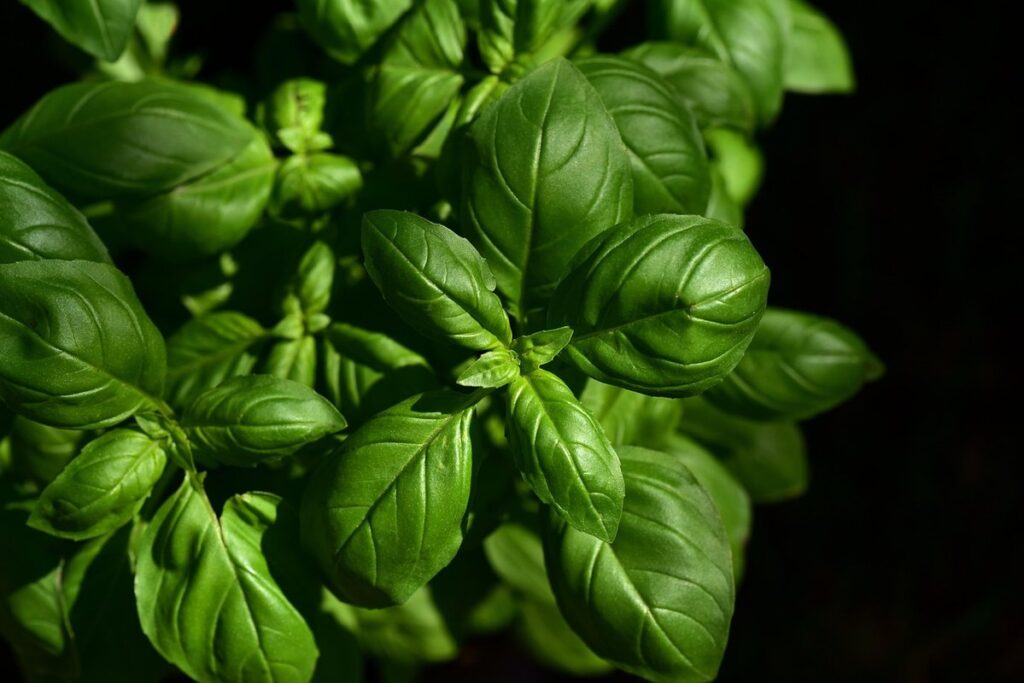
Basil is a warm-season crop that thrives in well-draining soil and full sun. It’s an annual herb that requires regular watering and fertilization to produce large leaves and fragrant flowers. Use fresh basil in pesto sauces, salads, and as a garnish for pasta dishes and soups.
Rosemary is a hardy, evergreen perennial that can tolerate drought and poor soil conditions. However, it prefers well-draining soil and full sun to partial shade. Pinch off flower buds to encourage leaf growth and use rosemary in roasted meats, vegetables, and as a fragrant herb for breads and soups.
Thyme is another low-maintenance herb that prefers well-draining soil and partial shade. It’s an evergreen perennial that requires minimal watering and fertilization. Use thyme in soups, stews, and meat dishes, or as a garnish for salads and vegetables.
Medicinal and Aromatic Herbs
When selecting herbs for your garden, it’s essential to consider not only their flavor and aroma but also their medicinal and aromatic properties. Some popular herbs with medicinal benefits include echinacea, which is known for its immune-boosting properties, and chamomile, which can be used to calm anxiety and promote relaxation.
On the other hand, herbs like lavender and lemon balm are prized for their fragrance and can add a delightful scent to your garden. Lavender is particularly popular for its calming effects and beautiful purple flowers, while lemon balm has a light citrusy aroma that repels pests and attracts pollinators.
Consider incorporating these medicinal and aromatic herbs into your herb garden design by grouping them together in a dedicated section or interspersing them among other plants. For example, you could create a “relaxation zone” with chamomile and lavender, or a “fragrant border” featuring lemon balm and rosemary. This will not only add visual interest to your garden but also provide a functional purpose by promoting well-being and attracting beneficial insects.
Designing Your Herb Garden Layout
When it comes to designing your herb garden, creating a visually appealing layout is just as important as choosing the right plants. Let’s explore some practical tips for arranging your herbs in harmony with their surroundings.
Circular and Symmetrical Designs
Circular designs can create a beautiful, harmonious look in an herb garden. A circular bed often starts from a central point and expands outward, creating a visually appealing pattern that draws the eye to the center. To incorporate this design style into your herb garden layout, consider starting with a single statement plant or focal feature at the center, such as a large rosemary or a showy lavender.
To create a more formal look, balance the circular shape with symmetrical plant placement on either side of the central point. For example, place identical pairs of herbs like basil and mint along the outer curve of the circle, creating a mirrored effect that enhances the overall visual appeal of the garden. Symmetrical designs can also help to create a sense of order and stability in smaller spaces.
One key consideration when designing a circular or symmetrical herb garden is plant selection. Choose varieties with contrasting foliage textures and colors to add depth and interest to the design.
Informal and Meandering Paths
Creating meandering paths through your herb garden is an excellent way to cultivate a more relaxed atmosphere. By incorporating informal and winding pathways, you can transform your garden into a serene oasis that invites exploration and contemplation.
One of the primary benefits of meandering paths is that they encourage visitors to slow down and take in their surroundings. Unlike straight-lined or grid-like arrangements, meandering paths invite strolling and discovery, allowing you to appreciate the unique characteristics of each herb variety up close.
To create a meandering path, start by selecting a few key plants with varying textures, heights, and growth habits. Then, use natural materials like stone, wood chips, or gravel to create a winding course that weaves through your garden beds. Consider incorporating curved sections, zigzags, or even small bridges to add visual interest.
As you design your meandering path, remember to balance ease of navigation with visual appeal. Avoid making the path too narrow or winding, as this can make it difficult to navigate and may lead to frustration. By striking a balance between form and function, you’ll be able to create a peaceful retreat that nurtures both body and soul.
Incorporating Decorative Elements
To add visual interest and personality to your herb garden, incorporating decorative elements is a great place to start. We’ll explore some inspiring ideas for you to try.
Water Features and Fountains
Incorporating water features into your herb garden design can be a game-changer for both ambiance and wildlife attraction. Not only do they create a soothing visual effect, but also provide a source of hydration for plants and attract beneficial insects.
Water features like fountains or small ponds not only purify the air by releasing negative ions but also help to regulate the microclimate within your herb garden. This can lead to healthier plant growth, increased yields, and reduced pest issues. For instance, the gentle sound of running water can mask other distracting sounds, creating a peaceful atmosphere perfect for meditation or relaxation.
When designing your water feature, consider the type of plants you’re growing alongside it. Some herbs like mint, lemongrass, and basil love moist environments, so a small pond or fountain would be an excellent choice. Incorporating rocks or gravel around the water feature can also help to prevent erosion and create a visually appealing contrast with surrounding foliage.
To attract beneficial wildlife, incorporate plants that provide shelter, food, or breeding grounds for birds, bees, and butterflies. Consider adding native flowers like lavender or coneflower nearby to support local pollinators.
Seating Areas and Pathways
When designing your herb garden, it’s easy to get caught up in choosing the perfect plants and layout. However, don’t forget about one of the most important aspects: creating a welcoming space for relaxation and exploration. This is where seating areas and pathways come into play.
Imagine yourself strolling through your herb garden on a warm summer afternoon, surrounded by fragrant herbs and vibrant colors. You take a seat at a charming bench, surrounded by lush foliage, and enjoy a refreshing tea made from the very plants growing around you. To create this experience in your own garden, consider incorporating comfortable seating areas and meandering pathways.
A well-designed pathway can invite visitors to explore every nook and cranny of your herb garden. Use meandering paths to guide visitors through different sections of your garden, or create a sense of drama by using raised beds or elevated platforms to separate different areas. Don’t forget about lighting – soft outdoor lamps or solar-powered lanterns can add ambiance and make your seating areas feel even cozier. By incorporating these elements, you’ll be creating an herb garden that’s not just beautiful, but also inviting and relaxing.
Maintenance and Upkeep for a Thriving Herb Garden
To keep your herb garden thriving, regular maintenance is crucial. Learn how to prune, water, and fertilize your herbs for optimal growth and health.
Watering and Fertilization Tips
When it comes to maintaining a thriving herb garden, proper watering and fertilization are crucial. Over- or under-watering can be detrimental to your herbs’ health, while inadequate fertilization can hinder their growth and flavor.
In general, most herbs prefer well-draining soil and should be watered when the top inch of soil feels dry to the touch. However, specific climate conditions require adjustments: in hot, dry climates, increase watering frequency; in humid environments, reduce watering to prevent root rot. For example, basil prefers moist soil but can be susceptible to fungal diseases in overly wet conditions.
To fertilize your herbs effectively:
* Use a balanced, water-soluble fertilizer (10-10-10 NPK) once a month during the growing season.
* Side-dress with a high-phosphorus fertilizer (10-20-10 NPK) to promote blooming and seed production.
* Consider composting kitchen scraps or tea bags as a natural, slow-release fertilizer.
Remember to also monitor your herbs’ specific needs based on their growth stage, soil type, and climate conditions. By striking the right balance between watering and fertilization, you’ll be well on your way to cultivating a lush, vibrant herb garden that will provide fresh flavors all year round.
Pest Control and Disease Prevention
As you tend to your thriving herb garden, it’s essential to keep an eye out for common pests and diseases that can quickly spread and cause significant damage. Regular monitoring is key to catching issues early on, so inspect your plants regularly for signs of infestation or infection.
Some common pests that target herbs include aphids, whiteflies, and spider mites. To manage these unwanted visitors naturally, try introducing beneficial insects like ladybugs or lacewings into your garden. You can also use neem oil or insecticidal soap to control populations without harming the environment.
As for diseases, be on the lookout for powdery mildew, root rot, and leaf spot. These conditions often result from overwatering or poor air circulation, so make sure to provide adequate space between plants and avoid getting water directly onto leaves. For organic disease management, try using copper-based fungicides or introducing Trichoderma harzianum, a beneficial fungus that competes with pathogens for resources.
By staying vigilant and using these natural methods, you can keep your herb garden healthy and thriving all season long.
Frequently Asked Questions
What if I have limited space for an herb garden? Can I still create a thriving herb garden?
Yes, even with limited space, you can still create a functional and beautiful herb garden. Consider vertical gardening options like trellises or wall-mounted planters to maximize your available space. You can also choose compact herb varieties that don’t require as much room to grow.
How often should I water my herb garden, especially during hot weather?
Watering frequency depends on various factors including soil type, climate, and humidity levels. As a general rule, herbs need about 1-2 inches of water per week. During hot weather, you may need to water your herbs more frequently, ideally in the morning or early evening to minimize evaporation.
What are some common pests that can affect my herb garden, and how can I prevent them?
Some common pests that can damage your herb garden include aphids, whiteflies, and slugs. To prevent infestations, use physical barriers like fine mesh or row covers, practice good sanitation (remove weeds and debris), and introduce beneficial insects like ladybugs or lacewings that prey on these pests.
Can I grow an herb garden indoors year-round?
Yes, with the right conditions and care, you can successfully grow an indoor herb garden year-round. Ensure your herbs receive sufficient light – either natural or artificial – and maintain a consistent temperature between 60-70°F (15-21°C). Use a well-draining potting mix and fertilize regularly to promote healthy growth.
How do I choose the right soil for my herb garden, especially if I have poor soil quality?
Soil pH is crucial for herb growth. Most herbs prefer slightly acidic to neutral soil pH (around 6.0-7.0). If your soil is too alkaline or acidic, you can amend it with organic matter like compost or peat moss. Also, consider using a potting mix specifically designed for herbs, which usually contains the right balance of nutrients and water-holding capacity.