
As a farmer, you know how devastating crop infestations can be. Pests like aphids, whiteflies, and spider mites can quickly overrun your crops, leading to reduced yields, lower quality produce, and even economic losses. But protecting your crops from pests is not just about using chemicals – in fact, adopting Integrated Pest Management (IPM) strategies can help you prevent infestations before they start. This article will show you how to identify potential pest problems early on, and provide effective methods for controlling them using IPM techniques, organic pest control methods, and proper chemical use precautions. By the end of this post, you’ll have a solid understanding of how to maintain a healthy farm and protect your crops from pests using sustainable and environmentally friendly practices. Let’s get started!
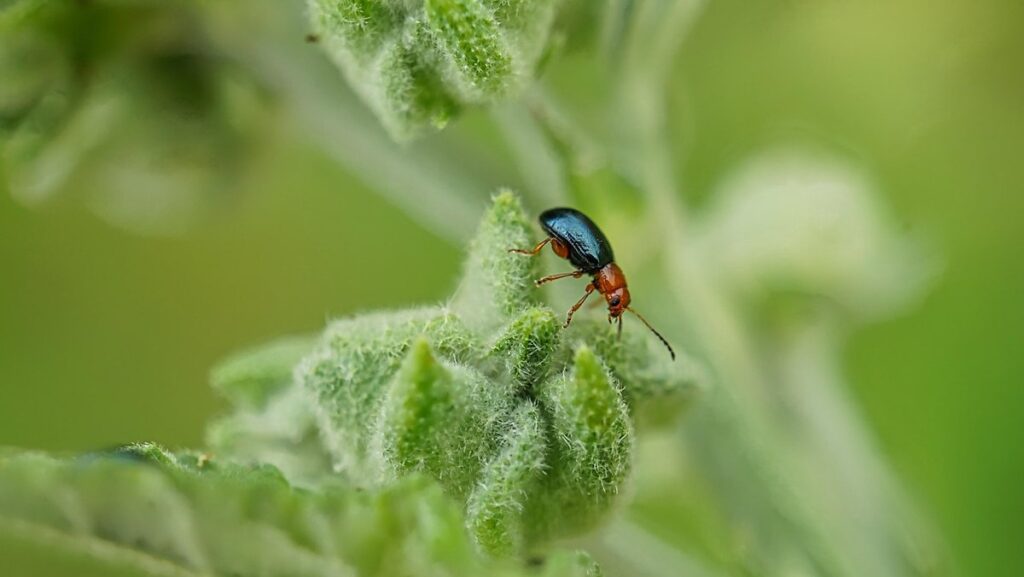
Understanding Crop Pests
When it comes to protecting crops from pests, understanding what threatens them is crucial. This section dives into the common types of crop pests and their characteristics.
Types of Common Crop Pests
When it comes to crop pests, it’s essential to understand that they come in many forms. Insects are one of the most common types of crop pests, and they can be further divided into several subcategories. Aphids, whiteflies, and spider mites are just a few examples of insects that feed on plant sap, causing damage to leaves and stems.
Rodents, such as mice and rats, are another significant threat to crops. These pests gnaw on seeds, fruit, and other plant materials, leading to reduced yields and lower quality produce. Rodent control measures often involve physical barriers, traps, and repellents.
Diseases caused by fungi, bacteria, and viruses also pose a considerable risk to crop health. Fungal diseases like powdery mildew and rust can be spread through spores, while bacterial diseases like fire blight are typically transmitted through water splashing or insects. Viral diseases, such as tobacco mosaic virus, can be carried by aphids and other vectors.
Regular monitoring and maintenance of crop fields can help identify potential pest problems early on. This allows farmers to take proactive measures, reducing the risk of infestation and minimizing damage.
The Impact of Crop Pests on Agriculture
Crop pests have far-reaching consequences on agriculture worldwide. The economic losses alone are staggering, with estimates suggesting that crop pests cause an average of 20-40% yield loss globally each year. In some regions, this figure can be as high as 70%. These losses add up quickly, and the financial burden is often shouldered by small-scale farmers who may not have the resources to invest in pest management strategies.
The impact of crop pests also extends beyond economic losses to food insecurity. When crops are damaged or destroyed, it not only reduces the overall yield but also compromises the quality of the produce. This can lead to shortages and price hikes, making nutritious food less accessible to vulnerable populations.
Furthermore, crop pests contribute significantly to environmental degradation through the use of chemical pesticides, which can contaminate soil and waterways. A more sustainable approach is crucial for mitigating these effects. By adopting integrated pest management (IPM) techniques, farmers can reduce their reliance on chemicals and protect both crops and ecosystems.
Identifying Pest Infestation Early
Identifying pest infestation early is crucial for effective crop protection, as it allows you to take swift action against potential threats before damage occurs. Let’s discuss how to spot signs of pests and get ahead of infestations.
Visual Inspection Techniques for Pest Detection
When inspecting crops for signs of pest infestation, it’s essential to know what to look for and where to focus your attention. Begin by examining the entire plant, including leaves, stems, and roots. Look for any visible damage, discoloration, or unusual growth patterns that could indicate pest activity.
Check for holes in leaves, torn or chewed petioles, and damaged or discolored fruit. Pay particular attention to areas where pests are most likely to congregate, such as near soil, stems, or at the base of plants. For example, aphids tend to cluster on the underside of leaves, while whiteflies prefer warmer areas like the tops of plants.
Inspect the plant’s undersides and crevices, where pests often hide. Use a magnifying glass or hand lens to get up close and personal with any suspicious areas. Be sure to check for pest droppings, eggs, or actual pests themselves, as these can be indicative of a larger infestation. Remember, early detection is key to effective management, so make it a habit to regularly inspect your crops for signs of pest damage.
Monitoring Tools and Equipment
Monitoring pests early is crucial to preventing infestations that can decimate entire crops. To achieve this, farmers need access to reliable monitoring tools and equipment. One of the most straightforward methods is using traps, which come in various forms such as sticky traps, pitfall traps, or bait traps. For instance, sticky traps coated with a pheromone can lure adult fruit flies away from their breeding sites.
Other options include sensors that detect changes in environmental conditions like temperature, humidity, and CO2 levels, which are often indicative of pest activity. Some farmers also employ drones equipped with thermal cameras to survey large areas quickly and identify potential hotspots. These devices can be especially valuable for monitoring crops in hard-to-reach areas or those with complex terrain.
It’s worth noting that while these tools are effective, they require regular maintenance and calibration to produce accurate results. Farmers should familiarize themselves with the equipment, set up clear protocols for data collection, and regularly review their findings to make informed decisions about pest control measures.
Integrated Pest Management (IPM) Strategies
When it comes to minimizing harm and maximizing effectiveness, adopting a multi-faceted approach is key. This section will explore practical IPM strategies for protecting your crops from pests sustainably.
Physical Barriers and Traps
Physical barriers and traps are essential components of Integrated Pest Management (IPM) strategies. These tools help prevent pests from reaching your crops in the first place, reducing the need for chemical pesticides and other chemicals that can harm beneficial insects and the environment.
One popular example of a physical barrier is row covers, lightweight fabrics that allow light and water to reach plants while keeping pests out. They’re easy to install and can be draped over entire beds or individual plants. For instance, using row covers can significantly reduce damage from cabbage moths and other caterpillars that target brassicas.
Fine-mesh screens are another effective physical barrier. These screens keep flying insects like aphids and whiteflies away from your crops. You can also use sticky traps to capture crawling pests like slugs and snails. Place these traps near the affected area, and replace them regularly with new adhesive sheets.
Biological Controls: Using Beneficial Organisms
Biological controls offer a natural and effective way to manage pest populations. Beneficial organisms such as predators, parasites, and pollinators can be used to control pests by preying on them or disrupting their life cycles. For instance, ladybugs are known to feed on aphids, while lacewings consume whiteflies.
Parasites like wasps and flies lay their eggs inside pest insects, which then hatch and devour the host from the inside out. This can significantly reduce pest populations without harming crops directly. Bees and butterflies also play a crucial role in pollination, which is essential for crop growth.
To implement biological controls effectively, farmers should monitor their fields regularly to identify areas where pests are most prevalent. They can then introduce beneficial organisms into these areas through methods such as releasing ladybugs or lacewings into the field. This approach not only reduces chemical pesticide use but also promotes a balanced ecosystem.
Organic Pest Control Methods
When it comes to protecting your crops from pests, knowing how to use organic methods is crucial for a sustainable and environmentally friendly approach. In this section, we’ll explore some effective techniques you can try today.
Neem Oil and Soap-Based Sprays
When it comes to organic pest control methods, neem oil and soap-based sprays are two popular alternatives to chemical pesticides. These natural solutions can be a game-changer for farmers looking to reduce their environmental impact while protecting their crops from pests.
Neem oil, extracted from the seeds of the neem tree, is a potent insecticide that disrupts pest life cycles, preventing them from reproducing and eventually killing them off. This makes it an effective solution against a wide range of pests, including aphids, whiteflies, and spider mites. When used in combination with other organic methods, neem oil can be particularly effective.
Soap-based sprays, on the other hand, work by suffocating pests through their exoskeletons or dissolving their cell membranes. This method is gentle on beneficial insects and the environment but can be less effective against certain pests that have developed resistance. To get the most out of these sprays, it’s essential to choose a high-quality soap base and follow the recommended concentrations.
A practical approach to using neem oil and soap-based sprays involves mixing them with water according to the manufacturer’s instructions and applying them at the first sign of pest infestation. For optimal results, repeat applications every 7-10 days as needed. Regular monitoring is also crucial in determining when these methods are no longer effective, allowing for timely adjustments to be made to prevent further damage.
In addition to their effectiveness, neem oil and soap-based sprays offer a range of benefits over chemical pesticides. These include reduced toxicity to humans and pets, decreased environmental contamination, and the preservation of beneficial insects that pollinate crops.
Diatomaceous Earth: A Natural Insecticide
When it comes to protecting crops from pests, finding an effective yet environmentally friendly solution can be challenging. That’s where diatomaceous earth comes in – a natural, non-toxic insecticide that has been gaining popularity among organic farmers and gardeners.
Diatomaceous earth is derived from the fossilized remains of tiny aquatic organisms called diatoms. Its mode of action lies in its ability to dehydrate insects, causing them to lose moisture and eventually die. This process is not only safe for humans, pets, and wildlife but also gentle on soil health.
Effectively using diatomaceous earth as an insecticide requires a few simple steps: apply it around the perimeter of your garden or directly to infested areas; use a fine powder to ensure maximum coverage; and reapply after rainfall. It’s most effective against crawling insects like slugs, snails, ants, and aphids.
Some areas where diatomaceous earth can be used effectively include gardens with high levels of soil moisture, greenhouses, or orchards vulnerable to scale and mealybug infestations. For optimal results, mix the powder with water according to package instructions and spray it evenly over the affected area.
Chemical Pest Control Methods
When it comes to controlling pests on your crops, chemical pest control methods can be a highly effective solution, but they require careful consideration and use. Let’s dive into the details of these methods.
Understanding the Risks and Benefits
When it comes to chemical pest control methods, understanding the risks and benefits is crucial for making informed decisions about crop protection. On one hand, pesticides can be highly effective in controlling pests and preventing damage to crops. For instance, neonicotinoids have been widely used to protect corn and soybean crops from aphids and whiteflies.
However, these chemicals also pose significant risks to human health and the environment. Exposure to certain pesticides has been linked to neurological problems, cancer, and reproductive issues in humans. Furthermore, pesticide runoff can contaminate soil, water, and air, affecting not only local ecosystems but also global biodiversity.
To put this into perspective, the US Environmental Protection Agency (EPA) reports that every year, approximately 1 billion pounds of pesticides are applied to crops nationwide. This highlights the need for responsible use and careful consideration of pesticide application rates, timing, and methods. If you’re a farmer or crop manager, it’s essential to weigh the benefits against the risks and explore alternative pest control strategies whenever possible.
If chemical controls are necessary, choosing Integrated Pest Management (IPM) techniques can help minimize risks while maximizing effectiveness. This approach involves selecting the most targeted pesticide applications based on pest population levels, using integrated methods such as biological control or cultural practices, and carefully monitoring for unintended consequences.
Precautions for Safe Use of Chemical Pesticides
When using chemical pesticides, it’s crucial to follow safe handling and application procedures to minimize exposure and environmental harm. Start by reading the label carefully before applying the pesticide. Look for information on personal protective equipment (PPE) required, such as gloves, mask, or goggles.
Before application, ensure you’re wearing recommended PPE and work in a well-ventilated area. If possible, use a sprayer with a built-in filter to reduce exposure to fumes. Always apply pesticides at the right time of day – early morning or late evening when winds are typically lighter.
To minimize environmental harm, avoid spraying near water sources or applying too much pesticide, which can lead to run-off and contamination. Also, choose products that have low toxicity to beneficial insects and wildlife. Finally, follow the recommended dosage carefully to prevent overuse and maximize effectiveness while minimizing risks. By taking these precautions, you can safely use chemical pesticides to protect your crops from pests.
Preventing Pest Infestation Through Crop Rotation and Sanitation
By incorporating crop rotation and sanitation practices into your farming routine, you can significantly reduce the risk of pest infestations and keep your crops healthy. Let’s explore these simple yet effective techniques in more detail.
Crop Rotation Strategies for Pest Management
Crop rotation is an effective strategy for preventing pest infestations by breaking the life cycle of pests and introducing beneficial organisms. This simple yet powerful technique involves rotating crops on a regular basis to disrupt the life cycle of pests, making it difficult for them to survive. By changing the crop type, you can eliminate the host plant that supports the pest’s survival.
For instance, if you’re growing corn, rotate it with other crops like soybeans or wheat, which are not favored by certain pests. This rotation strategy also introduces beneficial organisms that prey on pests, such as ladybugs and lacewings, which feed on aphids and whiteflies. In addition to breaking the pest’s life cycle, crop rotation improves soil health, reduces disease incidence, and increases biodiversity.
By implementing a well-planned crop rotation schedule, you can significantly reduce the risk of pest infestations. For example, rotating crops in a 3-year cycle can help eliminate nematodes, which are microscopic worms that feed on plant roots. By following this simple yet effective strategy, you can create a balanced ecosystem that promotes healthy plants and reduces the need for pesticides.
Maintaining Cleanliness in Farm Operations
Maintaining cleanliness is often overlooked as a crucial aspect of preventing pest infestations in farm operations. However, it’s essential to keep equipment and facilities spotless to reduce the risk of pests taking hold. Regular cleaning should be a top priority for farmers aiming to protect their crops.
Start by thoroughly washing down all equipment after each use with soap and water. This is particularly important for tools used near plant matter, as residue can attract pests. For example, if you’re using a sprayer to apply pesticides, make sure it’s cleaned and dried thoroughly afterward. The same applies to storage areas and facilities – keep them free of clutter and debris.
Furthermore, implement a regular schedule for deep cleaning your equipment and facilities. This might involve setting aside a day each month to power wash buildings and clean out storage rooms. Don’t forget the importance of composting, as this can help reduce waste and prevent pests from being drawn to unsanitary conditions. By prioritizing cleanliness in farm operations, farmers can significantly reduce the risk of pest infestations and protect their crops accordingly.
Frequently Asked Questions
What are the most effective organic pest control methods for controlling aphid populations?
The most effective organic pest control methods for controlling aphid populations include introducing beneficial insects like lady beetles or lacewings, which prey on aphids. Additionally, spraying neem oil or insecticidal soap can help kill aphids and prevent infestations.
How do I monitor my crops regularly to detect early signs of pest infestation?
Regular monitoring involves inspecting your crops frequently for signs of damage, such as holes in leaves or stems. Use visual inspection techniques like examining plants at different times of the day and season to detect pests that are active during specific periods.
Can I use diatomaceous earth on my entire farm, or is it more effective when targeted?
Diatomaceous earth can be used effectively when targeted at specific areas of your farm where pests are present. Applying it liberally across the entire farm may not provide optimal results due to its potential for reduced effectiveness over time.
How do I balance IPM strategies with chemical pest control methods when necessary?
Balancing IPM strategies with chemical pest control involves adopting a multi-faceted approach that considers both short-term and long-term solutions. Use chemical controls only as a last resort, prioritizing integrated strategies to prevent infestations before they start.
Can crop rotation alone be effective in preventing pest infestation, or are other methods required?
Crop rotation is an essential aspect of maintaining healthy soil and reducing pest populations. However, it may not be enough on its own, especially for severe infestations. Implementing additional methods like physical barriers, biological controls, and targeted chemical use can provide a more comprehensive approach to managing pests effectively.