
As a gardener or homeowner looking to live more sustainably, you’re probably no stranger to the importance of maintaining healthy soil. But did you know that composting is key to unlocking your permaculture potential? By choosing the right materials and integrating composting into your design, you can create a thriving ecosystem that’s in perfect balance with nature. In this article, we’ll dive into the world of sustainable composting methods, exploring which materials are best for composting and how to incorporate them into your permaculture setup. Whether you’re just starting out or looking to fine-tune your existing system, we’ll cover everything from reducing waste to promoting ecological balance through effective composting practices. Get ready to transform your garden and reduce your environmental footprint with the power of permaculture-inspired composting!
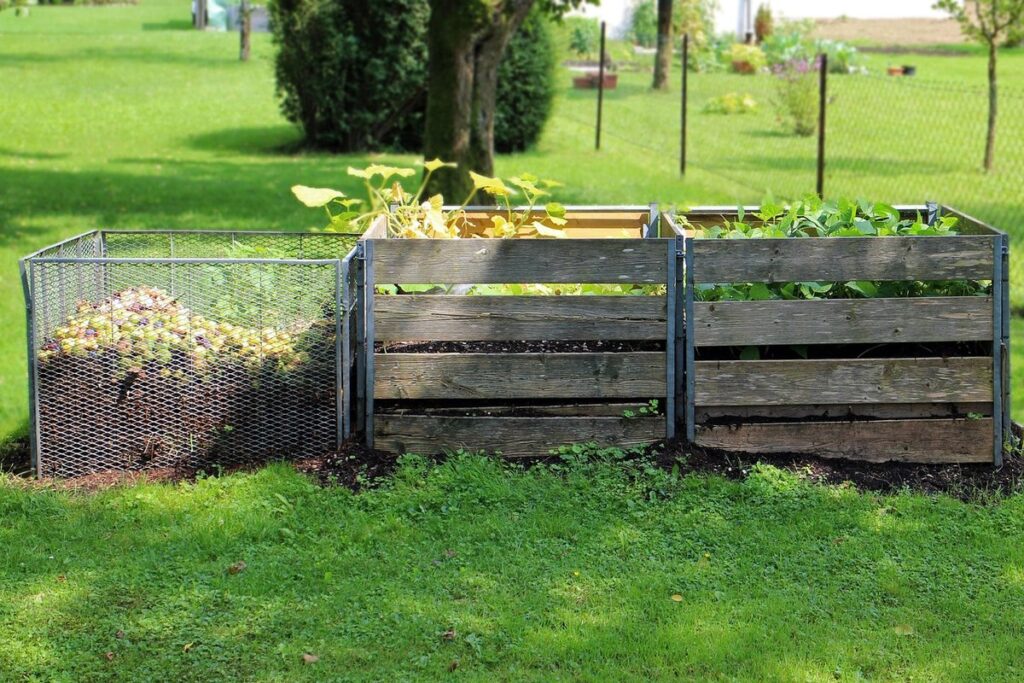
Understanding the Importance of Composting in Permaculture
Let’s dive into why composting is a fundamental practice in permaculture, and explore its numerous benefits for our planet and local ecosystems. By understanding its importance, you’ll be motivated to get started on your own composting journey.
The Role of Compost in Soil Health
Compost plays a vital role in maintaining soil fertility, structure, and biodiversity in permaculture. By incorporating compost into your soil, you’re essentially providing it with the essential nutrients it needs to support healthy plant growth. This is achieved through the decomposition process of organic materials, which releases nutrient-rich humus that enhances soil’s water retention capacity, aeration, and overall fertility.
The benefits of composting in permaculture are numerous. For instance, compost helps mitigate soil erosion by binding together particles and forming a stable structure. Additionally, it promotes beneficial microbial life, which is crucial for breaking down complex organic matter and making nutrients available to plants.
To harness the full potential of compost, incorporate diverse organic materials like food scraps, leaves, and grass clippings into your pile. A balanced mix of “green” (nitrogen-rich) and “brown” (carbon-rich) materials ensures optimal decomposition rates. Aim for a 2:1 or 3:1 brown-to-green ratio to create an ideal environment for microorganisms.
By embracing composting practices, you’re not only reducing waste but also fostering a resilient soil ecosystem that promotes healthy plant growth, suppresses pests and diseases, and sequesters carbon – all essential aspects of permaculture.
The Benefits of Composting in Ecosystems
Composting plays a vital role in maintaining ecosystem balance by creating a nutrient-rich soil that promotes healthy plant growth. This process reduces waste by breaking down organic materials into a usable form, minimizing the amount of waste sent to landfills. By returning nutrients to the earth, composting facilitates ecological cycling, where resources are continuously reused and replenished.
Composting also encourages biodiversity by attracting beneficial insects, such as beetles and ants, which help break down complex organic matter. These organisms contribute to soil fertility, structure, and overall ecosystem health. As a result, ecosystems become more resilient to environmental stressors and better equipped to support native plant and animal species.
To integrate composting into your permaculture practices, start by collecting kitchen scraps, leaves, and other organic materials in designated bins or piles. Regularly turn the pile to speed up decomposition and ensure optimal oxygen levels.
Choosing the Right Materials for Composting
When it comes to composting, selecting the right materials is crucial, so let’s dive into what you can and can’t include in your compost pile.
Carbon-Rich Materials: Browsing the Best Options
When it comes to composting in permaculture, selecting the right materials is crucial for creating nutrient-rich soil. Carbon-rich materials play a vital role in this process, providing the necessary energy source for microorganisms to break down organic matter. Let’s explore some of the best options for carbon-rich materials suitable for composting.
Wood chips are an excellent choice due to their high carbon content and ability to retain moisture. They also help maintain aeration within the compost pile, reducing odors and preventing anaerobic conditions. Straw is another popular option, rich in cellulose and lignin that microorganisms can easily break down. Dried leaves, often abundant in permaculture gardens, are also an excellent source of carbon.
When incorporating these materials into your compost, aim for a mix of 2/3 “brown” materials (such as wood chips or straw) to 1/3 “green” materials (like food scraps or grass clippings). This ratio will ensure a balanced decomposition process and prevent odors. Remember to shred or chop larger pieces before adding them to the compost pile for optimal breakdown. By choosing these carbon-rich materials, you’ll be well on your way to creating nutrient-dense soil in your permaculture garden.
Nitrogen-Rich Materials: Understanding the Essentials
When it comes to creating nutrient-rich compost, nitrogen-rich materials play a vital role. These materials provide essential nutrients that help microorganisms break down organic matter efficiently. Some popular nitrogen-rich materials for composting include manure, blood meal, and fish bone meal.
Manure from herbivores like horses, cows, or rabbits is rich in nitrogen (N) and can be added to the compost pile in moderation. A general rule of thumb is to mix 1 part animal manure with 5-7 parts carbon-rich materials. However, avoid using cat or dog manure as they may contain pathogens that can harm humans.
Blood meal is another excellent source of nitrogen, containing up to 12% N content. It’s often used in small quantities due to its strong odor and potential to attract pests. A good starting point is adding a handful (about 1/4 cup) of blood meal per cubic yard of compost pile.
Fish bone meal is yet another option for providing a concentrated source of nitrogen. This material can be particularly useful in small-scale or indoor composting systems where space is limited. Always follow the manufacturer’s recommended application rates to avoid overfeeding your microorganisms and creating an anaerobic environment.
Composting Methods for Permaculture
Let’s dive into some of the most effective composting methods, from cold composting to worm farming, and explore which ones work best in a permaculture setting. We’ll also cover their benefits and limitations.
Cold-Composting: A Low-Maintenance Approach
Cold-composting is a low-maintenance approach that simplifies the composting process by minimizing turning and monitoring of the pile. This method allows for a slower decomposition rate, which can be beneficial when working with carbon-rich materials such as leaves or straw.
The cold-composting process involves piling materials in a small area, usually 3-4 feet tall, and allowing them to decompose over time. It’s essential to layer materials correctly, starting with a base of brown materials (dried leaves, straw) followed by green materials (food scraps, grass clippings). This layered approach ensures that oxygen can penetrate the pile, promoting healthy decomposition.
A cold composting pile typically takes 6-12 months to break down completely. While this may seem slow, it’s a more hands-off approach that allows for a higher carbon-to-nitrogen ratio, resulting in a richer final product. For example, if you’re using a lot of leaves or straw, which are high in carbon, cold composting can help balance out the nitrogen levels and create a more balanced compost. With patience and minimal maintenance, you’ll have a nutrient-rich compost to enhance your permaculture garden’s fertility.
Hot-Composting: Accelerating Breakdown Through Temperature Control
Hot-composting is a high-energy composting method that accelerates the breakdown process by creating a thermophilic environment. This technique involves regularly turning and aerating the pile to maintain optimal temperature conditions, typically between 131°F (55°C) and 140°F (60°C). By doing so, you can achieve rapid decomposition and kill off pathogens, weed seeds, and other unwanted organisms.
To create a hot-composting setup, start by layering “green” materials like kitchen scraps, grass clippings, or manure on the bottom of your compost bin. These high-nitrogen inputs will heat up quickly as they break down. Next, add “brown” materials like dried leaves, straw, or shredded newspaper to absorb excess moisture and provide carbon-rich inputs. Aim for a mix of 2/3 brown materials and 1/3 green materials.
When mixing the pile, use a pitchfork to turn and aerate it regularly. This will ensure that oxygen reaches all parts of the compost, fueling microbial activity and maintaining the thermophilic environment. Monitor your temperature daily using a thermometer, aiming for temperatures between 131°F (55°C) and 140°F (60°C).
Compost Maintenance and Monitoring
Regular maintenance is crucial for a healthy compost pile, so let’s dive into what you need to know about monitoring and maintaining your compost. This ensures optimal decomposition and minimizes potential issues.
Turning and Aeration Techniques for Optimal Compost Quality
Maintaining optimal compost conditions is crucial for producing high-quality finished compost. Regular turning and aeration are essential techniques to ensure that your compost pile remains healthy and free of pests. Aim to turn your compost pile every 7-10 days, using a pitchfork or shovel to gently loosen the material at the bottom and mix it with the top layer.
This process not only helps to speed up decomposition but also prevents anaerobic conditions from forming, which can lead to unpleasant odors and attract pests. To aerate your compost pile effectively, create channels by inserting a fork into the pile and twisting it, allowing oxygen to penetrate deep within. This will help to speed up decomposition and prevent pathogenic microorganisms from taking hold.
It’s also essential to manage moisture levels in your compost pile. While it may seem counterintuitive, too much water can be detrimental to the composting process. A general rule of thumb is to maintain a moist, crumbly texture similar to a damp sponge. This will help to promote healthy microbial activity and prevent pests from taking hold. By turning, aerating, and managing moisture levels regularly, you’ll be well on your way to producing high-quality finished compost that’s perfect for your permaculture garden.
Assessing Compost Maturity: Visual and Chemical Methods
When it’s time to harvest your compost, evaluating its maturity is crucial to ensure it’s safe and ready for use in your permaculture garden. You can assess compost maturity through visual inspections and chemical tests.
Visual assessments involve checking the compost’s color, texture, and structure. Finished compost should have a rich, earthy aroma and be dark brown or black in color. It should also crumble easily when broken apart. If it still has recognizable pieces of original materials, such as leaves or food scraps, it needs more time.
Chemical tests can provide a more precise measurement of compost maturity. A pH test kit will help you determine if the compost’s acidity level is within a suitable range for plant growth. You should aim for a pH between 6 and 7, which is slightly acidic to neutral. A nitrogen-to-carbon ratio (C:N) test can also give you an idea of the compost’s nutrient balance. Aim for a ratio between 10:1 and 20:1, with more carbon-rich materials like coconut coir or straw balancing out high-nitrogen ingredients like food scraps.
Integrating Composting into Your Permaculture Design
Now that you have a solid understanding of composting materials, let’s explore how to seamlessly integrate composting into your permaculture design for optimal results.
Strategies for Incorporating Compost into Your Garden Layout
When designing a permaculture garden, incorporating composting into the layout is crucial for creating a closed-loop system that minimizes waste and maximizes nutrient cycling. On-site processing of organic materials is an effective way to do this. Instead of sending scraps to an off-site facility, you can create a compost area on your property where food waste, leaves, and other organic materials are broken down into a rich fertilizer.
Worm composting and vermicomposting are two popular methods for on-site processing. These systems use red wiggler worms to break down food scraps in a controlled environment. Worm composting is ideal for small-scale gardens or indoor spaces, while vermicomposting can handle larger volumes of organic materials. Both methods produce a nutrient-dense compost that’s perfect for fertilizing your garden.
To incorporate worm composting into your permaculture design, start by setting up a worm bin in a shaded area with adequate airflow. Add a mix of “green” materials like food scraps and manure, along with “brown” materials like leaves or shredded paper. Monitor the moisture levels and pH to create an optimal environment for the worms. With proper maintenance, you’ll have a steady supply of compost to nourish your garden.
Managing Compost in Small Spaces: Tips for Urban and Backyard Gardens
When working with limited space, managing compost can be a challenge. In urban gardens, balconies and patios often restrict the amount of room available for traditional compost piles. Backyard gardeners may have to deal with smaller yard sizes or awkwardly shaped spaces that don’t lend themselves well to large-scale composting.
Here are some tips for effectively managing compost in small spaces:
* Choose a compact composter: Consider investing in a small, contained composting system designed specifically for urban or indoor use. These units often come equipped with features like odor control and built-in aeration systems.
* Utilize vertical space: Make the most of your available room by installing a wall-mounted compost bin or using a trellis to train vining plants on one side while keeping the rest of the area clear for other activities.
* Select compact materials: Opt for smaller quantities of materials like shredded newspaper, eggshells, and coffee grounds that can be easily stored and added to your compost pile as needed.
Advanced Composting Techniques
Now that you’ve mastered the basics of composting, let’s dive into some advanced techniques to take your recycling game to the next level and create rich soil.
Vermicomposting: Harnessing the Power of Worms for Efficient Composting
Vermicomposting is a powerful tool for efficient composting, and it’s surprisingly easy to implement. By harnessing the incredible abilities of worms, you can break down organic matter quickly and turn it into nutrient-rich fertilizer for your permaculture garden.
Worms are nature’s ultimate decomposers, capable of processing an impressive amount of food waste in a short amount of time. In fact, red wiggler worms, specifically bred for vermicomposting, can consume up to 50% of their body weight in organic matter each day! This means that even small-scale composting systems can be incredibly productive.
To get started with vermicomposting, you’ll need a worm bin or container, bedding materials (like coconut coir or shredded newspaper), and a source of worms. Set up your system by layering the bedding and adding food waste, then introducing the worms. As they break down the waste, add more materials to maintain a balanced environment.
The benefits of vermicomposting are numerous: it’s odor-free, produces high-quality compost in as little as 2-3 months, and can even help manage pest populations by attracting beneficial insects. With proper maintenance, your worm bin will be churning out rich, loamy compost that will elevate your permaculture garden to the next level.
Bokashi Composting: A Fermentation-Based Approach to Food Waste Management
Bokashi composting is a game-changer for on-site food waste management, especially in permaculture settings. This fermentation-based approach breaks down organic matter into nutrient-rich compost in just weeks, not months. The process relies on a combination of microorganisms, including bacteria and yeast, to break down food scraps.
Here’s how it works: you add food waste to a bokashi bin, which contains these beneficial microbes. The anaerobic (oxygen-free) environment allows the microbes to thrive, producing liquid compost tea as a byproduct. This liquid is rich in nutrients and can be used as a fertilizer. After 1-2 weeks, the contents of the bin are buried in soil, where they continue to break down.
One of the benefits of bokashi composting is its ability to handle high levels of nitrogen-rich foods like meat and dairy products. This makes it an excellent option for households with limited outdoor space or those looking to minimize odors associated with traditional composting methods. By incorporating bokashi into your permaculture practice, you can significantly reduce waste and create a nutrient-dense soil amendment that’s perfect for your garden.
Conclusion
As we conclude our exploration of composting in permaculture, it’s essential to remember that this practice is not just about recycling waste, but also about creating a sustainable ecosystem. By incorporating composting into your garden or farm, you’ll be reducing your reliance on synthetic fertilizers and contributing to the health of your soil, plants, and local environment. To put these principles into action, consider starting small by implementing a kitchen compost bin or vermicomposting system in your home. You can also share knowledge with fellow gardening enthusiasts through workshops, online forums, or community gardens – this collective approach will not only amplify your impact but also foster a sense of community and responsibility among like-minded individuals. By embracing the art of composting, you’ll be taking a significant step towards building a more resilient and regenerative food system.
Frequently Asked Questions
How do I balance the carbon-to-nitrogen ratio in my compost pile?
When creating a compost pile, it’s essential to maintain a balanced carbon-to-nitrogen (C:N) ratio to ensure efficient decomposition and minimize odors. Aim for a mix of 2/3 “brown” materials (carbon-rich) like leaves or shredded paper, and 1/3 “green” materials (nitrogen-rich) like food scraps or grass clippings.
Can I compost pet waste and how should I handle it?
Composting pet waste is possible, but it requires extra caution to avoid pathogens. You can compost dog poop by mixing it with carbon-rich materials and allowing it to break down for several months. However, never use cat litter or feces from carnivorous pets due to potential parasites.
How often should I turn my compost pile to maintain optimal conditions?
Regular aeration is crucial for efficient decomposition. Turn your compost pile every 7-10 days during the active phase (hot composting) to introduce oxygen and speed up breakdown. For cold composting, turning may not be necessary, but monitor moisture levels and carbon-to-nitrogen ratios.
What’s the difference between vermicomposting and traditional composting?
Vermicomposting involves using worms (red wigglers or earthworms) to break down organic materials in a controlled environment. This method produces a nutrient-rich castings that’s ideal for seed starting and soil conditioning, whereas traditional composting focuses on aerobic decomposition.
How can I manage food waste when living in an apartment with limited space?
Even with limited space, you can still practice effective food waste management through bokashi composting or vermicomposting. Bokashi is a fermentation-based approach that doesn’t require significant space and can be done indoors using a small bin. Vermicomposting also works well in compact spaces like under the sink or on a balcony.