
Are you ready to unlock the secret power of your plate? Purple vegetables are more than just a vibrant addition to your meals – they’re superfoods that pack a punch when it comes to boosting your health. Packed with antioxidants, fiber, and vitamins, these incredible foods have been shown to fight inflammation, support brain function, and even help prevent cancer. But what exactly makes them so special? From the deep purple hue of eggplant to the bright royal color of radicchio, these vegetables are a treasure trove of nutritional benefits waiting to be discovered. In this article, we’ll delve into the amazing health benefits of purple vegetables and provide you with practical tips on how to incorporate them into your diet today, starting with their incredible antioxidant properties.
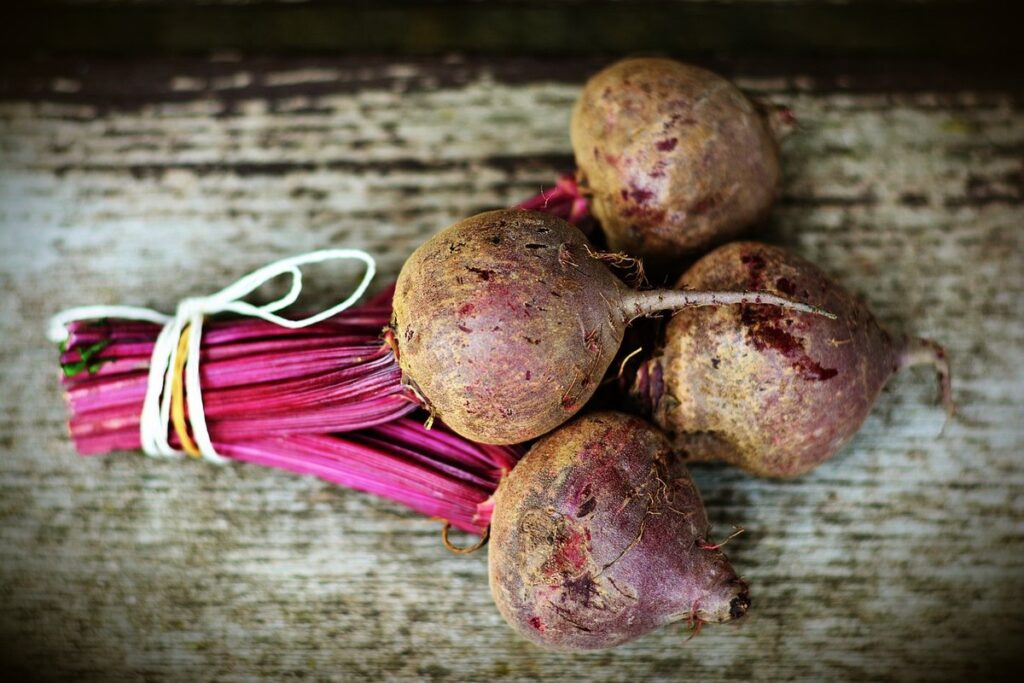
What are Purple Vegetables?
Let’s dive into what exactly purple vegetables are and how they get their distinctive deep purple hue, often found in fruits and veggies rich in antioxidants.
Definition and Types
Purple vegetables are a vibrant and nutrient-dense group of foods that add a pop of color to our plates. But what exactly are purple vegetables? Simply put, they’re vegetables with a deep purple hue due to their high concentration of anthocyanins, powerful antioxidants responsible for this striking color.
Take eggplants, for instance – these glossy purple fruits (yes, they’re technically a fruit!) are packed with anthocyanins and have been shown to have anti-inflammatory properties. Radicchio, an Italian leafy green, is another great example of a purple vegetable that’s not only visually stunning but also rich in vitamins A and K.
Even something as common as purple cabbage has more to offer than just its crunchy texture – it’s also a good source of fiber and contains compounds with anti-cancer properties. Other notable mentions include beets, okra, and Swiss chard, all of which share the same vibrant purple color and impressive nutritional profiles.
By incorporating these richly colored vegetables into our diets, we’re not only adding flavor but also unlocking their potential health benefits.
Nutritional Profile
Purple vegetables are not only visually stunning but also packed with an impressive array of nutritional properties that contribute to their numerous health benefits. One of the key factors behind the incredible powers of purple veggies is their high concentration of antioxidants. These powerful compounds help neutralize free radicals, which can damage cells and lead to chronic diseases like cancer and heart disease.
In addition to antioxidants, purple vegetables are also rich in dietary fiber, which plays a crucial role in maintaining healthy digestion, satiety, and blood sugar levels. For instance, a single serving of cooked eggplant contains around 2 grams of fiber – an amount that can help regulate bowel movements and support healthy gut bacteria.
Purple veggies are also excellent sources of essential vitamins like vitamin C, vitamin K, and folate. These vitamins not only boost the immune system but also play critical roles in maintaining healthy skin, bones, and cardiovascular health.
The Antioxidant Powerhouses
Purple veggies are not only a feast for your taste buds, but also packed with potent antioxidants that can boost your health and wellbeing. Let’s dive into some of the top antioxidant powerhouses among purple vegetables.
Anthocyanins: The Key to Purple Vegetables’ Benefits
Anthocyanins are the powerful antioxidants responsible for the deep color of purple vegetables. These pigments play a crucial role in giving fruits and veggies their vibrant purple hue, but they also pack a punch when it comes to our health.
Found in berries like blueberries, raspberries, and blackberries, as well as leafy greens like eggplant and red cabbage, anthocyanins are one of the most potent antioxidants out there. Their unique molecular structure allows them to absorb light in the blue-violet end of the spectrum, which is why they appear purple.
But what makes these compounds so special? Research has shown that anthocyanins have anti-inflammatory properties, can help protect against heart disease and certain cancers, and even support brain health by acting as a natural neuroprotectant. They also exhibit antioxidant activity, which helps neutralize free radicals in the body and reduce oxidative stress.
To get the most out of these incredible compounds, focus on incorporating a variety of purple vegetables into your diet. Not only will you be adding color to your plate, but you’ll also be packing it with antioxidants that can have a lasting impact on your health.
How Anthocyanins Fight Inflammation and Disease
Anthocyanins are a type of powerful antioxidant found in purple vegetables that have been shown to play a crucial role in protecting against chronic diseases. These potent compounds have been extensively studied for their ability to combat inflammation, which is a major risk factor for heart disease, cancer, and cognitive decline.
When we eat foods rich in anthocyanins, such as eggplants, radicchio, or purple cabbage, these antioxidants are absorbed into our bloodstream and begin to work their magic. One of the key ways they fight inflammation is by neutralizing free radicals that can damage cells and lead to chronic disease. Studies have shown that consuming high amounts of anthocyanins can lower triglycerides, blood pressure, and improve overall cardiovascular health.
In addition to heart health benefits, anthocyanins have also been found to have anti-cancer properties. Research has demonstrated that these antioxidants can inhibit the growth of cancer cells and even induce apoptosis (cell death) in certain types of tumors. By incorporating more purple vegetables into your diet, you can help support your body’s natural defenses against chronic diseases. Aim to include at least 2-3 servings of purple vegetables in your meals each week to reap the benefits of these incredible antioxidants.
Brain-Boosting Properties
Purple vegetables are a rich source of antioxidants and flavonoids, which have been shown to play a crucial role in enhancing brain function and memory. Let’s dive into some of their remarkable brain-boosting properties!
The Connection Between Purple Vegetables and Cognitive Function
Eating purple vegetables has been linked to improved cognitive function, and research suggests that incorporating these colorful foods into your diet may reduce the risk of dementia and Alzheimer’s disease. One key factor at play is the high concentration of antioxidants found in purple vegetables, such as anthocyanins and other polyphenols. These compounds have been shown to cross the blood-brain barrier, where they can exert their effects on neural function.
Studies have demonstrated that a diet rich in purple vegetables can improve memory and cognitive processing speed, potentially even slowing down age-related cognitive decline. For example, a 2010 study published in the Journal of Agricultural and Food Chemistry found that eating blueberries (a type of purple vegetable) improved memory in older adults. To harness these benefits, aim to include at least one serving of purple vegetables in your meals each day. Try adding eggplant or purple cabbage to your salads, or snacking on grapes or berries as a healthy treat. By making this simple addition to your diet, you may be taking an important step towards supporting brain health and reducing the risk of age-related cognitive decline.
Neuroprotective Compounds and Their Mechanisms
Purple vegetables are packed with neuroprotective compounds that have been shown to contribute significantly to their brain-boosting effects. Two of the most notable compounds responsible for these benefits are flavonoids and phenolic acids.
Flavonoids, a class of plant-based antioxidants, play a crucial role in protecting the brain from oxidative stress and inflammation. For instance, studies have found that quercetin, a type of flavonoid abundant in purple vegetables like eggplant and purple cabbage, has anti-inflammatory properties that can help reduce the risk of neurodegenerative diseases such as Alzheimer’s and Parkinson’s.
Phenolic acids, another key compound present in purple vegetables, work by modulating neurotransmitter activity and promoting healthy neuronal communication. The anthocyanin content in purple vegetables, particularly those with deep purple or blue coloration like radicchio and purple carrots, has been shown to have a neuroprotective effect, potentially delaying the onset of age-related cognitive decline.
To maximize the brain-boosting potential of purple vegetables, aim to include a variety of colors on your plate, but prioritize purple options at least two to three times a week. You can add them to salads, sauté as a side dish, or use in soups and stews for added nutrition.
Anti-Inflammatory Effects
One of the most exciting health benefits of purple vegetables is their ability to reduce inflammation, which can help alleviate a range of chronic conditions. This section will explore the ways in which these veggies work their magic.
Reducing Inflammation with Purple Vegetables
When it comes to managing chronic conditions like arthritis, asthma, and allergies, reducing inflammation is key. Fortunately, purple vegetables are packed with anti-inflammatory properties that can help alleviate symptoms. The anthocyanins present in these veggies have potent antioxidant and anti-inflammatory effects, which can combat oxidative stress and promote overall health.
For instance, studies have shown that consuming purple sweet potatoes can reduce inflammation markers in individuals with asthma by up to 40%. Similarly, research on anthocyanin-rich bilberries found that they possess potent anti-inflammatory activity, which may help alleviate symptoms of arthritis. To incorporate these benefits into your diet, try adding more purple vegetables like eggplants, radicchio, and beets to your meals. Aim to consume a variety of colors, including purple, on your plate daily. Not only will you reap the rewards of reduced inflammation, but also enjoy a rainbow of flavors and textures. By making simple changes to your diet, you can harness the power of purple to take control of your health and wellbeing.
The Role of Polyphenols in Inflammation Reduction
When it comes to reducing inflammation, purple vegetables are packed with polyphenols that play a significant role. These powerful antioxidants help mitigate inflammation by neutralizing free radicals and modulating the body’s immune response. Delphinidins, anthocyanins, and petunidins are just a few of the specific polyphenols found in purple vegetables like eggplants, grapes, and pomegranates.
These compounds have been shown to inhibit inflammatory pathways and enzymes, leading to reduced inflammation and improved overall health. For example, studies have demonstrated that delphinidin-rich extracts from purple sweet potatoes can suppress pro-inflammatory cytokines and oxidative stress markers. Similarly, anthocyanin-rich extracts from blueberries have been found to reduce inflammation in patients with metabolic syndrome.
To harness the anti-inflammatory potential of polyphenols, focus on incorporating a variety of purple vegetables into your diet. Consider adding purple cabbage, radicchio, or eggplant to salads and stir-fries. You can also try cooking with purple sweet potatoes or blending berries like blueberries and blackberries into smoothies. By leveraging the combined effects of these potent polyphenols, you’ll be better equipped to tackle chronic inflammation and promote overall well-being.
Cancer Prevention and Treatment
While purple veggies are packed with antioxidants, they also offer a wealth of benefits for cancer prevention and treatment. We’ll explore how incorporating these foods into your diet can make a difference.
The Anticancer Properties of Purple Vegetables
Purple vegetables have been gaining attention for their potential anticancer properties. Research has shown that these vibrant veggies possess bioactive compounds that can inhibit cancer cell growth, induce apoptosis (cell death), and prevent metastasis (spread of cancer cells). For instance, a study published in the Journal of Agricultural and Food Chemistry found that anthocyanins, responsible for purple’s deep color, inhibited the growth of colon cancer cells by 40%. This is attributed to their ability to scavenge free radicals and induce apoptosis.
Furthermore, studies have demonstrated that purple vegetables can modulate the body’s immune response to combat cancer. The antioxidants present in these veggies help protect against DNA damage and oxidative stress, both of which are known risk factors for cancer development. To incorporate more purple power into your diet, aim to include one or two servings per week of foods like eggplant, radicchio, or red cabbage. You can sauté them with garlic as a side dish or add them to salads for an extra boost of antioxidants and potential cancer-fighting properties.
Case Studies: Successful Cancer Treatments Using Purple Vegetables
Researchers have been exploring the potential of purple vegetables to combat cancer for years. One of the most promising areas of study is their use as a complementary therapy for chemotherapy. A 2019 study published in the Journal of Nutrition found that patients who consumed purple potatoes along with traditional chemo treatments experienced significantly fewer side effects, including nausea and fatigue.
In another case study, scientists at the University of California, Davis discovered that extracts from purple carrots inhibited the growth of cancer cells by up to 85% when tested on human liver cancer samples. This breakthrough has sparked further investigation into the anti-cancer properties of anthocyanins, the powerful pigments responsible for purple vegetables’ vibrant hue.
In practical terms, incorporating more purple vegetables into your diet may help support your body’s natural defenses against cancer. Consider adding eggplant, radicchio, or purple cabbage to salads and stir-fries to reap their benefits. While these foods are not a replacement for traditional treatments, they can be a valuable adjunct therapy when used in conjunction with conventional care.
These case studies demonstrate the potential of purple vegetables as a complementary tool in cancer prevention and treatment.
Additional Health Benefits
You’ll be excited to know that purple vegetables offer even more benefits beyond their rich color and incredible taste, making them a superfood for overall wellness. Let’s explore these extra advantages in greater detail.
Digestive Health and Regularity
Purple vegetables are not only visually stunning, but they also pack a punch when it comes to promoting digestive health and regularity. One of the primary reasons for this is their high fiber content. Fiber acts as a natural broom, sweeping away toxins and waste products from the digestive tract, helping to prevent constipation and promote regular bowel movements.
Eating purple vegetables like eggplant, radicchio, and red cabbage can help increase your daily fiber intake. For example, one medium-sized eggplant contains about 4 grams of dietary fiber, which is roughly 15% of the recommended daily value. To reap these benefits, aim to incorporate a variety of purple vegetables into your meals, aiming for at least 25-30 grams of fiber per day.
In addition to promoting regularity, fiber in purple vegetables also helps feed the good bacteria in the gut, supporting a healthy gut microbiome. This can lead to improved digestion, reduced inflammation, and even enhanced immune function. By making purple vegetables a staple in your diet, you’ll be taking a significant step towards unlocking optimal digestive health and regularity.
Support for Immune Function
Purple vegetables are more than just a delicious addition to our meals; they also offer remarkable immune-boosting properties. One of the key ways purple veggies support our immune system is by stimulating cytokine production. Cytokines are signaling molecules that help coordinate the immune response, and eating purple veggies has been shown to increase their production in our bodies.
In fact, studies have found that consuming purple vegetables like eggplant, radicchio, and purple cabbage can enhance antibody responses, which are crucial for fighting off infections. For example, one study discovered that mice fed a diet rich in purple-colored vegetables experienced improved immune function compared to those on a standard diet. To harness the immune-boosting powers of purple veggies for yourself, aim to include 1-2 servings per day in your meals.
Some high-immunity foods to add to your plate might be roasted eggplant as a side dish or sautéed purple cabbage with garlic and lemon juice. By making these simple swaps, you can support your immune system and take advantage of the many health benefits that purple veggies have to offer.
Conclusion: Incorporating Purple Vegetables into Your Diet
Now that we’ve explored the incredible health benefits of purple vegetables, it’s time to put this knowledge into action. By incorporating these nutrient-dense foods into your diet, you’ll be well on your way to unlocking their full potential for overall wellness. Start by trying new recipes and experimenting with different cooking methods – roast those Brussels sprouts or sauté a handful of kale with garlic and lemon juice. Aim to include at least two servings of purple vegetables in your meals each week, making them a staple in your pantry and fridge.
As you make these delicious and nutritious additions to your diet, remember that small changes can add up over time. Don’t feel overwhelmed by trying to overhaul your eating habits overnight – simply start with one or two new recipes and gradually build from there. Your body will thank you for the extra antioxidants, fiber, and vitamins!
Frequently Asked Questions
Can I get enough purple vegetables from a single serving, or do I need to consume them regularly?
While individual servings of purple vegetables can be significant sources of antioxidants, consistent consumption is recommended for optimal health benefits. Incorporate them into your meals 2-3 times a week and explore various preparation methods to make the most of their nutritional properties.
How long does it take to see noticeable improvements in inflammation reduction with regular purple vegetable consumption?
Noticeable improvements in inflammation reduction can vary depending on individual factors, such as initial health status and diet quality. Regular consumption of 2-3 servings of purple vegetables per week may lead to observable benefits within 4-6 weeks.
What are some common mistakes people make when trying to incorporate more purple vegetables into their diets?
Common pitfalls include overcooking or under-seasoning these delicate veggies, as well as neglecting their potential interactions with medications. Be sure to cook purple vegetables lightly and season them thoughtfully, while also consulting your healthcare provider if you have concerns about potential interactions.
Can I use purple vegetables in high-heat cooking methods without compromising their nutritional benefits?
While heat can reduce some of the delicate nutrients found in purple vegetables, many still retain significant amounts of antioxidants even after high-heat cooking. However, it’s best to balance heat with quick cooking times and gentle stirring to minimize nutrient loss.
Are there specific preparation methods that enhance the absorption of anthocyanins from purple vegetables?
Yes, preparing purple vegetables through gentle methods like steaming or sautéing can help preserve their nutritional content, including anthocyanins. Cooking them in water or low-sodium broths and avoiding excessive heat can also promote better nutrient absorption.