
Are you ready to unlock the secrets of one of nature’s most versatile plants? The snake bean plant is a treasure trove of benefits, from its rich history and fascinating characteristics to its ease of growth and adaptability. If you’re looking for a low-maintenance yet high-reward crop to add some excitement to your garden or kitchen, then this plant is an absolute must-have.
In this article, we’ll delve into the world of snake bean plants, covering everything from their history and unique characteristics to expert tips on how to grow them successfully. We’ll also share essential advice on pest management strategies, ensuring you can enjoy a bountiful harvest with minimal fuss. Whether you’re a seasoned gardener or just starting out, get ready to discover the wonders of this incredible plant and start growing your own snake beans today!
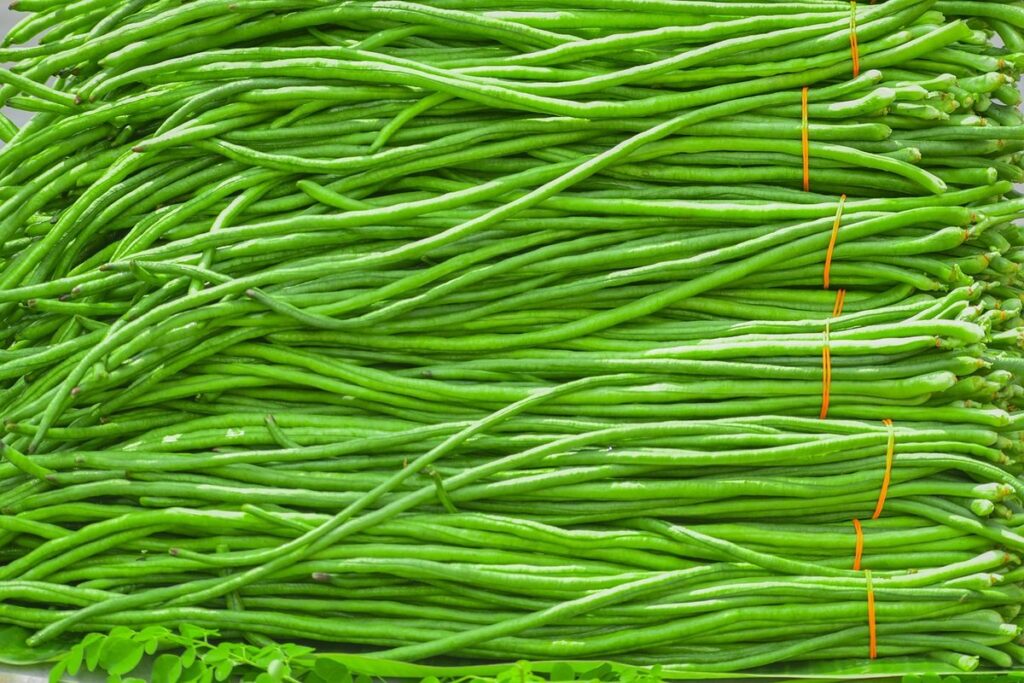
History and Origins of the Snake Bean Plant
Let’s take a step back and explore where this amazing plant comes from, tracing its roots to ancient civilizations and traditional farming practices. We’ll delve into the snake bean plant’s rich history.
Introduction to Vigna Unguiculata
Vigna unguiculata, commonly known as the snake bean plant, is a legume species that has been cultivated for centuries. This versatile crop belongs to the Fabaceae family, which includes over 18,000 species of beans, peas, and lentils. The snake bean plant is native to tropical Africa, specifically in areas with high temperatures and rainfall.
In its natural habitat, Vigna unguiculata thrives in well-drained soil and full sun exposure. Its ability to adapt to a range of environments has led to widespread cultivation across the globe. From Asia to Latin America, the snake bean plant is grown not only for its edible beans but also as a cover crop to enhance soil fertility.
Interestingly, Vigna unguiculata was first domesticated in West Africa around 4,000 years ago. Archaeological evidence suggests that it was later introduced to Asia through trade routes, becoming an integral part of the cuisine in many countries. Understanding its botanical classification and native habitats is essential for growers to replicate optimal growing conditions in their local environments.
Historical Significance and Cultural Associations
The snake bean plant has been an integral part of traditional medicine and cultural practices for centuries. In many African countries, Vigna unguiculata is used to treat a variety of ailments, including fever, rheumatism, and skin conditions. The leaves are often boiled or crushed to create a paste that’s applied directly to the affected area.
In some Asian cultures, the snake bean plant is valued for its culinary uses as well as its medicinal properties. The beans are commonly used in stir-fries and soups, while the leaves are used in salads and as a cooked green vegetable. For example, in China, Vigna unguiculata is known as “mung bean” and has been cultivated for over 3,000 years.
Interestingly, the snake bean plant also holds spiritual significance in some cultures. In traditional African rituals, the beans are believed to possess magical powers that bring good fortune and prosperity. Whether used for its medicinal or cultural value, the snake bean plant remains an important part of many communities around the world.
Characteristics and Varieties of Snake Bean Plants
There are many different characteristics and varieties of snake bean plants, each with their own unique growth habits and appearances. Let’s take a closer look at what to expect from these fascinating plants.
Physical Description and Growth Habits
The snake bean plant’s physical appearance is quite distinctive and easy to recognize. Its stem is long and slender, often growing up to 3-4 meters in length, with a slightly woody texture at the base. The leaves are large and compound, consisting of 2-5 leaflets that are elliptical in shape and have a pointed tip. They are dark green in color with a soft pubescence on the underside.
The flowers of the snake bean plant are small and white or purple in color, produced in clusters at the axils of the leaves. They have five petals and are highly fragrant, attracting various pollinators to the plant.
As for the fruit, it is a pod that grows up to 10-15 cm long and 2-3 cm wide, with a flat or slightly curved shape. The pods contain several seeds and turn from green to yellow when mature. They can be harvested when they are still tender and young, similar to snap beans.
When growing snake bean plants, it’s essential to provide them with a trellis or support to help them climb upwards. This will not only keep the plant looking neat but also encourage better fruiting.
Classification and Naming Conventions
There are several varieties of snake bean plants, each with its unique characteristics. For instance, the ‘Purple Pod’ variety boasts deep purple pods that add a pop of color to any dish, while the ‘Red Kidney’ variety produces red-pink pods with a sweeter flavor profile.
Some popular varieties include:
* Bush Blue Lake: A compact, bush-type plant producing blue-green pods
* Kentucky Wonder: A vining type with green or yellow pods
* Romano: A flat, broad bean-like pod that’s perfect for adding to pasta dishes
When it comes to naming conventions, snake bean plants are often referred to by their botanical name (Vigna unguiculata), common name, or a combination of both. For example, ‘Black Eye’ is another name for Vigna unguiculata, and it’s not uncommon to see vendors labeling them as ‘black eye beans’.
Understanding the classification and naming conventions can help you identify the specific type of snake bean plant you’re growing or purchasing. This knowledge will also enable you to research specific care requirements tailored to your variety.
Growing Snake Bean Plants: Tips and Techniques
Growing snake bean plants can be a rewarding experience, especially when you have the right techniques and tips to guide you through the process. Here, we’ll share some valuable insights to help you cultivate these beautiful plants.
Climate and Soil Requirements
When it comes to growing snake bean plants, understanding their climate and soil requirements is crucial for optimal growth. Ideally, snake beans thrive in warm temperatures between 64°F (18°C) and 95°F (35°C), making them a great choice for tropical and subtropical climates.
In terms of soil type, Vigna unguiculata prefers well-draining, fertile soil with a pH range of 6.0 to 7.0. If your local soil is heavy clay or sandy, consider amending it with compost or organic matter to create an ideal growing environment. The key is to provide excellent drainage to prevent waterlogged roots.
When selecting a location for your snake bean plant, choose a spot that receives full sun to partial shade. Be mindful of frost sensitivity; in areas prone to frost, bring potted plants indoors or protect them with a frost blanket during winter months. By replicating these conditions, you’ll be well on your way to growing healthy and productive snake bean plants.
Some growers have had success with Vigna unguiculata in hydroponic systems, where precise control over nutrient levels and pH is possible. Experimenting with different methods can help optimize growth in areas with challenging soil conditions.
Propagation Methods and Timing
When it comes to propagating snake bean plants, you have several methods to choose from, each with its own advantages and ideal timing. One of the most common methods is seed sowing, which allows you to grow multiple plants at once and can be done indoors or outdoors, depending on the climate.
To sow seeds, start by soaking them in water for 24 hours before planting them about 1 inch deep in a well-draining potting mix. Keep the soil consistently moist but not waterlogged. Transplant seedlings into individual pots when they have two sets of leaves, and then transfer them to a larger container or directly into the garden once they’re around 6-8 inches tall.
Cuttings are another option for propagation, although this method is more suitable for experienced growers as it requires some technical knowledge. Take cuttings from mature stems, removing lower leaves and dipping the cut end in rooting hormone powder before planting them in a moist potting mix. This method allows you to propagate multiple plants quickly but can be challenging due to the high risk of fungal infections.
Grafting is another advanced propagation technique that involves joining a piece of stem (scion) from one plant onto the root system of another (rootstock). This increases the chances of success, especially in regions with poor soil quality or cooler climates.
Caring for Snake Bean Plants: Maintenance and Troubleshooting
To keep your Vigna unguiculata thriving, you’ll want to stay on top of regular maintenance tasks and know how to troubleshoot common issues that may arise. Let’s go over some essential care tips and solutions together.
Watering and Irrigation Strategies
When it comes to watering and irrigation strategies for snake bean plants, it’s essential to strike the right balance between providing enough moisture and avoiding overwatering. Overwatering is a common mistake that can lead to root rot, yellowing leaves, and even death of the plant.
To prevent this, check the soil daily by sticking your finger into it up to the first knuckle. If the soil feels dry, it’s time to water. However, if it’s already moist, wait another day or two before watering again. It’s also crucial to consider the climate and humidity levels in your area, as snake bean plants prefer well-draining soil and can be susceptible to fungal diseases in overly humid environments.
Aim to provide about 1-2 inches of water per week through either rainfall or irrigation. You can also use a moisture meter to measure the soil’s moisture levels more accurately. Remember, it’s better to err on the side of caution and underwater slightly than risk overwatering your snake bean plant.
Fertilization and Pruning Techniques
To ensure your snake bean plant reaches its full potential, it’s essential to provide it with the right nutrients and pruning techniques. Fertilization is a crucial aspect of maintaining a healthy plant, but over-fertilizing can be detrimental. Start by fertilizing your snake bean plant once a month during the growing season using a balanced fertilizer (10-10-10 NPK). Dilute the fertilizer to half the recommended strength to avoid burning the roots.
When it comes to pruning, timing is everything. Remove any weak or damaged stems at the base of the plant in late winter or early spring to promote healthy growth. Train your snake bean plant by providing a trellis for it to climb on. You can also prune back long vines to encourage bushy growth and increase yields.
For optimal growth, make sure to provide your snake bean plant with full sun (at least 6 hours of direct sunlight) and maintain temperatures between 65-75°F (18-24°C). Monitor your plant’s response to fertilization and adjust as needed. With proper care and attention, your snake bean plant will thrive and reward you with an abundance of delicious beans.
For areas with a shorter growing season, consider using row covers or black plastic mulch to extend the harvest period. This simple technique can increase yields by up to 20% and give you more time to enjoy your homegrown produce.
Uses and Applications of the Snake Bean Plant
You’re likely wondering how to use your new snake bean plant, aside from its ornamental value. Let’s explore some creative ways to incorporate it into your daily life.
Culinary and Medicinal Properties
The snake bean plant has been a staple in traditional medicine for centuries, particularly in tropical regions. In some parts of Africa and Asia, the beans are used to treat various health conditions such as fever, rheumatism, and digestive issues. The plant’s leaves and stems are also employed to manage diabetes, high blood pressure, and skin infections.
In culinary applications, snake beans are a versatile ingredient that can be prepared in multiple ways. They’re often boiled or steamed and served with stews or soups. In some cultures, the beans are pickled or fermented to enhance their flavor and nutritional value. For example, in Southeast Asia, snake bean dishes like stir-fries and salads are common.
Interestingly, the plant’s protein content is comparable to that of soybeans, making it an excellent source of plant-based nutrition. To harness its medicinal properties, it’s recommended to consume the beans raw or lightly cooked to preserve their nutrient-rich compounds.
Ornamental Value and Aesthetic Appeal
The snake bean plant’s ornamental value lies not only in its edible pods but also in its attractive foliage and vibrant flowers. When grown in a container or trained on a trellis, the plant’s slender vines can add a delicate, ethereal touch to any room. The heart-shaped leaves are a soft, muted green with subtle ribbing, providing a soothing contrast to more bold or brightly colored plants.
In warmer climates, snake bean plants can be grown outdoors as a decorative element in gardens and patios. Their showy flowers, which bloom throughout the growing season, come in shades of purple, pink, and white. These colorful blooms attract pollinators like bees and butterflies, adding to the plant’s ornamental appeal.
To maximize the snake bean plant’s aesthetic value, consider planting it near a sunny window or using it as a vertical element in a room with limited space. With proper care and pruning, the plant can thrive indoors year-round, providing a touch of tropical elegance to even the smallest spaces.
Pest Management and Disease Control for Snake Bean Plants
As you nurture your snake bean plant, it’s inevitable that pests and diseases may strike, so let’s tackle common issues head-on to keep your plant thriving. Effective management is key to preventing damage and ensuring a bountiful harvest.
Common Pests and Their Life Cycles
When growing snake bean plants, it’s essential to be aware of common pests that target them. These pests can cause significant damage to the plant and even lead to its demise if left unchecked.
One of the most notorious pests of snake bean is the aphid. Aphids are small, soft-bodied insects that feed on sap from the plant, causing curled or distorted leaves. They reproduce rapidly, with a single female able to produce up to 20 live young within two weeks. To control aphids, inspect your plants regularly and treat infestations promptly.
Another pest you may encounter is the spider mite. These tiny arachnids feed on sap, causing yellowing or bronzing of leaves. They can multiply quickly, with females producing eggs that hatch into larvae within a few days. Regularly clean your plants’ leaves to prevent spider mites from taking hold.
Whiteflies and caterpillars are also common pests of snake bean plants. Whiteflies are tiny insects that feed on sap, causing damage similar to aphids, while caterpillars can consume significant portions of the plant’s foliage. Be vigilant in monitoring for these pests and treat them promptly to prevent infestations from escalating.
To manage pest populations effectively, integrate physical barriers like fine mesh or sticky traps into your growing strategy. Encourage beneficial insects like ladybugs or lacewings, which prey on aphids and spider mites.
Strategies for Integrated Pest Management
When it comes to managing pest populations on your snake bean plant, there are several strategies you can employ to reduce chemical use and promote ecosystem balance. One effective approach is integrated pest management (IPM), which involves monitoring your plants regularly for signs of pests or diseases, and taking action as soon as problems arise.
This might involve introducing natural predators, such as ladybugs or lacewings, to control aphid populations. You can also try using neem oil or insecticidal soap to control pests like whiteflies and spider mites. If you do need to use chemical pesticides, choose products that are specifically labeled for use on snake bean plants and follow the instructions carefully.
Another key aspect of IPM is crop rotation. By rotating your snake bean plant with other crops, you can break the life cycle of pests and reduce the risk of infestation. For example, planting marigolds or nasturtiums nearby can help deter nematodes, which are microscopic worms that can harm snake bean roots.
By adopting these strategies, you can minimize your reliance on chemical pesticides and create a healthier ecosystem for your snake bean plant to thrive in. Regular monitoring and prompt action will also help prevent pest populations from getting out of control.
Harvesting and Preserving Snake Beans
Now that you’ve harvested your snake bean crop, it’s essential to preserve them properly to enjoy their unique flavor throughout the year. Let’s dive into methods for harvesting and preserving these delicious beans.
Timing and Techniques for Optimal Yield
Harvesting snake beans at the right time is crucial to maximize yield and minimize waste. Typically, beans are ready for harvest when they reach 10-12 cm in length and their pods start to swell. Check on your plants every day or two during peak production to catch the beans just as they’re reaching this stage.
To ensure optimal yield, try picking a few beans at a time, leaving some of the smaller ones to mature. This technique, called “pinching,” encourages the plant to produce more new growth and beans. When you notice that bean production has slowed down, it’s likely because your plants are maturing and preparing for seed set.
To promote continuous harvests throughout the season, consider using a technique called “succession planting.” By planting small batches of seeds every 2-3 weeks, you can enjoy a steady supply of fresh snake beans all summer long.
Storage and Preservation Methods
When it comes to enjoying your snake beans throughout the year, proper storage and preservation are crucial. Snake beans are highly perishable, and their quality deteriorates rapidly after harvesting. To extend their shelf life, you’ll need to adopt the right storage methods.
For short-term storage, keep snake beans in a cool, dry place with good air circulation. You can store them in paper bags or breathable containers like mesh bags. This will help maintain humidity levels and prevent moisture buildup, which can lead to mold and rot. For longer-term preservation, consider freezing or dehydrating your snake beans.
Freezing is an excellent method for preserving snake beans. Blanch the beans in boiling water for 2-3 minutes, then immediately submerge them in an ice bath to stop the cooking process. Once cooled, transfer the blanched beans to airtight containers or freezer bags and store them in the freezer at 0°F (-18°C) or below.
Dehydrating is another effective method for preserving snake beans. You can use a food dehydrator or dry them in your oven on the lowest temperature setting. Store dried snake beans in airtight containers to maintain their flavor and nutritional value.
Remember, proper storage and preservation techniques will help you enjoy your snake bean harvest for months to come, even after the growing season has ended.
Frequently Asked Questions
Can I grow snake bean plants indoors, or is it best suited for outdoor gardens?
While snake bean plants can thrive in containers, they typically require a lot of sunlight and warm temperatures, making them more suitable for outdoor spaces with full sun to partial shade. However, if you live in a region with a long growing season, you can experiment with indoor growing using large pots or planters.
How do I know when my snake bean plants are ready for harvest?
Check the pods regularly for their optimal size and color. Typically, snake beans are ready to harvest when they reach 6-8 inches in length and have a vibrant green color. Avoid over-maturity, as this can affect the flavor and texture of the beans.
Are there any specific pest management strategies I should use for my snake bean plants?
Integrated Pest Management (IPM) is an effective approach to managing pests on your snake bean plant. This involves monitoring for signs of pests, using physical barriers or traps when necessary, and introducing beneficial insects like ladybugs or lacewings to control populations.
Can I grow multiple varieties of snake beans together in the same garden bed?
Yes, you can grow multiple varieties of snake beans together, but ensure they have sufficient space (at least 12-18 inches apart) and adequate air circulation. This will help prevent disease transmission between plants. Also, consider companion planting with other crops that complement the growth habits of your snake bean varieties.
How do I preserve harvested snake beans for future use?
To store snake beans long-term, remove any excess moisture by drying them completely with a clean towel. You can then store them in an airtight container or bag in the refrigerator to maintain their freshness. Alternatively, freeze or cook and freeze them for longer preservation.